
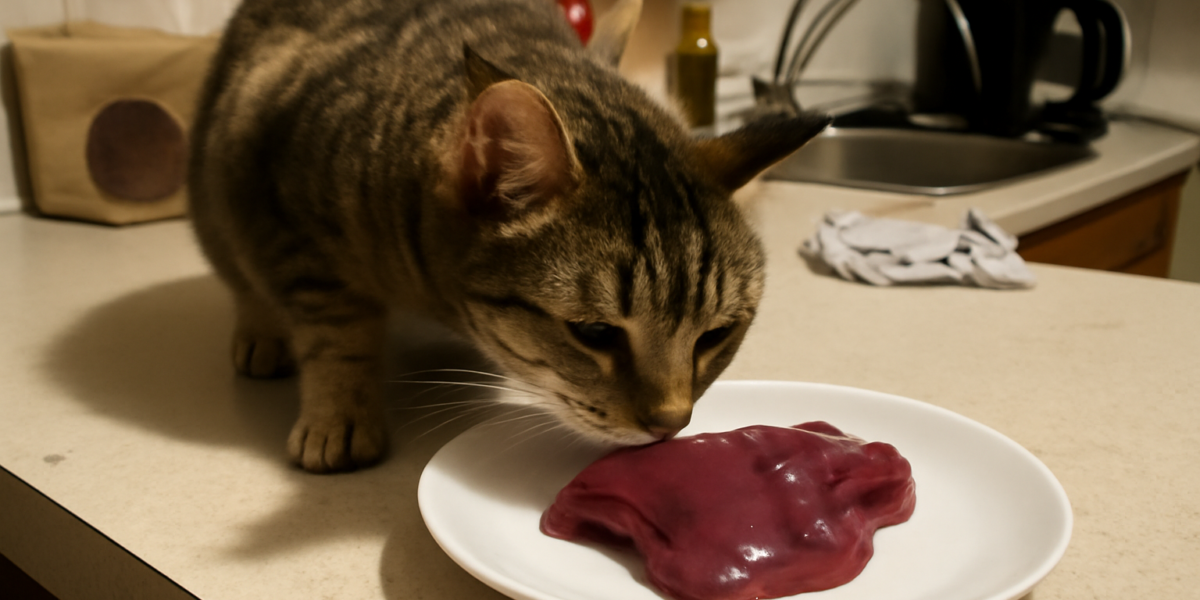
Can Cats Eat Duck Liver? A Nutrient-Rich Treat
Yes, cats can eat duck liver, and it is actually one of the most nutritionally appropriate treats you can offer your feline companion. As obligate carnivores, cats are biologically designed to consume organ meats, and duck liver delivers a concentrated dose of vitamins, minerals, and amino acids that align perfectly with their dietary needs.
In this article
That said, duck liver should be fed in moderation. Its extremely high vitamin A content means that overfeeding can lead to hypervitaminosis A, a serious condition that affects bones and joints. When offered as an occasional treat in appropriate portions, duck liver is a safe and beneficial addition to your cat’s diet.
The key is treating duck liver as exactly that, a treat, not a meal replacement. A small piece two to three times per week is plenty for most cats.
Nutritional Benefits of Duck Liver for Cats
Duck liver is a powerhouse of nutrition that mirrors what cats would consume in the wild. Feral and wild cats naturally eat the organs of their prey first, instinctively seeking out the most nutrient-dense parts of their catch.
Here is what makes duck liver so valuable for cats:
- Vitamin A: Essential for vision, immune function, and skin health. Duck liver contains preformed retinol, which cats can use directly unlike beta-carotene from plants.
- Iron: Highly bioavailable heme iron supports oxygen transport and energy metabolism. Particularly beneficial for cats recovering from illness or anemia.
- Vitamin B12: Critical for nervous system function and red blood cell formation. Duck liver is one of the richest natural sources.
- Taurine: This essential amino acid is abundant in organ meats. Cats cannot synthesize enough taurine on their own and must get it from food. Deficiency leads to heart disease and blindness.
- Protein: High-quality animal protein with a complete amino acid profile that cats can digest and utilize efficiently.
- Copper and zinc: Trace minerals that support enzyme function, wound healing, and coat quality.
Compared to chicken liver, duck liver tends to be slightly richer in fat and has a milder flavor that many cats find particularly appealing. The higher fat content also means it is more calorie-dense, which is worth considering for cats watching their weight.
How to Prepare Duck Liver for Cats
Proper preparation is essential to make duck liver safe and enjoyable for your cat. Raw duck liver carries a risk of bacterial contamination including Salmonella and Campylobacter, so cooking is recommended for most households.
Cooking Methods
Boiling or steaming are the safest preparation methods. Place the duck liver in a small pot of water and simmer gently for 10 to 15 minutes until cooked through. The liver should be firm and no longer pink in the center. Avoid frying in oil or butter, as the added fat is unnecessary and can cause digestive upset.
Once cooked, let the liver cool completely before offering it to your cat. Cut it into small, bite-sized pieces appropriate for your cat’s size. For smaller cats, pieces about the size of a pea work well. Larger cats can handle pieces up to the size of a small marble.
What to Avoid
Never season duck liver with salt, garlic, onion, or any spices. Garlic and onion are toxic to cats even in small amounts. Commercially prepared duck liver pate or mousse is off limits because these products typically contain salt, butter, herbs, and sometimes wine or brandy.
Do not feed duck liver that has been sitting at room temperature for more than two hours. Cooked liver can be stored in the refrigerator for up to three days or frozen for up to three months. Thaw frozen liver in the refrigerator rather than at room temperature.
Safe Portions and Feeding Frequency
The biggest concern with feeding duck liver to cats is vitamin A toxicity. Vitamin A is fat-soluble, meaning excess amounts accumulate in the body rather than being flushed out. Chronic overconsumption can lead to a condition called hypervitaminosis A.
For a healthy adult cat weighing 8 to 10 pounds, a safe serving is roughly one to two small pieces of cooked duck liver, totaling about half an ounce, two to three times per week. This provides nutritional benefits without pushing vitamin A levels into dangerous territory.
Organ meats as a whole, including liver, heart, and kidney, should make up no more than 5 to 10 percent of your cat’s total diet. If your cat already eats a commercial food that includes organ meats in the ingredient list, factor that into your calculations.
Kittens can have duck liver starting around 12 weeks of age, but in even smaller amounts. A piece the size of a pea once or twice a week is sufficient. Always consult your veterinarian before introducing new foods to a kitten’s diet.
Signs of Vitamin A Toxicity
Hypervitaminosis A develops gradually over weeks or months of excessive liver consumption. It is unlikely to occur from occasional treats, but knowing the warning signs helps you catch problems early.
Watch for these symptoms:
- Stiffness in the neck and spine
- Reluctance to move or jump
- Lameness or limping
- Weight loss despite normal appetite
- Constipation
- Dry, flaky skin or rough coat
- Lethargy and decreased activity
If your cat shows any of these signs and has been eating liver regularly, contact your veterinarian promptly. Early intervention can prevent permanent joint damage. Your vet will likely recommend blood tests and X-rays to assess the situation and will advise you to stop all liver feeding immediately.
For more information on safe protein sources for your cat, read our guide on whether cats can eat elk meat or learn about feeding quail to cats.
Duck Liver vs. Other Organ Meats for Cats
If your cat enjoys duck liver, you might wonder how other organ meats compare. Variety is beneficial because different organs provide different nutrient profiles.
Chicken liver is the most commonly available option and is slightly lower in fat and calories than duck liver. It has a similar vitamin A content, so the same portion guidelines apply.
Heart meat from any poultry source is an excellent complement to liver. Heart is technically a muscle meat rich in taurine and CoQ10, with much lower vitamin A levels. You can feed heart more generously than liver.
Kidney offers a different mineral profile with particularly high levels of B vitamins and selenium. Some cats find the taste of kidney less appealing than liver, but it is nutritionally valuable.
Rotating between different organ meats across the week ensures your cat gets a broad spectrum of nutrients without overloading on any single vitamin. This approach mimics how cats would eat in nature, consuming the entire prey animal rather than just one organ.
Frequently Asked Questions
Can cats eat raw duck liver?
While cats in the wild eat raw organ meats, commercially sourced raw duck liver can harbor bacteria like Salmonella. If you follow a raw feeding protocol with proper sourcing and handling from a trusted supplier, raw duck liver can be offered. Otherwise, lightly cooking it eliminates bacterial risk while preserving most nutrients. Discuss raw feeding with your veterinarian before starting.
Can cats eat duck liver every day?
No. Daily duck liver feeding would likely lead to vitamin A excess over time. Limit duck liver to two or three times per week in small portions. If you want to give your cat a daily treat, rotate between liver and other protein sources like cooked chicken breast or rabbit meat.
Is duck liver good for cats with kidney disease?
Cats with kidney disease require carefully managed diets, typically lower in phosphorus and sometimes reduced in protein. Duck liver is relatively high in both. Do not add duck liver to the diet of a cat with kidney disease without explicit veterinary approval. Your vet can advise whether the benefits outweigh the risks for your specific cat’s condition.
Can I use duck liver as a training treat?
Duck liver makes an excellent high-value training treat because of its strong aroma and appealing taste. Cut cooked liver into tiny pieces, about the size of a lentil, to keep portions small during training sessions. Reduce the amount of liver offered at other times to compensate for training treats.
Where can I buy duck liver for my cat?
Duck liver is available at many butcher shops, Asian grocery stores, and specialty meat markets. Some online pet food suppliers sell frozen duck liver specifically for pets. Ensure the product is fresh, from a reputable source, and free of added preservatives or seasonings. Check out our cat adoption hub for more resources on feline nutrition and care.


