
Last updated: April 9, 2026
In this article
Can Cats Eat Frozen Yogurt? Safety Guide and Tips
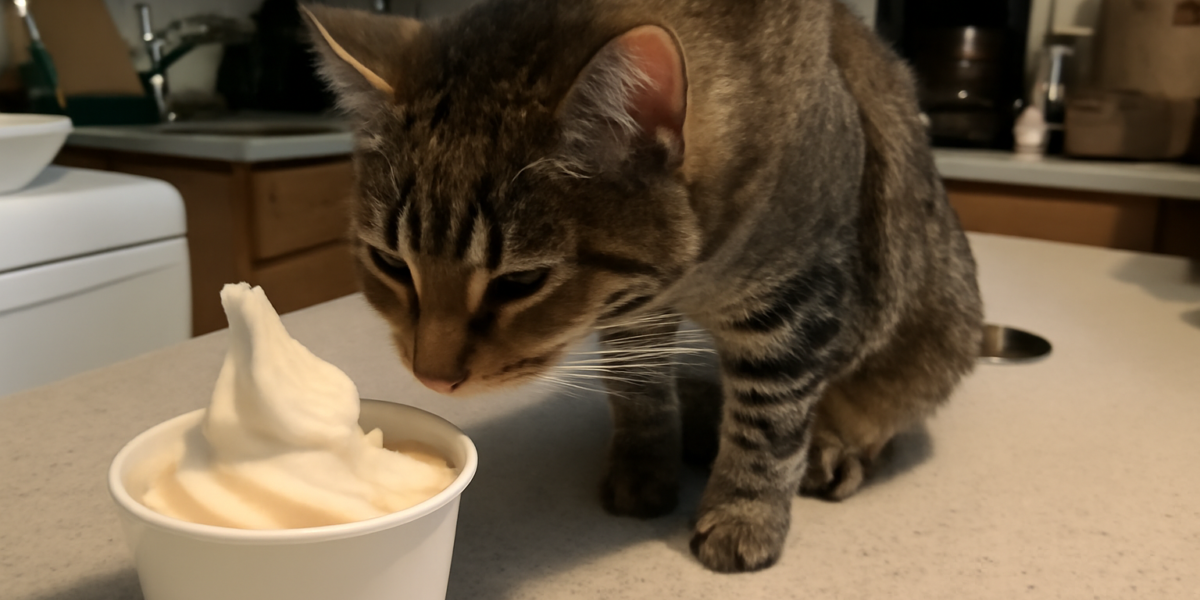
On a warm afternoon, few things are more refreshing than a cup of frozen yogurt. If your cat watches you enjoy this cool treat with wide, hopeful eyes, you might consider letting them have a lick. After all, some cat owners have heard that yogurt contains probiotics that might benefit cats. But frozen yogurt is quite different from plain yogurt, and the distinction matters when it comes to your cat’s health.
Cats are obligate carnivores whose digestive systems are optimized for processing animal protein and fat. Dairy products, sugar, and artificial additives — all common components of frozen yogurt — are not part of a cat’s natural diet. Understanding how these ingredients affect your feline companion is essential before sharing any frozen treat.
Quick Answer: Can Cats Eat Frozen Yogurt?
No, frozen yogurt is not recommended for cats. While it is not acutely toxic in the way that chocolate or grapes are, frozen yogurt contains several ingredients that can cause problems for felines. The high sugar content, dairy base, and common additives like artificial sweeteners make this a treat best kept away from your cat.
The most fundamental issue is that the majority of adult cats are lactose intolerant. After weaning, cats produce significantly less lactase — the enzyme required to digest the lactose sugar found in dairy products. While the fermentation process in yogurt does reduce lactose levels somewhat, frozen yogurt typically has added sugar and other ingredients that negate any potential benefit. The result is a product that is likely to cause gastrointestinal distress in most cats.
There is also the critical concern of artificial sweeteners. Some frozen yogurt brands, particularly “sugar-free” or “diet” varieties, contain xylitol. While xylitol toxicity is more commonly associated with dogs, it is still considered potentially harmful to cats and should be strictly avoided. Always check ingredient labels carefully, and when in doubt, keep frozen yogurt away from your cat entirely.
Nutritional Profile of Frozen Yogurt
The nutritional content of frozen yogurt varies significantly between brands and flavors, but a typical half-cup serving (about 100 grams) of vanilla frozen yogurt contains approximately:
- Calories: 127 kcal — nearly half of a small cat’s daily caloric requirement in a single serving
- Fat: 4 grams, primarily from milk fat
- Carbohydrates: 22 grams, with 17 to 20 grams coming from added sugars
- Protein: 3 grams — dairy-based, not the animal muscle protein cats need
- Calcium: 100 milligrams
- Sodium: 63 milligrams
- Lactose: Variable amounts depending on processing, but typically enough to affect lactose-intolerant cats
Cats need a diet that is roughly 50 to 60 percent protein (on a dry matter basis), with moderate fat and very few carbohydrates. Frozen yogurt flips this ratio entirely, delivering mostly sugar and carbohydrates with minimal protein. The calcium content, while potentially beneficial, is easily obtained from balanced commercial cat food without the associated sugar load.
It is also important to note that many frozen yogurt products contain additional ingredients like corn syrup, modified food starch, artificial colors, artificial flavors, and stabilizers. These additives have no place in a cat’s diet and may cause sensitivities or allergic reactions in some felines.
Benefits and Risks of Frozen Yogurt for Cats
Benefits
- Probiotics: Some frozen yogurts contain live cultures that could theoretically support gut health, though the quantities are minimal after freezing and processing
- Calcium content: Dairy provides calcium for bone health, though cats can obtain this more efficiently from their regular food
- Hydration: The water content in frozen yogurt can contribute marginally to hydration, especially in warm weather
- Palatability: Many cats find the creamy texture appealing, which could be used to mask medication in rare circumstances — though better vehicles exist
Risks
- Lactose intolerance: Most adult cats cannot properly digest lactose, leading to cramping, gas, diarrhea, and vomiting
- Excessive sugar: The high sugar content can contribute to obesity, dental disease, and increased risk of diabetes in cats
- Artificial sweeteners: Xylitol and other sugar substitutes found in some frozen yogurt products can be toxic to cats
- Brain freeze and cold sensitivity: The extremely cold temperature can cause discomfort and may trigger a pain response when cats eat frozen foods too quickly
- Caloric overload: Even a small portion represents a disproportionate number of calories for a cat’s daily intake
- Artificial additives: Colors, flavors, and stabilizers may cause allergic reactions or digestive sensitivity in some cats
How to Serve Frozen Yogurt Safely to Your Cat
The best practice is to avoid giving frozen yogurt to your cat. However, if your cat has had a tiny lick or you want to understand the boundaries, here are some guidelines to minimize risk.
If you choose to offer any amount at all, limit it to the smallest possible taste — a fingertip-sized portion, or roughly a quarter teaspoon. Choose plain vanilla flavor without any toppings, mix-ins, chocolate chips, or fruit syrups. Never offer chocolate, coffee, or green tea flavored frozen yogurt, as these contain caffeine and theobromine which are toxic to cats.
Allow the small portion to soften slightly at room temperature before offering it. This reduces the risk of cold sensitivity and makes it easier for your cat to consume. Never offer frozen yogurt that contains xylitol, raisins, macadamia nuts, chocolate, or any other ingredient known to be toxic to cats.
A much safer alternative to frozen yogurt is to freeze a small amount of low-sodium chicken broth in an ice cube tray. This gives your cat a cool, refreshing treat that aligns with their carnivorous dietary needs without the sugar, lactose, and additives found in frozen yogurt.
Signs of Problems After Eating Frozen Yogurt
Monitor your cat after they consume any amount of frozen yogurt, particularly if they are not accustomed to dairy products.
Lactose intolerance symptoms (30 minutes to several hours): Bloating, excessive gas, rumbling stomach sounds, loose stools or diarrhea, and possible vomiting. These symptoms occur because undigested lactose ferments in the gut, producing gas and drawing water into the intestines. Most lactose-related symptoms resolve within 12 to 24 hours as the dairy passes through the system.
Sugar-related symptoms: Hyperactivity followed by lethargy, increased thirst, and frequent urination. While a single exposure is unlikely to cause lasting harm, repeated sugar consumption can contribute to insulin resistance over time. Cats with pre-existing diabetes may experience dangerous blood sugar fluctuations.
Xylitol toxicity symptoms (if applicable): Vomiting, loss of coordination, lethargy, and in severe cases, seizures and liver failure. If you suspect your cat has consumed frozen yogurt containing xylitol, this is a veterinary emergency — seek immediate professional care.
Allergic reaction signs: Itchy skin, hives, facial swelling, difficulty breathing, or severe gastrointestinal distress. Some cats may be sensitive to specific additives or ingredients in frozen yogurt. Any signs of an allergic reaction warrant immediate veterinary attention.
Healthy Alternatives to Frozen Yogurt
Satisfy your cat’s curiosity about your frozen treats with these much safer options:
- Frozen chicken broth cubes: Freeze low-sodium, onion-free chicken broth in ice cube trays for a cool, protein-based treat perfect for warm weather
- Chilled wet cat food: Place a small portion of your cat’s favorite wet food in the refrigerator for a cool, satisfying snack
- Plain cooked chicken: Unseasoned chicken breast at room temperature or slightly chilled provides the animal protein your cat actually needs
- Commercial cat ice cream: Some pet food companies make frozen treats specifically formulated for cats, without lactose or harmful additives
- Small pieces of cooked fish: Salmon or whitefish provides omega-3 fatty acids along with high-quality protein
- Freeze-dried meat treats: These shelf-stable treats provide pure animal protein without any of the concerns associated with dairy-based frozen products
Looking for a furry friend to share your summer days with? Browse our adoption page to find a cat who would love to be your companion.
Frequently Asked Questions
Is frozen yogurt better for cats than ice cream?
Frozen yogurt is marginally better than ice cream due to its slightly lower fat content and the possibility of beneficial probiotics. However, neither product is appropriate for cats. Both contain excessive sugar, dairy that most cats cannot digest, and various additives that serve no nutritional purpose for felines. The difference between the two is negligible from a feline health perspective — both should be avoided.
Can cats eat plain yogurt instead of frozen yogurt?
Plain, unsweetened yogurt is a better option than frozen yogurt if you must share a dairy product with your cat. The fermentation process reduces lactose content, and plain yogurt lacks the added sugars and artificial ingredients found in frozen yogurt. Even so, only a tiny amount — about half a teaspoon — should be offered, and only to cats that have previously tolerated dairy without issues.
My cat loves frozen yogurt — is it okay as a rare treat?
While an occasional tiny lick is unlikely to cause serious harm in a healthy adult cat, it is not a habit worth encouraging. Cats do not need dairy or sugar in their diet, and there are much healthier ways to treat your cat. The fact that your cat enjoys the taste does not mean it is good for them — cats often gravitate toward foods that are not in their best interest.
Can kittens eat frozen yogurt?
No, kittens should not eat frozen yogurt. While kittens produce more lactase than adult cats due to their need to digest their mother’s milk, frozen yogurt is not comparable to cat milk. The high sugar content, artificial ingredients, and cold temperature make it particularly inappropriate for developing kittens who need carefully balanced nutrition for proper growth.
What about dairy-free frozen yogurt?
Dairy-free frozen yogurt eliminates the lactose concern but introduces other problems. Most dairy-free alternatives are made with coconut milk, almond milk, or soy, and they still contain high levels of sugar and various additives. Coconut-based products are very high in fat, while soy and nut-based products offer no nutritional value for cats. These alternatives are still not recommended for felines.
How many calories should treats represent in my cat’s diet?
Veterinarians generally recommend that treats — including any human food — should account for no more than 10 percent of your cat’s daily caloric intake. For an average adult cat consuming 250 calories per day, that means treats should total no more than 25 calories. Even a small serving of frozen yogurt can easily exceed this limit, which is another reason to choose lower-calorie, protein-based treats instead.
If you are ready to welcome a feline companion into your home, we would love to help you find your perfect match. Visit our adoption page to see the wonderful cats currently in our care and waiting for loving families.


