
Last updated: May 4, 2026
In this article
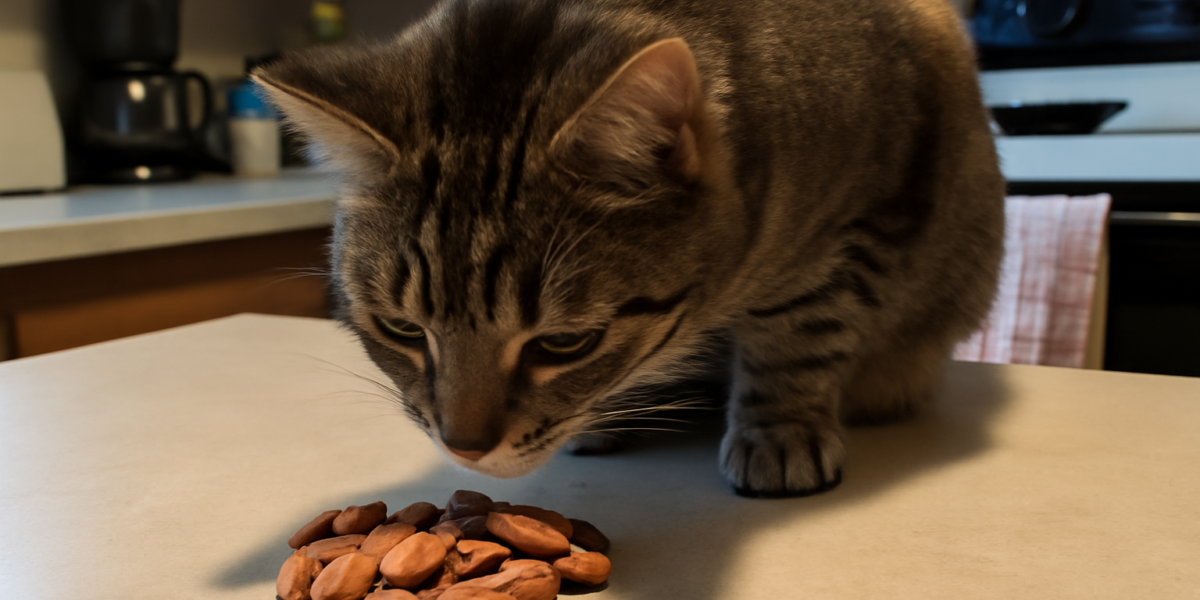
Almonds are one of the most popular nuts in the world, celebrated for their nutritional profile in human diets. They are packed with healthy fats, protein, fiber, vitamin E, and magnesium, making them a go-to snack for health-conscious people. When you are crunching through a handful of almonds and your cat shows interest, it is natural to wonder whether sharing one would be safe. While almonds are not outright toxic to cats in the way that certain other foods are, they present enough risks and offer so little benefit to felines that most veterinarians advise against offering them. Understanding why helps you make the best decision for your cat’s health.
Quick Answer: Almonds are not recommended for cats. While sweet almonds are not toxic, they are high in fat, difficult to digest, and pose a choking hazard. Cats gain no nutritional benefit from almonds. Bitter almonds, which contain cyanide precursors, are actively dangerous and must never be given to cats.
Are Almonds Toxic to Cats?
The answer depends on which type of almond we are discussing. There are two main varieties of almonds — sweet almonds and bitter almonds — and they have very different safety profiles.
Sweet almonds are the variety sold in grocery stores for snacking, baking, and cooking. These are the almonds most people are familiar with, and they are not toxic to cats. A cat that eats a small piece of sweet almond is not at risk of poisoning. However, “not toxic” is a very low bar for a food to clear, and sweet almonds present several practical concerns that make them inappropriate for regular feline consumption.
Bitter almonds are a different variety that contains amygdalin, a compound that breaks down into hydrogen cyanide when metabolized. Bitter almonds are not commonly sold for direct consumption in many countries (they are banned from retail sale in the United States) but can be found in certain imported products, almond extracts, and some specialty food markets. A single bitter almond contains enough amygdalin to produce 4 to 9 milligrams of hydrogen cyanide. Given a cat’s small body size, even one or two bitter almonds could potentially cause cyanide poisoning, with symptoms including difficulty breathing, dilated pupils, red mucous membranes, convulsions, and death. If you suspect your cat has eaten a bitter almond, seek emergency veterinary care immediately.
For the remainder of this article, we will focus on sweet almonds — the common grocery store variety — since these are what cat owners are most likely to encounter. While not poisonous, sweet almonds present enough concerns to warrant caution and general avoidance as a cat treat.
Why Almonds Are Not Good for Cats
Several characteristics of almonds make them a poor food choice for cats, even though they are not acutely toxic.
High fat content. Almonds contain approximately 50 grams of fat per 100 grams — making them one of the fattiest common foods available. While much of this fat is the monounsaturated kind that benefits human cardiovascular health, cats process dietary fat differently. A cat’s digestive system, while capable of handling moderate amounts of animal fat from prey, is not designed for the concentrated plant-based fat found in nuts. A single almond contains about 0.6 grams of fat and 7 calories. For a cat eating 200 to 250 calories per day, even a few almonds add a disproportionate amount of fat and calories. Regular consumption of high-fat foods increases the risk of pancreatitis — a painful and potentially life-threatening inflammation of the pancreas — and contributes to obesity.
Difficult to digest. Cats are obligate carnivores whose digestive systems are optimized for processing animal protein and fat. The complex plant proteins, fiber, and fat in almonds are not efficiently processed by feline digestive enzymes. This can lead to gastrointestinal symptoms including vomiting, diarrhea, gas, bloating, and abdominal discomfort. Some cats have more robust digestive tolerance than others, but as a general rule, nuts are poorly digested by cats and offer little nutritional return for the digestive effort required.
Choking hazard. Whole almonds are a significant choking risk for cats. Their size, hardness, and oblong shape make them easy to inhale or swallow without adequate chewing. Cats have relatively small throats, and a whole almond or large almond piece can become lodged, causing choking or airway obstruction. Even for cats that chew their food carefully, the hardness of almonds can pose dental risks — cracking or chipping teeth is a possibility, particularly for older cats or those with pre-existing dental issues.
Intestinal obstruction. If a cat swallows an almond whole or in large pieces, the hard, indigestible chunks may not pass through the digestive tract normally. Intestinal obstruction is a surgical emergency that can occur when a foreign body blocks the intestinal lumen. While a single small almond fragment is unlikely to cause obstruction in a larger cat, the risk increases with smaller cats and larger pieces.
Sodium and flavorings. Many commercially available almonds are salted, flavored, smoked, or coated with seasonings. Salted almonds contain excessive sodium for cats. Flavored varieties — including garlic-roasted, onion-flavored, or wasabi-coated almonds — may contain ingredients that are outright toxic to cats. Even “lightly salted” almonds have more sodium than is appropriate for feline consumption. If you ever offer a cat any almond at all, it must be plain, unsalted, and unflavored. For a comparison of other risky foods, see our article on why cats should not eat dog food.
What to Do If Your Cat Eats an Almond
If your cat has eaten one or two plain, sweet almonds, there is no need to panic. Monitor your cat over the following 24 hours for signs of digestive upset or distress, but serious complications from such a small amount are unlikely in a healthy cat.
If your cat ate a whole almond. Watch for signs of choking immediately — coughing, gagging, pawing at the mouth, difficulty breathing, or distress. If your cat appears to be choking, seek emergency veterinary care immediately. If the almond was swallowed successfully, monitor for signs of intestinal discomfort or obstruction over the next 24 to 48 hours: vomiting, loss of appetite, abdominal pain, straining to defecate, or lethargy.
If your cat ate flavored or salted almonds. The additional concern here is the sodium and flavorings. For salted almonds, ensure your cat has access to plenty of fresh water to help the kidneys process the excess sodium. For almonds with garlic, onion, or other potentially toxic flavorings, contact your veterinarian and describe exactly what was consumed and the estimated amount. Garlic and onion powders are concentrated forms of Allium compounds and can cause red blood cell damage even in small amounts.
If your cat ate multiple almonds. A larger quantity increases the risk of gastrointestinal upset from the fat content and increases the chance of intestinal blockage from undigested almond matter. Contact your veterinarian for guidance, particularly if your cat is small or has a history of digestive sensitivity. Watch for vomiting, diarrhea, and signs of abdominal discomfort.
If your cat ate bitter almonds. This is a veterinary emergency. Bitter almonds contain cyanide precursors, and even one or two can be dangerous for a cat. Seek immediate emergency veterinary care. Do not wait for symptoms to appear — cyanide poisoning can progress rapidly.
Almond Products and Cats
Beyond whole almonds, various almond-derived products exist in most kitchens. Here is a breakdown of their safety for cats.
Almond butter. Almond butter is not toxic to cats in small amounts, but it is extremely calorie-dense and high in fat. A teaspoon of almond butter contains about 50 calories and 4.5 grams of fat — a significant load for a cat. The sticky texture also poses a risk of adhering to the roof of the mouth or throat, potentially causing distress. Many commercial almond butters contain added salt, sugar, or sweeteners (including xylitol, which is extremely toxic to cats). If you ever offer almond butter to a cat, it must be plain, unsweetened, and in a quantity no larger than a fingertip smear. Honestly, there is no good reason to give cats almond butter when superior alternatives exist.
Almond milk. Commercial almond milk is not toxic to cats and may seem like a good dairy alternative for lactose-intolerant felines. However, almond milk provides virtually no nutritional value for cats. The “milk” is primarily water with a small amount of blended almonds, and most commercial varieties contain added sugar, stabilizers, and flavorings. Unsweetened almond milk in very small amounts (a tablespoon) is unlikely to cause harm, but it also provides no benefit. Cats do not need milk of any kind in their diet, and water is always the best hydration choice.
Almond flour. Almond flour (finely ground almonds) appears in many baked goods and recipes. A cat licking a bit of batter or eating a crumb of an almond flour product is not in danger, but almond flour retains all the fat and caloric density of whole almonds in a more concentrated form. Baked goods containing almond flour typically also include sugar, butter, eggs, and other ingredients that may or may not be cat-appropriate depending on the recipe.
Almond extract. Almond extract is made from bitter almonds or a synthetic compound (benzaldehyde) in an alcohol base. The combination of potential cyanide compounds and high alcohol content makes almond extract unsuitable for cats. Even a small amount of the alcohol in extract can be harmful to cats, whose small bodies process alcohol very slowly. Keep almond extract securely stored away from cats. For safer alternatives, explore our guide on catnip for cats.
Safe Nut and Treat Alternatives for Cats
If your cat enjoys the taste or texture of nuts, there are safer ways to satisfy their curiosity while maintaining proper feline nutrition.
Cooked meat treats. Small pieces of plain, cooked chicken, turkey, or fish provide the protein cats crave in a form their bodies are designed to process. These treats are nutritionally aligned with feline biology and are far more beneficial than any nut. Cut into small pieces appropriate for your cat’s size.
Commercial cat treats. High-quality cat treats formulated specifically for feline nutrition provide safe, appealing snacking options. Freeze-dried meat treats are particularly popular and offer a crunchy texture that some nut-loving cats enjoy. Lickable tube treats provide a creamy experience that many cats find irresistible.
Small amounts of cooked vegetables. Some cats enjoy small pieces of cooked carrot, steamed broccoli, or green beans. These provide fiber and vitamins with minimal calories and no fat-related risks. Always introduce new foods gradually and in tiny amounts to gauge tolerance.
Pumpkin puree. Plain, canned pumpkin (not pie filling) offers fiber and nutrients with a smooth texture. A teaspoon mixed into food can support digestive health while providing a novel flavor experience.
Catnip and silver vine. If your cat’s interest in almonds is more about novelty and stimulation than actual hunger, providing enrichment through catnip, silver vine, or interactive toys may satisfy the underlying need for mental stimulation without introducing inappropriate foods.
Frequently Asked Questions
Can one almond hurt my cat?
A single plain, sweet almond is very unlikely to cause serious harm to a healthy adult cat, though it may cause mild digestive upset — a brief episode of vomiting or soft stool — as the cat’s digestive system struggles with the unfamiliar food. The primary acute risk is choking, particularly if the almond is swallowed whole. If your cat ate one almond, chewed it adequately, and shows no signs of distress, serious consequences are unlikely. Monitor for digestive symptoms over the next 24 hours and ensure plenty of fresh water is available. However, the fact that one almond is unlikely to cause harm does not mean it should become a habit.
Why is my cat attracted to almonds?
Cats may be attracted to almonds for several reasons. The high fat content makes them appealing, as cats have evolved to seek out calorie-dense foods. The protein in almonds may also register with a cat’s keen sense of smell. Some cats are attracted to the crunch — the sound and sensation of biting through a hard object appeals to the predatory instinct of cracking bone. Additionally, some cats are simply curious about whatever their human is eating and will investigate any food the owner seems to enjoy. If your cat consistently seeks out almonds, redirect their interest to cat-appropriate treats that satisfy similar sensory preferences.
Are almond-based cat litters safe?
Almond shell cat litters exist as a natural, biodegradable alternative to clay or silica litters. These products are made from crushed almond shells, not almond meat, and are generally considered safe for cats. The shells do not contain the fats, proteins, or other compounds found in almond flesh that cause digestive concerns. However, as with any litter, there is some risk if a cat ingests litter material during grooming. Choose almond shell litter from reputable manufacturers that test for dust levels and potential contaminants. If your cat tends to eat litter (a behavior called pica), any non-clay litter may pose ingestion risks and you should consult your veterinarian.
Can cats eat marzipan or almond-flavored foods?
Marzipan — a confection made from ground almonds and sugar — is not appropriate for cats. While not acutely toxic (assuming it is made with sweet almonds), the extremely high sugar content makes it a poor choice. Cats cannot taste sweetness and derive no pleasure from sugar, but they can suffer its metabolic consequences, including obesity and increased diabetes risk. Almond-flavored foods often contain almond extract, which is made from bitter almonds or synthetic benzaldehyde in an alcohol base — both inappropriate for cats. Avoid sharing any almond-flavored human foods with your cat.
Is almond oil safe for cats topically?
Sweet almond oil is sometimes used in pet grooming products and is generally considered safe for topical use on cats in small amounts. It can help moisturize dry skin and may improve coat condition. However, cats groom themselves extensively, so any product applied topically will eventually be ingested. Use only very small amounts of plain, food-grade sweet almond oil if recommended by your veterinarian, and avoid application near the face where the cat might lick it directly. Some cats may have skin sensitivity to almond oil, so test on a small area first and watch for redness or irritation.
What nuts are toxic to cats?
Macadamia nuts are the most clearly toxic common nut for cats, causing weakness, vomiting, tremors, and hyperthermia. Bitter almonds contain cyanide precursors and are dangerous. Walnuts, particularly black walnuts, carry significant risk due to mold susceptibility and potential mycotoxin contamination — learn more in our article about walnuts and pets. As a general rule, no nuts are recommended for cats. Even nuts that are not acutely toxic (like sweet almonds, cashews, or peanuts) are too high in fat, too difficult to digest, and too calorie-dense to offer meaningful benefit to obligate carnivores. Stick with meat-based treats that align with feline nutritional requirements.


