
Last updated: May 4, 2026
In this article
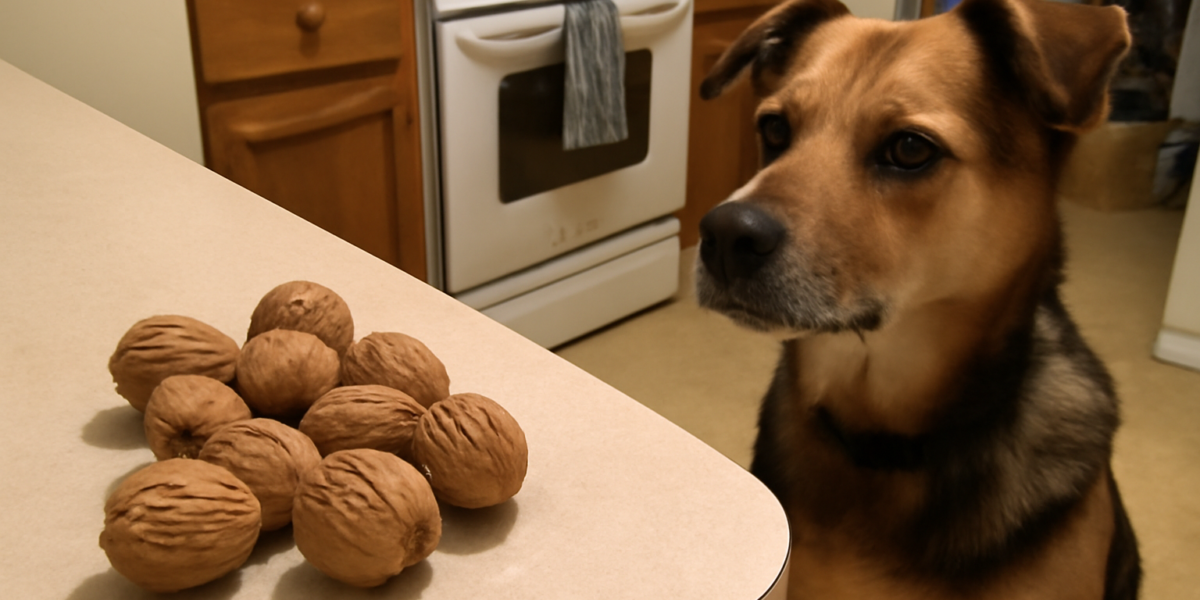
Walnuts are a nutritional powerhouse for humans, packed with omega-3 fatty acids, protein, fiber, and a host of vitamins and minerals. They appear in everything from salads and baked goods to trail mixes and cheese boards. Given their impressive health credentials in human nutrition, it is tempting to share a few walnuts with your dog. However, the relationship between dogs and walnuts is more complicated than it might seem, and the risks generally outweigh the potential benefits. While English walnuts are not acutely toxic to dogs in the same way that some foods are, there are several serious concerns that make walnuts a poor treat choice.
Quick Answer: Walnuts are not recommended for dogs. While English walnuts are not inherently toxic, they pose risks including high fat content that can trigger pancreatitis, susceptibility to toxic mold, choking hazards, and potential intestinal blockage. Black walnuts are toxic to dogs and must be avoided entirely.
Are Walnuts Safe for Dogs?
The safety of walnuts for dogs depends significantly on the type of walnut, its condition, and the amount consumed. The two most common types encountered in North America are English walnuts (also called common walnuts or Persian walnuts) and black walnuts. These two varieties carry very different risk profiles for dogs.
English walnuts — the kind you find shelled in grocery stores — are not inherently toxic to dogs. A dog that eats one or two pieces of fresh, shelled English walnut is unlikely to experience acute poisoning. However, this does not make them a safe or recommended treat. The high fat content, potential for mold contamination, and physical characteristics of walnuts create a combination of risks that most veterinarians advise against.
Black walnuts, which grow wild across eastern North America, are a different story entirely. Black walnuts contain a compound called juglone, which is toxic to dogs and can cause vomiting, tremors, and seizures. The hulls of black walnuts are particularly dangerous because they are extremely susceptible to a mold called Penicillium, which produces tremorgenic mycotoxins. These mycotoxins can cause severe neurological symptoms in dogs, including whole-body tremors, seizures, and potentially death. Dogs who encounter fallen black walnuts in yards or parks are at particular risk because the moldy hulls are the most dangerous part.
Beyond the distinction between walnut types, the condition of the walnut matters enormously. Fresh, store-bought, shelled English walnuts are the lowest-risk form. Walnuts still in their shells — whether found on the ground or purchased unshelled — carry a higher risk because the shells can harbor mold that is invisible to the naked eye. Walnuts that have been on the ground, particularly in damp conditions, should be considered potentially contaminated and kept away from dogs at all times.
Why Walnuts Are Risky for Dogs
Several distinct risk factors make walnuts problematic for canine consumption, even when we are talking about the less dangerous English variety.
High fat content. Walnuts are one of the fattiest nuts available, containing approximately 65 grams of fat per 100 grams. While much of this fat is the heart-healthy unsaturated variety that benefits humans, dogs metabolize fat differently. A dog’s digestive system is not designed to handle concentrated sources of dietary fat, and even moderate amounts can trigger pancreatitis — a painful and potentially life-threatening inflammation of the pancreas. Pancreatitis in dogs can range from mild (causing discomfort, vomiting, and reduced appetite) to severe (requiring hospitalization, aggressive fluid therapy, and sometimes surgical intervention). Some dogs are particularly predisposed to pancreatitis, including Miniature Schnauzers, Cocker Spaniels, and obese dogs.
Mold and mycotoxins. Walnuts are highly susceptible to mold growth, particularly from species of Aspergillus and Penicillium. These molds produce mycotoxins — specifically aflatoxins and tremorgenic mycotoxins — that are highly toxic to dogs. Aflatoxins attack the liver and can cause liver failure, while tremorgenic mycotoxins target the nervous system and cause muscle tremors, seizures, and hyperthermia. The challenge is that mold contamination can be present without visible signs. Walnuts may look and smell perfectly fine while harboring dangerous levels of mycotoxins. This is why even seemingly fresh walnuts that have been stored improperly can be hazardous.
Choking and obstruction hazards. Whole walnuts, particularly those still in their shells, are a significant choking hazard for dogs. The round shape and hard texture make them easy to swallow whole or in large pieces, and the shell fragments can lodge in the throat or esophagus. Even shelled walnut halves can be too large for small-to-medium dogs to chew safely, particularly for dogs that tend to gulp their food. If swallowed whole, walnut shells can also cause intestinal obstruction, a serious emergency requiring surgical intervention.
Gastrointestinal irritation. The combination of high fat and the relatively tough, fibrous texture of walnuts can cause gastrointestinal distress in dogs, even without triggering full-blown pancreatitis. Vomiting, diarrhea, gas, bloating, and abdominal discomfort are common reactions, especially in dogs unaccustomed to high-fat foods or those with sensitive stomachs. For safer snack options, consider reading about celery for dogs or sweet potatoes for dogs.
Black Walnuts and Dogs: A Serious Danger
Black walnuts deserve special attention because they represent a genuine toxic threat to dogs, particularly when encountered in their natural outdoor setting. Understanding this danger is important for any dog owner who lives in an area where black walnut trees grow.
Black walnut trees (Juglans nigra) are native to eastern North America and are among the most valuable hardwood trees on the continent. They produce distinctive round fruits with green hulls that turn black as they decay. These fallen fruits are the primary source of danger for dogs, as the decomposing hulls are an ideal growth medium for Penicillium mold, which produces tremorgenic mycotoxins at high concentrations.
Dogs who chew on or eat moldy black walnut hulls can develop what is commonly referred to as walnut poisoning, though it is technically mycotoxin poisoning. Symptoms typically appear within hours of ingestion and can include whole-body tremors, incoordination (ataxia), hyperthermia (elevated body temperature), vomiting, panting, restlessness, and seizures. In severe cases, the tremors can be violent enough to cause secondary injuries, and sustained seizure activity can lead to brain damage or death without emergency treatment.
The juglone content in black walnuts adds another layer of toxicity. While juglone is most toxic to certain plants (it is allelopathic, meaning it inhibits the growth of nearby vegetation), it can also cause gastrointestinal irritation and laminitis in horses. In dogs, juglone toxicity is less well-studied, but it is believed to contribute to the gastrointestinal symptoms seen in dogs who eat black walnuts, particularly fresh ones.
If you have black walnut trees in your yard or walk your dog in areas where they grow, regularly clean up fallen nuts and hulls. Keep your dog on a leash in areas where fallen black walnuts are present, and train a reliable “leave it” command. If your dog ingests any part of a black walnut, particularly a moldy hull, contact your veterinarian or an emergency animal hospital immediately.
Symptoms of Walnut Problems in Dogs
The symptoms a dog experiences after eating walnuts depend on the type consumed, the amount, whether mold was present, and the individual dog’s sensitivity. Here is what to watch for across different scenarios.
After eating English walnuts (small amount). Mild gastrointestinal upset is the most likely outcome. Watch for soft stool, gas, mild vomiting, and reduced appetite. These symptoms typically resolve on their own within 24 to 48 hours. Withhold treats and feed a bland diet if your dog seems uncomfortable.
After eating a large amount of any walnut. The high fat content becomes the primary concern. Signs of pancreatitis include vomiting (sometimes severe and repeated), diarrhea, abdominal pain (the dog may adopt a “prayer position” with front legs down and hindquarters elevated), lethargy, loss of appetite, and fever. Pancreatitis can develop 24 to 72 hours after the high-fat meal and ranges from mild to life-threatening. Seek veterinary care if vomiting persists or your dog appears to be in pain.
After eating moldy walnuts or black walnuts. Neurological symptoms dominate this presentation. Tremors are the hallmark sign — they typically start fine and become progressively more severe. Other signs include restlessness, panting, hyperthermia, incoordination, vomiting, and seizures. These symptoms constitute a veterinary emergency. Do not wait to see if they improve — seek immediate emergency veterinary care. Tremorgenic mycotoxin poisoning can be fatal without treatment, but dogs generally respond well to aggressive supportive care when treated early.
Signs of intestinal obstruction. If your dog swallowed walnut shell pieces or whole walnuts, obstruction is a possibility. Symptoms include persistent vomiting (especially after attempting to eat or drink), complete loss of appetite, abdominal swelling or pain, inability to defecate or straining without production, and progressive lethargy. Intestinal obstruction is a surgical emergency and requires immediate veterinary intervention.
What to Do If Your Dog Eats Walnuts
The appropriate response depends on what type of walnut, how much, and whether the walnuts were potentially moldy.
Small amount of fresh, shelled English walnuts. If your dog ate a few pieces of store-bought, shelled English walnuts, serious toxicity is unlikely. Monitor for gastrointestinal upset over the next 24 to 48 hours. If your dog has a history of pancreatitis or a sensitive stomach, contact your veterinarian for guidance. Feed a bland diet for a day or two if mild digestive symptoms appear.
Large amount of any walnuts. Contact your veterinarian. The high fat load increases the risk of pancreatitis, and the larger the amount consumed, the greater the risk. Your veterinarian may recommend inducing vomiting if the ingestion was recent (within one to two hours) or may advise monitoring with specific symptoms to watch for.
Black walnuts or moldy walnuts. This is a veterinary emergency. Contact your veterinarian or emergency animal hospital immediately. If possible, bring a sample of the walnuts your dog ate so the veterinarian can assess the type and condition. Treatment may include decontamination (induced vomiting and activated charcoal if ingestion was recent), intravenous fluids, muscle relaxants to control tremors, anticonvulsants if seizures occur, and active cooling if hyperthermia is present.
Walnut shells consumed. If your dog ate walnut shells, monitor for signs of gastrointestinal obstruction over the following 24 to 72 hours. Small shell fragments may pass without issue, but larger pieces or whole shells can cause blockages. Contact your veterinarian, who may recommend radiographs to assess the situation. If you want to learn about other foods to be cautious about, read our article on garlic and dogs.
Safe Alternatives to Walnuts for Dogs
If you want to give your dog a nutty or crunchy treat, there are several safer options available.
Peanuts and peanut butter. Plain, unsalted, roasted peanuts are safe for dogs in moderation. Peanut butter is one of the most popular dog treats and is generally safe as long as it does not contain xylitol (birch sugar), which is extremely toxic to dogs. Always check the ingredient list. While peanuts are still high in fat, they do not carry the mold-related risks associated with walnuts.
Cashews. Plain, unsalted cashews are safe for dogs in small amounts. They have a lower fat content than walnuts and are softer, reducing the choking risk. Like all nuts, they should be given sparingly due to their caloric density.
Vegetables. For dogs who enjoy crunchy treats, vegetables like carrots, green beans, and celery provide satisfying crunch with far fewer calories and none of the fat-related risks. These make excellent training treats and daily snacks.
Commercial dog treats. High-quality dog treats formulated specifically for canines take the guesswork out of treat safety. Look for treats made with whole-food ingredients and minimal additives.
Frequently Asked Questions
Can dogs eat walnut butter?
Walnut butter is not recommended for dogs. While it eliminates the choking hazard associated with whole walnuts, it concentrates the high fat content that can trigger pancreatitis. A tablespoon of walnut butter contains approximately 10 grams of fat, which is a significant amount for a dog. If you want to give your dog a nut butter treat, plain peanut butter (without xylitol or added salt) is a much safer choice. Always introduce any nut butter gradually and in small amounts to gauge your dog’s tolerance.
My dog ate a walnut off the ground outside — what should I do?
If your dog ate a walnut found on the ground, the primary concern is mold contamination. Walnuts that have been on the ground, especially in damp conditions, are at high risk for developing tremorgenic mycotoxins. Try to determine whether the walnut was from a black walnut tree or an English walnut tree — black walnuts are more dangerous. Contact your veterinarian and describe the situation. Watch for signs of mycotoxin poisoning (tremors, incoordination, vomiting, seizures) over the next 24 hours. If any neurological symptoms appear, seek emergency veterinary care immediately.
Are walnuts more dangerous than other nuts for dogs?
Walnuts carry higher risks than most other nuts commonly found in households. Black walnuts are among the most dangerous nuts for dogs due to mycotoxin susceptibility and juglone content. Even English walnuts are riskier than peanuts or cashews because of their very high fat content and greater susceptibility to mold. Macadamia nuts are the only common nut that is more acutely toxic to dogs than black walnuts — macadamias cause a specific toxicity syndrome that includes weakness, vomiting, tremors, and hyperthermia. As a general rule, nuts should be given to dogs only in small amounts, with peanuts and cashews being the safest options.
Can dogs eat walnut shells?
No, dogs should never eat walnut shells. The shells are extremely hard and can crack teeth, and sharp shell fragments can damage the mouth, throat, esophagus, and intestinal lining. Swallowed shell fragments or whole shells can cause intestinal obstruction, which is a surgical emergency. Additionally, walnut shells are a prime location for mold growth, particularly in walnuts that have been on the ground. If your dog has consumed walnut shells, contact your veterinarian and monitor closely for signs of obstruction, including persistent vomiting, loss of appetite, abdominal pain, and inability to defecate.
Can walnut oil be given to dogs?
Walnut oil in very small amounts is unlikely to cause acute harm, and some holistic practitioners suggest it as a source of omega-3 fatty acids. However, walnut oil is still extremely calorie-dense and high in fat — a teaspoon contains about 4.5 grams of fat and 40 calories. For dogs predisposed to pancreatitis, even small amounts of concentrated fat can be problematic. If you are looking to supplement your dog’s diet with omega-3 fatty acids, fish oil supplements specifically formulated for dogs are a safer and more effective option. These provide the EPA and DHA forms of omega-3 that dogs utilize most efficiently.
How do I keep my dog away from walnuts outdoors?
If you have walnut trees in your yard, regular cleanup of fallen nuts is essential. Check the yard daily during the fall fruiting season and remove all fallen walnuts, including the hulls. Consider fencing off the area directly under walnut trees if complete cleanup is impractical. During walks, keep your dog on a leash in areas where walnut trees are present and work on training a strong “leave it” command. Teaching your dog to drop items on command is equally valuable. Vigilance is particularly important for dogs who are natural foragers or who tend to eat things off the ground.


