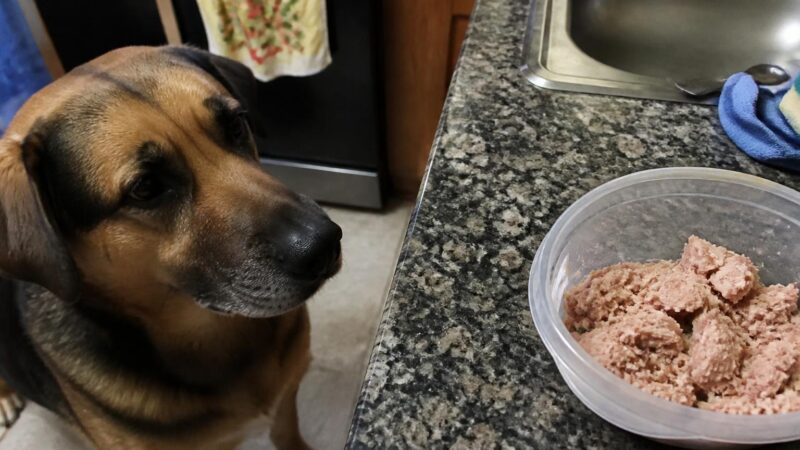
Can Dogs Eat Almond Yogurt? The Short Answer
Dogs can eat almond yogurt in small amounts, but only if it is plain and unsweetened — and absolutely free of xylitol. Almond yogurt is a dairy-free alternative made from almonds, and on its own it isn’t toxic to dogs. The danger lies entirely in the additives that flavored and “light” versions often contain, most importantly the artificial sweetener xylitol, which is severely poisonous to dogs.
In this article
- Can Dogs Eat Almond Yogurt? The Short Answer
- The Xylitol Warning You Can’t Skip
- Is Plain Almond Yogurt Actually Good for Dogs?
- How Much Almond Yogurt Can a Dog Have?
- How to Serve Almond Yogurt Safely
- Almond Yogurt vs. Other Yogurt Options
- Watching for Tree-Nut Sensitivities
- When to Skip It Entirely
- Frequently Asked Questions
So can dogs eat almond yogurt safely? Yes, a spoonful of the right product is fine as an occasional treat. But this is a food where reading the label is non-negotiable. Before you share any almond yogurt, you must confirm it contains no xylitol (sometimes labeled as “birch sugar”) and no added sugar, chocolate, or fruit purees that may be problematic.
The Xylitol Warning You Can’t Skip
This is the most important thing to understand, so it comes first. Xylitol is extremely toxic to dogs, even in small amounts. It causes a rapid, dangerous release of insulin, which leads to a sudden crash in blood sugar (hypoglycemia) and, at higher doses, liver failure. The reaction can begin within 15 to 30 minutes.
Xylitol shows up in many “sugar-free,” “light,” or “no added sugar” products, including some flavored plant-based yogurts. It may be listed as xylitol or as “birch sugar.” If a yogurt contains it, do not feed it to your dog under any circumstances.
Signs of xylitol poisoning include:
- Vomiting
- Weakness or sudden collapse
- Lack of coordination or staggering
- Tremors or seizures
- Lethargy
If your dog eats anything containing xylitol, treat it as an emergency and call your veterinarian or a pet poison helpline immediately — do not wait for symptoms to appear.
Is Plain Almond Yogurt Actually Good for Dogs?
Plain, unsweetened almond yogurt is safe but not especially nutritious for dogs. It can offer a little probiotic content if it contains live cultures, which may support gut health, and it’s a fine dairy-free option for dogs who are sensitive to lactose. But it isn’t a food your dog needs, and the benefits are modest.
A few things to keep in mind:
- Almond yogurt is higher in fat than regular dairy yogurt, so portions should stay small.
- Some brands add thickeners, gums, or natural flavors — keep it to simple, short ingredient lists.
- It should never replace a meal; think of it as a tiny treat or a topper, not a supplement.
If your main goal is a probiotic boost, plain dairy yogurt in moderation works for many dogs too — see our guide on whether dogs can eat yogurt for that comparison.
It also helps to set realistic expectations. Almond yogurt isn’t a health food for dogs the way it might be marketed for people. The amount your dog would safely eat — a teaspoon or two — provides only a trace of any beneficial cultures, and the fat and additives offset much of the appeal. So while plain almond yogurt is a perfectly fine occasional treat for a dog who enjoys it, don’t feed it expecting a meaningful nutritional return. Treat it as a small, fun extra, and lean on your dog’s complete diet and your vet’s guidance for actual health support.
How Much Almond Yogurt Can a Dog Have?
Because of the fat content and the calorie load, almond yogurt should be an occasional, small treat. Reasonable amounts are:
- Small dogs: a teaspoon.
- Medium dogs: a tablespoon.
- Large dogs: up to two tablespoons.
Offer it no more than a couple of times a week, and always start with a small taste to see how your dog’s stomach handles it. Some dogs are sensitive to tree nuts or to the gums and additives in plant-based products, so watch for itching, gas, or loose stools the first time.
How to Serve Almond Yogurt Safely
Keep it simple and safe with these steps:
- Read the full ingredient list and confirm there is no xylitol, birch sugar, chocolate, or excessive added sugar.
- Choose plain, unsweetened almond yogurt — never vanilla, fruit-flavored, or sweetened varieties.
- Serve a small spoonful on its own, mixed into food, or frozen in a hollow toy for a cool treat.
- Watch for any reaction the first few times, and stop if you see digestive upset.
If you’d rather offer a fruit-flavored treat, skip the flavored yogurt and add a few dog-safe fruits yourself. Our guides on whether dogs can eat blueberries and whether dogs can eat strawberries cover safe options you can stir into plain yogurt at home — you stay in control of exactly what goes in.
Almond Yogurt vs. Other Yogurt Options
If you’re choosing between almond yogurt and other types, it helps to understand how they stack up for a dog. The “best” option really depends on your individual dog’s tolerance and any sensitivities.
Plain dairy yogurt contains probiotics and is well tolerated by many dogs in small amounts, though some are sensitive to lactose. Almond yogurt sidesteps lactose entirely, which suits dairy-sensitive dogs, but it’s higher in fat and often relies on gums and thickeners. Coconut and oat yogurts are other dairy-free options, each with their own fat and additive considerations.
Across all of these, the same two rules apply: choose plain and unsweetened, and confirm there’s no xylitol. Flavor, fruit purees, and “light” sweeteners are where the danger creeps in, regardless of the base. If your goal is gut support, ask your veterinarian whether a probiotic made for dogs might be a more reliable choice than any human yogurt — it’s formulated for canine digestion and skips the additives entirely.
Watching for Tree-Nut Sensitivities
Because almond yogurt is made from a tree nut, it’s worth keeping an eye out for sensitivities the first few times you offer it. True nut allergies are uncommon in dogs, but they do occur, and some dogs simply don’t digest nut-based products well.
When you introduce almond yogurt, give a small amount and watch over the next day for:
- Itching, paw-licking, or skin redness
- Ear inflammation or head-shaking
- Gas, loose stools, or vomiting
- Any facial swelling, which warrants an immediate vet call
If you notice any of these, stop offering it and check with your veterinarian. And remember the broader point: almonds and other nuts can be high in fat and, in some forms, problematic for dogs, so almond yogurt should stay an occasional, tiny treat rather than a regular feature of the diet.
When to Skip It Entirely
Some dogs are better off without almond yogurt altogether. Skip it if your dog has a known tree-nut allergy, a history of pancreatitis (because of the fat), or a sensitive stomach that reacts to additives. Overweight dogs and those on prescription diets should also avoid the extra calories unless your vet okays it.
And of course, never feed any almond yogurt you can’t verify is xylitol-free. When you’re unsure about a product or how it fits your dog’s needs, a quick check with your veterinarian is always the safest path.
Frequently Asked Questions
Is almond yogurt safe for dogs who are lactose intolerant?
Plain, unsweetened almond yogurt is dairy-free, so it can be a gentler option for lactose-sensitive dogs. Just confirm it’s free of xylitol and added sugar, and serve only small amounts.
How do I know if a yogurt contains xylitol?
Check the ingredient list for “xylitol” or “birch sugar.” If either appears, do not feed it to your dog. When in doubt, choose a plain product with a short, recognizable ingredient list.
Can puppies have almond yogurt?
It’s best to avoid it for puppies, whose digestion is delicate and who need a carefully balanced diet. Ask your veterinarian before offering any new treat to a young puppy.
My dog ate flavored almond yogurt — should I worry?
Check the label immediately for xylitol. If it’s present, call your vet or a pet poison helpline right away. Even without xylitol, flavored, sugary yogurt may cause stomach upset, so monitor your dog and offer water.
How often can my dog have almond yogurt?
No more than a couple of times a week, in a small portion sized to your dog. Because it’s higher in fat than dairy yogurt, it’s best kept as an occasional treat rather than a daily addition.
Does almond yogurt have probiotics for dogs?
Some brands contain live cultures that may offer modest gut support, but the benefit is small. If your goal is digestive health, ask your vet about a probiotic formulated specifically for dogs, which is more reliable than any human yogurt.