
Last updated: April 1, 2026
In this article
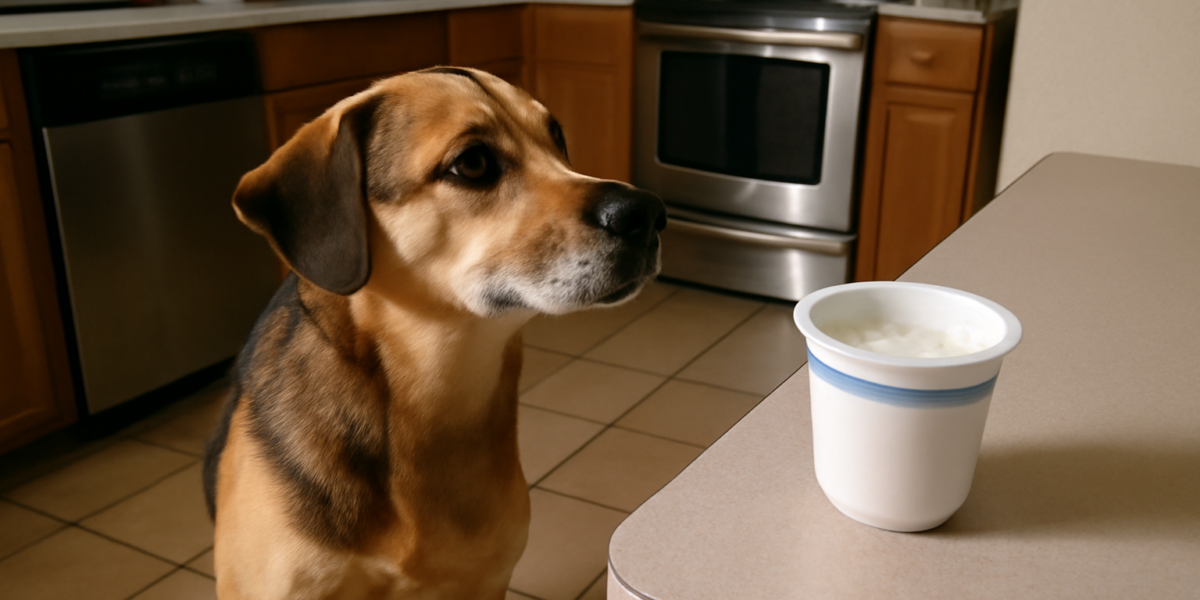
Yogurt has become a health food staple in many households, celebrated for its probiotic content, protein density, and versatility. When you are enjoying a bowl and your dog edges closer with obvious interest, you may wonder whether this fermented dairy product is safe to share. For most dogs, plain yogurt is not only safe but can actually provide some real health benefits, particularly for digestive health. However, the type of yogurt matters enormously, and not every dog’s digestive system is equipped to handle dairy products comfortably.
Quick Answer: Yes, most dogs can eat plain yogurt. Plain, unsweetened yogurt with live active cultures is safe for most dogs and provides probiotics, protein, and calcium. Avoid yogurt containing xylitol, artificial sweeteners, added sugars, or chocolate. Dogs with lactose intolerance may not tolerate yogurt well.
Is Yogurt Safe for Dogs?
Plain, unsweetened yogurt is generally safe for dogs and is endorsed by many veterinarians as a healthy treat option. The fermentation process that converts milk into yogurt breaks down a significant portion of the lactose — the milk sugar that many dogs struggle to digest — making yogurt more digestible than plain milk for most canines. The beneficial bacteria used in fermentation also survive in the finished product, providing probiotic benefits that support digestive health.
The key qualifier is “plain and unsweetened.” Many commercial yogurts contain added ingredients that are dangerous or inappropriate for dogs. The most critical hazard is xylitol, an artificial sweetener commonly found in sugar-free and reduced-calorie yogurts. Xylitol is extremely toxic to dogs — even small amounts can cause a rapid, life-threatening drop in blood sugar (hypoglycemia), and larger amounts can cause liver failure. Always read the ingredient list thoroughly before offering any yogurt to your dog.
Added sugars, while not toxic, are problematic for dogs. Sweetened yogurts can contain 15 to 25 grams of added sugar per serving, which contributes to obesity, dental decay, and blood sugar imbalances. Fruit-flavored yogurts often contain both added sugar and artificial flavors or colors that provide no nutritional benefit and may cause sensitivities in some dogs. Chocolate-flavored yogurt should never be given to dogs, as chocolate contains theobromine, which is toxic to canines.
Lactose intolerance is a consideration for some dogs. Like many adult mammals, some dogs produce insufficient amounts of lactase — the enzyme needed to break down lactose. Dogs with lactose intolerance may experience gas, bloating, diarrhea, or vomiting after consuming dairy products. The reduced lactose content in yogurt means that many mildly lactose-intolerant dogs can handle small amounts, but dogs with severe intolerance may still react. If you are uncertain about your dog’s lactose tolerance, start with a very small amount and observe closely. For specific dietary guidance based on your dog’s breed, visit our dog breeds directory.
Nutritional Profile of Yogurt
Yogurt’s nutritional value varies depending on the type, but plain, low-fat yogurt provides a well-rounded nutrient profile. A six-ounce serving of plain, low-fat yogurt typically contains approximately 100 calories, 5.5 grams of protein, 2.5 grams of fat, 12 grams of carbohydrates (primarily lactose), and about 200 milligrams of calcium.
The protein in yogurt is high-quality, easily digestible, and complete, meaning it contains all essential amino acids. The fermentation process actually enhances protein digestibility by partially breaking down the casein and whey proteins. Whey protein, in particular, is rapidly absorbed and supports muscle maintenance and immune function.
Calcium is one of yogurt’s most notable nutrients, and a single serving provides a meaningful amount. Calcium supports bone and tooth structure, muscle contraction, nerve signaling, and blood clotting in dogs. While commercial dog foods are formulated to provide adequate calcium, supplemental calcium from yogurt can benefit dogs whose diets may be marginally deficient, such as those on homemade diets that have not been properly balanced.
Phosphorus works in tandem with calcium to support skeletal health and is present in yogurt in favorable proportions. The calcium-to-phosphorus ratio in yogurt is close to the optimal range for dogs, which means these minerals can be effectively absorbed and utilized together.
B vitamins are well-represented in yogurt, including riboflavin (B2), vitamin B12, and pantothenic acid (B5). Riboflavin supports energy metabolism and cellular function. Vitamin B12 is essential for nervous system health and red blood cell formation. Pantothenic acid plays a role in hormone synthesis and energy production.
The probiotic content is perhaps yogurt’s most distinctive nutritional feature. Live active cultures — including strains like Lactobacillus acidophilus, Lactobacillus casei, Bifidobacterium, and Streptococcus thermophilus — provide beneficial bacteria that support gut health. Not all yogurts contain live cultures, so look for labels that specifically state “contains live and active cultures” to ensure your dog gets the probiotic benefit.
Benefits of Yogurt for Dogs
The health benefits of yogurt for dogs extend beyond basic nutrition, particularly in the area of digestive health.
Probiotic support for digestive health. The live beneficial bacteria in yogurt help maintain a healthy balance of gut microflora. A balanced gut microbiome supports efficient digestion, nutrient absorption, and immune function. Probiotics from yogurt can be particularly beneficial after a course of antibiotics, which can disrupt the natural gut bacterial balance. They may also help manage mild digestive issues such as occasional loose stool, gas, or irregular bowel movements.
Immune system reinforcement. Approximately 70 percent of a dog’s immune system is located in the gut, and the health of the intestinal microbiome directly influences immune function. The probiotics in yogurt support the gut-associated lymphoid tissue (GALT) and help maintain the integrity of the intestinal barrier, which prevents harmful substances and pathogens from entering the bloodstream. Regular consumption of probiotic-rich foods like yogurt can help strengthen this critical immune defense.
Bone and dental support. The calcium and phosphorus in yogurt support skeletal health throughout a dog’s life — bone development in growing puppies, bone maintenance in adult dogs, and prevention of bone density loss in senior dogs. While yogurt should not be relied upon as a primary calcium source, it can supplement the calcium provided by a complete and balanced commercial diet.
Protein supplementation. The easily digestible protein in yogurt makes it an excellent supplemental protein source for dogs recovering from illness, surgery, or injury, when the body’s protein needs are elevated. The presence of both casein and whey proteins provides sustained amino acid delivery — whey is absorbed quickly for immediate use, while casein is absorbed more slowly for extended support.
Coat and skin health. The combination of protein, B vitamins, and healthy fats in yogurt supports the production of healthy skin cells and hair follicles. Dogs with dull coats or minor skin dryness may see improvement when yogurt is included as a regular treat in their diet. The anti-inflammatory effects of probiotics may also help reduce skin-related allergic responses in some dogs. If you are looking for other foods to support your dog’s health, learn about the benefits of oatmeal for dogs.
Risks and Side Effects of Yogurt for Dogs
While yogurt is generally safe, several risks require careful attention.
Xylitol poisoning. This is the most dangerous risk associated with yogurt and dogs. Xylitol (also labeled as birch sugar or birch sap) is found in many sugar-free and “light” yogurt products. In dogs, xylitol triggers a rapid release of insulin, causing blood sugar to plummet to dangerous levels within 10 to 60 minutes of ingestion. Symptoms include vomiting, weakness, staggering, collapse, and seizures. Larger doses can cause acute liver failure within 24 to 72 hours. Xylitol toxicity is a medical emergency requiring immediate veterinary treatment. Always check every ingredient on the label before sharing yogurt with your dog.
Lactose intolerance. Many adult dogs are lactose intolerant to varying degrees. While yogurt’s fermentation process reduces lactose content by 20 to 30 percent compared to milk, it still contains enough lactose to cause problems in sensitive dogs. Symptoms of lactose intolerance include gas, bloating, abdominal cramping, loose stool, and diarrhea. These symptoms typically appear within a few hours of consumption. If your dog consistently shows digestive discomfort after eating yogurt, they may be lactose intolerant and should avoid dairy products.
Weight gain from full-fat varieties. Full-fat yogurt, while nutritionally rich, contains more calories and saturated fat than low-fat or non-fat options. For dogs already at a healthy weight, occasional full-fat yogurt is fine. But for overweight dogs or those prone to pancreatitis, the additional fat can be problematic. A cup of full-fat yogurt contains approximately 150 calories and 8 grams of fat — a significant contribution to a small dog’s daily caloric intake.
Added sugars and artificial ingredients. Sweetened yogurts can contain substantial amounts of added sugar, high-fructose corn syrup, artificial colors, and artificial flavors. These ingredients contribute to obesity, dental problems, and potential sensitivities. Even fruit-on-the-bottom yogurts typically contain more sugar than whole fruit, as the fruit is often preserved in syrup.
Dairy allergy. Some dogs are allergic to the proteins in dairy products — casein and whey — rather than being intolerant to lactose. Dairy allergy symptoms include itching, hives, facial swelling, ear infections, and gastrointestinal upset. Unlike lactose intolerance, which is a digestive issue, dairy allergy involves an immune response and tends to worsen with repeated exposure. If your dog shows signs of allergy after eating yogurt, discontinue all dairy products and consult your veterinarian.
Best Types of Yogurt for Dogs
Not all yogurts are created equal when it comes to canine suitability. Here is a guide to choosing the best options.
Plain, non-fat or low-fat Greek yogurt is the top recommendation for dogs. Greek yogurt is strained to remove excess whey, resulting in higher protein content and lower lactose levels compared to regular yogurt. A six-ounce serving of plain, non-fat Greek yogurt typically contains 15 to 18 grams of protein and about 100 calories. The thicker consistency is also appealing to many dogs and works well as a topping, stuffing for puzzle toys, or frozen treat base.
Plain regular yogurt with live cultures is a solid choice for dogs who tolerate dairy well. It has slightly less protein and more lactose than Greek yogurt but is generally well-tolerated in small amounts. Ensure the label states “contains live and active cultures” to guarantee probiotic content.
Goat milk yogurt may be better tolerated by dogs with mild cow’s milk sensitivity, as goat milk proteins are structured differently and may cause less immune reactivity. Goat milk yogurt also naturally contains slightly less lactose than cow’s milk yogurt.
Yogurts to avoid include any variety containing xylitol or artificial sweeteners, chocolate-flavored yogurt, yogurts with candy or cookie mix-ins, heavily sweetened fruit yogurts, and frozen yogurt (which often contains more sugar and less probiotic activity than refrigerated yogurt).
How to Serve Yogurt to Your Dog
Yogurt can be served in several ways, all of which dogs tend to enjoy.
As a standalone treat. Offer a spoonful of plain yogurt directly from the container. For small dogs, one to two teaspoons is appropriate. Medium dogs can have one to two tablespoons, and large dogs can enjoy two to three tablespoons. Start with a smaller amount to assess tolerance.
As a food topper. A small dollop of plain yogurt mixed into your dog’s regular kibble can make mealtime more exciting and provide probiotic benefits. This is particularly useful for picky eaters or dogs recovering from illness who may need encouragement to eat. The moisture from yogurt also helps hydrate kibble-fed dogs.
Frozen yogurt treats. Spread plain yogurt into silicone molds or ice cube trays and freeze for a cooling summer treat. You can also stuff a Kong toy with yogurt and freeze it for an enriching activity that keeps dogs occupied. For added nutrition and variety, mix in small pieces of dog-safe fruits like blueberries before freezing. Explore whether pineapple is a good addition to frozen yogurt treats.
Mixed with other safe foods. Yogurt pairs well with many dog-safe foods. Mix it with mashed banana, pumpkin puree, or finely diced cooked sweet potato for a more substantial treat. These combinations are popular for lick mats — textured mats that encourage slow licking, which can help reduce anxiety and provide mental stimulation.
Frequently Asked Questions
Can puppies eat yogurt?
Puppies over 8 weeks old who are fully weaned can have small amounts of plain yogurt. Start with half a teaspoon and observe for any digestive upset over 24 hours. Puppies are generally better at digesting lactose than adult dogs because they still produce higher levels of lactase from nursing. However, their smaller size means portions must be very conservative. The probiotics in yogurt can be particularly beneficial for puppies transitioning to solid food, as this dietary change can sometimes cause mild digestive disturbances.
Is Greek yogurt better than regular yogurt for dogs?
Greek yogurt is generally the preferred choice for dogs because of its higher protein content and lower lactose levels. The straining process removes much of the whey — and with it, a significant portion of the lactose — making Greek yogurt easier to digest for dogs with mild lactose sensitivity. Greek yogurt also has a thicker consistency that works well for stuffing toys and creating frozen treats. The main trade-off is that Greek yogurt is lower in calcium than regular yogurt, since some calcium is lost in the whey during straining. Both types are safe when plain and unsweetened.
How much yogurt can I give my dog daily?
The appropriate daily amount depends on your dog’s size and tolerance. For small dogs (under 20 pounds), one to two teaspoons is sufficient. Medium dogs (20 to 50 pounds) can have one to two tablespoons. Large dogs (over 50 pounds) can handle two to three tablespoons. These are daily maximums, not minimums — less is perfectly fine, and yogurt does not need to be given every day. As with all treats, yogurt should represent no more than 10 percent of your dog’s daily caloric intake. If your dog shows any signs of digestive discomfort, reduce the amount or discontinue.
Can lactose-intolerant dogs eat yogurt?
Dogs with mild lactose intolerance may tolerate small amounts of yogurt, particularly Greek yogurt, which has lower lactose content. The beneficial bacteria in yogurt actually help break down lactose during digestion, which is why many mildly intolerant dogs can handle yogurt even when they react to milk. However, dogs with severe lactose intolerance should avoid yogurt entirely. If you want to provide probiotic benefits without dairy, consider probiotic supplements specifically formulated for dogs, or explore non-dairy fermented foods that your veterinarian recommends.
What should I do if my dog ate yogurt containing xylitol?
This is a medical emergency. Contact your veterinarian or an emergency animal poison control hotline immediately, even if your dog is not yet showing symptoms. Xylitol toxicity can manifest within 10 to 60 minutes of ingestion. Symptoms include vomiting, weakness, loss of coordination, staggering, collapse, and seizures. Do not wait for symptoms to appear before seeking help — early intervention significantly improves outcomes. If possible, bring the yogurt container with you to the veterinarian so they can determine the exact amount of xylitol your dog consumed and calculate appropriate treatment.
Can I use yogurt to help my dog’s upset stomach?
Plain yogurt with live active cultures can sometimes help settle a mild upset stomach in dogs, thanks to its probiotic content. The beneficial bacteria can help restore gut microflora balance and support digestive recovery. However, yogurt should not be used for severe or persistent gastrointestinal symptoms, as these may indicate a condition requiring veterinary treatment. If your dog is vomiting, has bloody diarrhea, or has been experiencing digestive issues for more than 24 hours, consult your veterinarian rather than attempting home remedies. Also consider that dairy may worsen symptoms in some dogs, particularly those with dairy sensitivities.


