
Last updated: April 8, 2026
In this article
Can Dogs Eat Frozen Yogurt? Safety Guide and Tips
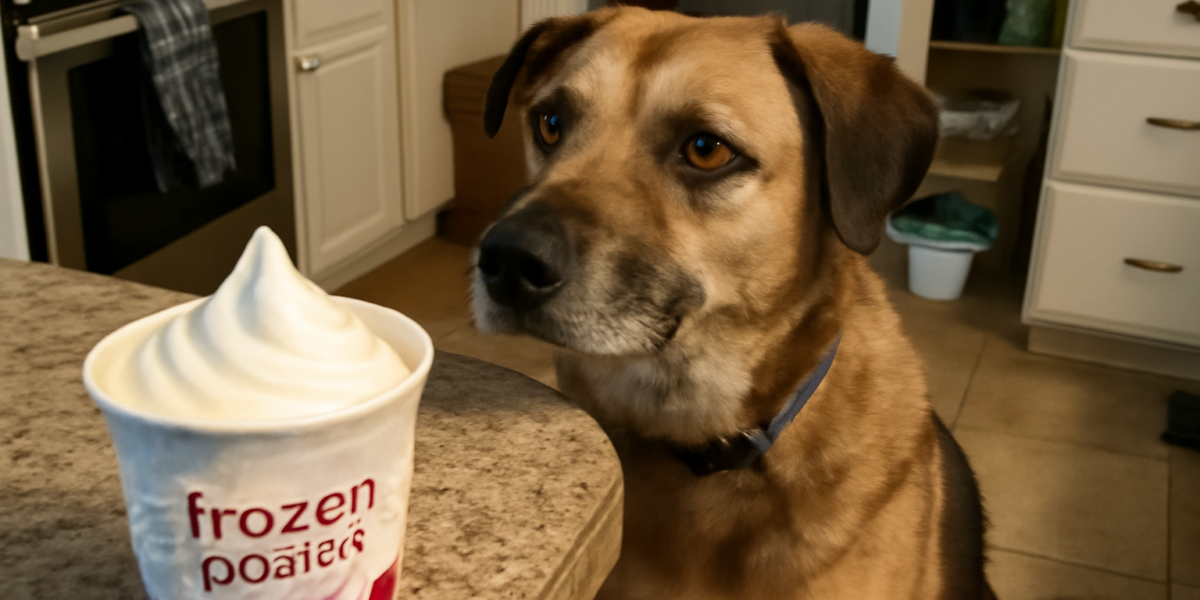
On a warm day, frozen yogurt can be a refreshing treat that your dog eyes with great interest. This popular frozen dessert is often marketed as a healthier alternative to ice cream, and many pet owners wonder if they can share a spoonful with their canine companion. The answer, as with many human foods, is complicated.
While plain yogurt in small amounts can be beneficial for some dogs, the leap from plain yogurt to commercial frozen yogurt introduces several concerns. Added sugars, artificial sweeteners, flavorings, and toppings can turn a potentially harmless dairy product into something that is problematic or even dangerous for your pet. Let us explore the nuances so you can make an informed decision.
Quick Answer: Can Dogs Eat Frozen Yogurt?
In very small amounts, plain unsweetened frozen yogurt is unlikely to harm most healthy dogs. However, most commercial frozen yogurt products are not recommended for dogs due to their high sugar content, artificial ingredients, and potential inclusion of xylitol — an artificial sweetener that is extremely toxic to dogs. The safest approach is to make a simple homemade version using plain yogurt.
An important consideration is that many dogs are lactose intolerant to some degree. While yogurt contains less lactose than milk due to the fermentation process, frozen yogurt still contains enough dairy to cause digestive upset in sensitive dogs. Signs of lactose intolerance include gas, bloating, diarrhea, and stomach discomfort.
If you want to give your dog a frozen yogurt treat, the safest option is to freeze small amounts of plain, unsweetened yogurt at home — ideally a variety that contains live active cultures and no added sugars or sweeteners. This gives you complete control over the ingredients and eliminates the risk of hidden harmful additives.
Nutritional Profile of Frozen Yogurt
The nutritional content of frozen yogurt varies enormously depending on the brand, flavor, and preparation method. Here is an approximate breakdown for a typical 100-gram serving of commercial vanilla frozen yogurt.
- Calories: Approximately 120 to 160 calories per 100g
- Fat: About 3 to 5 grams per 100g, though this varies widely between regular and low-fat varieties
- Sugar: Roughly 17 to 24 grams per 100g — this is the primary concern for dogs
- Protein: About 3 to 4 grams per 100g from the dairy content
- Calcium: Moderate amounts from the yogurt base, supporting bone health
- Probiotics: Some frozen yogurts retain live active cultures that can support gut health, though many commercial varieties lose these during processing
- Lactose: Lower than milk but still present, which can be problematic for lactose-intolerant dogs
- Artificial Ingredients: Many commercial products contain artificial flavors, colors, stabilizers, and emulsifiers
The sugar content is the most concerning nutritional aspect for dogs. A small serving of commercial frozen yogurt can contain more sugar than a dog should consume in an entire day. By comparison, plain unsweetened yogurt contains only about 4 to 5 grams of naturally occurring lactose sugar per 100 grams, making it a far better starting point for a dog treat.
Benefits and Risks of Frozen Yogurt for Dogs
Benefits
- Probiotic Potential: If the frozen yogurt contains live active cultures, it can provide beneficial bacteria that support digestive health and gut flora balance. However, many commercial frozen yogurts do not retain viable probiotics after the freezing process.
- Calcium Source: The dairy base provides calcium, which supports bone and teeth health in dogs. However, dogs on a complete and balanced diet are already getting adequate calcium.
- Cooling Treat: On hot days, a small amount of frozen yogurt can help cool your dog down and provide hydration. The frozen texture can also be soothing for teething puppies.
- Protein Content: The dairy protein in frozen yogurt contributes to muscle maintenance and overall nutrition, though the amount in a small treat portion is minimal.
- Mental Enrichment: Licking a frozen treat can provide mental stimulation and stress relief for dogs, especially when served in a puzzle toy or lick mat.
Risks
- Xylitol Toxicity: Some sugar-free or low-sugar frozen yogurts contain xylitol, an artificial sweetener that is profoundly toxic to dogs. Even small amounts can cause a rapid, dangerous drop in blood sugar and can lead to liver failure and death. Always check ingredient labels thoroughly.
- Excessive Sugar: Commercial frozen yogurt typically contains very high levels of added sugar, which can contribute to obesity, dental problems, diabetes, and other health issues in dogs over time.
- Lactose Intolerance: Many adult dogs lack sufficient lactase enzyme to digest lactose properly. Consuming dairy products like frozen yogurt can cause gas, bloating, diarrhea, cramping, and general digestive discomfort.
- Chocolate and Toxic Toppings: Chocolate-flavored frozen yogurt and toppings like chocolate chips, raisins, macadamia nuts, or coffee are toxic to dogs. Even “mix-in” flavors can contain dangerous ingredients.
- Artificial Ingredients: Many frozen yogurt products contain artificial colors, flavors, and preservatives that offer no benefit to dogs and may cause adverse reactions in sensitive animals.
- Weight Gain: The caloric density of frozen yogurt, combined with the sugar and fat content, can contribute to unhealthy weight gain when fed regularly, even in small amounts.
How to Serve Frozen Yogurt Safely to Your Dog
The safest way to offer your dog a frozen yogurt experience is to make it at home with simple, dog-safe ingredients. This ensures you know exactly what your pet is consuming and eliminates the risk of hidden harmful additives.
To make a simple dog-safe frozen yogurt, start with plain, unsweetened yogurt that contains live active cultures. Greek yogurt is a good choice because it is lower in lactose and higher in protein. Spoon small portions into an ice cube tray or silicone mold and freeze for several hours. You can add dog-safe mix-ins like mashed banana, pureed pumpkin, or blueberries for extra flavor and nutrition.
If you choose to give your dog a small amount of commercial frozen yogurt, select the plainest variety available, check the ingredients carefully for xylitol and other artificial sweeteners, and keep the portion extremely small.
Portion guidelines by dog size:
- Small dogs (under 20 lbs): No more than 1 to 2 tablespoons of plain frozen yogurt, offered occasionally as a special treat
- Medium dogs (20-50 lbs): Up to 2 to 3 tablespoons occasionally
- Large dogs (over 50 lbs): Up to a quarter cup occasionally
Start with a very small amount to gauge your dog’s tolerance, especially if they have never had dairy products before. If your dog shows any signs of digestive upset, discontinue dairy treats altogether.
Signs of Problems After Eating Frozen Yogurt
After your dog eats frozen yogurt, watch for signs of digestive upset or, in the case of xylitol exposure, more serious toxic reactions. The type and severity of symptoms will depend on the amount consumed, the specific product, and your dog’s individual sensitivity.
Lactose intolerance symptoms typically appear within a few hours and include gas, bloating, gurgling stomach sounds, soft stools or diarrhea, and possible vomiting. These symptoms are uncomfortable but generally not dangerous and should resolve within 24 hours. Withhold dairy products in the future if your dog shows these reactions.
Sugar overload symptoms may include hyperactivity followed by lethargy, diarrhea, and in dogs with diabetes or prediabetes, potentially dangerous blood sugar fluctuations. If your dog has diabetes, even a small amount of sugary frozen yogurt can be problematic.
Xylitol poisoning is the most dangerous scenario and can occur within 10 to 60 minutes of ingestion. Symptoms include vomiting, loss of coordination, stumbling, weakness, tremors, seizures, and collapse. Xylitol toxicity is a life-threatening emergency that requires immediate veterinary intervention. If you suspect your dog has consumed xylitol in any amount, call your veterinarian or an emergency animal poison hotline immediately — do not wait for symptoms to appear.
If your dog consumed frozen yogurt with chocolate, watch for restlessness, rapid breathing, vomiting, diarrhea, excessive urination, muscle tremors, and seizures. Chocolate toxicity severity depends on the type and amount of chocolate consumed relative to your dog’s body weight.
Healthy Alternatives to Frozen Yogurt
There are many wonderful frozen treats you can make for your dog that are healthier, safer, and just as enjoyable as frozen yogurt. These alternatives avoid the pitfalls of excessive sugar, dairy, and artificial ingredients.
- Frozen banana bites: Slice bananas and freeze them for a naturally sweet, creamy treat that is dairy-free and rich in potassium. Most dogs love the texture and taste.
- Frozen watermelon cubes: Remove seeds, cut seedless watermelon into cubes, and freeze for a hydrating, low-calorie warm-weather treat that dogs enjoy.
- Pumpkin ice cubes: Mix plain canned pumpkin with a little water, pour into ice cube trays, and freeze. Pumpkin is gentle on digestion and rich in fiber and vitamins.
- Frozen blueberries: Simply freeze fresh blueberries for a ready-made treat that is packed with antioxidants and vitamins. Their small size makes them perfect for dogs of all sizes.
- Frozen bone broth: Pour low-sodium, onion-free and garlic-free bone broth into ice cube trays and freeze. This savory treat provides hydration, collagen, and minerals that dogs love.
- Goat milk ice cubes: Goat milk is naturally lower in lactose than cow’s milk and is often better tolerated by dogs. Freeze small portions for a probiotic-rich frozen treat.
Want to treat a special dog to homemade frozen treats and a loving home? Visit our adoption page to find your perfect four-legged companion.
Frequently Asked Questions
Can dogs eat sugar-free frozen yogurt?
Sugar-free frozen yogurt is actually more dangerous than regular frozen yogurt for dogs because it often contains xylitol or other artificial sweeteners. Xylitol is extremely toxic to dogs and can cause life-threatening hypoglycemia and liver failure. Always read ingredient labels carefully, and when in doubt, avoid sugar-free products entirely.
Is frozen yogurt better than ice cream for dogs?
Frozen yogurt is slightly better than ice cream for dogs because it typically contains less fat and may include beneficial probiotics. However, both products contain too much sugar and dairy for dogs and neither is recommended as a regular treat. If you must choose between the two, a tiny amount of plain frozen yogurt is the lesser concern, but homemade frozen treats are always the best option.
Can puppies eat frozen yogurt?
Puppies should generally not be given frozen yogurt. Their digestive systems are even more sensitive than adult dogs, and the sugar, dairy, and artificial ingredients can easily cause digestive upset. If you want to give a puppy a frozen treat, freeze small amounts of plain pumpkin puree or mashed banana instead.
How do I know if my dog is lactose intolerant?
You can test your dog’s lactose tolerance by offering a very small amount of plain yogurt — about a teaspoon for small dogs or a tablespoon for larger dogs — and watching for symptoms over the next 12 to 24 hours. Signs of lactose intolerance include gas, bloating, diarrhea, stomach gurgling, and vomiting. If your dog shows any of these signs, they are likely lactose intolerant and should avoid dairy products.
Can I give my dog frozen yogurt from a frozen yogurt shop?
Frozen yogurt shop products are not recommended for dogs. These tend to be very high in sugar, contain artificial flavors and colors, and the available toppings often include chocolate, nuts, candy, and other items that are harmful to dogs. The risk of accidentally including a toxic ingredient is simply too high. Stick to homemade frozen treats where you control every ingredient.
What brands of frozen yogurt are safe for dogs?
Rather than looking for a human frozen yogurt brand that is safe for dogs, consider purchasing frozen yogurt products specifically formulated for dogs. Several pet food companies make frozen treats designed for canine consumption, using dog-safe ingredients in appropriate proportions. These are available at many pet stores and are a much safer option than sharing human frozen yogurt.
While a tiny taste of plain frozen yogurt is unlikely to harm most dogs, the commercial varieties available in stores and shops carry too many risks to be recommended. Making simple frozen treats at home gives your dog the same cooling, delicious experience without the sugar, artificial ingredients, and dairy concerns. If you are looking for a furry friend to share frozen treat time with on warm afternoons, check out the lovable dogs on our adoption page.


