
Last updated: March 31, 2026
In this article
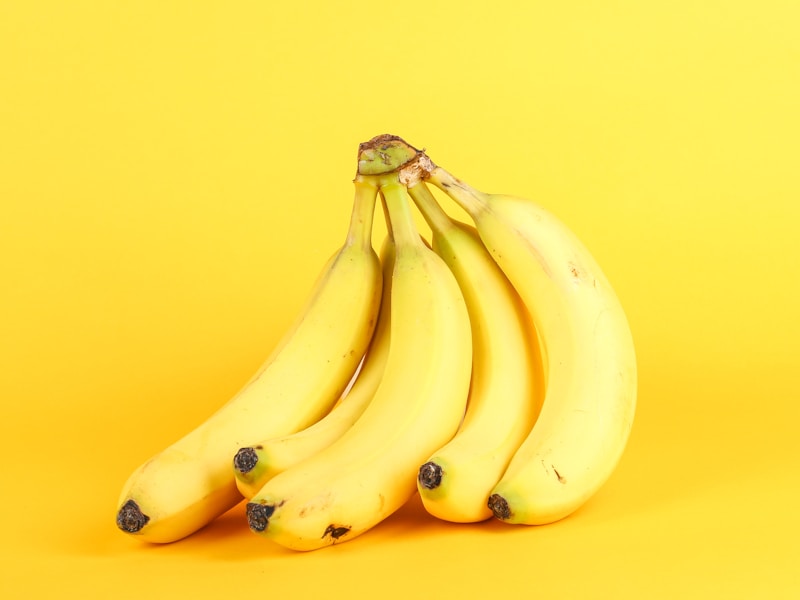
You peel a banana, break off a small piece, and your dog is already at your feet. It is a familiar scene, and the question that follows is a reasonable one: can dogs eat bananas, or is this one of those fruits that looks harmless but belongs on the avoid list? The short answer is encouraging, though there are a few things worth knowing before you start sharing your bunch.
Quick Answer: Yes, dogs can eat bananas — in moderation. Bananas are safe and non-toxic for dogs. They offer real nutritional value, but their natural sugar content means portions need to stay small and infrequent.
Are Bananas Safe for Dogs?
Yes, bananas are safe for dogs. They are not on any veterinary toxicity list, and the American Kennel Club includes them among the fruits that dogs can eat. The flesh of a ripe banana contains no compounds known to harm a dog’s kidneys, liver, red blood cells, or nervous system — which puts them in a very different category from grapes, raisins, or certain citrus fruits.
The caveat, and it is an important one, is the word “moderation.” Bananas are notably higher in sugar than many other dog-safe fruits. That natural sugar is not inherently dangerous, but it does mean that large or frequent servings can contribute to weight gain, blood sugar fluctuations, and digestive upset over time. Dogs with diabetes, obesity, or kidney disease should only have bananas with a veterinarian’s approval. For a healthy dog with no underlying conditions, though, a small piece of banana now and then is a perfectly fine treat. For more guidance on what dogs can and cannot eat, visit our dog care blog.
Nutritional Benefits of Bananas for Dogs
Bananas bring a useful range of nutrients to the table, which is part of why so many dog owners reach for them as a natural treat alternative to processed biscuits.
Potassium is the nutrient bananas are most famous for, and it matters for dogs as much as it does for people. Potassium supports healthy heart and muscle function, aids nerve signaling, and helps maintain proper fluid balance in the body. Vitamin B6 plays a role in protein metabolism, red blood cell production, and immune function — all important for an active dog. Vitamin C is an antioxidant that supports immune defense and collagen synthesis. Bananas also provide magnesium, which supports bone development and helps the body absorb other vitamins and minerals efficiently, and dietary fiber, which can support healthy digestion in moderate amounts. For a dog with occasional constipation or loose stools, a small piece of banana may help regulate things, though it is not a substitute for veterinary advice.
Risks and Side Effects
Can dogs eat bananas without any downsides? For most healthy dogs, the risks are manageable — but they are worth understanding before you make bananas a regular feature of your dog’s diet.
High sugar content. A medium banana contains roughly 14 grams of natural sugar. For a dog, that is a significant amount relative to their size and daily caloric needs. Regular servings of banana can contribute to weight gain and, over time, may increase the risk of insulin resistance in dogs already prone to metabolic issues. Treat bananas as an occasional reward rather than a daily snack.
Digestive upset. The fiber in bananas is beneficial in small doses, but too much at once can cause constipation or, conversely, loose stools, depending on the individual dog. Start with a very small piece and observe how your dog’s digestive system responds before offering more.
The peel. Banana peels are not toxic to dogs, but they are difficult to digest. The tough, fibrous skin can cause gastrointestinal blockage, especially in smaller breeds, and may trigger vomiting. Always remove the peel completely before offering banana to your dog.
How Many Bananas Can a Dog Eat?
The ten percent rule applies here as it does with all dog treats: treats should make up no more than ten percent of a dog’s daily caloric intake. Given bananas’ higher sugar content, most veterinarians recommend staying toward the lower end of that allowance.
- Small dogs (under 20 lbs): 2–3 small pieces (about 1 inch each), a few times per week at most
- Medium dogs (20–50 lbs): half a banana, a few times per week
- Large dogs (50 lbs and over): up to one full banana occasionally, but not every day
These are general guidelines, not prescriptions. Your dog’s overall diet, health status, and activity level all affect the right amount for them. When in doubt, offer less and check with your vet if you have any concerns.
How to Serve Bananas to Dogs
Keeping things simple is almost always the right approach. Here are several safe, practical ways to offer banana to your dog.
Fresh slices. Peel the banana, slice it into pieces appropriate for your dog’s size, and offer them one at a time as a treat. This is the most straightforward method and requires no preparation beyond removing the peel.
Frozen pieces. Slice a banana and freeze the pieces on a tray before transferring them to a container. Frozen banana is firmer, takes longer to eat, and is especially popular as a warm-weather treat. It also keeps ripe bananas from going to waste. Allow the pieces to thaw slightly for very small dogs or dogs with dental sensitivities.
Mashed into food. A small spoonful of plain mashed banana stirred into your dog’s regular food adds flavor and nutrition without overloading them on portions. This works particularly well for picky eaters or dogs recovering from illness who need encouragement to eat.
Stuffed into a toy. Mashed banana stuffs easily into a rubber chew toy or lick mat and can be frozen for a longer-lasting activity. Combine it with a small amount of xylitol-free peanut butter or plain Greek yogurt for variety. Always check ingredient labels to confirm no xylitol is present — it is toxic to dogs.
What to avoid: banana chips (often fried and high in added sugar or salt), banana bread, banana-flavored yogurt with sweeteners, and any processed product made for human consumption. Stick to plain, fresh fruit.
What If My Dog Ate a Banana Peel?
If your dog got into a banana peel, there is no need to panic — peels are not toxic. The more immediate concern is digestion. Banana peels are dense and fibrous, and a dog’s digestive system is not well-equipped to break them down. In small dogs especially, a swallowed peel can cause a gastrointestinal blockage, which is a serious condition requiring veterinary attention.
Watch for signs of trouble over the next 12 to 24 hours: vomiting, straining to defecate, loss of appetite, lethargy, or a visibly distended abdomen. If your dog shows any of these symptoms, contact your veterinarian promptly. A single small piece of peel in a large dog is unlikely to cause more than mild digestive discomfort, but if you are uncertain or your dog is small, a call to the vet is always the right move.
Frequently Asked Questions
Can dogs eat bananas every day?
It is better to offer bananas a few times per week rather than every day. The natural sugar content, while not harmful in small amounts, can add up quickly if banana becomes a daily treat. Rotating between different dog-safe fruits — such as blueberries, watermelon, or apple slices — gives your dog more variety in nutrients and keeps any single food from contributing too much sugar or fiber to their diet on a daily basis.
Can puppies eat bananas?
Yes, puppies can eat bananas, but portions should be smaller than those appropriate for adult dogs, and introduction should be gradual. A puppy’s digestive system is still developing, and any new food has the potential to cause temporary upset. Start with a very small piece, watch for any signs of reaction over the following 24 hours, and increase slowly from there if everything goes well.
Are bananas good for dogs with upset stomachs?
A small amount of plain mashed banana is sometimes recommended as part of a bland diet for dogs recovering from mild gastrointestinal upset, thanks to the soluble fiber and gentle nutritional profile. However, bananas are not a treatment for digestive illness and should not replace veterinary care. If your dog has persistent vomiting, diarrhea, or other gastrointestinal symptoms, consult your vet before introducing any new food, including banana.
Can dogs eat banana peels?
Banana peels are not toxic to dogs, but they are not safe to feed intentionally. The peel is tough, fibrous, and very difficult for dogs to digest. Eating a peel can cause vomiting, constipation, or in the worst case a gastrointestinal blockage — particularly in smaller breeds. Always remove the peel completely before serving banana to your dog, and dispose of peels where your dog cannot reach them.


