
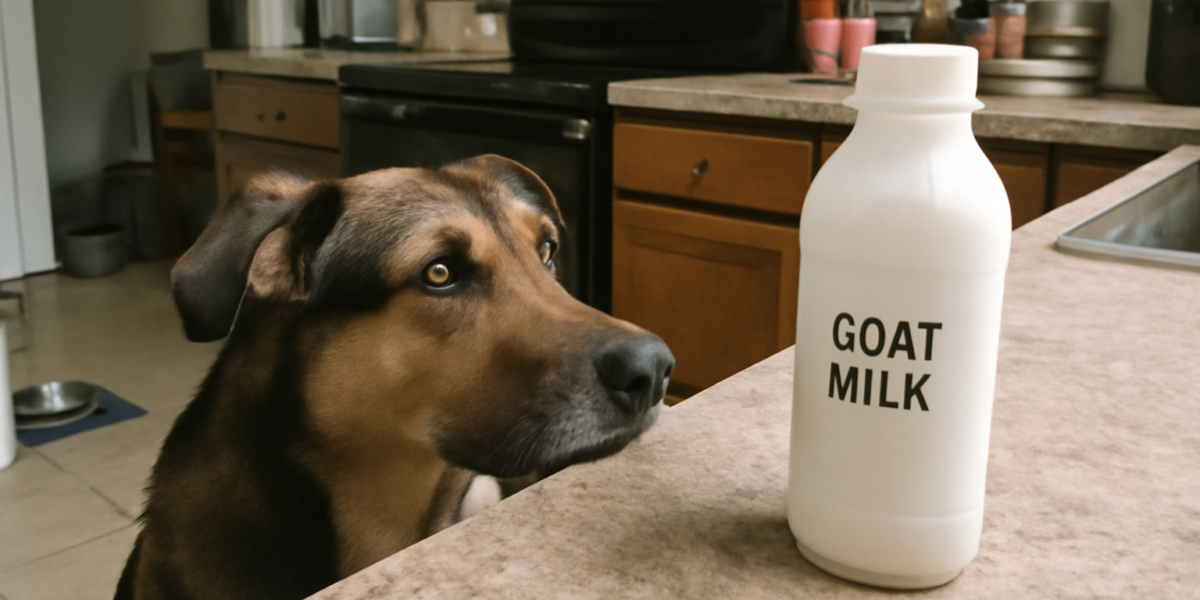
Can Dogs Eat Goat Milk?
When it comes to feeding your dog goat milk, the short answer is yes, dogs can consume goat milk. However, it’s crucial to consider several factors before adding it to your dog’s diet. Goat milk is often touted as a healthier alternative to cow’s milk, but it is not without potential drawbacks. Let’s delve into whether goat milk is safe and beneficial for your canine friend.
In this article
Is Goat Milk Safe for Dogs?
Goat milk is generally safe for dogs in moderation. Unlike cow’s milk, goat milk contains smaller fat globules, making it easier to digest for some dogs. It also has less lactose, which can be beneficial for dogs that are lactose intolerant. However, while goat milk is easier on the stomach, it is still important to introduce it slowly to ensure your dog tolerates it well.
If you are considering goat milk as a regular part of your dog’s diet, it’s best to consult with your veterinarian. They can provide personalized advice based on your dog’s specific health needs and dietary requirements.
Nutritional Benefits
Goat milk is rich in essential nutrients that can be beneficial for dogs. It contains vitamins like A, D, and B-complex, which support overall health. Additionally, goat milk has a good balance of calcium and phosphorous, promoting strong bones and teeth. It also contains probiotics, which can aid in digestion and support a healthy gut microbiome.
Feeding goat milk to dogs can also offer them healthy fats and amino acids, which are vital for maintaining good skin and coat health. These nutrients play a role in reducing inflammation and supporting immune system function. For more information on canine nutrition, check out our article on can dogs eat yogurt.
Risks and Side Effects
While goat milk has benefits, it is important to be aware of potential risks and side effects. Some dogs may still experience digestive upset, including diarrhea and gas, due to its lactose content. Dogs with preexisting conditions such as pancreatitis or allergies should avoid goat milk, as it may exacerbate these issues.
Always monitor your dog after introducing goat milk to their diet. If you notice any adverse reactions, discontinue use and consult your veterinarian. For more information on allergic reactions in dogs, read our article on can dogs eat cheese.
How to Serve Goat Milk to Your Dog
When serving goat milk to your dog, it’s best to use it as a supplement rather than a primary food source. You can mix a small amount into their regular food or offer it as a treat. Ensure the goat milk is fresh and preferably pasteurized to avoid any harmful bacteria.
Some pet owners opt to make goat milk ice cubes or frozen treats, especially during warmer months. This can be a refreshing way to incorporate goat milk into your dog’s diet. Additionally, there are commercially available goat milk products formulated specifically for dogs, which can be a convenient option.
How Much Is Safe?
Determining the appropriate amount of goat milk for your dog depends on their size, age, and overall health. As a general guideline, small dogs should only have a few tablespoons, while larger dogs can handle up to half a cup. It’s vital to adjust the portion size based on how your dog responds.
Remember, goat milk should not replace your dog’s regular water intake. Always provide plenty of fresh water to keep them hydrated. For more tips on hydration and feeding, visit our guide on can dogs eat ice cream.
Signs of an Adverse Reaction
After introducing goat milk, keep an eye out for signs of an adverse reaction. These can include stomach upset, diarrhea, vomiting, and increased flatulence. In some cases, dogs may develop itchy skin or other allergic symptoms.
If you observe any of these signs, discontinue goat milk and consult your veterinarian. They can help determine if goat milk is suitable for your dog or if an alternative dietary solution is needed.
Frequently Asked Questions
Is goat milk better than cow milk for dogs?
Goat milk is often easier to digest and contains less lactose than cow milk. It can be a better option for dogs with mild lactose intolerance, but always introduce it gradually and monitor your dog’s reaction.
Can puppies drink goat milk?
Puppies can drink goat milk in small amounts, but it should not replace their mother’s milk or a puppy-specific formula. Goat milk lacks some of the essential nutrients puppies need during their growth phase.
How often can I give my dog goat milk?
Goat milk should be given as an occasional treat rather than a staple in your dog’s diet. Offering it once or twice a week is typically sufficient, but always adjust based on your dog’s needs and tolerance.
Can dogs with lactose intolerance have goat milk?
Some dogs with lactose intolerance may tolerate goat milk better than cow milk due to its lower lactose content. However, it is still possible for it to cause symptoms in sensitive dogs, so proceed with caution and consult your vet.


