
Last updated: March 26, 2026
In this article
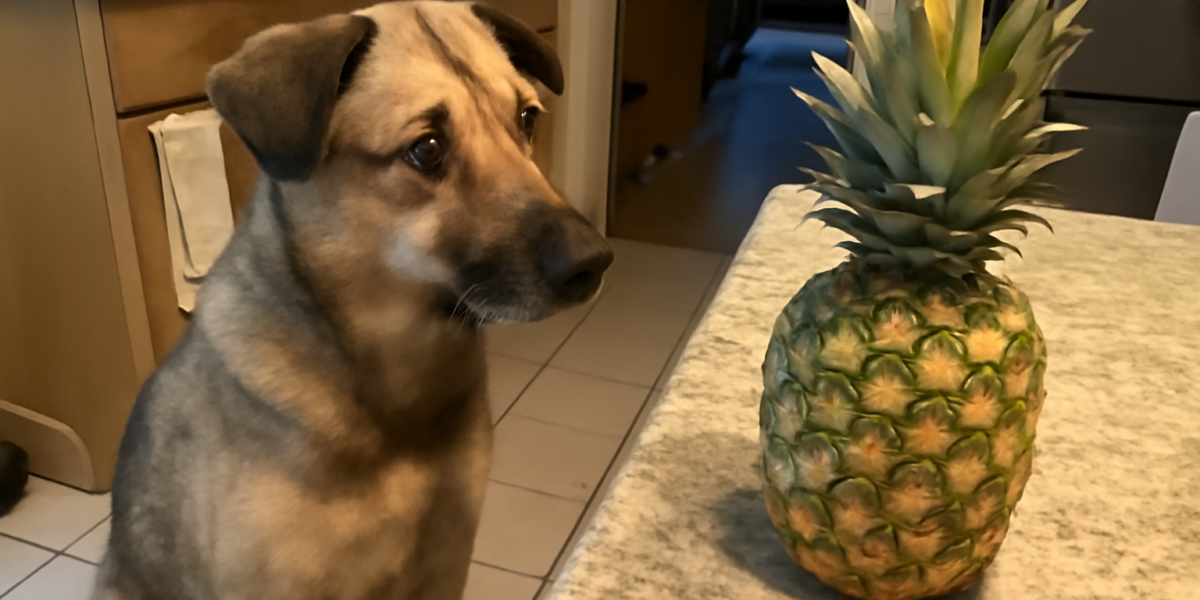
Pineapple is one of those tropical fruits that seems almost too good to be true for humans — sweet, juicy, loaded with vitamins, and containing a unique enzyme that aids digestion. When your dog watches you cut into a fresh pineapple with laser-focused attention, it is natural to wonder whether this vibrant fruit is safe to share. The good news is that pineapple, when prepared correctly and served in moderation, is a perfectly safe and even beneficial treat for most dogs.
Quick Answer: Yes, dogs can eat fresh pineapple in moderation. The soft, fleshy part of pineapple is safe and nutritious for dogs, providing vitamin C, manganese, and the digestive enzyme bromelain. Remove the skin, leaves, and hard core before serving, and keep portions small due to the high sugar content.
Is Pineapple Safe for Dogs?
Fresh pineapple flesh is safe for dogs. It contains no compounds that are toxic to canines, and it is widely recognized by veterinarians as an acceptable occasional treat. The fruit’s natural enzymes, vitamins, and minerals can offer genuine health benefits when incorporated into a dog’s diet thoughtfully and in appropriate quantities.
However, not all parts of the pineapple are created equal when it comes to canine safety. The tough outer skin is covered in sharp, spiny eyes and is far too tough and fibrous for a dog to digest. Eating pineapple skin can cause choking, oral injuries, and intestinal obstruction. The spiky crown of leaves presents similar risks — the leaves are sharp, fibrous, and completely indigestible. The hard central core of the pineapple, while technically edible, is dense and difficult for dogs to chew and digest properly, posing a choking and obstruction risk, particularly for smaller breeds.
Only the soft, juicy flesh of the pineapple should be offered to dogs, cut into small, manageable pieces appropriate for the dog’s size. The flesh should be fresh rather than canned, as canned pineapple typically sits in heavy syrup that contains excessive sugar — far more than the already-sweet fresh fruit.
The sugar content of even fresh pineapple is worth noting. A cup of pineapple chunks contains roughly 16 grams of natural sugar, which is higher than many other fruits. While natural fruit sugars are not inherently harmful to dogs in small amounts, excessive sugar intake contributes to obesity, dental decay, and can exacerbate conditions like diabetes and pancreatitis. This makes portion control essential when feeding pineapple to dogs. For more about safe foods for dogs, visit our dog breeds directory.
Nutritional Profile of Pineapple
Pineapple packs a surprising amount of nutrition into its sweet, tropical flesh. A one-cup serving of fresh pineapple chunks contains approximately 82 calories, 21.6 grams of carbohydrates (including 16.3 grams of sugar), 2.3 grams of fiber, 0.9 grams of protein, and 0.2 grams of fat.
The standout nutrient in pineapple is vitamin C. A single cup provides about 131 percent of the human daily value, making pineapple one of the richest fruit sources of this essential antioxidant vitamin. While dogs can synthesize their own vitamin C — unlike humans — supplemental vitamin C from dietary sources can be beneficial during periods of stress, illness, or intense physical activity when a dog’s own production may not keep pace with demand.
Manganese is another mineral where pineapple truly excels. One cup provides about 76 percent of the human daily value of manganese, a trace mineral that is critical for bone development, wound healing, and metabolic function. Manganese acts as a cofactor for several important enzymes, including superoxide dismutase, a powerful antioxidant enzyme that protects cells from oxidative damage.
Pineapple also provides thiamine (vitamin B1), which is essential for energy metabolism and nervous system function; vitamin B6, which supports brain function and red blood cell production; folate, which is important for DNA synthesis and cell division; and copper, which supports iron metabolism and connective tissue formation.
Perhaps the most unique component of pineapple is bromelain, a group of proteolytic enzymes found primarily in the stem but also present in the flesh. Bromelain breaks down protein molecules and has been studied extensively for its anti-inflammatory, digestive, and immune-modulating properties. In dogs, bromelain may support protein digestion and reduce inflammation, though the amounts present in small treat-sized portions are modest.
Benefits of Pineapple for Dogs
When served appropriately, pineapple offers several benefits for dogs.
Digestive support. Bromelain, the enzyme complex found in pineapple, aids in the breakdown of proteins in the digestive tract. This can be particularly helpful for dogs who occasionally have difficulty digesting protein-rich meals or who experience post-meal bloating. Some veterinarians suggest small amounts of fresh pineapple as a digestive aid for dogs with mild digestive irregularities.
Anti-inflammatory properties. Both bromelain and the vitamin C in pineapple have documented anti-inflammatory effects. For dogs with chronic inflammatory conditions such as arthritis, allergies, or inflammatory bowel issues, the compounds in pineapple may provide modest supportive benefits alongside their primary treatment. Bromelain has been used in veterinary medicine as a supplemental anti-inflammatory for post-surgical recovery and joint inflammation.
Immune support. The high vitamin C content, combined with manganese’s role in antioxidant enzyme production, gives pineapple significant immune-supporting potential. During recovery from illness, after surgery, or during periods of physical stress, the nutrients in pineapple can help support a dog’s immune defenses.
Hydration. Pineapple is approximately 86 percent water, making it a hydrating treat option during warm weather or after exercise. The natural sweetness makes it more appealing than plain water for some dogs, and the combination of water, electrolytes, and natural sugars provides gentle rehydration support.
Coprophagia deterrent. One of the more widely discussed uses of pineapple for dogs is as a deterrent for coprophagia — the behavior of eating feces. The theory is that bromelain and other compounds in pineapple alter the taste and smell of a dog’s stool, making it less appealing. While scientific evidence for this use is limited, many dog owners and some veterinarians report anecdotal success. If coprophagia is a persistent problem, addressing underlying causes with your veterinarian is more effective than relying on pineapple alone, but it may be worth trying as a supplementary approach.
Risks and Side Effects of Pineapple for Dogs
Despite its benefits, pineapple carries some risks that dog owners should understand.
High sugar content. This is the primary concern with pineapple. At 16 grams of sugar per cup, pineapple is one of the sweeter fruits available. For dogs who are overweight, diabetic, or prone to pancreatitis, this sugar content is problematic. Even for healthy dogs, excessive sugar intake over time contributes to weight gain, dental problems, and metabolic disturbances. Treat pineapple as an occasional indulgence, not a daily snack.
Digestive upset. The acidity of pineapple, combined with its fiber and sugar content, can cause stomach upset in some dogs, particularly those eating it for the first time. Symptoms may include vomiting, diarrhea, gas, or abdominal discomfort. The bromelain enzyme, while generally beneficial, can cause mild mouth irritation or digestive sensitivity in some dogs. Start with a very small piece and observe your dog’s reaction before offering more.
Choking and obstruction. The skin, core, and leaves of the pineapple are serious choking and obstruction hazards. Even the flesh, if cut into pieces that are too large, can cause choking in small dogs or dogs who eat without chewing. Always remove all non-flesh components and cut the fruit into appropriate sizes. Learn about other safe fruit options in our coconut safety guide.
Allergic reaction. While rare, dogs can be allergic to pineapple. Signs of an allergic reaction include facial swelling, hives, itching, vomiting, diarrhea, or difficulty breathing. If any of these symptoms appear after feeding pineapple, stop immediately and contact your veterinarian.
Dental concerns. The combination of sugar and acidity in pineapple can contribute to dental erosion and decay over time. While occasional small pieces are unlikely to cause significant dental damage, regular or large servings should be avoided. Consider offering water after pineapple to help rinse sugar and acid from the teeth.
How to Feed Pineapple to Your Dog Safely
Proper preparation is essential for making pineapple a safe treat.
Choose fresh pineapple. Fresh pineapple is always the best option for dogs. Avoid canned pineapple, which is typically packed in heavy syrup with added sugar — the sugar content of canned pineapple can be double or triple that of fresh. If you must use canned pineapple, choose varieties packed in their own juice (not syrup) and rinse the fruit thoroughly before serving. Dried pineapple is also problematic, as the drying process concentrates the sugar and makes it very calorie-dense.
Remove skin, core, and leaves. Cut away all of the tough outer skin, including the spiny eyes. Remove the hard central core entirely. Discard the crown of leaves. Only the soft, juicy flesh should be offered to your dog.
Cut into small pieces. For small dogs, pieces should be no larger than a quarter inch. For medium dogs, half-inch pieces are appropriate. Large dogs can handle pieces up to one inch, but smaller is always safer. The pieces should be small enough that your dog could swallow them whole without choking if they choose not to chew.
Start small. If your dog has never eaten pineapple, begin with one or two small pieces and wait 24 hours to observe for any adverse reaction. Some dogs are more sensitive to the acidity and sugar in pineapple than others, and a cautious introduction helps you gauge your individual dog’s tolerance.
Frozen pineapple treats. Freezing pineapple chunks creates a refreshing, long-lasting treat that is perfect for hot weather. The frozen texture slows down eating, which reduces the risk of digestive upset and extends the enjoyment. You can also blend pineapple with plain yogurt (ensure it is free of xylitol) and freeze the mixture in ice cube trays for a more elaborate frozen treat.
Portion guidelines. For small dogs, two to three small chunks a few times per week is plenty. For medium dogs, four to five chunks a couple of times per week is appropriate. For large dogs, up to a quarter cup of pineapple chunks a few times per week stays within safe limits. Remember that treats of all kinds should not exceed 10 percent of your dog’s daily caloric intake.
Signs of Problems After Eating Pineapple
Here is what to watch for after your dog eats pineapple.
Mild reactions. Slightly loose stool, mild gas, or a single episode of soft stool typically indicate that the portion was slightly too large or that pineapple is new to your dog’s diet. Reduce the amount next time and introduce more gradually. These symptoms usually resolve within a few hours.
Moderate reactions. Repeated vomiting, diarrhea lasting more than 12 hours, visible abdominal discomfort, or refusal to eat should prompt a call to your veterinarian. These may indicate a sensitivity to pineapple’s acidity or sugar, or overconsumption.
Severe reactions. If your dog ate pineapple skin, core, or leaves, watch for signs of intestinal obstruction: persistent vomiting, abdominal bloating, straining to defecate, lethargy, and complete loss of appetite. These symptoms require immediate veterinary attention. Similarly, signs of an allergic reaction — facial swelling, hives, difficulty breathing — are emergency situations that demand prompt professional care.
Frequently Asked Questions
Can dogs eat pineapple core?
No, dogs should not eat pineapple core. The core is extremely dense, tough, and difficult for dogs to chew and digest. It poses a significant choking hazard for dogs of all sizes and can cause intestinal obstruction if swallowed in large pieces. Always remove the core completely and only feed the soft, juicy flesh of the pineapple to your dog.
Can dogs eat canned pineapple?
Canned pineapple is not recommended for dogs. Most canned pineapple is packed in heavy syrup that contains significantly more sugar than fresh pineapple — often double or triple the amount. This excess sugar can cause digestive upset, contribute to obesity, and exacerbate conditions like diabetes. If fresh pineapple is not available and you want to use canned, choose varieties packed in their own juice (not syrup), drain thoroughly, and rinse the fruit before serving. Even then, fresh is always preferable.
Does pineapple stop dogs from eating poop?
There is anecdotal evidence that feeding pineapple to dogs can help deter coprophagia (eating feces). The theory is that bromelain and other compounds in pineapple change the taste and smell of stool, making it less appealing. Some owners report success with this approach, while others see no change. Scientific evidence is limited. If your dog engages in coprophagia, it is worth trying pineapple as a supplementary strategy, but also address potential underlying causes — nutritional deficiencies, boredom, anxiety, or medical conditions — with your veterinarian for a more comprehensive solution.
Can puppies eat pineapple?
Puppies over 8 weeks of age who are fully weaned and eating solid food can have very small amounts of fresh pineapple. Start with a tiny piece — about the size of a pea — and observe for any reaction. Puppies have more sensitive digestive systems than adult dogs, and the sugar and acidity in pineapple can cause upset more easily. Keep portions minimal and infrequent. Pineapple should never replace any portion of a puppy’s growth-specific diet.
How much pineapple can I give my dog?
Follow the 10 percent rule: treats should not exceed 10 percent of your dog’s daily caloric intake. For a small dog eating 400 calories per day, that is 40 treat calories — roughly half a cup of pineapple chunks, though two to three small pieces is more practical. For a medium dog, four to five chunks several times per week is appropriate. For a large dog, up to a quarter cup a few times per week is reasonable. Always start with less than you think is appropriate and increase only if your dog tolerates it well.
Is pineapple juice safe for dogs?
Pineapple juice is not recommended for dogs. Even pure, unsweetened pineapple juice delivers a concentrated dose of sugar and acid without the fiber that helps moderate sugar absorption in whole fruit. Commercial pineapple juice often contains added sugars, preservatives, and other ingredients that further increase the risk. If you want your dog to benefit from pineapple’s nutrients, fresh pineapple chunks are always the better choice, as the whole fruit provides fiber that slows sugar absorption and supports digestive health.


