
Last updated: May 4, 2026
In this article
Can Cats Eat Walnuts? Understanding the Dangers
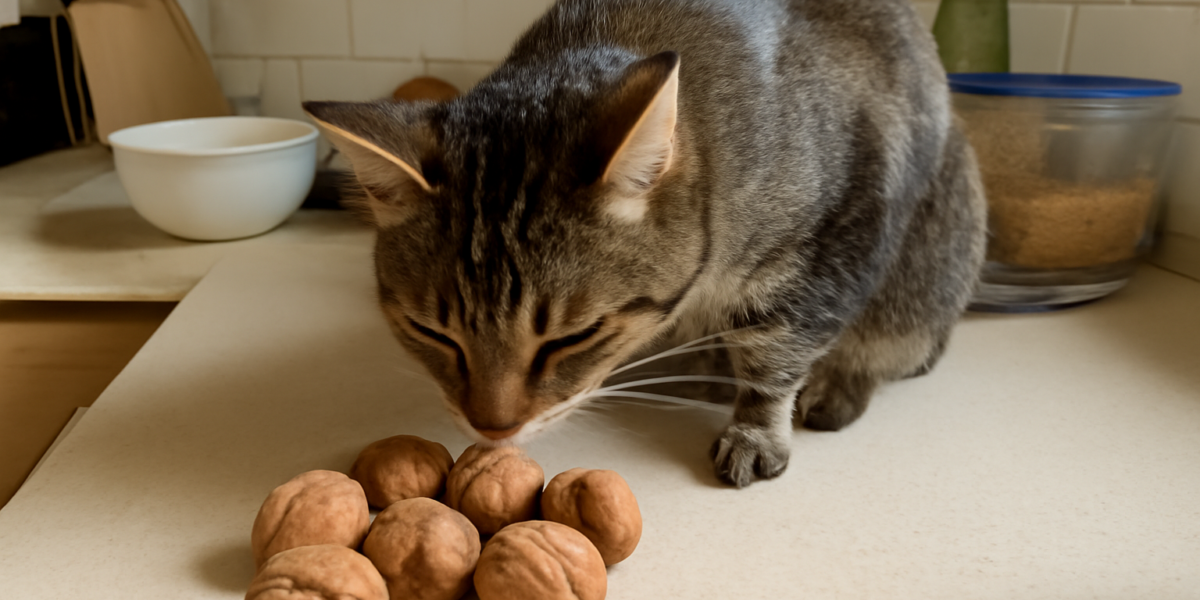
Walnuts are a nutritional powerhouse for humans, praised for their omega-3 fatty acids, antioxidants, and heart-healthy benefits. But when your cat shows interest in the walnuts on your counter or sniffs at your walnut-studded banana bread, you need to know whether sharing is safe. The clear answer is that cats should not eat walnuts. While English walnuts are not acutely toxic in the way that some foods are, they carry a unique set of risks for cats that make them distinctly more dangerous than many other nuts, particularly due to their susceptibility to mold that produces tremorgenic mycotoxins.
Cats are obligate carnivores with digestive systems built for processing animal protein and fat. Walnuts offer nothing that a cat needs nutritionally and introduce several hazards ranging from digestive distress to potentially life-threatening mold toxicity. Whether you are dealing with English walnuts, black walnuts, or walnut-containing food products, the safest policy is to keep all walnuts well away from your feline companion.
Why Walnuts Are Dangerous for Cats
The most alarming risk specific to walnuts is their high susceptibility to mold contamination, particularly by fungi that produce tremorgenic mycotoxins. These toxins, including penitrem A and roquefortine C, affect the nervous system and can cause tremors, seizures, and potentially death in cats. Mold can grow on walnuts during storage, especially in warm or humid conditions, and may not always be visible to the naked eye. A walnut that looks perfectly fine may harbor dangerous levels of mycotoxins on its surface or within microscopic cracks in the shell.
Black walnuts, a species native to North America, are particularly dangerous. They contain juglone, a chemical compound that is toxic to many animals. While juglone toxicity is most extensively documented in horses and dogs, cats are also at risk. Black walnuts that have fallen to the ground and begun to decompose are especially hazardous, as the decomposition process promotes mold growth that amplifies the mycotoxin risk on top of the juglone exposure. If you have black walnut trees in your yard, prevent your cat from accessing fallen nuts.
The high fat content of walnuts presents the same pancreatitis risk seen with other nuts. One ounce of walnuts contains approximately 18 grams of fat, making them one of the fattier nuts available. This fat load is particularly problematic for cats, whose pancreases are not adapted to handling large amounts of plant-based fat. Pancreatitis in cats is a serious condition causing severe abdominal pain, vomiting, appetite loss, and potentially fatal complications including multi-organ failure in severe cases.
Walnuts are large and hard, creating significant choking and obstruction risks. A whole walnut half is large enough to block a cat’s esophagus or become lodged in the intestinal tract. Walnut shells are extremely hard and can crack into sharp, irregular fragments that lacerate the mouth, throat, and digestive tract. Even shelled walnuts, with their irregular, ridged surface and firm texture, can be difficult for cats to chew properly, increasing the risk of swallowing dangerously large pieces.
Like other nuts, walnuts offer zero nutritional value aligned with feline dietary needs. The omega-3 fatty acids in walnuts are primarily alpha-linolenic acid, a plant-based form that cats convert to the biologically active EPA and DHA very inefficiently. Cats obtain their omega-3s far more effectively from marine animal sources like fish and fish oil. The protein in walnuts is plant-based and lacks the complete amino acid profile that cats require. Every calorie from walnuts displaces calories that should come from nutritionally appropriate cat food.
Tremorgenic Mycotoxin Poisoning in Cats
Tremorgenic mycotoxin poisoning is the most serious walnut-specific risk and deserves detailed understanding because of its potentially fatal consequences. These toxins target the central nervous system and can cause rapidly escalating neurological symptoms that require emergency veterinary intervention.
The molds that produce tremorgenic mycotoxins, primarily Penicillium and Aspergillus species, thrive on walnuts due to their high fat and moisture content. These molds are especially likely to develop on walnuts that have been stored improperly, exposed to humidity, left in bags that trap moisture, or allowed to sit for extended periods. Walnuts purchased from bulk bins, stored in non-airtight containers, or kept past their freshness date are at elevated risk.
Symptoms of tremorgenic mycotoxin poisoning in cats can appear within hours of ingestion and include fine muscle tremors that may progress to whole-body tremors, ataxia or loss of coordination, hyperexcitability and restlessness, vomiting and hypersalivation, rapid heart rate and panting, and in severe cases, full seizures, hyperthermia, and death. The severity depends on the amount of toxin consumed and the cat’s size and individual sensitivity.
If you suspect your cat has consumed moldy walnuts or is showing any neurological symptoms after walnut exposure, treat it as an emergency. Transport your cat to a veterinary emergency clinic immediately. There is no home treatment for mycotoxin poisoning. Veterinary treatment includes decontamination through induced vomiting and activated charcoal if ingestion was recent, intravenous fluids, muscle relaxants or anti-seizure medications to control tremors and seizures, temperature regulation, and supportive care. With prompt, aggressive treatment, many cats recover fully, but delays in treatment significantly worsen the prognosis.
Prevention is critical. Store walnuts in airtight containers in cool, dry conditions. Discard any walnuts that show visible mold, discoloration, an off smell, or a rancid taste. Keep walnut shells and scraps in a closed trash container. If you have walnut trees, regularly clear fallen nuts from areas your cat can access, as ground-fallen nuts decompose and develop mold rapidly.
English Walnuts vs. Black Walnuts: Different Risks
Understanding the difference between English walnuts and black walnuts matters because they present different levels of danger to cats. Both should be avoided, but black walnuts carry additional risks that make them particularly hazardous.
English walnuts, also called Persian walnuts, are the type most commonly sold in grocery stores. They have lighter-colored shells that are relatively easy to crack, and the nutmeat has a mild, slightly bitter flavor. While English walnuts are not acutely toxic, they still pose the fat, choking, and mold risks discussed above. A cat that eats a small piece of English walnut will likely experience no more than mild digestive upset, but larger amounts or moldy specimens can cause serious problems.
Black walnuts are native to eastern North America and are commonly found as landscape or wild trees. They have thick, green-to-black hulls that stain everything they touch, extremely hard shells, and a stronger, more pungent flavor than English walnuts. Black walnuts contain juglone, a naphthoquinone compound that the tree produces as a natural herbicide and defense chemical. Juglone is concentrated in the hulls, roots, and leaves but is also present in the nutmeat.
In dogs, black walnut ingestion is a well-documented cause of toxicity with symptoms including vomiting, tremors, and seizures. While feline-specific studies on black walnut toxicity are limited, the combination of juglone content and the high susceptibility of black walnut hulls to Penicillium mold makes them significantly more dangerous than English walnuts for any pet. Cats that spend time outdoors in areas where black walnut trees grow should be monitored to ensure they are not playing with or chewing on fallen walnuts or hulls.
If you are unsure which type of walnut your cat has been exposed to, treat the situation with the higher level of caution appropriate for black walnuts. Contact your veterinarian, describe the exposure, and follow their guidance. It is always better to err on the side of caution when the potential consequences include seizures and organ damage.
What to Do If Your Cat Eats Walnuts
Your response should depend on the type of walnut, the amount consumed, and the freshness of the nut. All walnut exposures warrant monitoring, but some situations require immediate veterinary attention.
If your cat ate a small piece of fresh English walnut, monitor closely for 24 to 48 hours. Watch for vomiting, diarrhea, loss of appetite, or lethargy. Provide fresh water and return to normal feeding. Most cats will tolerate a tiny amount without serious consequences, though some digestive upset is possible. If symptoms develop or persist, contact your veterinarian.
If your cat ate walnuts of unknown age or freshness, or walnuts that may have been exposed to moisture during storage, treat the situation more seriously due to the mold and mycotoxin risk. Contact your veterinarian for guidance. They may recommend bringing the cat in for observation or may advise you on specific symptoms to watch for at home. Save a sample of the walnuts if possible for reference.
If your cat ate black walnuts or walnuts with visible mold, contact your veterinarian or an emergency veterinary clinic immediately. Do not wait for symptoms to develop. Early intervention, including possible decontamination with induced vomiting and activated charcoal, can prevent or reduce the severity of toxicity. Time is critical in mycotoxin and juglone exposure.
If your cat is showing neurological symptoms of any kind after walnut exposure, including tremors, incoordination, seizures, or unusual behavior, get to an emergency veterinary clinic immediately. These symptoms indicate mycotoxin poisoning, which can progress rapidly and requires professional treatment with IV fluids, anti-seizure medications, and supportive care. Do not attempt to treat neurological symptoms at home.
Safe Treat Alternatives for Your Cat
Satisfying your cat’s treat cravings safely is easy when you focus on foods that align with their carnivorous biology. The best treats for cats provide animal-based nutrition in appropriately sized portions.
Cooked, plain fish is a treat that most cats find absolutely irresistible. Small pieces of baked or poached salmon, tuna, or whitefish provide omega-3 fatty acids in the biologically active EPA and DHA forms that cats can actually utilize, unlike the plant-based omega-3s in walnuts. Cook the fish without oil, butter, or seasoning, and remove all bones. Keep portions small, a teaspoon or two at most, as too much fish can lead to mercury exposure and nutritional imbalances.
Cooked chicken or turkey breast, shredded or diced into small pieces, provides lean animal protein packed with the amino acids cats need. These meats are easy to prepare in batches and can be refrigerated for several days, giving you a convenient supply of healthy treats on hand. Avoid deli meats, which contain high levels of sodium and preservatives that are inappropriate for cats.
Freeze-dried raw treats made from single animal protein sources offer convenience without compromising on quality. These treats come in a variety of proteins including chicken, duck, salmon, rabbit, and venison. The freeze-drying process preserves nutrients while creating a lightweight, crunchy treat with a long shelf life. Many brands offer products with a single ingredient, making them ideal for cats with food sensitivities.
Small amounts of plain, cooked egg provide a complete protein that cats can digest efficiently. A few pieces of scrambled egg made without butter or seasoning, or a small amount of hard-boiled egg, is a nutritious and palatable treat. Eggs are also a natural source of taurine, the essential amino acid that supports heart and eye health in cats. For more guidance on safe and unsafe foods for your cat, read our articles on cats and cashews and cats and cinnamon.
Frequently Asked Questions About Cats and Walnuts
Are walnuts toxic to cats?
English walnuts are not acutely toxic in small amounts but carry significant risks including pancreatitis from high fat content, choking hazards, and potentially fatal tremorgenic mycotoxin contamination from mold. Black walnuts are more dangerous due to juglone content and higher mold susceptibility. While eating a tiny piece of fresh English walnut is unlikely to cause an emergency, the overall risk profile makes walnuts inappropriate for cats. The combination of zero nutritional benefit and multiple health hazards means there is no safe reason to feed walnuts to your cat.
What happens if my cat eats a walnut shell?
Walnut shells are extremely hard and can crack into sharp, irregular fragments. If a cat chews on or swallows walnut shell pieces, the sharp edges can cut the gums, tongue, throat, and esophagus, causing pain and bleeding. Swallowed shell fragments can cause intestinal obstruction, which prevents the normal passage of food and waste and is a surgical emergency. Shell pieces can also perforate the intestinal wall, causing peritonitis, a life-threatening abdominal infection. If your cat has eaten walnut shell, monitor for vomiting, loss of appetite, abdominal pain, bloody stool, or straining to defecate, and seek veterinary care if any of these signs develop.
Can walnut mold really kill a cat?
Yes, tremorgenic mycotoxins produced by molds that commonly grow on walnuts can be fatal to cats. These toxins cause progressively worsening neurological symptoms starting with fine tremors and potentially escalating to violent whole-body tremors, seizures, hyperthermia, and death. Smaller animals like cats are at greater risk than larger animals because a smaller amount of toxin relative to body weight is needed to reach dangerous levels. Prompt veterinary treatment with decontamination, anti-seizure medications, and supportive care significantly improves survival, but delays can be fatal. This is why moldy walnuts should be considered a serious poisoning risk for cats.
My cat plays with walnuts but does not eat them. Is this safe?
Batting a walnut around the floor for play poses less risk than eating one, but it is not entirely without concern. The cat may eventually bite the walnut and ingest pieces. Walnut shells can harbor mold on their surface, and the cat may be exposed to mold spores or mycotoxins through mouthing the nut. Shells can also break into pieces that the cat swallows during play. A safer alternative is to provide cat-appropriate toys designed for batting and chasing, such as balls, toy mice, or crinkle balls, which provide the same entertainment without any of the risks associated with walnuts.
Is walnut oil safe for cats?
Walnut oil is not recommended for cats. While it does not carry the choking or shell hazards of whole walnuts, it is highly concentrated fat that can contribute to pancreatitis and obesity. Walnut oil may also retain traces of the compounds and allergens present in whole walnuts. If you want to supplement your cat’s diet with healthy oils for skin and coat health, fish oil specifically formulated for cats is a far better choice, providing biologically available omega-3 fatty acids in a form cats can actually utilize. Always consult your veterinarian before adding any oil supplement to your cat’s diet.


