
Last updated: April 9, 2026
In this article
Can Cats Eat Hummus? Safety Guide and Tips
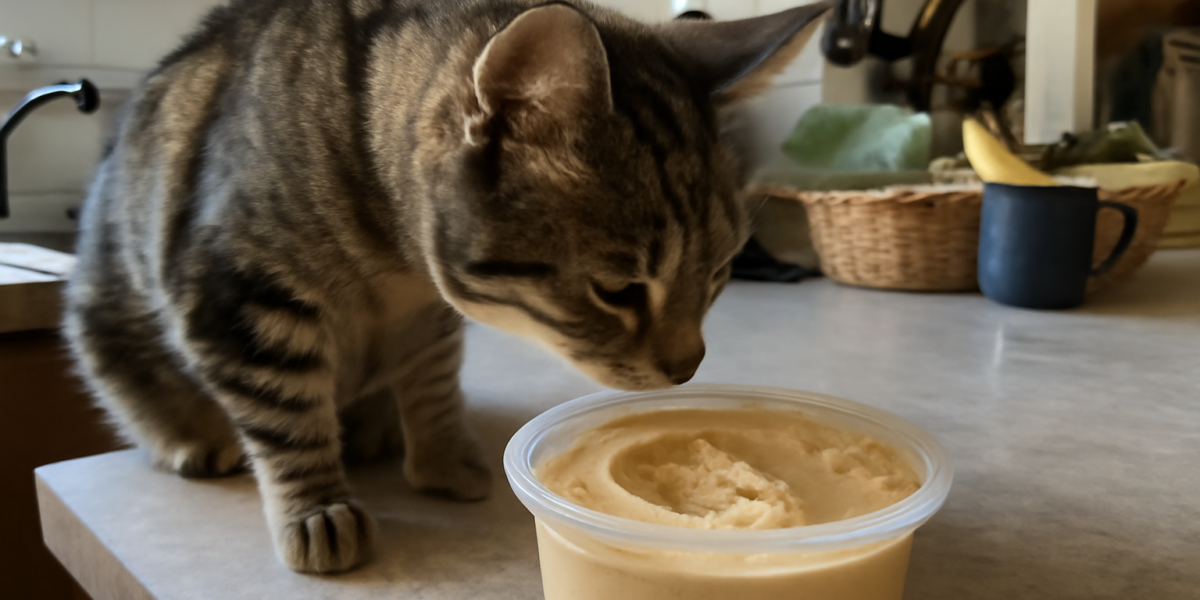
Hummus has become a staple in many households, loved for its creamy texture and versatility as a dip, spread, or snack. If you are a hummus enthusiast, you have probably noticed your cat sniffing curiously at your plate. Cats are drawn to the smooth texture and savory aroma, which might tempt you to offer a small taste.
However, hummus is one human food that should stay firmly off your cat’s menu. While the base ingredient — chickpeas — is not inherently toxic, traditional hummus contains several ingredients that are genuinely dangerous for cats. As obligate carnivores with very specific dietary needs, cats gain nothing nutritionally from hummus and risk exposure to harmful compounds. Understanding why hummus is problematic will help you keep your feline companion safe.
Quick Answer: Can Cats Eat Hummus?
No, cats should not eat hummus. The primary concern is garlic, which is a standard ingredient in virtually all hummus recipes and is toxic to cats. Even small amounts of garlic can damage a cat’s red blood cells, potentially leading to hemolytic anemia. Lemon juice, another common hummus ingredient, contains citric acid and compounds that are also harmful to felines.
Beyond the toxic ingredients, hummus is a plant-based food that provides no meaningful nutritional benefit to cats. Chickpeas are high in carbohydrates and plant-based protein, neither of which cats can efficiently process. The tahini (sesame paste) adds fat and calories without the amino acid profile cats need. Even “plain” or homemade hummus typically contains garlic, making it unsafe regardless of preparation.
If your cat has licked a tiny amount of hummus from your plate, do not panic — a small lick is unlikely to cause a medical emergency. However, you should monitor your cat for any symptoms and avoid allowing access to hummus in the future. If your cat has consumed a significant amount, particularly of garlic-heavy hummus, contact your veterinarian promptly for guidance.
Nutritional Profile of Hummus
A typical serving of hummus (about two tablespoons) contains the following nutrients, none of which are particularly useful for cats:
- Calories: Approximately 70-80 calories, a significant portion of a cat’s small daily requirement.
- Protein: About 2-3 grams, but this is plant-based protein from chickpeas, which lacks the complete amino acid profile cats need.
- Carbohydrates: Around 6-8 grams — cats have limited ability to metabolize carbohydrates efficiently.
- Fat: Roughly 4-5 grams, primarily from tahini and olive oil.
- Fiber: About 1-2 grams from chickpeas.
- Garlic: Present in nearly all recipes, even small amounts are toxic to cats, causing oxidative damage to red blood cells.
- Citric acid: From lemon juice, an irritant to the feline digestive system.
- Sodium: Variable but often 100-200 milligrams per serving, high relative to a cat’s needs.
Cats require taurine, arachidonic acid, vitamin A, and other nutrients that are found exclusively or primarily in animal tissues. Hummus provides none of these essential nutrients. The plant-based protein in chickpeas does not contain adequate taurine, which cats cannot synthesize and must obtain from their diet. A taurine deficiency can lead to serious heart disease and blindness.
Benefits and Risks of Hummus for Cats
Benefits
- No meaningful benefits: The risks of hummus far outweigh any potential benefits for cats. The nutritional content does not align with feline dietary requirements.
- Chickpeas alone are non-toxic: While hummus itself is unsafe, plain cooked chickpeas in very small amounts are not poisonous to cats, though they provide little nutritional value.
- Awareness opportunity: Understanding why hummus is harmful reinforces the importance of checking all ingredients in mixed foods before sharing with pets.
- Protein content (minimal value): Chickpeas do contain protein, but it is plant-based and incomplete for feline needs, making this a negligible benefit at best.
Risks
- Garlic toxicity: This is the most serious risk. Garlic contains thiosulfates and organosulfur compounds that damage feline red blood cells through oxidative stress. Even 1-2 cloves of garlic can be dangerous for a cat. Symptoms of garlic poisoning may not appear for several days, making early detection difficult.
- Citrus toxicity: Lemon juice in hummus contains citric acid and essential oils that irritate a cat’s digestive system and can cause vomiting, diarrhea, and central nervous system depression.
- Digestive upset: The high fiber and complex carbohydrate content of chickpeas can cause gas, bloating, and diarrhea in cats, whose short digestive tracts are designed for processing meat.
- High calorie density: The combination of chickpeas, tahini, and olive oil makes hummus calorie-dense. Even small amounts contribute significantly to a cat’s daily caloric intake, promoting weight gain.
- Salt content: Most hummus recipes include added salt, which can be problematic for cats, particularly those with kidney disease or heart conditions. Excess sodium can cause increased thirst, urination, and in severe cases, sodium ion poisoning.
- Allergic reactions: Some cats may be sensitive to sesame (tahini) or chickpea proteins, potentially experiencing skin irritation, itching, or gastrointestinal symptoms.
How to Serve Hummus Safely to Your Cat
The safest approach is to not serve hummus to your cat at all. Given that garlic is a core ingredient in virtually every hummus recipe — including most store-bought brands — there is no way to make traditional hummus safe for feline consumption. Even recipes marketed as “mild” or “low garlic” still contain enough garlic to be potentially harmful.
If you are interested in offering your cat a legume-based treat, a single plain cooked chickpea (mashed and cooled) with no added ingredients would be a far safer option, though still not nutritionally ideal. This should be considered a rare novelty at most, not a regular treat.
To keep your cat safe around hummus, store open containers in the refrigerator with secure lids. Clean up any spills immediately and do not leave plates with hummus residue where your cat can reach them. Be especially vigilant during gatherings where hummus might be set out on low tables or left unattended.
If you want to offer your cat a creamy-textured treat that is actually beneficial, consider a small amount of plain, unseasoned meat-based pate or a lick of commercially prepared cat food with a smooth consistency. These provide the texture your cat might enjoy without any of the risks.
Signs of Problems After Eating Hummus
If your cat has eaten hummus, the level of concern depends primarily on the amount consumed and the garlic content. Watch for the following symptoms:
- Vomiting and diarrhea (may appear within hours)
- Loss of appetite and lethargy
- Abdominal pain or tenderness
- Drooling or excessive salivation
- Pale or yellowish gums (sign of anemia — may take 1-5 days to develop)
- Rapid breathing or elevated heart rate
- Dark reddish-brown urine (indicates red blood cell destruction)
- Weakness or collapse (in severe garlic poisoning cases)
Garlic toxicity is particularly insidious because symptoms often do not appear until several days after ingestion, when the red blood cells begin breaking down. If you know your cat ate garlic-containing hummus, do not wait for symptoms — contact your veterinarian immediately. Early intervention may include induced vomiting (only if ingestion was very recent and only under veterinary supervision), activated charcoal, intravenous fluids, and in severe cases, blood transfusions.
Healthy Alternatives to Hummus
Instead of hummus, treat your cat to foods that actually support their carnivorous dietary needs:
- Plain cooked chicken: Shredded or diced unseasoned chicken breast is a high-protein treat that cats love and can safely enjoy regularly.
- Commercial meat pate: If your cat likes creamy textures, a pate-style cat food provides similar mouthfeel without dangerous ingredients.
- Cooked salmon: A small portion of plain cooked salmon offers protein and omega-3 fatty acids in a form cats can efficiently use.
- Lickable cat treats: Several brands offer squeezable, creamy cat treats made from pureed chicken or fish — perfect for cats who enjoy smooth textures.
- Cooked egg: A small amount of plain scrambled or mashed hard-boiled egg provides protein and essential amino acids safely.
- Bone broth (cat-safe): Unseasoned, low-sodium bone broth made without onion or garlic can be a hydrating, flavorful treat.
Searching for a feline companion to keep you company during snack time? Visit our adoption page at Walk Me Home Rescue to find cats ready for their forever homes.
Frequently Asked Questions
What if my cat ate a small amount of hummus?
A tiny lick of hummus is unlikely to cause a serious emergency, but you should still monitor your cat closely for several days. Watch for vomiting, diarrhea, lethargy, and any changes in gum color. The garlic content in even a small amount is a concern, so if your cat consumed more than a lick — even just a teaspoon — contact your veterinarian for advice.
Is store-bought hummus more dangerous than homemade?
Both are equally dangerous for cats, as virtually all hummus — whether commercial or homemade — contains garlic and lemon juice. Some store-bought varieties may contain additional preservatives, spices, or flavorings that add further risk. Always check the ingredient list, and assume all hummus is unsafe for cats.
Can cats eat plain chickpeas without the other hummus ingredients?
Plain cooked chickpeas without any added salt, garlic, or seasoning are not toxic to cats, but they offer very little nutritional benefit. A single mashed chickpea as an occasional novelty is unlikely to cause harm, but chickpeas are high in carbohydrates and plant protein that cats cannot efficiently use. There is no reason to make chickpeas a regular part of your cat’s diet.
How much garlic in hummus is dangerous for cats?
Cats are extremely sensitive to garlic. As little as one clove of garlic per five pounds of body weight can cause toxicity, and regular exposure to smaller amounts can have cumulative effects. A typical hummus recipe uses 2-4 cloves of garlic per cup, meaning even a tablespoon of hummus contains a meaningful amount of garlic relative to a cat’s small body size.
Can cats eat hummus made without garlic?
Garlic-free hummus is significantly less dangerous, but it still contains lemon juice (citric acid is harmful to cats), tahini (high in fat and unnecessary calories), and chickpeas (high in carbohydrates). While removing garlic eliminates the most serious toxicity risk, the remaining ingredients still make hummus a poor choice for cats. There are much better treat options available.
Is tahini safe for cats?
Plain tahini (ground sesame seeds) is not toxic to cats, but it is very high in fat and calories. A tiny amount is unlikely to cause immediate harm, but it provides no nutritional benefit and can contribute to weight gain and potential digestive upset. Sesame allergies, while uncommon, are also possible in cats.
While sharing food with your cat can be a bonding experience, hummus is one snack that must remain human-only. The garlic content alone makes it a genuine health risk for felines. For more guidance on what cats can and cannot eat, explore our other food safety guides including our articles on olive oil and bean sprouts. If you are looking to add a furry friend to your family, check out the wonderful cats available for adoption at Walk Me Home Rescue.


