
Last updated: April 6, 2026
In this article
Can Cats Eat Bean Sprouts? Safety Guide and Tips
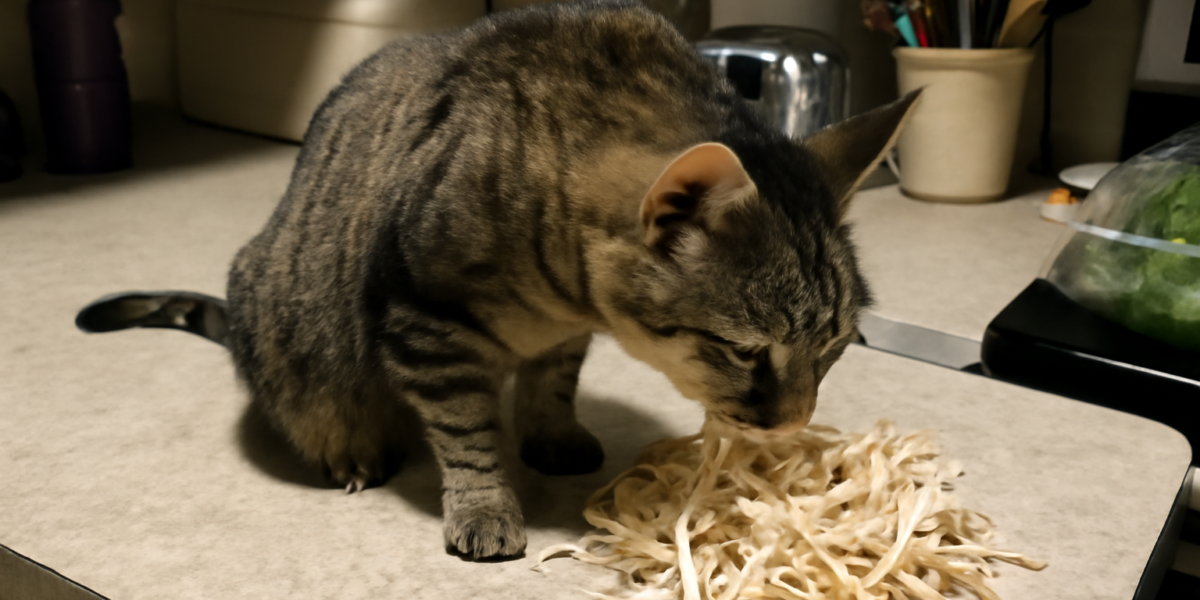
Bean sprouts are a crunchy, low-calorie addition to stir-fries, salads, and sandwiches that many people enjoy for their mild flavor and nutritional content. If your cat has shown curiosity about bean sprouts on your plate — perhaps batting them around or taking an exploratory nibble — you may be wondering whether these delicate sprouts are safe for feline consumption.
Bean sprouts are not toxic to cats, and a small amount of properly prepared sprouts is unlikely to cause any harm. However, as obligate carnivores, cats derive virtually no meaningful nutrition from bean sprouts. Their digestive systems are optimized for meat, not plant matter, and the nutrients in bean sprouts do not address any of a cat’s essential dietary requirements. There are also some safety considerations, particularly around raw sprouts, that every cat owner should understand.
Quick Answer: Can Cats Eat Bean Sprouts?
Yes, cats can eat a small amount of cooked, plain bean sprouts without risk of toxicity. The most commonly available bean sprouts — mung bean sprouts and soybean sprouts — are both non-toxic to cats. However, raw bean sprouts should be avoided due to the significant risk of bacterial contamination, including Salmonella, E. coli, and Listeria.
Cooked bean sprouts are the safer option, as the cooking process eliminates harmful bacteria. Lightly steamed or boiled bean sprouts with no added seasoning, oil, or sauces are the only preparation methods appropriate for cats. Stir-fried sprouts cooked with garlic, onion, soy sauce, or oil should never be shared, as these additions are either toxic or unhealthy for felines.
If you do offer bean sprouts, keep the portion very small — a few individual sprouts at most. This is a novelty treat rather than a nutritional supplement, and there is no health reason to make it a regular part of your cat’s diet. Cats with sensitive stomachs, food allergies, or chronic digestive conditions should skip bean sprouts entirely.
Nutritional Profile of Bean Sprouts
Bean sprouts are very low in calories but contain a modest array of nutrients. A one-cup serving of raw mung bean sprouts contains approximately:
- Calories: About 31 calories per cup, making them one of the lowest-calorie vegetables available.
- Protein: Roughly 3 grams, though this is plant-based protein that lacks the amino acid profile cats need.
- Carbohydrates: About 6 grams, primarily from starches and natural sugars.
- Fiber: Approximately 2 grams, which can affect digestion in cats not accustomed to fiber-rich foods.
- Vitamin C: A good source for humans, though cats produce their own vitamin C and do not need dietary supplementation.
- Vitamin K: Present in small amounts, supporting blood clotting function.
- Folate: Contains folate, a B vitamin involved in cell division.
- Iron: Small amounts that contribute to red blood cell health.
- Water content: Extremely high (approximately 90%), which can contribute to hydration.
For cats, the nutritional content of bean sprouts is largely irrelevant. Cats need taurine, arachidonic acid, preformed vitamin A, and high-quality animal protein — none of which bean sprouts provide. The protein in bean sprouts is plant-derived and incomplete for feline needs. While the low calorie content means bean sprouts are unlikely to cause weight issues, they also do not contribute positively to a cat’s health in any meaningful way.
Benefits and Risks of Bean Sprouts for Cats
Benefits
- Non-toxic: Both mung bean sprouts and soybean sprouts are safe for cats when properly cooked, making them a low-risk option if your cat shows interest.
- Very low calorie: The minimal caloric content means bean sprouts are unlikely to contribute to weight gain, making them one of the safer “table food” nibbles if your cat insists on tasting your food.
- High water content: The high moisture content of bean sprouts can provide a tiny amount of supplementary hydration, though this is negligible compared to proper water intake.
- Texture enrichment: Some cats enjoy the crunchy texture of lightly cooked sprouts, and offering novel textures can provide mild enrichment as long as the food is safe.
Risks
- Bacterial contamination in raw sprouts: Raw bean sprouts are one of the highest-risk foods for bacterial contamination. The warm, moist conditions required for sprouting are ideal breeding grounds for Salmonella, E. coli, and Listeria. Raw sprouts have been linked to numerous foodborne illness outbreaks in humans and pose the same risks to cats.
- Digestive upset: The fiber content and plant matter in bean sprouts can cause gas, bloating, diarrhea, or vomiting in cats, particularly those not accustomed to vegetables. Cats’ short digestive tracts are not designed for plant fiber processing.
- Soy sensitivity: Soybean sprouts contain soy protein, which is a known allergen for some cats. Symptoms can include itchy skin, ear infections, and gastrointestinal problems.
- Choking hazard: The long, stringy nature of bean sprouts can pose a mild choking risk, especially if a cat tries to swallow them without adequate chewing. Cut sprouts into shorter pieces before serving.
- Seasoning and preparation dangers: Bean sprouts are frequently prepared with garlic, soy sauce, sesame oil, or other seasonings that are harmful to cats. Only plain, unseasoned cooked sprouts are safe.
- Nutritional displacement: Even though bean sprouts are low-calorie, filling up on them could reduce a cat’s appetite for nutritionally complete food.
How to Serve Bean Sprouts Safely to Your Cat
If you want to let your cat try bean sprouts, proper preparation is essential for safety. Start by selecting fresh sprouts that look crisp and clean, with no signs of sliminess, discoloration, or off odors. Rinse them thoroughly under running water.
Cook the sprouts by steaming or boiling them for at least three to five minutes. This is sufficient to kill harmful bacteria while maintaining some nutritional content. Do not add any oil, butter, salt, soy sauce, garlic, or other seasonings. Allow the cooked sprouts to cool completely to room temperature before offering them to your cat.
Cut the sprouts into small pieces — about half an inch long — to reduce any choking risk. Offer just two to four small pieces as a first introduction, mixed into or alongside your cat’s regular food. Watch for any signs of digestive discomfort over the next 24 hours.
If your cat tolerates bean sprouts well, you can offer a small handful (about a tablespoon of chopped, cooked sprouts) as an occasional treat no more than once a week. This is purely for variety and enrichment, not nutrition. Never serve raw bean sprouts to your cat under any circumstances — the bacterial risk is not worth taking.
Signs of Problems After Eating Bean Sprouts
Watch for these symptoms after your cat eats bean sprouts, particularly if they consumed raw sprouts or a larger-than-recommended amount:
- Diarrhea or loose stools
- Vomiting or retching
- Gas, bloating, or visible abdominal distension
- Loss of appetite
- Lethargy or reduced activity
- Fever (warm ears and dry nose may be indicators)
- Dehydration if diarrhea or vomiting is severe
If your cat ate raw bean sprouts, the risk of bacterial infection is higher. Symptoms of Salmonella or E. coli infection can include severe vomiting, bloody diarrhea, high fever, and dehydration. These symptoms may appear within 12-72 hours of consumption and require prompt veterinary attention. Cats with weakened immune systems, very young kittens, and senior cats are at greatest risk from foodborne bacteria.
For mild digestive upset from cooked bean sprouts, symptoms should resolve within 24-48 hours. Ensure your cat has access to fresh water and returns to their regular food. If symptoms persist or worsen, contact your veterinarian.
Healthy Alternatives to Bean Sprouts
If your cat enjoys the texture or novelty of vegetables, or if you are looking for low-calorie treat options, consider these safer alternatives:
- Cat grass: Purpose-grown cat grass (wheat grass, oat grass, or barley grass) satisfies many cats’ desire to nibble on greens and is completely safe. It may also aid digestion and help with hairball passage.
- Cooked plain chicken: For a treat that actually provides nutrition cats need, unseasoned cooked chicken breast is hard to beat — high in protein and universally loved by cats.
- Steamed broccoli florets: A tiny piece of plain steamed broccoli is non-toxic and provides a crunchy texture some cats enjoy, with minimal calories.
- Cooked carrots: Small, soft pieces of plain cooked carrot are safe and some cats are attracted to their mild sweetness.
- Cucumber slices: A thin slice of fresh cucumber provides hydration and a crunchy texture with almost no calories.
- Freeze-dried meat treats: For the best combination of novel texture and feline nutrition, freeze-dried chicken, fish, or liver treats are an excellent choice.
Looking for a feline friend who will keep you company in the kitchen? Visit our adoption page at Walk Me Home Rescue to meet cats in need of loving homes.
Frequently Asked Questions
Can cats eat raw bean sprouts?
No, raw bean sprouts should not be given to cats. Raw sprouts carry a high risk of bacterial contamination, including Salmonella, E. coli, and Listeria, because the warm, humid conditions required for sprouting are also ideal for bacterial growth. Always cook bean sprouts thoroughly before offering them to your cat.
Are mung bean sprouts or soybean sprouts better for cats?
Neither type offers significant nutritional advantage for cats. Mung bean sprouts are slightly lower in calories and have a milder flavor, which some cats may prefer. Soybean sprouts contain more protein but also more soy allergen potential. If your cat has any history of soy sensitivity, stick with mung bean sprouts. Both must be cooked before serving.
Can cats eat alfalfa sprouts?
Alfalfa sprouts are not toxic to cats in small, cooked amounts, but they carry the same bacterial contamination risks as bean sprouts when raw. Additionally, alfalfa contains phytoestrogens that could potentially affect hormonal balance with regular consumption. A tiny amount of cooked alfalfa sprouts is unlikely to cause harm, but there is no reason to make it a regular offering.
Why does my cat like bean sprouts?
Cats are often attracted to bean sprouts because of their resemblance to cat grass or other thin, grass-like vegetation. Many cats have an instinct to nibble on greens, which may aid digestion. The crunchy texture can also be appealing. If your cat enjoys nibbling on sprout-like plants, providing purpose-grown cat grass is a safer and more appropriate way to satisfy this behavior.
How many bean sprouts can I give my cat?
A small portion of about one tablespoon of chopped, cooked bean sprouts is an appropriate serving for an average adult cat. This should be offered no more than once a week as an occasional treat. Start with just two to four small pieces to test your cat’s tolerance before offering a larger amount.
Can bean sprouts cause gas in cats?
Yes, bean sprouts and other legume-based foods can cause gas and bloating in cats. Cats’ digestive systems are not designed to efficiently break down the complex carbohydrates and fiber found in plant foods. If your cat experiences gas after eating bean sprouts, it is a sign that their digestive system is struggling with the food, and you should reduce the amount or discontinue offering them.
Bean sprouts are a safe but nutritionally unnecessary treat for cats when properly cooked. If your cat shows interest, a small taste will not cause harm, but there are far better treat options that actually support feline health. For more food safety information, explore our guides on dill and hummus. If you are ready to open your home to a new furry friend, visit our adoption page at Walk Me Home Rescue.


