
Last updated: May 4, 2026
In this article
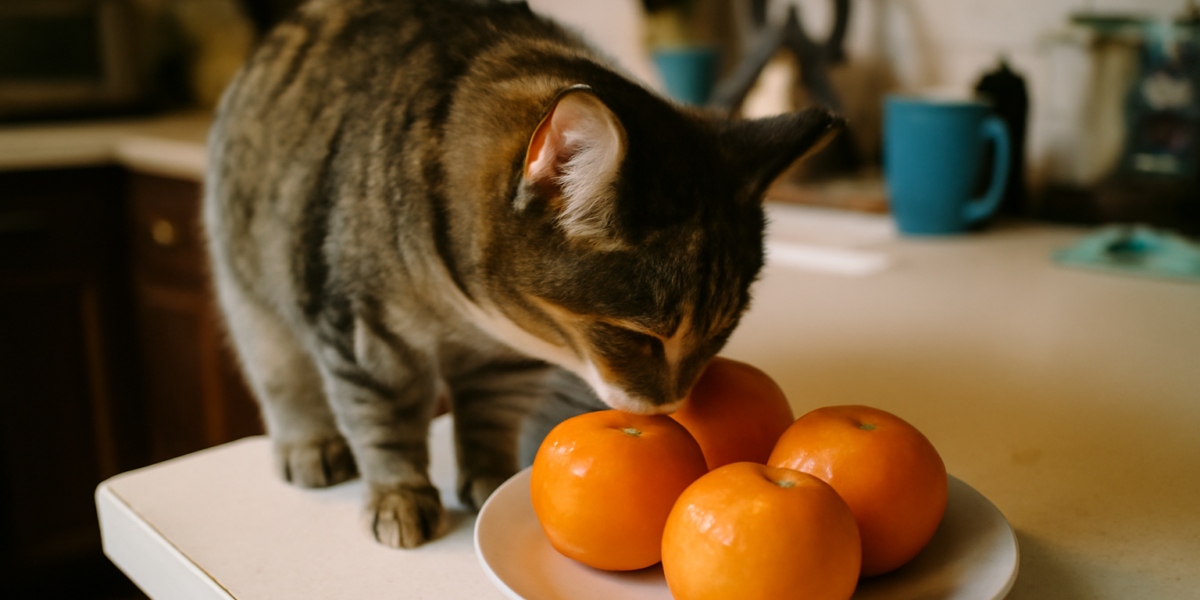
Tangerines are a popular citrus fruit known for their sweet-tart flavor and easy-to-peel skin. If you have noticed your cat sniffing at a tangerine segment — or more likely, recoiling from it — you may be wondering about the safety of citrus fruits for felines. Unlike many other fruits, tangerines and other citrus varieties pose genuine concerns for cats. The strong citrus scent that humans find refreshing is actually aversive to most cats, and for good reason: citrus contains compounds that are harmful to feline health.
Quick Answer: No, cats should not eat tangerines. All citrus fruits — including tangerines, oranges, lemons, limes, and grapefruits — contain essential oils (limonene, linalool) and psoralens that are toxic to cats. The peel, pith, and seeds are the most concentrated sources, but even the flesh can cause gastrointestinal upset. Most cats instinctively avoid citrus due to the strong smell.
Are Tangerines Safe for Cats?
Tangerines are not considered safe for cats. While a single tiny piece of tangerine flesh is unlikely to cause a life-threatening emergency, all parts of citrus fruits contain compounds that are toxic to felines, and no amount should be deliberately offered.
The primary toxic compounds in tangerines and other citrus fruits are:
- Essential oils (limonene and linalool): These aromatic compounds are concentrated in the peel and rind but are also present in lower concentrations in the flesh and juice. Cats lack certain liver enzymes (specifically glucuronyl transferase) needed to metabolize these compounds. When absorbed, they can cause vomiting, diarrhea, central nervous system depression, and in severe cases, liver damage.
- Psoralens: These photosensitizing compounds are found throughout the citrus plant and can cause dermatitis and photosensitivity in cats. When ingested, they can contribute to gastrointestinal inflammation.
- Citric acid: While not toxic per se, the high acidity of citrus fruit can irritate a cat’s stomach lining, leading to nausea, vomiting, and diarrhea.
The peel and rind are by far the most dangerous parts, as they contain the highest concentrations of essential oils. However, the flesh and juice also contain these compounds at lower levels. The ASPCA classifies all citrus species as toxic to cats.
Nutritional Profile of Tangerines
One medium tangerine (about 88 grams) contains approximately 47 calories, 12 grams of carbohydrates (including 9.3 grams of sugar), 0.7 grams of protein, 0.3 grams of fat, and 1.8 grams of fiber. Tangerines are an excellent source of vitamin C, providing about 26 mg per fruit (roughly 29% of the human daily value).
For cats, none of these nutritional attributes are relevant or beneficial. Cats synthesize their own vitamin C and require no dietary supplementation. As obligate carnivores, they have no biological need for fruit sugars or plant-based fiber. The carbohydrate content of tangerines offers no metabolic advantage to felines and can potentially disrupt blood sugar regulation.
Even if tangerines were not toxic, they would provide essentially zero nutritional value to a cat. Combined with the genuine toxicity risk, there is no reason to include tangerines in a cat’s diet.
Why Cats Naturally Avoid Citrus
Most cat owners have observed that their cats dislike the smell of citrus. This aversion is not coincidental — it appears to be an evolved protective behavior. Cats’ sense of smell is approximately 14 times more sensitive than humans’, and the potent volatile oils in citrus peels register as overwhelmingly strong and unpleasant to feline olfactory receptors.
This natural aversion is so reliable that citrus peels and citrus-based sprays are commonly used as cat deterrents in gardens and on furniture. The fact that cats instinctively avoid a substance their bodies cannot safely metabolize is a good example of natural self-preservation at work.
If your cat does show interest in tangerines, it is likely due to curiosity about the object itself rather than attraction to the smell or taste. Do not interpret a cat’s willingness to investigate as a sign that the food is safe for them.
Risks and Side Effects of Tangerines for Cats
- Gastrointestinal irritation: Citric acid and essential oils can cause vomiting, diarrhea, drooling, and abdominal pain. These are the most common symptoms of citrus ingestion in cats.
- Central nervous system depression: In cases of significant exposure to essential oils (particularly from the peel), cats may exhibit lethargy, weakness, trembling, or incoordination.
- Liver toxicity: Because cats lack the liver enzymes to properly metabolize limonene and linalool, these compounds can accumulate and cause hepatotoxicity with repeated or large exposures.
- Dermatitis: Contact with tangerine peel oil on the skin or mouth can cause irritation, redness, and discomfort. Psoralens can also cause photosensitivity reactions.
- Sugar and acid: Even setting aside the toxic compounds, the sugar content and acidity are inappropriate for a cat’s digestive system and metabolic needs.
What to Do If Your Cat Eats a Tangerine
If your cat consumed a small piece of tangerine flesh, the risk of serious toxicity is low, but you should monitor for symptoms:
- Watch for vomiting, diarrhea, or excessive drooling over the next 6–12 hours
- Ensure your cat has access to plenty of fresh water
- If symptoms are mild and resolve within 24 hours, your cat is likely fine
If your cat chewed on or ingested tangerine peel, rind, or seeds, the risk is higher due to concentrated essential oils. Contact your veterinarian or the ASPCA Animal Poison Control Center (888-426-4435) for guidance. Seek immediate veterinary care if you observe:
- Persistent or severe vomiting
- Trembling, wobbling, or loss of coordination
- Extreme lethargy or unresponsiveness
- Signs of abdominal pain (crying, hunched posture)
- Difficulty breathing
Safe Fruit Alternatives for Cats
If you want to offer your cat a fruit treat, choose options that are genuinely non-toxic:
- Blueberries: Non-toxic, low in sugar, and antioxidant-rich. One or two berries at a time is appropriate.
- Watermelon: Seedless watermelon flesh is hydrating and safe. Remove all seeds and rind.
- Strawberries: Non-toxic in small amounts. Remove the stem and cut into small pieces.
- Cooked chicken: For a treat that actually nourishes an obligate carnivore, plain cooked chicken is always the best choice.
- Cooked salmon: Protein-rich with omega-3 benefits. Far more appropriate than any fruit for feline nutrition.
Frequently Asked Questions
Why do cats hate the smell of tangerines?
Cats’ olfactory systems are far more sensitive than humans’, and the volatile essential oils in citrus peels (primarily limonene) register as extremely strong and unpleasant to them. This aversion likely evolved as a protective mechanism, since the compounds in citrus that produce the smell are the same ones that are toxic to felines. Citrus-based sprays are commonly used as safe, natural cat deterrents.
Can a small amount of tangerine juice hurt my cat?
A tiny amount of tangerine juice (a few drops) is unlikely to cause serious harm, but it may cause stomach irritation, drooling, or mild nausea due to the citric acid and residual essential oils. There is no reason to offer tangerine juice to cats. If your cat lapped up a small amount accidentally, monitor for symptoms but expect them to be mild and self-resolving.
Are all citrus fruits toxic to cats?
Yes, all citrus fruits — including oranges, lemons, limes, grapefruits, tangerines, clementines, and kumquats — contain essential oils and psoralens that are toxic to cats. The ASPCA lists the entire citrus family as toxic to both cats and dogs. The degree of toxicity varies (lemons and limes are generally considered more potent than sweet oranges), but none should be fed to cats.
What about citrus-flavored cat products?
Some commercial cleaning products and even a few pet products are citrus-scented. These should generally be used with caution around cats. Cleaning products with citrus essential oils can leave residues on surfaces that cats may lick. If using citrus-scented products in your home, ensure areas are fully dry and ventilated before allowing your cat access. Purpose-made cat products that are “citrus-flavored” typically use synthetic compounds rather than actual citrus oils, but always verify ingredients.
My cat ate a piece of tangerine peel — what should I do?
Tangerine peel contains the highest concentration of toxic essential oils. If your cat chewed on or swallowed a piece of tangerine peel, contact your veterinarian promptly. Monitor for vomiting, diarrhea, drooling, trembling, or lethargy. Even if your cat seems fine initially, it is worth calling for professional advice, as symptoms may develop over several hours.
Looking for a companion who will happily share your non-citrus snacks? Browse our adoption page to find cats who are searching for their forever families.


