
Last updated: April 1, 2026
In this article
Can Cats Eat Sourdough Bread? Safety Guide for Cat Owners
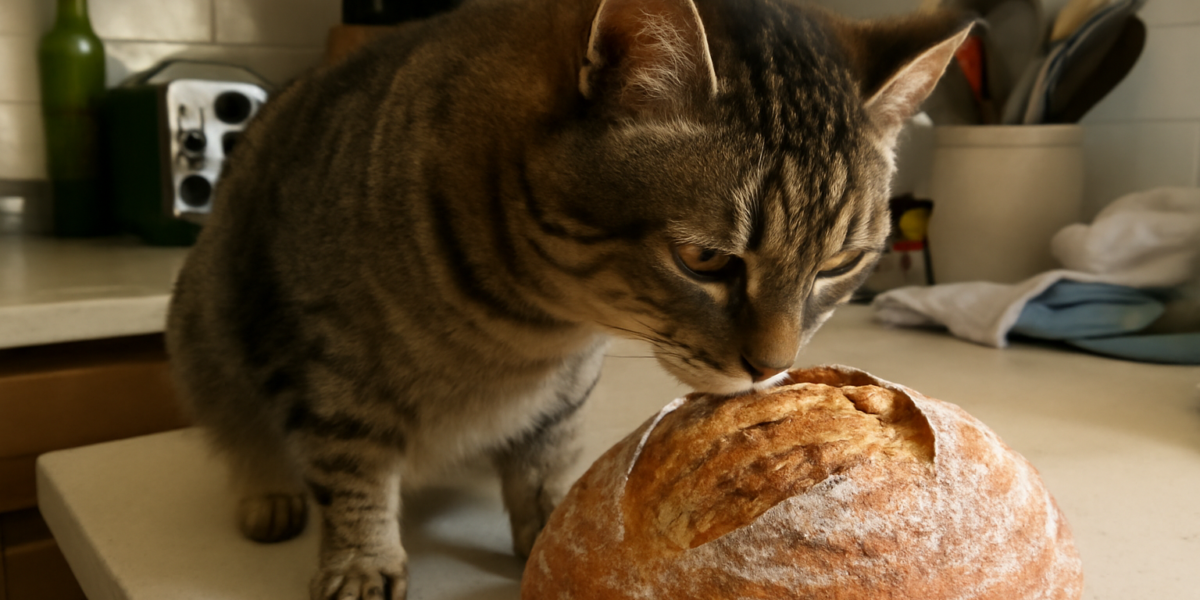
Sourdough bread has experienced a remarkable surge in popularity, with home baking becoming a widespread hobby. If you are among the many people who keep a sourdough starter bubbling away on their kitchen counter, you may have noticed your cat showing curiosity toward your baking projects. The tangy aroma of sourdough can attract feline attention, leading to the important question: can cats eat sourdough bread? The answer is that sourdough bread is not recommended for cats, and raw sourdough dough is actively dangerous.
Understanding why sourdough is problematic for cats requires some knowledge of both feline nutrition and the unique characteristics of sourdough bread. Unlike conventional bread, sourdough is leavened through a natural fermentation process involving wild yeast and lactic acid bacteria. This fermentation creates compounds and conditions that are perfectly fine for human digestion but can pose specific challenges for a cat’s system. As obligate carnivores, cats have no nutritional need for bread in any form, and their digestive systems are not equipped to handle grain-based, high-carbohydrate foods efficiently.
Quick Answer
Sourdough bread is not recommended for cats. While a very small nibble of fully baked, plain sourdough bread is unlikely to cause acute toxicity in a healthy cat, it provides no nutritional value and can cause digestive upset. The high carbohydrate content, salt, and acidic nature of sourdough make it a poor dietary choice for felines. More importantly, raw sourdough dough is genuinely dangerous for cats, as the live yeast can continue fermenting in the warm environment of a cat’s stomach, producing alcohol and expanding gas that can cause life-threatening complications. Keep all sourdough products, especially raw dough and starter, away from your cat.
Nutritional Considerations for Cats
A typical slice of sourdough bread contains approximately 120 to 150 calories, with the majority of those calories coming from carbohydrates, primarily in the form of starch. A slice contains roughly 24 to 28 grams of carbohydrates, 4 to 6 grams of protein, 1 to 2 grams of fat, and varying amounts of sodium depending on the recipe, typically between 200 and 400 milligrams per slice.
For cats, this nutritional profile is deeply mismatched with their biological needs. Cats require diets that are high in animal-based protein, moderate in fat, and very low in carbohydrates. Their metabolic pathways are geared toward gluconeogenesis, the process of generating glucose from protein rather than from dietary carbohydrates. When cats consume high-carbohydrate foods, their limited ability to produce the necessary digestive enzymes means the carbohydrates are poorly processed, often leading to digestive discomfort and providing little usable energy.
The protein in sourdough bread is predominantly gluten, a plant protein that lacks the complete amino acid profile cats require. Cats need specific amino acids like taurine, arginine, and methionine that are found in adequate quantities only in animal-based proteins. The protein in bread cannot substitute for these essential nutrients in any meaningful way.
Sodium is a particular concern with sourdough bread. Salt is a critical ingredient in sourdough baking, both for flavor and for controlling the fermentation process. Most sourdough recipes use between 1.5 and 2 percent salt by weight of flour. This translates to a significant sodium content per slice. Cats have a much lower tolerance for sodium than humans, and excessive salt intake can lead to increased thirst, urination, and in serious cases, sodium ion poisoning characterized by vomiting, diarrhea, tremors, elevated body temperature, and seizures.
The fermentation process that gives sourdough its characteristic tang produces lactic acid and acetic acid. While these acids contribute to the bread’s flavor and improved digestibility for humans, they add to the overall acidity of the food. A cat’s digestive system can be sensitive to acidic foods, potentially resulting in stomach irritation or discomfort.
Benefits and Risks of Sourdough Bread for Cats
There are no genuine nutritional benefits to feeding sourdough bread to cats. Some proponents of sourdough point to its lower glycemic index compared to regular bread, its potential prebiotic effects, and its improved mineral bioavailability due to the fermentation process breaking down phytic acid. While these are valid benefits for human nutrition, they are irrelevant for cats, whose nutritional requirements and digestive physiology are fundamentally different.
The risks of sourdough bread for cats are substantial and varied. The most serious risk involves raw sourdough dough, which is a veterinary emergency if ingested. The warm, moist environment of a cat’s stomach provides ideal conditions for the live yeast in raw dough to continue fermenting. This ongoing fermentation produces two dangerous outcomes simultaneously. First, the dough expands with gas, causing painful stomach distension that can progress to gastric dilation and, in severe cases, gastric torsion, a life-threatening condition where the stomach twists on itself. Second, the fermentation produces ethanol, which is absorbed into the bloodstream, causing alcohol poisoning. Cats are particularly sensitive to alcohol, and even small amounts can cause dangerous drops in blood sugar, body temperature, and blood pressure.
Even fully baked sourdough bread carries risks. The high carbohydrate content can contribute to obesity if consumed regularly, and feline obesity is associated with diabetes, joint problems, and reduced lifespan. The gluten content may cause digestive issues in cats with gluten sensitivities, though true gluten intolerance is less commonly diagnosed in cats than in dogs or humans.
Sourdough bread made with additional ingredients poses extra hazards. Varieties containing raisins or currants are particularly dangerous, as grapes and their dried forms are toxic to cats and can cause kidney failure. Garlic and onion sourdough breads contain compounds that are toxic to cats, damaging their red blood cells and potentially causing hemolytic anemia. Breads with chocolate chips, nuts, or artificial sweeteners like xylitol also present serious toxicity risks.
How to Keep Your Cat Safe Around Sourdough
Prevention is the key strategy when it comes to cats and sourdough. If you bake sourdough at home, keep your starter culture in a secure location that your cat cannot access. Active starter is essentially a concentrated culture of live yeast and bacteria, and if a cat consumed a significant amount, the results could be similar to eating raw dough. Use a container with a secure lid and store it in a cabinet or refrigerator.
During the dough preparation and rising stages, never leave dough unattended in an area accessible to your cat. Rising dough left on a kitchen counter is an inviting target for a curious cat. The soft, warm mass may seem like an interesting object to investigate, and cats have been known to nibble on or even consume substantial portions of raw dough. Cover rising dough securely and consider placing it in a closed oven, microwave, or room that is off-limits to your cat.
After baking, allow your sourdough to cool in a location your cat cannot reach. The aroma of freshly baked bread is potent and can attract even cats that do not typically show interest in human food. Once cooled, store bread in a bread box, sealed bag, or closed cabinet. Never leave slices of bread unattended on plates or countertops where your cat can access them.
If you want to reward your cat while you enjoy your sourdough, offer them an appropriate feline treat instead. A small piece of cooked chicken or a commercial cat treat given at the same time you sit down with your bread can satisfy their desire to participate in your meal without any risk. Looking for a feline companion to share your kitchen with? Visit Walk Me Home Rescue to find adoptable cats waiting for their forever homes.
Signs of Problems After Eating Sourdough
If your cat has eaten a small piece of fully baked sourdough bread, the symptoms are likely to be mild and digestive in nature. Watch for vomiting, diarrhea, gas, bloating, or a temporary decrease in appetite. These symptoms typically resolve within 12 to 24 hours. Offer fresh water and withhold treats until your cat’s digestion returns to normal.
If your cat has consumed raw sourdough dough, the situation is far more serious and requires immediate veterinary attention. Do not wait for symptoms to appear. Symptoms of dough ingestion and resulting alcohol toxicosis can develop within 30 minutes to two hours and may include a visibly distended abdomen, unproductive retching or attempts to vomit, weakness and lethargy, unsteady or wobbly walking indicating intoxication, hypothermia marked by cold ears and paws, slow or depressed breathing, tremors or seizures, and collapse or loss of consciousness.
Time is critical with raw dough ingestion. The sooner your cat receives veterinary treatment, the better the outcome is likely to be. Treatment may include inducing vomiting if the ingestion was very recent, administering activated charcoal, providing IV fluids to address dehydration and metabolic abnormalities, warming measures for hypothermia, and supportive care until the alcohol is metabolized.
If your cat consumed sourdough bread containing toxic ingredients like raisins, garlic, or onion, contact your veterinarian immediately regardless of whether symptoms are present. Some toxicities, such as grape and raisin toxicity, can cause delayed kidney damage that is best treated with early intervention.
Healthy Alternatives to Sourdough Bread for Cats
Cats do not need grain-based or carbohydrate-rich foods in their diet, so the best alternative to sourdough is simply to offer treats that align with their carnivorous biology. Cooked, unseasoned meats remain the gold standard for cat treats. Small pieces of boiled or baked chicken breast, turkey, or lean beef are easy to prepare, highly palatable to most cats, and nutritionally appropriate.
For cats that seem attracted to the texture of bread, small pieces of cooked, plain egg can provide a satisfying, slightly chewy alternative that also delivers high-quality protein. Some cats enjoy the texture of freeze-dried meat treats, which provide a satisfying crunch without any of the carbohydrates, salt, or fermentation byproducts found in sourdough.
Commercially formulated cat treats are designed to be both appealing and safe for felines. Look for treats with meat as the first ingredient and minimal fillers. Dental treats can provide textural satisfaction while also supporting oral health. For more ideas about what foods are safe and beneficial for your cat, explore other articles in our “Can Cats Eat” series, including our guide on whether cats can eat chestnuts, to make informed decisions about your cat’s treats and snacks.
Frequently Asked Questions
Is sourdough bread more dangerous than regular bread for cats?
In its baked form, sourdough bread is roughly comparable to regular bread in terms of risk for cats, though its higher sodium content and acidity make it marginally less suitable. However, raw sourdough dough is more dangerous than some commercial bread doughs because sourdough starter contains a more active and diverse population of wild yeast, which can ferment more vigorously in a cat’s stomach. All raw bread dough is dangerous for cats, but sourdough starter and raw sourdough dough warrant extra caution.
My cat ate a small piece of sourdough toast. Should I go to the vet?
A small piece of plain, fully baked and toasted sourdough bread is very unlikely to cause serious harm to a healthy adult cat. Monitor your cat for any signs of digestive upset over the next 12 to 24 hours. If your cat shows no symptoms, there is generally no need for a veterinary visit. However, if the toast contained toppings like butter, garlic spread, avocado, or any other potentially problematic ingredients, consult your vet about those specific additions. Going forward, try to prevent access to bread and offer species-appropriate treats instead.
Can cats eat sourdough starter?
No, cats should absolutely not eat sourdough starter. Active sourdough starter is a concentrated culture of live yeast and bacteria in a flour and water medium. If consumed, the yeast can begin fermenting in the cat’s warm stomach, producing gas and alcohol. Even a relatively small amount of active starter poses risks because of the high concentration of living yeast organisms. Keep your starter in a secure container and location at all times.
Why is my cat attracted to sourdough bread?
Cats may be attracted to sourdough bread for several reasons. The fermentation process creates aromatic compounds that some cats find intriguing. The yeasty, slightly tangy smell of sourdough can mimic certain savory or umami notes that appeal to a cat’s sense of smell. Some cats are attracted to the warm temperature of freshly baked bread, while others are simply curious about anything their human is eating. A cat’s interest in sourdough does not indicate a nutritional need or that the food is safe for them.
What about sourdough crackers or sourdough pretzels for cats?
Sourdough crackers and pretzels are not appropriate for cats. These products are typically even higher in sodium than sourdough bread, as salt is a prominent flavoring in both crackers and pretzels. The high carbohydrate content remains a concern, and many commercial sourdough crackers contain additional ingredients like garlic powder, onion powder, cheese flavoring, or herbs that may be harmful to cats. None of these products provide any nutritional benefit to cats and should be kept away from them.
Is the alcohol content in baked sourdough bread a concern for cats?
The baking process burns off virtually all of the alcohol produced during sourdough fermentation. Fully baked sourdough bread contains only negligible trace amounts of alcohol that are not a health concern for cats or any other species. The alcohol risk is exclusively associated with raw, unbaked sourdough dough and active sourdough starter, where live yeast is still producing ethanol. Once the bread has been thoroughly baked at high temperatures, the alcohol content is no longer a relevant safety factor. If you are considering adding a cat to your family, Walk Me Home Rescue has wonderful cats looking for their forever homes.


