
Last updated: March 31, 2026
In this article
Can Cats Eat Chestnuts? Safety Guide for Cat Owners
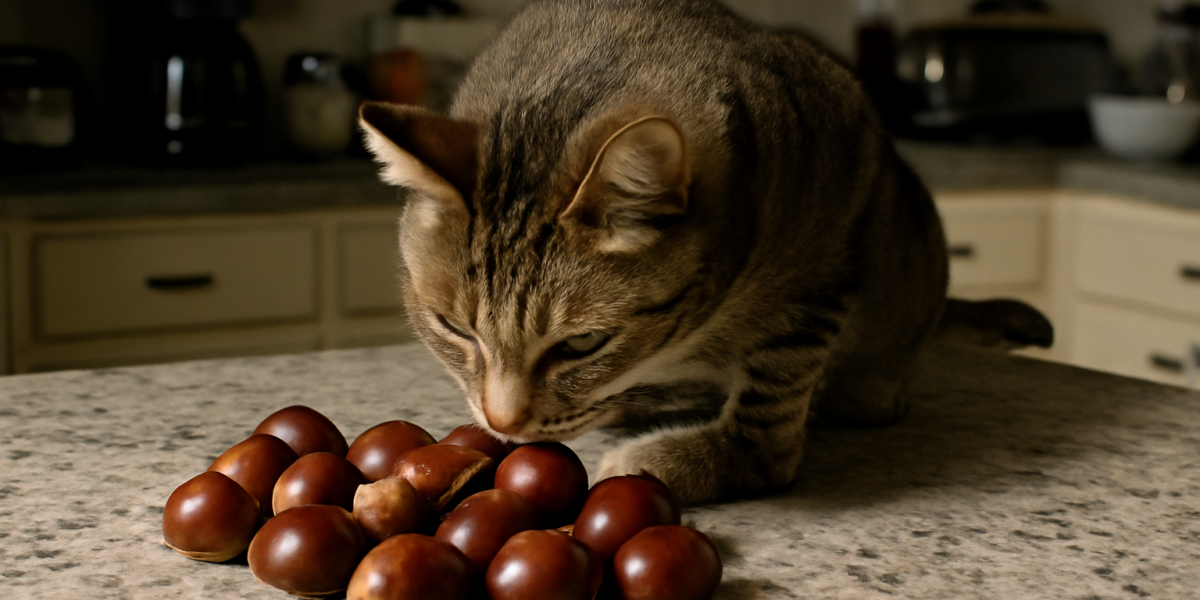
As autumn arrives and roasted chestnuts fill the air with their warm, nutty aroma, it is natural to wonder whether your cat can share in this seasonal treat. Chestnuts are a unique nut in many ways, being much lower in fat and higher in carbohydrates than most other nuts. But does that make them suitable for your feline friend? The answer requires some nuance, as chestnuts are not toxic to cats but are far from an ideal food for them either.
It is important to clarify which chestnuts we are discussing. Sweet chestnuts, also known as Castanea, are the edible variety commonly roasted and used in cooking. These should not be confused with horse chestnuts or conkers, which belong to an entirely different plant family and are toxic to both cats and humans. This article focuses exclusively on edible sweet chestnuts and their safety for cats.
Quick Answer
Cats can eat a very small amount of plain, cooked chestnut without experiencing toxicity, but chestnuts are not recommended as a regular treat. They are high in carbohydrates and starch, which cats have limited ability to digest efficiently. A tiny piece of roasted chestnut on rare occasions is unlikely to cause harm, but there are many better treat options available for your cat. Never feed your cat raw chestnuts, as they are very hard and difficult to digest, and always avoid any chestnuts prepared with sugar, salt, butter, or other seasonings.
Nutritional Considerations for Cats
Chestnuts have a nutritional profile that sets them apart from other tree nuts. They are significantly lower in fat, containing about 2 grams of fat per 100 grams compared to the 50 to 70 grams found in most other nuts. However, they are very high in carbohydrates, with roughly 45 grams of carbohydrates per 100 grams, most of which is starch. They also contain about 2 grams of protein per 100 grams.
For cats, this nutritional profile presents several challenges. As obligate carnivores, cats have evolved to derive their energy primarily from protein and fat rather than carbohydrates. Their digestive systems produce limited amounts of amylase, the enzyme responsible for breaking down starches, compared to omnivorous species. This means that the high starch content in chestnuts is poorly utilized by a cat’s body and can contribute to digestive discomfort.
Chestnuts do contain some nutrients that are beneficial in general terms. They provide vitamin C, B vitamins including folate and B6, potassium, magnesium, and manganese. They also contain dietary fiber, which can support digestive regularity. However, cats obtain these nutrients far more efficiently from animal-based sources, and their requirement for vitamin C is met through internal synthesis rather than dietary intake, unlike humans.
The caloric density of chestnuts, at roughly 200 calories per 100 grams, is moderate compared to other nuts. Nevertheless, even small portions represent a significant caloric addition for a cat. An average indoor cat requires only about 200 to 250 calories per day, so even a single chestnut could represent a meaningful percentage of their daily caloric budget without providing the essential amino acids and nutrients they need.
Benefits and Risks of Chestnuts for Cats
The honest assessment is that chestnuts offer minimal benefits for cats while presenting several potential concerns. The fiber content could theoretically support digestive health, and the low fat content means chestnuts are less likely to trigger pancreatitis than fattier nuts. These are modest advantages at best, and they do not outweigh the drawbacks.
The primary risk of feeding chestnuts to cats is gastrointestinal upset. The high starch content can cause bloating, gas, stomach discomfort, and diarrhea, especially if the cat consumes more than a very small amount. Cats lack the digestive enzymes to process large quantities of starch efficiently, and undigested starch can ferment in the gut, producing gas and discomfort.
Choking is another concern, particularly with whole or large pieces of chestnut. Chestnuts have a dense, somewhat crumbly texture that can break into irregularly shaped pieces, potentially lodging in a cat’s throat. The outer shell of raw chestnuts is particularly hazardous and should never be accessible to cats.
There is also the matter of preparation. Many chestnut preparations intended for human consumption include added sugar, such as candied chestnuts or marron glace, or butter and salt in roasted preparations. Sugar provides empty calories and can contribute to obesity and dental problems. Salt in excessive amounts is dangerous for cats. Butter and other added fats can trigger digestive upset or pancreatitis in sensitive cats.
Perhaps most importantly, there is the risk of confusion between edible chestnuts and horse chestnuts. Horse chestnuts, also called conkers or buckeyes, contain aesculin, a toxic compound that can cause vomiting, diarrhea, muscle twitching, and potentially more serious neurological symptoms in cats. If you are not absolutely certain that you are dealing with edible sweet chestnuts, do not offer them to your cat.
How to Serve Chestnuts Safely to Your Cat
If you choose to let your cat try a small taste of chestnut, following proper preparation guidelines is essential. First, ensure you have genuine sweet chestnuts, not horse chestnuts. Sweet chestnuts have a pointed tip with a small tuft and come in a spiny burr, while horse chestnuts are rounder, smoother, and come from a different type of tree.
Always cook chestnuts before offering them to your cat. Roasting or boiling are the best methods. Do not add any salt, sugar, butter, oil, or seasonings. Plain roasted or boiled chestnuts are the only appropriate preparation for cats. After cooking, remove all shell material and the thin inner skin completely, as these are not digestible.
Cut the chestnut into very small pieces, no larger than a pea, to minimize choking risk. Offer your cat just one or two small pieces as an initial trial. Watch closely to ensure they chew the pieces adequately and do not attempt to swallow them whole. Some cats may show interest in the aroma but lose interest upon tasting, as chestnuts have a mild, starchy flavor that does not strongly appeal to most felines.
Limit chestnut offerings to very rare occasions, perhaps no more than once a month if your cat seems to enjoy them and shows no adverse reactions. This is not a food that should become a regular part of your cat’s treat rotation. For more nutritious treat options for your feline companion, explore our other guides, such as whether cats can eat tripe, which is a far more species-appropriate option.
Signs of Problems After Eating Chestnuts
After your cat eats chestnuts, monitor them for several hours for any signs of digestive discomfort or other adverse reactions. The most common issues are gastrointestinal in nature. Watch for vomiting, which may occur relatively soon after eating if the cat’s stomach rejects the unfamiliar food. Diarrhea or loose stools may develop within several hours as the undigested starch moves through the digestive system.
Bloating and abdominal discomfort may manifest as a cat that is restless, reluctant to lie down, or sensitive when their belly is touched. Excessive gas is another common symptom when cats eat starchy foods their systems are not equipped to handle. These symptoms are usually mild and self-limiting, resolving within 12 to 24 hours.
More concerning signs include choking or gagging, which could indicate that a piece of chestnut has become lodged in the throat or esophagus. If your cat is pawing at their mouth, drooling excessively, or making retching sounds, they may need immediate assistance. Contact your veterinarian or an emergency animal clinic right away.
If you suspect your cat has eaten horse chestnuts rather than sweet chestnuts, the situation is more urgent. Symptoms of horse chestnut poisoning include severe vomiting, diarrhea, drooling, dilated pupils, muscle tremors, lack of coordination, and in severe cases, paralysis or collapse. This requires immediate veterinary treatment, so do not wait to see if symptoms improve on their own.
Healthy Alternatives to Chestnuts for Cats
Given the limited benefits and potential downsides of chestnuts for cats, there are many superior treat options to consider. Protein-rich treats are always the best choice for obligate carnivores. Small pieces of cooked, unseasoned chicken breast, turkey, or lean beef provide the amino acids cats need while being easy to digest.
Freeze-dried meat treats, available in flavors like chicken, salmon, turkey, and rabbit, are convenient and highly palatable for most cats. These retain the nutritional value of the raw meat while being shelf-stable and easy to portion. Many cats also enjoy small amounts of cooked egg, which provides excellent protein and healthy fats.
If your cat enjoys the texture of chestnuts, small pieces of cooked, plain sweet potato can provide a similar starchy satisfaction with added beta-carotene, though this should also be given sparingly due to the carbohydrate content. For a comprehensive look at what foods are safe for your feline friend, check out our other articles in the “Can Cats Eat” series. If you are looking to add a cat to your family, visit our adoption page to meet cats in need of loving homes.
Frequently Asked Questions
Are chestnuts toxic to cats?
Sweet chestnuts, the edible variety used in cooking, are not toxic to cats. They will not cause poisoning if consumed in small amounts. However, horse chestnuts, also known as conkers or buckeyes, are toxic to cats and should never be accessible to them. The distinction between these two types of chestnuts is critical. If you are unsure which type you have, do not offer it to your cat.
Can cats eat roasted chestnuts from a street vendor?
It is best to avoid giving your cat roasted chestnuts purchased from street vendors or commercially prepared roasted chestnuts. These are typically seasoned with salt, sugar, or butter, all of which are inappropriate for cats. If you want to offer your cat a taste of chestnut, prepare it at home where you can control the ingredients and ensure no seasonings are added.
What should I do if my cat ate a whole chestnut?
If your cat ate a whole cooked sweet chestnut, monitor them closely for signs of choking or gastrointestinal upset. A single chestnut is unlikely to cause serious harm, but the large amount of starch may cause some digestive discomfort. If the chestnut was raw, the hard texture could potentially cause an obstruction in a small cat, so watch for signs of distress including repeated vomiting, inability to eat, lethargy, or abdominal pain, and contact your vet if any of these occur.
Can cats eat chestnut puree or chestnut flour?
Plain chestnut puree without added sugar or other ingredients is no more harmful than whole cooked chestnuts, though it is still high in starch and not nutritionally appropriate for cats. Sweetened chestnut puree, such as the type used in desserts, should be avoided due to its high sugar content. Chestnut flour is simply dried and ground chestnuts and carries the same concerns about high carbohydrate content. None of these products offer meaningful nutritional benefits for cats.
Why does my cat want to eat chestnuts?
Cats are curious creatures, and their interest in chestnuts may be driven by the appealing aroma of roasted chestnuts, the novelty of a new food item, or simply their desire to investigate what their human is eating. Some cats are attracted to warm foods, and freshly roasted chestnuts may catch their attention primarily because of the warmth and smell rather than genuine hunger or nutritional craving. A cat’s interest in a food does not necessarily mean that food is good for them.


