
Last updated: April 10, 2026
In this article
Beef Liver Is Safe for Cats in Small Amounts
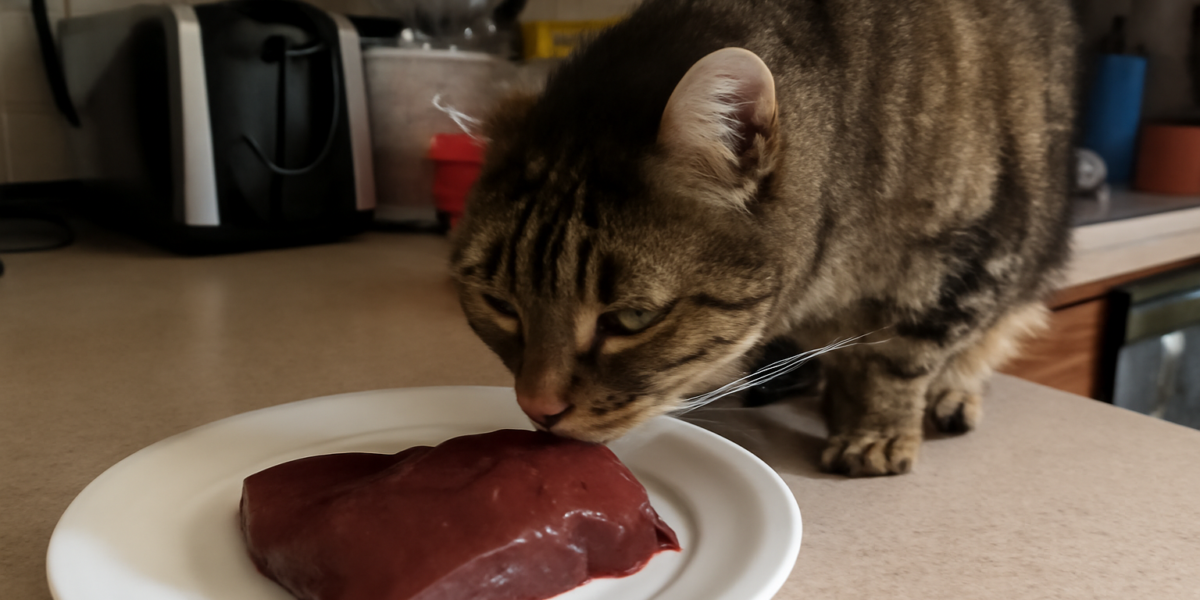
Yes, cats can eat beef liver, and many cats absolutely love it. Beef liver is packed with nutrients that are valuable for feline health, including high-quality protein, taurine, iron, and B vitamins. However, beef liver also contains extremely high levels of vitamin A, which makes portion control essential. Feeding too much beef liver can lead to vitamin A toxicity (hypervitaminosis A), a serious condition that affects the bones and joints. The key is moderation: beef liver should be a small, occasional treat, not a dietary staple.
As obligate carnivores, cats are biologically designed to eat organ meats as part of a whole-prey diet. In the wild, a cat would consume small amounts of liver along with muscle meat, bones, and other organs. The problem arises when domestic cats eat liver in disproportionately large amounts compared to what they would encounter naturally.
Nutritional Benefits of Beef Liver for Cats
Beef liver is one of the most nutrient-dense foods available, and many of its components are particularly beneficial for cats.
- Taurine: Beef liver is an excellent source of taurine, an amino acid essential for cats. Taurine deficiency causes heart disease (dilated cardiomyopathy) and vision problems in cats, making taurine-rich foods valuable supplements.
- Vitamin A: Important for vision, immune function, and skin health. Cats cannot convert beta-carotene from plant sources into vitamin A, so they must get preformed vitamin A from animal sources like liver.
- Iron: Highly bioavailable heme iron supports healthy red blood cell production and prevents anemia.
- B vitamins: Particularly B12 (cobalamin) and folate, which support nervous system function and cell division.
- High-quality protein: Easily digestible animal protein that matches a cat’s biological requirements perfectly.
The nutritional profile makes beef liver an excellent occasional supplement, especially for cats who may benefit from extra taurine or iron. Some veterinarians recommend small amounts of liver for cats recovering from illness or those with certain nutritional deficiencies.
The Vitamin A Toxicity Risk
The most significant risk of feeding beef liver to cats is vitamin A toxicity. Beef liver contains approximately 17,000 to 26,000 IU of vitamin A per ounce, which is extraordinarily concentrated. A cat’s daily vitamin A requirement is roughly 3,000 to 5,000 IU, so even a small serving of liver provides several times the daily need.
Occasional small servings allow the body to use and store vitamin A normally. Problems develop when cats eat liver frequently or in large quantities over weeks or months. Chronic vitamin A toxicity causes a condition called deforming cervical spondylosis, where new bone grows around the joints of the spine and limbs, leading to pain, stiffness, and reduced mobility.
Symptoms of chronic vitamin A toxicity include:
- Stiffness, especially in the neck and front legs
- Reluctance to move, jump, or be groomed
- Weight loss and decreased appetite
- Lethargy
- Dry, flaky skin and a rough coat
- Constipation
These symptoms develop gradually over weeks to months of excessive liver consumption. Once bony changes occur, they are largely irreversible, which is why prevention through portion control is so important. If you suspect your cat has been eating too much liver, consult your veterinarian for a blood test to check vitamin A levels.
Safe Serving Sizes and Frequency
For a healthy adult cat weighing 8 to 10 pounds, a safe serving of beef liver is approximately one teaspoon to one tablespoon of cooked liver, offered no more than once or twice per week. This amount provides beneficial nutrients without approaching the threshold for vitamin A accumulation.
Liver treats should make up no more than 5 percent of your cat’s total weekly caloric intake. If your cat eats a commercial diet that already includes organ meats or added vitamin A (check the ingredient list), reduce the liver supplement accordingly.
For kittens, reduce the portion to about half a teaspoon once per week. Kittens have lower body weight and lower vitamin A tolerance, making them more susceptible to toxicity from relatively small amounts.
If your cat is already taking a vitamin A supplement or eating a raw diet that includes liver, talk to your veterinarian before adding additional liver treats. Cumulative vitamin A from multiple sources is what creates the risk.
How to Prepare Beef Liver for Cats
Proper preparation ensures your cat gets the nutritional benefits while minimizing risks.
Cooking method: Lightly boil or steam beef liver until cooked through. Avoid frying in oil or butter, which adds unnecessary fat and calories. Do not add salt, garlic, onion, or any seasoning, as many common seasonings are toxic to cats.
Cutting: Dice the cooked liver into small, bite-sized pieces appropriate for your cat’s size. Cats tend to gulp treats, so small pieces reduce the choking risk.
Storage: Cooked liver can be refrigerated for up to three days or frozen in single-serving portions for up to three months. Thaw frozen liver in the refrigerator, not at room temperature.
Raw liver: Some raw feeding advocates offer raw beef liver. While cats in the wild eat raw organ meats, raw liver carries a risk of bacterial contamination (Salmonella, E. coli) and parasites. If you choose to feed raw, source from a reputable supplier and discuss food safety protocols with your veterinarian. Most vets recommend cooking liver to reduce these risks.
Beef Liver Versus Other Organ Meats for Cats
If your cat loves the taste of organ meats, rotating between different types can provide varied nutrition while reducing the risk of any single nutrient reaching excessive levels.
Chicken liver: Lower in vitamin A than beef liver (about 12,000 IU per ounce versus 17,000 to 26,000 IU), making it slightly safer in terms of vitamin A accumulation. Still requires portion control.
Heart (beef or chicken): An excellent source of taurine with much lower vitamin A content than liver. Lamb heart is another great option that many cats enjoy.
Kidney: Moderate vitamin A content, good source of B12. Can be offered as part of an organ meat rotation.
Rotating between liver and heart, with liver being the less frequent offering, gives your cat the benefits of organ meats while keeping vitamin A intake in a safe range. For more on feeding your cat fish-based proteins, check our guides on sardines for cats and salmon for cats.
Signs Your Cat Is Eating Too Much Liver
Early detection of excessive liver consumption can prevent irreversible damage. Watch for these warning signs, especially if your cat regularly receives liver treats or eats a liver-heavy diet:
A cat who was previously agile but now hesitates before jumping may be experiencing early joint stiffness from vitamin A-related bone changes. Reluctance to turn the head or stiffness in the neck area is another classic early sign. Changes in grooming habits, where a cat who was previously fastidious stops grooming hard-to-reach areas, may indicate pain or restricted movement.
If you notice any of these signs, discontinue liver treats and schedule a veterinary appointment. Blood work and radiographs can assess vitamin A levels and check for bone changes. Caught early, stopping the excess vitamin A intake can halt progression, though existing bone changes may not reverse completely.
Consult your veterinarian about the right balance of nutrients for your individual cat, especially if your cat has any pre-existing health conditions. If you are exploring the best diet for a newly adopted cat, your vet can create a comprehensive nutrition plan.
Frequently Asked Questions
Can I feed my cat beef liver every day?
No. Daily beef liver feeding will almost certainly lead to vitamin A toxicity over time. Limit liver to once or twice per week in small amounts (one teaspoon to one tablespoon for an average adult cat). Your cat’s regular balanced commercial food should provide the majority of daily nutrition.
Is freeze-dried beef liver safe for cats?
Freeze-dried beef liver treats are popular and convenient. They are safe in the same moderation guidelines as fresh cooked liver. Because freeze-drying concentrates nutrients by removing water, the vitamin A content per gram is actually higher than fresh liver. Follow the treat manufacturer’s feeding recommendations and factor liver treats into your cat’s total vitamin A intake.
My cat is obsessed with beef liver and refuses other food. What should I do?
Some cats develop a strong preference for liver due to its rich flavor. Gradually reduce the liver portion while mixing in other protein sources. Transition slowly over one to two weeks, mixing decreasing amounts of liver with increasing amounts of balanced cat food. If your cat is a very stubborn eater, your veterinarian or a feline nutritionist can help design a transition plan.
Can beef liver help a cat with anemia?
Beef liver’s high iron and B12 content can support red blood cell production, making it a useful dietary supplement for mildly anemic cats when recommended by a veterinarian. However, anemia has many causes (including kidney disease, parasites, and immune disorders), and the underlying cause must be diagnosed and treated. Never self-treat anemia with dietary changes alone. Consult your veterinarian for proper diagnosis and treatment.


