
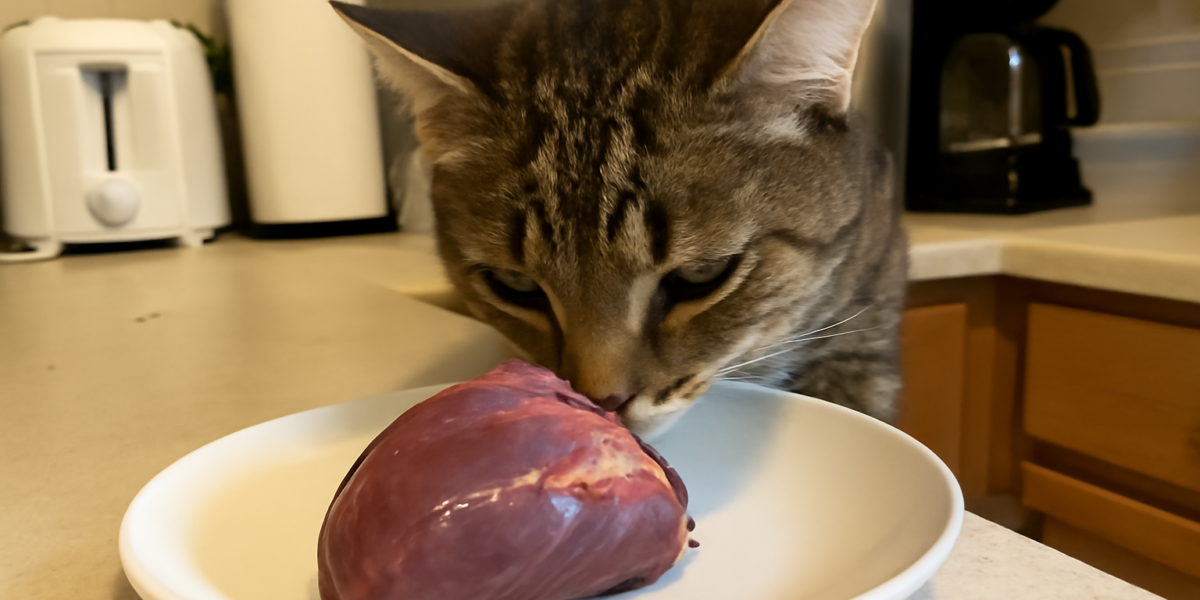
Can Cats Eat Lamb Heart? A Taurine Powerhouse for Felines
Yes, cats can eat lamb heart, and it is one of the most nutritious organ meats you can offer your feline companion. Lamb heart is packed with taurine, an essential amino acid that cats cannot produce on their own and must obtain through their diet. A taurine deficiency can lead to serious health problems including dilated cardiomyopathy and retinal degeneration, making taurine-rich foods like lamb heart especially valuable.
In this article
- Can Cats Eat Lamb Heart? A Taurine Powerhouse for Felines
- Nutritional Benefits of Lamb Heart for Cats
- How to Prepare Lamb Heart for Your Cat
- Serving Size and Frequency Guidelines
- Potential Risks and Precautions
- Lamb Heart Compared to Other Organ Meats
- Signs Your Cat Is Benefiting From Lamb Heart
- Frequently Asked Questions
Unlike some organ meats that require strict portion control due to high vitamin A concentrations, lamb heart is classified as a muscle organ. This means it carries a more balanced nutritional profile and can be fed a bit more generously than liver or kidney. Still, moderation and proper preparation are key to keeping your cat healthy and happy.
Nutritional Benefits of Lamb Heart for Cats
Lamb heart stands out among organ meats because of its impressive nutrient density. A single ounce of raw lamb heart contains roughly 10 milligrams of taurine, which is significantly higher than what you find in regular muscle meat like chicken breast or ground beef. Since cats need approximately 35 to 250 milligrams of taurine daily depending on their size and health, lamb heart can make a meaningful contribution.
Beyond taurine, lamb heart provides high-quality animal protein with a complete amino acid profile. It is also rich in B vitamins, particularly B12, which supports nerve function and red blood cell production. Iron content is another highlight, as the heme iron found in organ meats is more bioavailable than plant-based iron sources.
Lamb heart also delivers coenzyme Q10 (CoQ10), an antioxidant that supports cellular energy production and heart health. Zinc, selenium, and phosphorus round out the mineral profile, making this a genuinely nutrient-dense food for obligate carnivores like cats.
How to Prepare Lamb Heart for Your Cat
Proper preparation ensures your cat gets the most benefit from lamb heart while minimizing any food safety risks. Start by sourcing fresh, high-quality lamb heart from a reputable butcher or grocery store. Look for hearts that are deep red with a firm texture and no off-putting odor.
Trim away any excess fat, valves, and connective tissue before serving. While a small amount of fat is fine, too much can cause digestive upset or contribute to weight gain over time. Cut the heart into small, bite-sized pieces appropriate for your cat’s size.
You have two main preparation options:
- Lightly cooked: Briefly sear or boil the lamb heart pieces for two to three minutes. This kills surface bacteria while preserving most of the taurine content. Avoid overcooking, as prolonged heat can degrade taurine levels significantly.
- Raw feeding: Some cat owners following a raw diet serve lamb heart uncooked. If you choose this route, freeze the meat for at least 72 hours before thawing and serving to reduce parasite risk. Consult your veterinarian before starting any raw feeding program.
Never season lamb heart with salt, garlic, onion, or any spices. These additives are unnecessary for cats and some, like garlic and onion, are toxic to felines.
Serving Size and Frequency Guidelines
Even though lamb heart is nutritious, it should complement your cat’s balanced commercial diet rather than replace it. Organ meats, including heart, should make up roughly 10 to 15 percent of your cat’s total food intake if you are following a homemade or raw diet. For cats eating commercial food, treat lamb heart as an occasional supplement.
A reasonable serving size for most adult cats is about half an ounce to one ounce of lamb heart, offered two to three times per week. Kittens and senior cats may need smaller portions. Start with a very small piece, roughly the size of your thumbnail, and observe how your cat responds over 24 hours before increasing the amount.
If your cat has never eaten organ meat before, introduce lamb heart gradually. A sudden dietary change can cause vomiting or diarrhea, even with a food that is perfectly safe. Mix a tiny amount into their regular food for the first few servings.
Potential Risks and Precautions
While lamb heart is generally safe for cats, there are a few things to watch for. Overfeeding any single food can throw off the nutritional balance your cat needs. Lamb heart is relatively low in calcium and does not contain the complete range of nutrients found in a properly formulated cat food.
Cats with certain health conditions should proceed with caution. If your cat has kidney disease, the high protein and phosphorus content in organ meats may need to be limited. Always check with your veterinarian before adding lamb heart to the diet of a cat with chronic health issues.
Allergies are another consideration. While lamb allergies are less common than chicken or fish allergies in cats, they do occur. Signs of a food allergy include itchy skin, excessive grooming, vomiting, or diarrhea that persists after eating. If you notice these symptoms, discontinue lamb heart and consult your vet.
Store unused lamb heart in the refrigerator for up to two days or freeze it in portion-sized bags for up to three months. Discard any meat that has been left at room temperature for more than 30 minutes.
Lamb Heart Compared to Other Organ Meats
Understanding how lamb heart stacks up against other organ meats can help you rotate foods effectively. Beef liver is extremely rich in vitamin A and iron but must be fed sparingly to avoid vitamin A toxicity. Lamb heart, by contrast, does not carry this risk and can be offered more frequently.
Chicken hearts are another popular option and share many of the same taurine benefits. However, lamb heart tends to be slightly larger and easier to portion for cats. Both are excellent choices, and rotating between them gives your cat a broader range of micronutrients.
Kidney is higher in certain B vitamins but has a stronger flavor that some cats reject. Heart meat, including lamb heart, is often more palatable to picky eaters because its taste and texture are closer to regular muscle meat. If your cat enjoys sardines or other protein-rich treats, there is a good chance they will take to lamb heart as well.
Signs Your Cat Is Benefiting From Lamb Heart
When introduced properly, you may notice positive changes in your cat within a few weeks of adding lamb heart to their diet. A shinier, softer coat is one of the most common improvements, thanks to the high-quality protein and B vitamins supporting skin and fur health.
Improved energy levels and muscle tone can also result from the bioavailable protein and iron. Cats that seem sluggish or have dull coats on a lower-quality diet sometimes perk up noticeably when nutrient-dense foods like organ meats are added.
Healthy digestion is another positive sign. Cats that tolerate lamb heart well typically produce firm, well-formed stools. If you notice loose stools or changes in litter box habits, reduce the portion size or frequency and reassess.
Frequently Asked Questions
Can kittens eat lamb heart?
Yes, kittens can eat lamb heart once they are fully weaned, typically around eight weeks of age. Offer very small pieces, roughly pea-sized, and limit servings to once or twice per week. Kittens have developing digestive systems, so introduce any new food slowly and watch for signs of stomach upset.
Is raw lamb heart safer than cooked for cats?
Both raw and lightly cooked lamb heart can be safe when handled properly. Raw feeding preserves slightly more taurine but carries a higher risk of bacterial contamination. Lightly cooking the heart for two to three minutes offers a good compromise. Your veterinarian can help you decide which approach is best for your household.
How much taurine does lamb heart provide compared to commercial cat food?
Lamb heart contains roughly 10 milligrams of taurine per ounce, which is considerably more than the minimum levels found in most commercial cat foods. However, commercial foods are formulated to meet all of your cat’s nutritional needs in every serving, so lamb heart works best as a supplement rather than a replacement.
Can I feed my cat lamb heart every day?
Daily feeding is not recommended unless you are following a veterinarian-supervised homemade diet that accounts for complete and balanced nutrition. For most cats on commercial food, two to three servings per week is a safe and beneficial frequency. Rotating with other protein sources keeps the diet varied and interesting.
What should I do if my cat refuses lamb heart?
Some cats are hesitant to try new foods. Try mixing a tiny amount of finely minced lamb heart into their regular wet food. You can also lightly warm the heart to release its aroma, which may make it more appealing. If your cat consistently refuses, do not force it. There are plenty of other nutritious options to explore.


