Last updated: May 6, 2026
In this article
American Curl Cat Breed Profile: The Unique Curled-Ear Cat
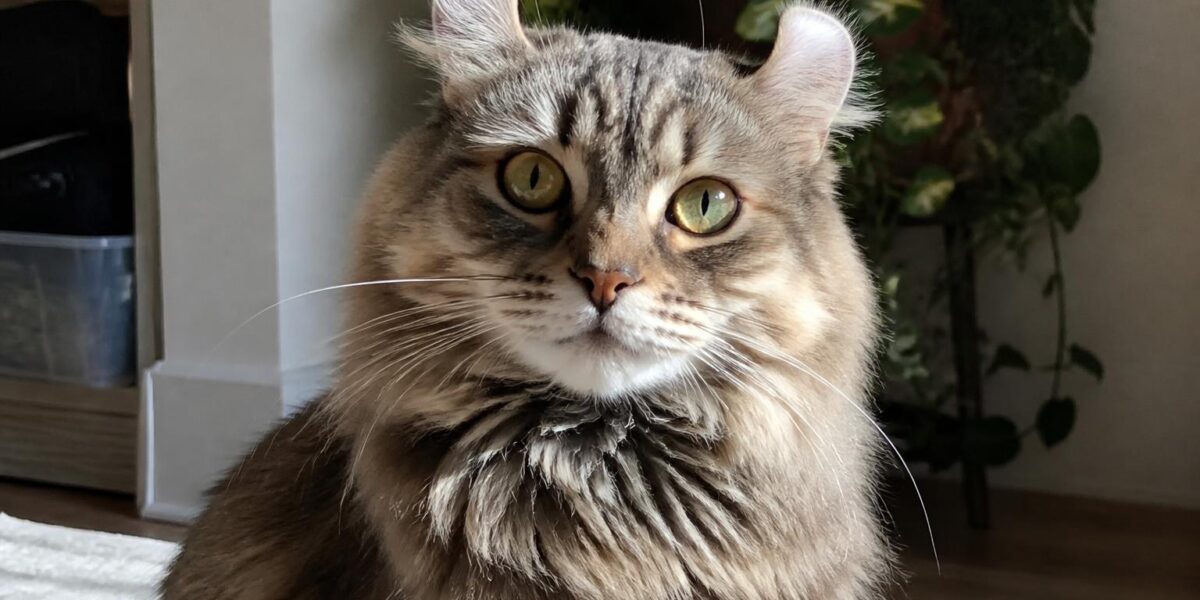
Few cat breeds capture attention quite like the American Curl cat. With their signature backward-curling ears that look like they were styled by a gentle breeze, these cats are living proof that nature has a creative side. But the American Curl is far more than a pair of unusual ears. Behind that striking appearance lies a warm, playful, and deeply affectionate companion that bonds closely with their human family.
The American Curl is a relatively young breed compared to many ancient feline lineages, yet it has quickly established itself as a beloved companion in households around the world. In this comprehensive guide from Walk Me Home Rescue, we’ll explore everything you need to know about the American Curl cat, from the genetic mutation that gives them their distinctive look to the daily care that keeps them thriving.
The Origin Story: A Stray Cat Named Shulamith
The American Curl’s origin story reads like a fairy tale, and it all began in 1981 in Lakewood, California. Joe and Grace Ruga discovered a stray longhaired black kitten with unusual curled ears on their doorstep. They named her Shulamith, and she quickly became a cherished member of the family. When Shulamith had her first litter of kittens later that year, two of the four kittens inherited her distinctive curled ears, confirming that the trait was genetic.
Geneticists soon took an interest in these remarkable ears. Research revealed that the curl was caused by a spontaneous natural mutation involving a dominant gene. This meant that even one parent with curled ears could produce curled-ear kittens. Importantly, the mutation was found to have no negative health effects on the cartilage of the ears or any other part of the body, which set it apart from some other ear mutations in the cat world.
By 1983, breeders began working to establish the American Curl as a recognized breed. The International Cat Association (TICA) was the first to grant the breed championship status in 1987, and the Cat Fanciers’ Association (CFA) followed with full recognition in 1993. Remarkably, Shulamith is the foundational ancestor of all pedigreed American Curl cats today, making her one of the most important cats in modern breeding history.
The breed’s development was guided by careful outcrossing to domestic longhaired and shorthaired cats, which helped maintain genetic diversity and overall health. This responsible approach to breeding is one of the reasons the American Curl remains a robust and healthy breed with few inherited health problems.
Those Remarkable Ears: Understanding the Curl
The defining feature of the American Curl cat is, of course, those fascinating ears. But there’s more to the curl than meets the eye, and understanding the mechanics behind it is important for any current or prospective owner.
American Curl kittens are actually born with straight ears. The curling process begins when kittens are between three and five days old, and the ears continue to gradually unfurl and refurl over the next several months. By approximately 16 weeks of age, the ears reach their permanent degree of curl, which can range from a gentle arc to a dramatic crescent shape. Breeders classify the degree of curl into three grades: first degree is a slight curl, second degree is a more pronounced arc, and third degree is the full crescent shape preferred in show cats.
The cartilage in the curled portion of the ear is firm to the touch, similar to the cartilage in a human ear. It’s essential to handle these ears gently and never attempt to straighten or force the curl. Rough handling can damage the cartilage and cause pain or injury. When cleaning your American Curl’s ears, use a soft touch and veterinarian-approved cleaning solutions.
Because the ear canal can be slightly more exposed due to the curl, American Curls may be somewhat more susceptible to debris accumulation in the ears. Regular ear checks are important to catch any signs of wax buildup, dirt, or early infection. If you notice your cat pawing at their ears, shaking their head frequently, or if you detect an unusual odor from the ears, consult your veterinarian promptly. For more on ear health, our guide to cat ear infection treatment covers signs to watch for and how to respond.
Physical Characteristics Beyond the Ears
While the ears understandably steal the spotlight, the American Curl is a well-proportioned and attractive cat in every respect. They are a medium-sized breed, with most adults weighing between 5 and 10 pounds. Males tend to be slightly larger than females, but both sexes have an elegant, moderately muscled build that balances strength with grace.
The head is a modified wedge shape, longer than it is wide, with a gentle nose curve and a firm chin. The eyes are walnut-shaped, moderately large, and can come in virtually any color. They often have a bright, alert expression that reflects the breed’s curious and engaged personality.
American Curls come in both longhaired and shorthaired varieties, and both are equally accepted in cat shows. The longhaired version has a silky, flowing coat with a plumed tail, while the shorthaired variety has a sleek, lustrous coat that lies close to the body. Both coat types come in every color and pattern imaginable, including solid, tabby, tortoiseshell, Calico, bicolor, pointed, and more.
One of the breed’s most appealing physical traits beyond the ears is their silky coat texture. Whether long or short, the American Curl’s fur has a notably soft, silky quality with relatively little undercoat. This means less matting for the longhaired variety and less shedding overall compared to many other breeds. The tail is full and plumed in longhairs, and proportionate and tapered in shorthairs.
Temperament and Personality Traits
The American Curl cat has a personality that’s every bit as charming as their appearance. These cats are known for their youthful, kitten-like demeanor that persists well into adulthood and even their senior years. Breeders and enthusiasts often refer to them as the “Peter Pan” of the cat world because they never seem to fully grow up in spirit.
Affection is the American Curl’s love language. These cats form deep bonds with their human family members and express their attachment through gentle head bumps, purring, and a desire to be near you at all times. They’re not typically demanding or vocal about their affection, preferring instead to quietly position themselves on your lap, beside you on the couch, or at the foot of your bed.
Intelligence is another hallmark of the breed. American Curls are quick learners who enjoy puzzle toys, interactive feeders, and even learning tricks like fetch, sit, and high-five. Their curiosity drives them to investigate new objects, sounds, and situations with enthusiasm rather than fear, which makes them adaptable to changes in their environment.
These cats are wonderful with children, showing patience and gentleness even with younger kids. Their playful nature means they’re always up for a game, and their sturdy build allows them to handle the occasional clumsy interaction without distress. They also tend to coexist peacefully with other cats and cat-friendly dogs, making them excellent additions to multi-pet households. For more on kid-friendly felines, see our guide to the best cats for kids.
One thing to note is that American Curls don’t do well with extended periods of isolation. While they’re not as demanding as some breeds, they do need regular companionship and interaction to stay happy. If you work long hours, consider getting a second pet so your Curl has company during the day.
Health Considerations and Lifespan
The American Curl is a remarkably healthy breed, thanks in large part to the genetic diversity maintained through responsible outcrossing during the breed’s development. These cats typically enjoy a lifespan of 12 to 16 years, with many individuals living well into their late teens with proper care.
Unlike some other cat breeds with ear mutations, the American Curl’s curled ears are not associated with any skeletal or cartilage abnormalities elsewhere in the body. This is an important distinction, especially when compared to breeds like the Scottish Fold, where the ear fold gene can sometimes cause cartilage and bone issues. You can learn more about this comparison in our Scottish Fold cat breed profile.
The most breed-specific health consideration for the American Curl involves ear care. The firmer cartilage and unique ear shape require gentle handling, and the slightly more open ear canal necessitates regular inspection and cleaning. Beyond the ears, American Curls are subject to the same common feline health conditions as any cat, including dental disease, obesity, and age-related kidney changes.
Hypertrophic cardiomyopathy (HCM) can occur in any breed, and periodic cardiac screening is recommended, especially for breeding cats. Regular veterinary check-ups, a balanced diet, appropriate vaccinations, and parasite prevention form the foundation of preventive health care for the American Curl.
Maintaining a healthy weight is important for this breed. While they’re naturally active and playful, indoor cats can still gain excess weight if their diet isn’t properly managed. Work with your veterinarian to establish an appropriate feeding plan based on your cat’s age, weight, and activity level.
Grooming and Maintenance
Grooming needs for the American Curl vary depending on whether you have the longhaired or shorthaired variety, but both are considered relatively low-maintenance compared to many other breeds. The breed’s minimal undercoat is the key factor here, as it significantly reduces matting in the longhaired variety and shedding in both types.
For shorthaired American Curls, a weekly brushing session is typically sufficient to keep the coat in excellent condition. Use a soft-bristle brush or rubber grooming mitt to remove loose hair and distribute natural skin oils. Longhaired Curls benefit from brushing two to three times per week, using a stainless steel comb or slicker brush to work through the silky fur and prevent any tangles from forming.
Ear care deserves special attention with this breed. Check the ears weekly for any signs of wax buildup, debris, or redness. Clean the outer ear gently with a cotton ball dampened with a veterinarian-approved ear cleaning solution. Never insert anything into the ear canal, and always handle the curled cartilage with care. If you notice excessive wax, discharge, or an unusual smell, schedule a veterinary appointment.
Regular nail trimming every two to three weeks, dental care including periodic tooth brushing, and occasional eye wiping to remove any discharge round out the grooming routine. Starting these practices early in your cat’s life will help them become a comfortable and cooperative grooming partner.
Living with an American Curl: Tips for a Happy Home
Creating an enriching environment is essential for keeping your American Curl mentally and physically stimulated. These intelligent, playful cats need daily interactive play sessions, ideally 15 to 20 minutes at least twice a day. Feather wands, laser pointers (always ending with a tangible “catch”), and puzzle toys are all excellent choices.
Provide vertical spaces like cat trees, shelves, and window perches where your Curl can climb, observe, and survey their territory. Window perches are particularly popular with this breed, as they love watching birds, squirrels, and other outdoor activity. Scratching posts in various orientations, both vertical and horizontal, will help keep their claws healthy and your furniture intact.
American Curls are adaptable to various living situations, from apartments to large homes. They’re primarily indoor cats and should be kept indoors for their safety, though a secure outdoor enclosure or “catio” can provide enriching outdoor time without the risks associated with free roaming.
Because of their social nature, American Curls generally do best in homes where they’ll have regular company. If your household is empty for long stretches during the day, consider adopting a second cat as a companion. Two American Curls will keep each other entertained and provide the social interaction both need to thrive.
Frequently Asked Questions
Are American Curl cats hypoallergenic?
No cat breed is truly hypoallergenic, and the American Curl is no exception. However, their relatively low shedding levels, particularly in the shorthaired variety, may make them more tolerable for people with mild cat allergies. The primary cat allergen is a protein called Fel d 1, which is found in cat saliva, skin, and urine, not just in fur. If you have allergies, spend time with an American Curl before committing to adoption to gauge your individual reaction.
Do American Curl cats have health problems related to their ears?
The American Curl’s ear mutation is remarkably benign compared to ear mutations in some other breeds. The curled ears do not cause pain, hearing problems, or skeletal abnormalities. The main consideration is that the ear canal may be slightly more exposed, requiring regular cleaning and monitoring for debris or infection. With proper ear care, most American Curls enjoy excellent ear health throughout their lives.
How much does an American Curl cat cost?
From a reputable breeder, American Curl kittens typically range from $1,000 to $2,500 depending on pedigree, coat type, and show quality. However, we always encourage checking shelters and rescue organizations first. American Curl mixes and even purebreds occasionally appear in rescue, and adoption fees are significantly lower while also giving a cat in need a second chance at a loving home.
Can American Curl cats be left alone during the workday?
American Curls can manage reasonable periods alone, such as a standard workday, but they shouldn’t be isolated for extended periods on a regular basis. They’re social cats who need interaction and companionship. If you work full-time, providing enrichment activities like puzzle feeders, interactive toys, and a window perch can help keep them occupied. Having a second pet as a companion is also an excellent solution for preventing loneliness.
Looking to adopt a American Curl Cat Breed Profile?
Browse American Curl Cat Breed Profile cats and mixes available for adoption from shelters and rescues near you.
Find American Curl Cat Breed Profile Cats for Adoption