Last updated: April 6, 2026
In this article
Best Cats for Kids: 12 Child-Friendly Cat Breeds
Bringing a cat into a family with children is one of the most rewarding decisions a parent can make. Cats teach kids responsibility, empathy, and compassion — all while providing endless entertainment and unconditional companionship. But not every cat is equally suited to a home full of energetic little ones. Some breeds are naturally more patient, tolerant, and playful, making them a better match for families with kids.
If you are searching for the best cats for kids, this guide covers 12 child-friendly breeds that are known for gentle temperaments, sociable personalities, and a willingness to put up with the occasional clumsy hug from a toddler. Whether you are a first-time cat owner or adding a second feline to your household, one of these breeds is likely to be a perfect fit. And if a specific breed is not available near you, we also explain why adopting a mixed-breed cat from a local rescue can be just as wonderful.
What Makes a Cat Good With Kids?
Before diving into specific breeds, it helps to understand which traits make a cat well-suited for children. The best cats for kids generally share a few key characteristics.
Patience and tolerance. Kids are unpredictable — they move quickly, make loud noises, and sometimes handle animals more roughly than they intend. A cat that is patient and slow to react with aggression is less likely to scratch or bite during enthusiastic playtime.
Playfulness. Children want a companion that will chase a feather wand and engage in interactive play. Breeds with moderate to high energy tend to bond more quickly with kids.
Sociability. A cat that enjoys being around people — rather than retreating to a hiding spot — makes daily family life easier and more enjoyable for everyone.
Adaptability. Family homes can be noisy and chaotic. The best cats for kids adapt well to change, tolerate visitors, and are not easily startled by household commotion.
Sturdy build. Larger, more robust cats handle life with children better than very small or fragile breeds. A medium-to-large cat is less likely to be injured by an accidental squeeze from a toddler.
12 Best Cat Breeds for Kids
The following breeds consistently earn top marks for family friendliness. Each one brings something unique to the table, so consider your household’s energy level, schedule, and grooming willingness when making your choice. You can learn more about each breed in our cat breeds directory.
1. Ragdoll
Ragdolls get their name from a charming habit of going completely limp when picked up, making them remarkably easy for children to hold and cuddle. These large, blue-eyed cats are gentle, patient, and rarely aggressive. They follow their family from room to room and require only moderate grooming of their silky, semi-long coat. If your child dreams of a cat that acts like a stuffed animal come to life, the Ragdoll is a top choice.
2. Maine Coon
Maine Coons are the gentle giants of the cat world. Males can weigh up to 25 pounds, giving them a sturdy build that handles life with young children. Despite their size, they are sweet-natured, playful well into adulthood, and often learn to fetch. Their thick coat needs regular brushing, but many kids enjoy helping with grooming. Maine Coons get along well with other pets, making them ideal for multi-pet families.
3. Birman
Birmans are affectionate, soft-spoken cats known for their color-point coats, blue eyes, and distinctive white “gloves.” They are calm without being aloof — happy to be held or to sit nearby and observe. Their gentle disposition makes them excellent companions for younger children still learning to interact with animals. Birmans rarely use their claws in play, giving parents extra peace of mind.
4. Burmese
If your family wants a cat that loves being the center of attention, the Burmese is a standout. These compact, muscular cats are incredibly people-oriented and form strong bonds with every household member. Playful and energetic, they make excellent playmates for school-age children. Their short, satin-like coat requires minimal grooming — a practical bonus for busy families.
5. Abyssinian
Abyssinians are the athletes of the cat world — agile, curious, and always up for adventure. They are a perfect match for active, older children who enjoy interactive play. While not typical lap cats, they are deeply loyal and prefer to be wherever their people are. Their short, ticked coat is low-maintenance, and their intelligence means they can learn tricks that delight kids of all ages.
6. Exotic Shorthair
Think of the Exotic Shorthair as a Persian with a lower-maintenance coat. These round-faced, plush cats are calm, affectionate, and content to lounge on the couch with a child for hours. They tolerate handling well and rarely scratch or bite, making them especially suitable for families with very young children.
7. Manx
The Manx is recognizable for its rounded appearance and short or absent tail. Beyond their unique look, Manx cats are dog-like in loyalty and playfulness — they enjoy fetch, come when called, and are fiercely devoted to their families. They handle changes in routine well, making them a solid choice for busy families.
8. Scottish Fold
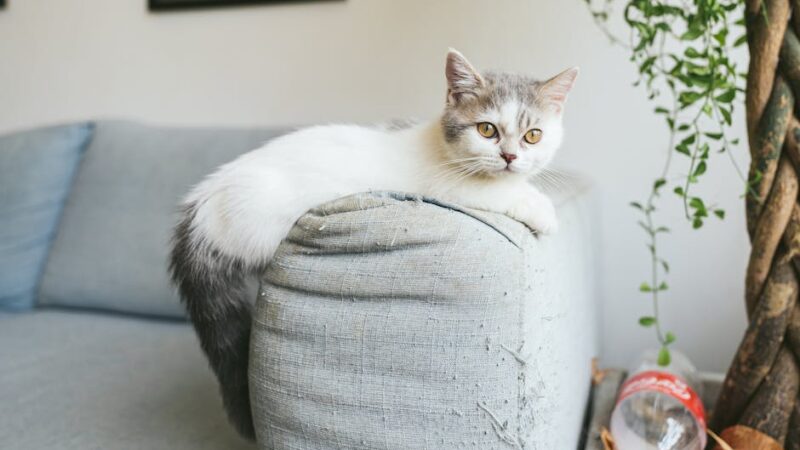
Scottish Folds are recognized by their distinctive folded ears, giving them an owl-like expression children find irresistible. Beneath that adorable exterior is a calm, sweet-tempered cat that adapts well to family life. Moderately active, they enjoy play sessions but are equally happy to curl up on a lap. They bond closely with their families and do well with children of all ages.
9. Siamese
Siamese cats are among the most vocal and social breeds in the world. They love to “talk,” and this chatty personality is a huge hit with kids. Intelligent and highly interactive, they form deep bonds and become devoted companions to children who give them regular attention. Their sleek, short coat needs almost no grooming, but they do best in homes where they are not left alone for long stretches.
10. American Shorthair
The American Shorthair is the quintessential family cat — sturdy, healthy, and easygoing. Playful enough to entertain kids but calm enough for quieter moments, they adapt to a wide range of family dynamics. Their short, dense coat is low-shedding and easy to maintain. If you want a reliable, no-fuss family cat, the American Shorthair is hard to beat.
11. Tonkinese
A cross between Siamese and Burmese, the Tonkinese combines the best of both breeds. These outgoing cats are playful, mischievous, and love inventing games for children to join. They enjoy laps and being carried, and are remarkably tolerant of unpredictable handling from young children. Their solid build and short, mink-like coat make them a practical and personality-packed family choice.
12. Devon Rex
The Devon Rex is a small, pixie-faced cat with oversized ears and a wavy coat. Often compared to puppies for their playful, attention-seeking behavior, they love to perch on shoulders and perform acrobatics that keep kids entertained. Despite their high energy, Devon Rex cats are gentle and rarely aggressive. Their curly coat produces less loose hair than most breeds — a bonus for families concerned about shedding.
Teaching Kids to Respect Cats
Even the most patient, child-friendly cat has limits. Teaching children how to interact respectfully with their feline companion is essential for building a safe, lasting bond between kids and cats. Parents should start these lessons early and reinforce them consistently.
Teach gentle touch. Show children how to pet a cat with an open palm, stroking along the back rather than grabbing, squeezing, or pulling. Demonstrate the difference between a gentle touch and a rough one, and praise kids when they handle the cat carefully.
Respect the cat’s space. Every cat needs a quiet retreat where it can rest undisturbed. Teach children that when the cat goes to its bed, perch, or hiding spot, it should be left alone. This gives the cat a sense of security and reduces the risk of defensive scratching or biting.
Learn body language. Even young children can learn to recognize basic feline signals. A twitching tail, flattened ears, or a low growl all mean the cat wants to be left alone. Teaching kids to read these signs helps prevent negative interactions before they happen.
Supervise young children. Toddlers and preschoolers should always be supervised around cats. No matter how gentle the breed, very young children may not yet have the motor control to handle a cat safely. Supervision protects both the child and the cat.
Involve kids in care. Giving children age-appropriate responsibilities — filling the water bowl, measuring kibble, or brushing the cat — builds empathy and teaches them that pet ownership involves daily effort, not just playtime.
Adopting a Mixed-Breed Cat for Families
While purebred cats certainly have predictable traits, millions of wonderful mixed-breed cats in shelters and rescues across the country make equally fantastic family pets. Mixed-breed cats — sometimes called domestic shorthairs, domestic mediums, or domestic longhairs — offer incredible variety in personality, appearance, and temperament.
One major advantage of adopting a mixed-breed cat from a rescue is that foster families have often already evaluated the cat’s behavior around children and other pets. Shelter staff and volunteers can match you with a cat whose known temperament fits your family, which removes much of the guesswork that comes with choosing a kitten of any breed.
Mixed-breed cats also tend to benefit from hybrid vigor, meaning they are often healthier and less prone to the genetic conditions that can affect some purebred lines. This can translate to fewer vet bills and a longer, healthier life for your family’s new companion.
If you are ready to welcome a cat into your home, we encourage you to browse adoptable cats near you through Walk Me Home Rescue. Whether you have your heart set on a specific breed or are open to meeting a mixed-breed cat that steals your heart, adoption is a compassionate choice that gives a deserving cat a second chance at a loving home.
Frequently Asked Questions
What is the best age to introduce a cat to a child?
Cats can be introduced to children of any age, but families with toddlers should choose a calm, patient breed and supervise all interactions closely. Many experts recommend adopting an adult cat rather than a kitten for families with very young children, as adult cats are typically calmer and their temperament is already established.
Are kittens or adult cats better for families with kids?
Both can work well, but adult cats often have the advantage. Their personality is fully developed, so you know what you are getting. Kittens are adorable but fragile and may scratch during play. For families with toddlers, an adult cat is usually the safer bet.
How do I know if my child is ready for a cat?
A child who can follow basic instructions, demonstrate gentle touch, and show interest in caring for an animal is generally ready. Parents should be prepared to handle the bulk of daily care — feeding, litter box cleaning, and vet visits — while gradually teaching children to take on age-appropriate responsibilities.
Can cats and babies safely live together?
Yes, with proper precautions. Keep the cat out of the nursery when the baby is sleeping, introduce the cat to the baby’s scent gradually, and never leave a baby unattended with any pet. Most cats adjust well to a new baby, especially if they are given time and space to adapt to the changes in the household.
Do any of these breeds have special health concerns?
Some breeds are prone to specific conditions. Scottish Folds can develop joint issues related to their ear cartilage gene, Maine Coons may be susceptible to hypertrophic cardiomyopathy, and Exotic Shorthairs can experience breathing difficulties due to their flat faces. Always research breed-specific health concerns and choose a reputable breeder or, better yet, adopt from a rescue where health histories are often available.
How many cats should a family with kids have?
One cat is a great starting point. Some breeds, like Siamese and Burmese, do better in pairs because they crave companionship. If your family is away during the day, a second cat can prevent loneliness. Evaluate your space, budget, and time before adding another feline.
Looking to adopt a Best Cats for Kids?
Browse Best Cats for Kids cats and mixes available for adoption from shelters and rescues near you.
Find Best Cats for Kids Cats for Adoption