Last updated: April 27, 2026
In this article
Exotic Shorthair Cat Breed Profile: The Teddy Bear of the Cat World
If you have ever fallen in love with the sweet, gentle personality of a Persian cat but been daunted by the prospect of daily grooming, the Exotic Shorthair might be your dream companion. Often called the “lazy man’s Persian,” the Exotic Shorthair offers all the charm, affection, and calm temperament of the Persian in a plush, low-maintenance short-coated package. With its round face, big expressive eyes, and teddy bear-like appearance, the Exotic Shorthair cat has become one of the most popular breeds in the world.
In this complete breed profile, we will explore the Exotic Shorthair’s history, physical characteristics, personality, health considerations, grooming needs, and the ideal living situation for this lovable breed.
History and Origin of the Exotic Shorthair
The Exotic Shorthair’s story begins in the 1950s and 1960s, when American Shorthair breeders began crossing their cats with Persians. The original goal was not actually to create a new breed but rather to improve the American Shorthair’s body type and introduce the silver color that was so popular in Persians. However, the resulting kittens — with their round Persian faces, stocky bodies, and plush short coats — were so appealing that breeders and cat enthusiasts took notice.
Jane Martinke, a prominent American Shorthair breeder and CFA judge, was among the first to recognize the potential of these Persian-American Shorthair crosses as a distinct breed. She proposed that they be given their own breed category, and in 1966, the Cat Fanciers’ Association officially recognized the Exotic Shorthair as a new breed.
In the early years, breeders also crossed Persians with Burmese and Russian Blue cats to strengthen the short-coat gene. Once the breed was well established, the CFA restricted outcrossing to Persians and American Shorthairs only. Today, most Exotic Shorthair breeding involves crossing Exotic Shorthairs with each other or with Persians.
Because the Exotic Shorthair carries the longhair gene from its Persian parent, some litters produce longhaired kittens. These are sometimes called “Exotic Longhairs” and are essentially Persians, though some registries classify them separately. For more about the Exotic Shorthair’s closest relative, see our Persian cat breed profile.
The Exotic Shorthair’s popularity has skyrocketed over the past few decades. It has ranked as one of the most popular cat breeds in CFA registration statistics for years, and its adorable, photogenic face has made it a social media darling.
Appearance and Physical Characteristics
The Exotic Shorthair is a medium to large cat with a stocky, cobby body that is low to the ground and solidly built. Males typically weigh 10 to 14 pounds, while females range from 7 to 11 pounds. Everything about the Exotic Shorthair is round — the head, the eyes, the body, even the paw pads.
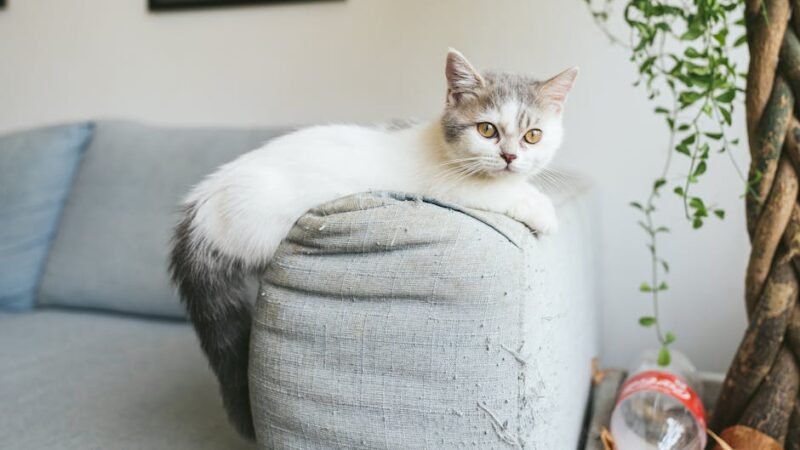
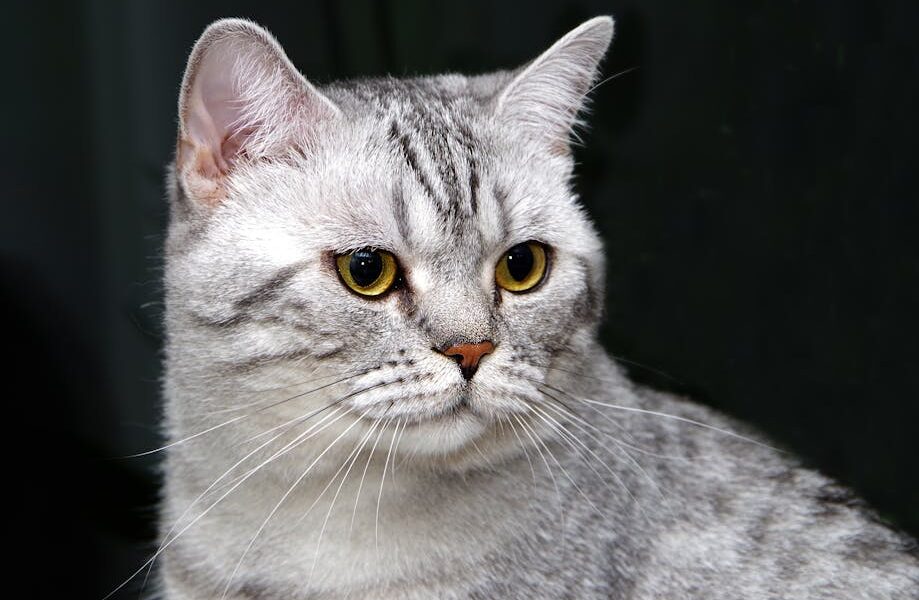
The face is the breed’s most recognizable feature. Like the Persian, the Exotic Shorthair has a flat, brachycephalic face with a short nose, full cheeks, and large, round eyes set wide apart. The expression is sweet, open, and perpetually endearing. Eye color varies with coat color and can include copper, blue, green, or odd-eyed (one of each color) in white cats.
The ears are small, set wide apart, and tilt slightly forward, contributing to the breed’s round-headed appearance. The neck is short and thick, blending seamlessly into the broad chest and powerful body. The legs are short, thick, and sturdy, ending in large, round paws. The tail is short and proportional to the body.
The Exotic Shorthair’s coat is where it differs most significantly from the Persian. Instead of the Persian’s long, flowing fur, the Exotic has a medium-length, dense, plush coat that stands out from the body. The texture is soft and velvety, similar to a high-quality stuffed animal. The coat comes in every color and pattern recognized in the Persian breed, including solid, tabby, bicolor, Calico, colorpoint (known as “Himalayan” markings), silver, and smoke.
Temperament and Personality
The Exotic Shorthair inherits the Persian’s calm, gentle, and affectionate temperament, making it one of the most easygoing cat breeds available. These cats are sweet-natured, quiet, and remarkably patient. They enjoy being held, petted, and cuddled, and they have a particular talent for draping themselves across their owner’s lap and purring contentedly for hours.
While the Exotic Shorthair is more playful and active than the Persian — likely an influence from the American Shorthair side — it is still a relatively low-energy breed. Exotic Shorthairs enjoy interactive play sessions and will happily chase a feather toy or bat at a ball, but they are equally content to lounge in a sunny spot or watch the world go by from a comfortable perch. They are not known for acrobatic feats or destructive behavior, making them one of the best indoor cats for calm households.
These cats are affectionate without being overly demanding. They will seek out your company and enjoy sitting near you or on you, but they are not usually the type to follow you around incessantly or vocalize loudly for attention. Their voice is soft and infrequent — when an Exotic Shorthair does speak, it is usually a quiet, sweet chirp rather than a demanding meow.
The Exotic Shorthair tends to be friendly with everyone, including visitors, though some individuals may be initially shy. They generally get along well with other cats, gentle dogs, and respectful children. Their calm demeanor and patience make them excellent companions for seniors and for anyone seeking a gentle, undemanding feline friend.
One personality trait worth noting is that many Exotic Shorthairs have a special fondness for one particular person in the household. While they are friendly with everyone, they often choose a “favorite” and reserve their deepest affection for that individual.
Health Issues and Lifespan
The Exotic Shorthair has an average lifespan of 12 to 15 years. Because the breed is so closely related to the Persian, it shares many of the same health predispositions. Potential owners should be aware of these conditions and choose breeders who actively screen for genetic health issues.
Polycystic kidney disease (PKD) is the most well-known genetic condition affecting Exotic Shorthairs and Persians. PKD causes fluid-filled cysts to develop in the kidneys, which can eventually lead to kidney failure. A DNA test is available, and responsible breeders screen their cats and remove PKD-positive individuals from their breeding programs. Always ask for PKD test results when acquiring an Exotic Shorthair from a breeder.
Brachycephalic airway syndrome is a concern related to the breed’s flat face. The shortened nasal passages can lead to breathing difficulties, snoring, and heat intolerance. While mild cases are simply a quirk of the breed, more severe cases can affect quality of life. Keeping your Exotic Shorthair in a climate-controlled environment and avoiding situations that could cause overheating is important.
Eye problems are common due to the flat facial structure. The tear ducts may not drain properly, leading to excessive tearing and staining around the eyes. Regular eye cleaning can help manage this issue. More serious conditions, such as cat eye infections, entropion (inward-turning eyelids), or cherry eye, may also occur and require veterinary attention.
Dental crowding can be an issue because of the shortened jaw, potentially leading to dental disease. Regular dental checkups and home dental care are important. Hypertrophic cardiomyopathy (HCM) and calcium oxalate bladder stones have also been reported in the breed.
Maintaining a healthy weight, providing regular veterinary care, and choosing a kitten from health-tested parents are the best ways to give your Exotic Shorthair a long, healthy life.
Grooming and Care
One of the biggest advantages of the Exotic Shorthair over the Persian is its significantly easier grooming routine. The plush, dense coat does require regular maintenance, but far less than the Persian’s long, tangle-prone fur. A thorough brushing two to three times per week is usually sufficient to keep the coat in excellent condition and minimize shedding. A metal comb and a soft slicker brush are good tools for the Exotic Shorthair coat.
Facial care is an important part of the Exotic Shorthair grooming routine. Because of the flat face and shallow tear ducts, many Exotic Shorthairs experience tear staining — a brownish or reddish discoloration beneath the eyes caused by constant tearing. Wiping the face daily with a soft, damp cloth or a veterinarian-approved facial wipe can help keep staining under control and prevent skin irritation.
Regular nail trimming every two to three weeks, weekly ear checks and cleaning as needed, and consistent dental care round out the grooming routine. Despite their laid-back nature, Exotic Shorthairs should be introduced to grooming early in life so they learn to accept and even enjoy the process.
Environmental considerations are also important. Because of their brachycephalic faces, Exotic Shorthairs are sensitive to heat. Ensure your home has adequate air conditioning or fans during warm months, and never leave your Exotic Shorthair in a hot car or unventilated space. Provide plenty of fresh water, and consider using a cat water fountain to encourage hydration.
While Exotic Shorthairs are not as active as some breeds, they still benefit from daily play sessions and environmental enrichment. Cat trees, puzzle feeders, and interactive toys will keep them mentally stimulated without requiring excessive physical exertion.
Who Is the Exotic Shorthair Best For?
The Exotic Shorthair is one of the most adaptable and universally appealing cat breeds. Its calm temperament, moderate activity level, and manageable grooming needs make it suitable for a wide range of households and lifestyles.
This breed is an excellent choice for first-time cat owners who want a gentle, easygoing companion that does not require extensive grooming or constant entertainment. The Exotic Shorthair is forgiving of beginner mistakes and adapts well to a variety of living situations.
Seniors and retirees often find the Exotic Shorthair to be an ideal companion. Its quiet, affectionate nature provides wonderful company without the high energy demands of more active breeds. The breed’s love of lap time and gentle disposition make it a comforting presence in a quiet household.
Families with older children who understand how to handle cats gently will enjoy the Exotic Shorthair’s patient, playful nature. Very young children may need supervision, as the breed’s flat face makes it more vulnerable to accidental injury from rough handling.
Apartment dwellers will appreciate the Exotic Shorthair’s indoor-friendly nature and quiet voice. This breed is perfectly content living in a smaller space, provided it has a comfortable bed, a clean litter box, and access to its favorite human’s lap.
If you want a beautiful, affectionate, low-maintenance cat with the sweet face and gentle soul of a Persian but without the demanding grooming schedule, the Exotic Shorthair is an outstanding choice that will bring warmth and joy to your home for many years.
Frequently Asked Questions About the Exotic Shorthair Cat
Are Exotic Shorthairs high maintenance?
Compared to their Persian relatives, Exotic Shorthairs are relatively low maintenance. Their short, plush coat needs brushing only two to three times per week, which is significantly less than the daily grooming a Persian requires. However, they do need regular facial cleaning due to tear staining, and their flat faces require monitoring for breathing issues, especially in warm weather.
Do Exotic Shorthair cats snore?
Yes, many Exotic Shorthairs do snore due to their brachycephalic (flat-faced) structure. The shortened nasal passages can cause audible breathing, especially during sleep. Mild snoring is normal and harmless, but if your cat seems to struggle with breathing or shows signs of respiratory distress, consult your veterinarian.
Can Exotic Shorthairs be left alone during the day?
Exotic Shorthairs handle alone time better than many social breeds. Their calm, independent streak means they can tolerate a standard workday on their own, especially if they have access to comfortable resting spots and toys. However, they do enjoy companionship and may benefit from having a second cat in the household if you are regularly away for extended periods.
What is the difference between an Exotic Shorthair and a Persian?
The primary difference is coat length. Exotic Shorthairs have a short, dense, plush coat, while Persians have a long, flowing coat that requires daily grooming. Exotic Shorthairs also tend to be slightly more playful and active than Persians, likely due to the influence of the American Shorthair in their heritage. In terms of body type, facial structure, and overall temperament, the two breeds are very similar.
Looking to adopt a Exotic Shorthair Cat Breed Profile?
Browse Exotic Shorthair Cat Breed Profile cats and mixes available for adoption from shelters and rescues near you.
Find Exotic Shorthair Cat Breed Profile Cats for Adoption