
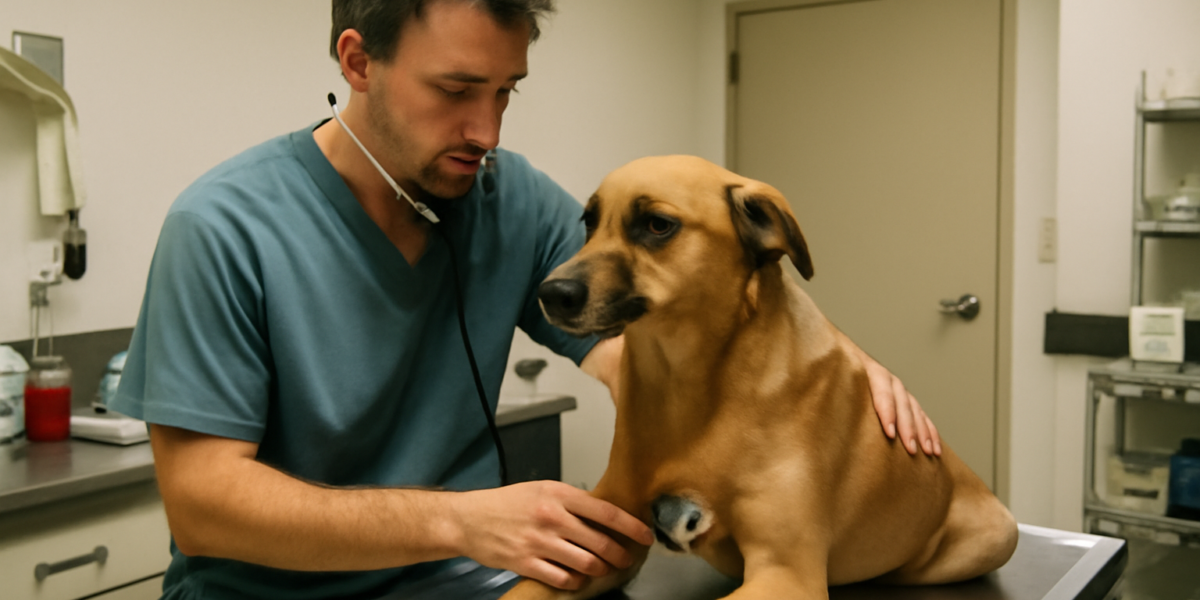
The annual vet exam for dogs is the single most important wellness habit you can build, yet many owners arrive unsure what actually happens during the visit or what they should be asking. A typical adult-dog checkup runs 20 to 40 minutes and covers far more ground than the rabies booster most people associate with it. Knowing the structure ahead of time helps you bring useful information, ask better questions, and leave with a clear care plan.
In this article
- Before the Appointment: What to Bring
- Check-In and Vital Signs
- The Hands-On Physical Exam
- Diagnostic Testing
- Vaccinations and Preventive Care Updates
- Dental Assessment
- Lifestyle and Behavior Discussion
- Questions Worth Asking
- Cost Expectations
- After the Visit
- Building a Long-Term Vet Relationship
- Coordinating Multiple Pets
- Frequently Asked Questions
This guide walks through every component of the annual visit — from the moment you check in to the after-visit summary — and gives you a practical question list to bring along. If you’re building a broader yearly routine, pair this with our adult dog wellness checklist.
Before the Appointment: What to Bring
Showing up prepared turns a routine visit into a productive one. Gather these items the night before:
- A current list of all medications, supplements, and treats your dog receives, including dose and frequency
- A fresh stool sample (collected within 12 hours, kept refrigerated) if your vet requested one
- Your dog’s weight if you’ve been tracking it at home
- A written list of questions or concerns — even small ones
- Notes on any new behaviors, appetite changes, water intake shifts, or unusual lumps
- Vaccination records if you’re new to the practice
- Pet insurance information if you’ll be filing a claim
If your dog gets anxious at the clinic, bring high-value treats, a favorite toy, and consider asking about gabapentin or trazodone for premedication on future visits. Many practices now offer “fear-free” appointments with calming protocols built in.
Check-In and Vital Signs
The visit usually starts with a tech weighing your dog and recording temperature, pulse, and respiration rate. Weight trends matter — a 10% gain or loss since the last visit prompts further questions. Temperature in dogs runs higher than humans (101 to 102.5 degrees Fahrenheit is normal); a fever can indicate infection or inflammation.
The tech may ask about diet, water intake, urination/defecation patterns, exercise level, and any concerns you’ve noted. Be honest — embarrassment about missed heartworm doses or a treats habit doesn’t help your dog. The tech logs all this in the chart for the vet to review.
The Hands-On Physical Exam
Your veterinarian will systematically examine your dog from nose to tail. Expect them to:
- Check eyes for clarity, redness, discharge, or developing cataracts
- Look in ears for redness, debris, odor, or signs of infection
- Examine teeth and gums for tartar, gingivitis, fractured teeth, or oral masses
- Palpate lymph nodes under the jaw, in the armpits, and in the groin
- Listen to the heart for murmurs, rate, and rhythm
- Listen to the lungs for clear airflow and absence of crackles or wheezes
- Palpate the abdomen for organ enlargement, masses, or pain
- Run hands over the entire body checking for lumps, scabs, or skin issues
- Check joints for range of motion, swelling, or pain (especially in larger or older adults)
- Assess body condition score using the WSAVA 9-point scale
Many problems are caught at this exam that owners never noticed — small skin masses, early heart murmurs, abdominal organ changes, dental disease in the back of the mouth.
Diagnostic Testing
Depending on your dog’s age, history, and lifestyle, the vet may recommend:
- Heartworm antigen test — annually, even on year-round prevention, per American Heartworm Society. Read more in our guide to annual heartworm testing.
- Fecal exam — checks for intestinal parasites, some of which are zoonotic
- Tick-borne disease panel — common in regions with high Lyme, ehrlichia, or anaplasma exposure
- Baseline bloodwork — CBC, chemistry, urinalysis, often starting around age 5 to 7
- Thyroid screening — for breeds prone to hypothyroidism or dogs with suggestive signs
Results of in-house tests come back within 15 to 30 minutes. Send-out labs typically return within 24 to 48 hours; ask how the practice communicates results.
Vaccinations and Preventive Care Updates
The vet will review your dog’s vaccination status and recommend boosters based on AAHA 2022 Canine Vaccination Guidelines. Core vaccines (DAPP, rabies) are required or strongly recommended for all dogs; lifestyle vaccines (Bordetella, leptospirosis, Lyme, canine influenza) depend on exposure risk. See our adult dog vaccination schedule guide for the full breakdown.
This is also when your vet will update or refill heartworm prevention, flea/tick prevention, and any chronic medications. If you’ve been using a particular product and want to switch — or your dog has had reactions — bring it up here.
Dental Assessment
Your vet will grade dental disease on a 0 to 4 scale (0 = healthy, 4 = severe periodontal disease). Stage 1 and 2 typically warrant a professional cleaning under anesthesia; stages 3 and 4 may require extractions. Owners often resist anesthetic dentals, but the alternative — leaving infected teeth in the mouth — leads to chronic pain, tooth loss, and bacteria entering the bloodstream.
For prevention strategies between cleanings, see our guide to adult dog dental care.
Lifestyle and Behavior Discussion
A good annual exam includes time to discuss things that aren’t strictly medical: training challenges, anxiety, fear of fireworks, multi-pet household tensions, dietary questions, and travel planning. Vets are an underused resource for behavior triage — if a problem isn’t medical, they can refer you to a qualified trainer or veterinary behaviorist.
This is also the right time to discuss exercise level. Is your dog getting enough? Too much for their joints? Brachycephalic dogs need different exercise plans than working breeds — see our guide on adult dog exercise needs by breed.
Questions Worth Asking
Bring these to every annual visit and adapt to your dog’s situation:
- Is my dog at an ideal body weight? What body condition score did you give?
- Are there any new lumps or skin changes I should monitor?
- How does the dental disease look compared to last year?
- Am I using the right heartworm and flea/tick prevention for our region and lifestyle?
- Are there any vaccines I’m overdue for or could skip?
- When should we do baseline bloodwork? Are we due?
- Are there any breed-specific screening tests I should consider?
- What signs should I watch for between visits?
- Is there anything in my dog’s diet you’d change?
- When should we consider switching to senior care?
Cost Expectations
Costs vary substantially by region, practice type, and what tests are run. A basic annual exam with rabies booster is one thing; an exam with full bloodwork, heartworm test, fecal, dental cleaning estimate, and lifestyle vaccines is another. Expect a wide range nationally. Always ask for an estimate before tests are run if cost is a concern — most clinics will provide one without judgment.
Wellness plans (monthly subscription packages covering routine care) can spread cost over the year and are worth exploring at corporate practices. Pet insurance with wellness add-ons can also offset annual exam costs, though most accident-and-illness policies do not cover routine visits.
After the Visit
You should leave with a written summary that includes weight, vaccinations administered, prescriptions written, recommendations made, and any follow-up items. Most practices email or upload this to a portal within 24 hours. Save it — these records build your dog’s medical history over time.
Schedule the next visit before you walk out, especially if your vet recommends a follow-up bloodwork recheck or dental cleaning. The simplest way to never miss an annual exam is to book it the moment you’re at the front desk paying for the current one.
Building a Long-Term Vet Relationship
The annual exam is also relationship maintenance. Vets who see your dog year over year develop a baseline understanding of what’s normal for your individual dog — body condition, temperament under handling, oral health trends, organ palpation findings. That continuity matters when something changes. A new vet seeing your dog for the first time has only the chart to go on; a longstanding vet has years of observation.
If you’ve changed clinics or are choosing a vet for a newly adopted dog, schedule a meet-and-greet visit before any urgent need. Look for clinics that follow Fear Free or American Animal Hospital Association (AAHA) accreditation standards — both indicate commitment to handling and medical practices above the minimum. Ask about appointment length, after-hours coverage, and how the practice handles emergencies.
Coordinating Multiple Pets
Households with multiple pets can save time (and sometimes money) by scheduling annual exams together. Many practices offer multi-pet discounts and can coordinate visit logistics. Bringing multiple dogs at once works for some pets and not for others — anxious dogs may do better in solo visits, while bonded pairs sometimes calm each other.
If you have both dogs and cats, the cat usually benefits from a separate appointment in a quieter time slot — most vet waiting rooms are dog-dominant and stressful for cats. Many Cat Friendly Practices have separate cat-only entrances or hours.
Frequently Asked Questions
How long does an annual vet exam take?
Plan for 30 to 60 minutes from check-in to checkout, longer if vaccines, bloodwork, or dental discussions extend the visit. Arrive 10 minutes early to handle paperwork.
Should I feed my dog before the visit?
A light meal a few hours beforehand is usually fine. Skip food entirely if your vet has scheduled fasting bloodwork (typically a 12-hour fast). Bring high-value treats for distraction.
What if my dog is too anxious at the vet?
Talk to your vet about pre-visit medications like gabapentin or trazodone, or ask about fear-free certified clinics. Some practices offer house calls for very anxious patients.
Do I need to bring a stool sample every year?
Most vets prefer it as part of the annual fecal screen, especially for dogs who go to dog parks, daycare, or boarding. Call ahead to confirm and ask about preferred collection timing.
What if I can’t afford all the recommended tests?
Be honest with your vet about budget — they can prioritize the most important items, suggest payment plans, or recommend lower-cost diagnostic options. Skipping the visit entirely is worse than a partial workup.


