
Last updated: May 23, 2026
In this article
Asthma in Cats: Symptoms, Causes, and Treatment Guide
Asthma in cats is a chronic inflammatory condition of the lower airways that affects an estimated one to five percent of the feline population. Similar to asthma in humans, feline asthma causes narrowing of the airways, increased mucus production, and difficulty breathing. When a cat experiences an asthma attack, the muscles surrounding the bronchi contract, the airway lining swells, and excess mucus fills the narrowed passages, making it significantly harder for air to flow in and out of the lungs.
Feline asthma is sometimes called allergic bronchitis or chronic bronchitis, and it can range from mild, occasional episodes to severe, life-threatening attacks. While asthma cannot be cured, proper diagnosis and treatment can dramatically improve your cat’s quality of life and reduce the frequency and severity of attacks. Understanding this condition is essential for any cat owner, whether you already have a diagnosed asthmatic cat or are learning to recognize early warning signs.
What Causes Asthma in Cats?
Feline asthma is believed to be caused by an allergic response in the airways. When a susceptible cat inhales an allergen, the immune system overreacts, triggering inflammation in the bronchial passages. This inflammation leads to the characteristic symptoms of coughing, wheezing, and difficulty breathing. Over time, repeated episodes of inflammation can cause permanent changes to the airway walls, a process called airway remodeling.
Common allergens and triggers that can provoke or worsen asthma in cats include household dust and dust mites, cigarette smoke, perfumes and air fresheners, scented candles, cleaning products, aerosol sprays, pollen, mold spores, and certain types of cat litter, particularly clay-based dusty varieties. Even changes in weather, cold air, or high humidity can trigger asthma episodes in sensitive cats.
Some cats develop asthma without a clearly identifiable allergen, suggesting that the underlying cause may involve a combination of genetic susceptibility, environmental exposures, and immune system dysfunction. Siamese and Himalayan cats appear to be at slightly higher risk, though any breed or mixed-breed cat can develop the condition. Asthma is most commonly diagnosed in cats between two and eight years of age, though it can develop at any point in life.
Stress can also play a role in triggering asthma episodes. Stressful situations such as veterinary visits, travel, household changes, or conflicts with other pets may increase the frequency of attacks. Obesity is another contributing factor, as excess body weight puts additional pressure on the respiratory system and can worsen existing airway inflammation.
It is worth noting that feline asthma exists on a spectrum. Some cats have very mild disease with infrequent coughing that barely affects their daily life. Others experience severe, recurrent attacks that can be life-threatening without immediate intervention. The severity can change over time, with some cats gradually worsening and others stabilizing with treatment.
Recognizing the Signs and Symptoms
The symptoms of asthma in cats can sometimes be mistaken for other conditions, including hairballs, heart disease, or respiratory infections. Learning to recognize the specific signs of feline asthma helps ensure your cat receives the correct diagnosis and treatment as quickly as possible.
The most characteristic symptom is coughing. Cats with asthma often adopt a distinctive posture during coughing episodes: they squat low to the ground with their neck extended forward, as if trying to cough up a hairball. However, unlike hairball coughing, asthma coughing is typically dry and hacking and produces little or no material. These episodes can last from a few seconds to several minutes and may occur multiple times per day or only occasionally.
Wheezing is another common sign and may be audible even from across the room. The wheezing sound occurs as air is forced through narrowed airways. Some owners describe it as a whistling or squeaking noise when their cat breathes. In mild cases, wheezing may only be detected with a stethoscope during a veterinary examination.
Open-mouth breathing or panting is a concerning sign in cats, as healthy cats rarely breathe through their mouths. If your cat is panting, breathing with an open mouth, or appears to be working hard to breathe (with visible abdominal effort), this indicates significant respiratory distress and requires immediate veterinary attention. You may notice the chest and abdomen moving more dramatically than usual with each breath.
Other symptoms include increased respiratory rate (normal resting rate for a cat is 20 to 30 breaths per minute), lethargy and reluctance to play or exercise, decreased appetite, and in severe cases, blue-tinged gums or tongue (cyanosis), which indicates dangerously low oxygen levels. Some cats with chronic asthma develop a barrel-shaped chest over time due to air trapping in the lungs.
It is important to distinguish between a mild asthma episode and a severe asthma attack. Mild episodes involve brief coughing or wheezing that resolves on its own. Severe attacks involve prolonged difficulty breathing, open-mouth breathing, visible distress, and sometimes collapse. A severe asthma attack is a veterinary emergency, as cats can die from respiratory failure if not treated promptly.
Diagnosis: How Veterinarians Identify Feline Asthma
Diagnosing asthma in cats involves a combination of clinical history, physical examination findings, imaging, and the exclusion of other conditions that can cause similar symptoms. There is no single definitive test for feline asthma, so diagnosis often relies on a pattern of evidence.
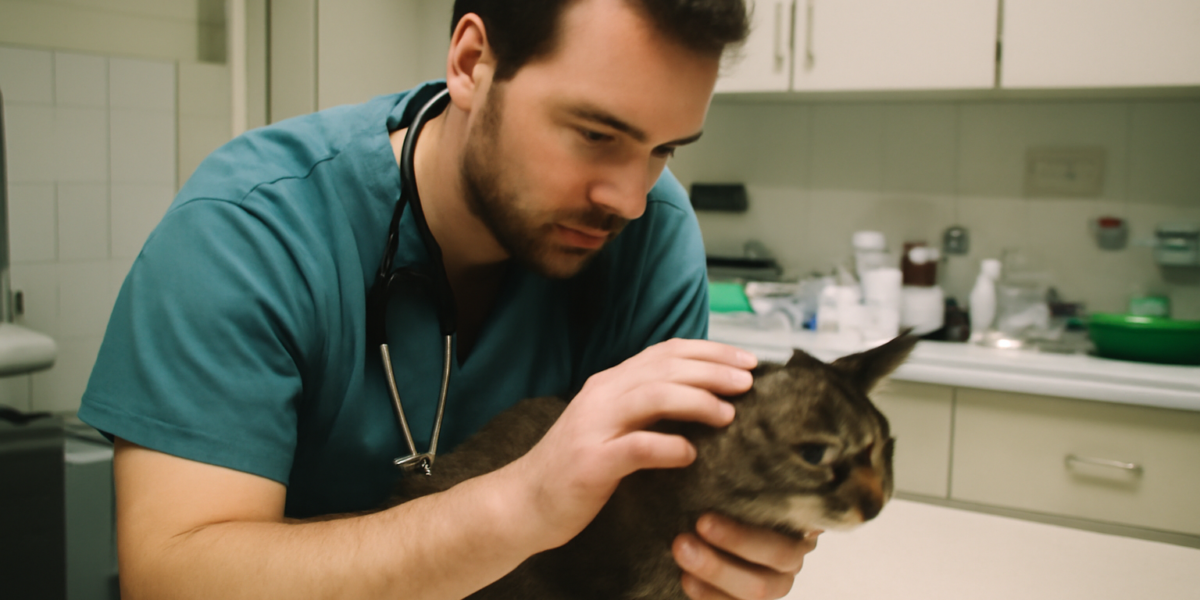
During the physical examination, your veterinarian will listen to your cat’s lungs with a stethoscope. Wheezes, crackles, or increased bronchovesicular sounds may be heard. However, some asthmatic cats have normal lung sounds between episodes, so a normal exam does not rule out asthma. Your description of symptoms at home, including their frequency, duration, and triggers, provides crucial diagnostic information.
Thoracic radiographs (chest X-rays) are typically the first imaging test performed. Classic findings in cats with asthma include a bronchial pattern (thickened airway walls that create a “doughnut” or “train track” appearance), air trapping with hyperinflated lungs, and sometimes areas of lung collapse (atelectasis). However, some asthmatic cats have normal chest X-rays, particularly between episodes, and some X-ray changes can be seen in other conditions as well.
Additional diagnostics may include a complete blood count to check for elevated eosinophils (a type of white blood cell associated with allergic conditions), fecal testing to rule out lungworms (which can mimic asthma symptoms), heartworm testing, and bronchoalveolar lavage (BAL). BAL involves flushing a small amount of sterile fluid into the airways and collecting it for analysis. The fluid is examined under a microscope for inflammatory cells, and cultures may be performed to rule out infection.
Advanced diagnostics such as computed tomography (CT scan) or bronchoscopy may be recommended in complex cases or when standard tests are inconclusive. CT scans provide detailed images of the airway structure and can identify subtle changes not visible on standard X-rays. Bronchoscopy allows direct visualization of the airways and targeted sample collection.
It is essential to rule out other conditions that mimic asthma, including heartworm-associated respiratory disease, pneumonia, pleural effusion, heart disease, lungworm infection, and airway foreign bodies. Accurate diagnosis ensures your cat receives the most appropriate treatment.
Treatment Options for Cats with Asthma
Treatment for feline asthma aims to reduce airway inflammation, relax constricted airways during attacks, and minimize exposure to triggers. Most cats with asthma require long-term treatment, and the approach may need to be adjusted over time based on symptom control and response to therapy.
Corticosteroids are the cornerstone of asthma treatment in cats because they directly address the underlying airway inflammation. They can be administered orally (prednisolone is the preferred oral steroid for cats), by injection, or by inhalation. Oral steroids are effective and widely used, but long-term use carries risks including diabetes, weight gain, and immune suppression.
Inhaled corticosteroids, delivered through a metered-dose inhaler with a specially designed feline spacer (such as the AeroKat chamber), are increasingly considered the preferred treatment. Inhaled steroids like fluticasone deliver medication directly to the lungs with minimal systemic absorption, significantly reducing side effects compared to oral steroids. Most cats can be trained to accept the spacer with patience and positive reinforcement, starting with short sessions and gradually increasing to full treatments.
Bronchodilators are used to open constricted airways, particularly during acute episodes. Albuterol (salbutamol) is the most commonly used rescue bronchodilator and can be delivered via inhaler or nebulizer. Bronchodilators provide rapid relief during an attack but do not address the underlying inflammation, so they should be used alongside corticosteroids rather than as a replacement. Terbutaline may be prescribed as an injectable emergency bronchodilator for severe attacks.
For cats with severe or refractory asthma, additional treatments may be considered. Cyclosporine, an immunosuppressive drug, has shown promise in some cats that do not respond adequately to corticosteroids. Allergen-specific immunotherapy (allergy shots) may be beneficial when specific allergens have been identified through testing. Omega-3 fatty acid supplementation may have a modest anti-inflammatory effect on the airways. Research into novel therapies, including stem cell therapy and anti-cytokine treatments, is ongoing.
Emergency treatment for severe asthma attacks typically involves oxygen supplementation, injectable corticosteroids and bronchodilators, and sometimes sedation to reduce anxiety and oxygen demand. If your cat is having a severe attack at home, remain calm, minimize handling, and transport to a veterinary emergency facility immediately. Keep the carrier ventilated and the car cool.
Environmental Management and Trigger Reduction
Reducing your cat’s exposure to known triggers is a critical component of asthma management that can significantly decrease the frequency and severity of episodes. Environmental modification works alongside medical treatment to provide the best possible control of the condition.
Start by eliminating or reducing the most common indoor triggers. Switch to a low-dust, unscented cat litter such as paper-based, crystal, or pine pellet varieties. Avoid using aerosol sprays, scented candles, incense, air fresheners, and strongly scented cleaning products in your home. If you smoke, never smoke indoors and consider quitting entirely, as secondhand and thirdhand smoke are potent airway irritants for cats.
Dust control is important. Use HEPA air purifiers, especially in rooms where your cat spends the most time. Vacuum frequently with a HEPA-filtered vacuum cleaner. Wash your cat’s bedding regularly in hot water. Consider using dust mite covers on pillows and mattresses if your cat sleeps in the bedroom. Keep your home well-ventilated but avoid exposing your cat to extremely cold or dry air, which can trigger bronchospasm.
Monitor for seasonal patterns. If your cat’s symptoms worsen during certain times of year, pollen or mold may be a trigger. During high-pollen periods, keep windows closed and run air conditioning with clean filters. If mold is a concern, address any moisture issues in your home and use a dehumidifier in damp areas.
Maintain your cat at a healthy weight. Obesity worsens asthma symptoms by increasing the work of breathing and promoting systemic inflammation. If your asthmatic cat is overweight, work with your veterinarian to develop a safe, gradual weight loss plan. Even modest weight reduction can improve respiratory function. If you are looking to adopt a new cat, be aware that maintaining a healthy weight is especially important for cats prone to respiratory conditions.
Reduce stress in your cat’s environment by maintaining consistent routines, providing plenty of vertical spaces and hiding spots, using pheromone diffusers, and ensuring adequate resources (food bowls, water stations, litter boxes) in multi-cat households. Stress reduction is particularly important because stress can trigger the release of hormones that worsen airway inflammation.
Frequently Asked Questions About Feline Asthma
Can cats die from asthma attacks?
Yes, severe asthma attacks can be fatal in cats if not treated promptly. A severe attack can cause respiratory failure when the airways become so constricted that the cat cannot get enough oxygen. This is why it is critical to have an emergency plan, including keeping a rescue bronchodilator inhaler on hand if prescribed by your veterinarian and knowing the location of your nearest emergency veterinary hospital. If your cat is open-mouth breathing, has blue-tinged gums, or is in visible respiratory distress, seek emergency care immediately.
How long do cats with asthma typically live?
With proper management, most cats with asthma can live a normal lifespan. Asthma itself is rarely a direct cause of reduced life expectancy when well-controlled. The key is consistent treatment, regular veterinary monitoring, trigger avoidance, and prompt attention to any changes in symptoms. Many asthmatic cats live well into their teens with appropriate care. The main concerns for longevity are the long-term side effects of corticosteroid medications, which is why inhaled steroids are preferred when possible.
How can I tell if my cat is coughing or trying to cough up a hairball?
This is a very common question because the postures can look similar. Hairball coughing typically results in the production of a hairball within a few attempts. Asthma coughing tends to be repetitive, dry, and nonproductive, meaning nothing comes up. Asthmatic coughing episodes often recur multiple times over days or weeks, whereas hairball episodes are usually isolated events. If your cat has frequent coughing episodes, especially if they occur more than once or twice a month and nothing is produced, consult your veterinarian. Frequent coughing is never normal in cats.
Can I use a human inhaler for my cat?
The medication in human inhalers (such as fluticasone or albuterol) is the same medication used for cats, so in that sense the inhaler itself is the same. However, cats cannot coordinate inhaling with the press of an inhaler the way humans can. You will need a specially designed spacer chamber made for cats, such as the AeroKat, which has a small mask that fits over the cat’s nose and mouth and a chamber that holds the medication as the cat breathes normally. The dose of medication should always be determined by your veterinarian.
Is feline asthma the same as chronic bronchitis?
The terms are sometimes used interchangeably, but they are not technically identical. Feline asthma specifically refers to allergic airway disease with reversible bronchoconstriction, meaning the airway narrowing can be relieved with bronchodilators. Chronic bronchitis refers to chronic inflammation of the airways that may or may not have a significant reversible component. In practice, many cats have features of both conditions, and the treatment approach is similar. Your veterinarian can help determine which term best describes your cat’s specific condition based on diagnostic findings.
Can indoor cats develop asthma?
Absolutely. In fact, most cats diagnosed with asthma are indoor cats, likely because they have more exposure to indoor allergens such as dust, dust mites, household chemicals, and secondhand smoke. Indoor cats may also be more affected by poor ventilation and concentrated airborne irritants. Keeping your indoor environment clean and free of known triggers is essential for asthmatic cats. Check the cat breeds directory for more information about breeds and their health predispositions.
Asthma in cats is a manageable condition when properly diagnosed and treated. By working closely with your veterinarian, committing to long-term treatment, and making thoughtful environmental modifications, you can help your asthmatic cat breathe comfortably and enjoy a full, active life.


