
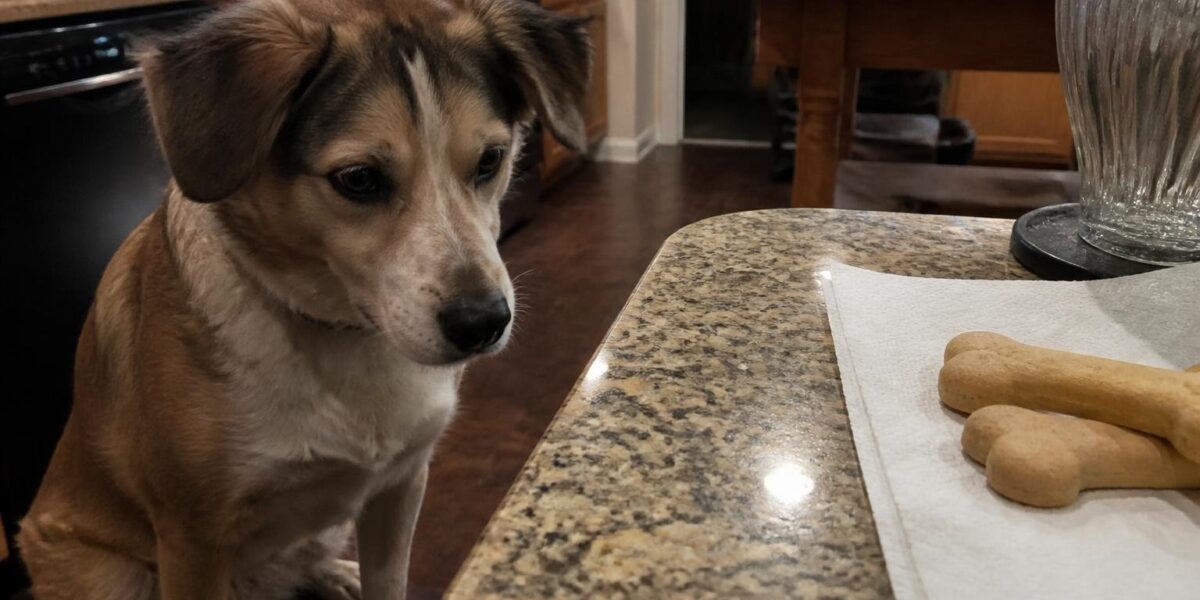
Can Dogs Eat Biscuits? The Short Answer
The answer to “can dogs eat biscuits” depends entirely on the type of biscuit. Plain dog biscuits made for canine consumption are fine and even useful as treats. Human biscuits — especially sweet, buttery, or chocolate-containing ones — are not a good choice and can range from unhealthy to outright dangerous. So this is a “it depends” food.
In this article
- Can Dogs Eat Biscuits? The Short Answer
- Dog Biscuits vs. Human Biscuits
- Are Plain Biscuits Ever Okay?
- How to Choose Safe Dog Biscuits
- The Dangerous Ingredients to Watch For
- Homemade Dog Biscuits: A Safer Treat
- Safe Serving Size and What to Watch For
- Reading the Label on Store-Bought Dog Biscuits
- Biscuits for Puppies, Seniors, and Special Diets
- Frequently Asked Questions
The word “biscuit” means different things in different places. In the United States, biscuits are soft, buttery bread rolls. In the UK and many other places, biscuits are sweet cookies. Either way, human biscuits are too rich, salty, or sugary for dogs.
When choosing treats, plain dog biscuits formulated for pets are always the safer bet. Check with your veterinarian about how treats fit into your dog’s overall diet.
Dog Biscuits vs. Human Biscuits
It helps to separate the two clearly:
- Dog biscuits are formulated for dogs, with controlled ingredients and appropriate portion sizes. These are safe in moderation.
- Human sweet biscuits (cookies) often contain sugar, butter, and sometimes chocolate, raisins, or the sweetener xylitol — all of which range from unhealthy to toxic for dogs.
- Human savory biscuits (American-style) are loaded with butter, salt, and refined flour, offering little benefit and plenty of fat and sodium.
The biggest dangers in human biscuits are chocolate, raisins, and xylitol. Chocolate and raisins are toxic to dogs, and xylitol can cause a rapid, dangerous drop in blood sugar. Always read labels before sharing anything baked.
Are Plain Biscuits Ever Okay?
A small piece of plain, unsweetened biscuit or plain bread is unlikely to harm a healthy dog, but it offers little nutrition. Like plain bread, it is mostly empty carbohydrates and is best kept to a rare nibble rather than a regular treat.
If your dog needs a quick treat, healthier options include a small piece of carrot, a few blueberries, or a small smear of xylitol-free peanut butter. These deliver more nutrition with fewer empty calories.
How to Choose Safe Dog Biscuits
If you want to offer biscuits, choose products made for dogs and keep an eye on the label:
- Look for simple ingredients — whole grains, named proteins, and minimal additives.
- Avoid added sugar, salt, and artificial sweeteners, especially xylitol.
- Match the size to your dog. Big biscuits should be broken up for small dogs.
- Consider dental biscuits that help with plaque, but never rely on them as a substitute for brushing.
Homemade dog biscuits are also an option — just use dog-safe ingredients and skip the sugar, chocolate, and raisins entirely.
The Dangerous Ingredients to Watch For
Some biscuit ingredients are more than just unhealthy — they are genuinely dangerous for dogs. Knowing them helps you spot trouble before sharing anything baked.
- Chocolate and cocoa — toxic to dogs and a common ingredient in sweet biscuits. Even small amounts can cause vomiting, a racing heart, and seizures.
- Raisins and currants — found in many cookies and can cause kidney failure in dogs, even in small quantities.
- Xylitol — an artificial sweetener in some “sugar-free” products that causes a dangerous blood-sugar crash and can damage the liver.
- Macadamia nuts — toxic to dogs and sometimes baked into biscuits.
- Excess butter and salt — not toxic but hard on the stomach and waistline.
If a biscuit contains any of the first four ingredients and your dog eats it, treat it as a potential emergency and call your veterinarian. When in doubt, do not share — there is no nutritional reason a dog needs a human biscuit.
Homemade Dog Biscuits: A Safer Treat
If your dog loves a crunchy treat, making your own biscuits at home is a wonderful, safe alternative. You control every ingredient, so there is no hidden sugar, chocolate, or xylitol to worry about.
Simple, dog-safe biscuit recipes often start with whole-wheat or oat flour and a binding ingredient like egg or mashed pumpkin. From there, you can add dog-friendly mix-ins such as finely grated carrot or a little unsweetened applesauce for flavor and nutrition.
Bake them until firm, let them cool completely, and store them in an airtight container. Homemade biscuits still count as treats, so keep portions modest, but they give you peace of mind that every ingredient is safe.
Safe Serving Size and What to Watch For
Even healthy dog biscuits add calories, so moderation is key. Treats should stay within about 10 percent of your dog’s daily calorie intake. For most dogs, that means just one or two small biscuits a day.
It is easy to underestimate how quickly biscuits add up, especially in a busy household where several family members might each slip the dog a treat. A good habit is to set aside the day’s biscuit allowance in the morning, so everyone draws from the same small pile rather than handing out extras throughout the day. This keeps your dog’s waistline in check and prevents the slow weight gain that comes from too many treats. If your dog is gaining weight or seems less interested in regular meals, biscuits are often the first thing to trim back.
Watch for these signs after your dog eats biscuits, especially human ones:
- Vomiting or diarrhea
- Excessive thirst (a sign of too much salt or sugar)
- Lethargy or weakness
- Tremors or seizures (a sign of xylitol poisoning — a veterinary emergency)
If your dog eats a biscuit containing chocolate, raisins, or xylitol, contact your veterinarian or an emergency clinic immediately.
Reading the Label on Store-Bought Dog Biscuits
Even biscuits marketed for dogs vary widely in quality. Learning to read the label helps you pick treats that are genuinely good for your dog rather than just convenient.
Look for these signs of a quality dog biscuit:
- A named protein near the top of the ingredient list, such as chicken or salmon.
- Whole-food ingredients like whole grains, vegetables, or fruit.
- No added sugar or salt, and absolutely no xylitol.
- Few or no artificial colors, flavors, or preservatives.
Be wary of biscuits with long lists of unpronounceable additives, lots of fillers, or added sweeteners. Calorie content matters too — a single large biscuit can hold more calories than you expect, so factor it into your dog’s daily total. When in doubt, your veterinarian can suggest reputable treat brands suited to your dog’s size and health.
Biscuits for Puppies, Seniors, and Special Diets
Not every dog should be eating biscuits freely. Different life stages and health conditions call for different approaches to crunchy treats.
Puppies have small stomachs and specific nutritional needs, so treats should be puppy-appropriate and given sparingly to avoid throwing off their balanced diet. Senior dogs may need softer treats if their teeth are worn, and many seniors burn fewer calories, so portions should shrink accordingly.
Dogs with conditions like diabetes, obesity, or food allergies need extra care. Sugary biscuits are off the table for diabetic dogs, calorie-dense treats should be minimal for overweight dogs, and allergy-prone dogs may need limited-ingredient options. For any dog on a prescription or therapeutic diet, check with your veterinarian before adding biscuits, since even small treats can affect how well the diet works.
Frequently Asked Questions
Can dogs eat digestive biscuits?
An occasional plain digestive biscuit is unlikely to harm a healthy dog, but they are high in sugar and fat with little nutritional value. Dog biscuits are a better choice.
Are chocolate biscuits dangerous for dogs?
Yes. Chocolate is toxic to dogs, so chocolate biscuits should never be given. If your dog eats one, call your vet right away.
Can puppies eat biscuits?
Stick to puppy-appropriate treats in small amounts. Avoid human biscuits, and ask your vet about suitable options for your puppy’s age and size.
How many dog biscuits per day is okay?
Generally one or two small biscuits, keeping all treats within about 10 percent of daily calories. Adjust based on your dog’s size and activity level. A large biscuit may need to be broken into pieces for a small dog so the calories do not add up too quickly.
Are grain-free biscuits better for dogs?
Not necessarily. Most dogs digest grains just fine, and grain-free is only essential for the small number with a diagnosed grain allergy. What matters more is overall quality, named proteins, and the absence of harmful ingredients like xylitol. Ask your vet before switching for any health reason.
What should I do if my dog eats a chocolate or raisin biscuit?
Treat it as a potential emergency. Chocolate and raisins are both toxic to dogs, and raisins can cause kidney failure even in small amounts. Note how much your dog ate and call your veterinarian or an emergency clinic right away for guidance.


