
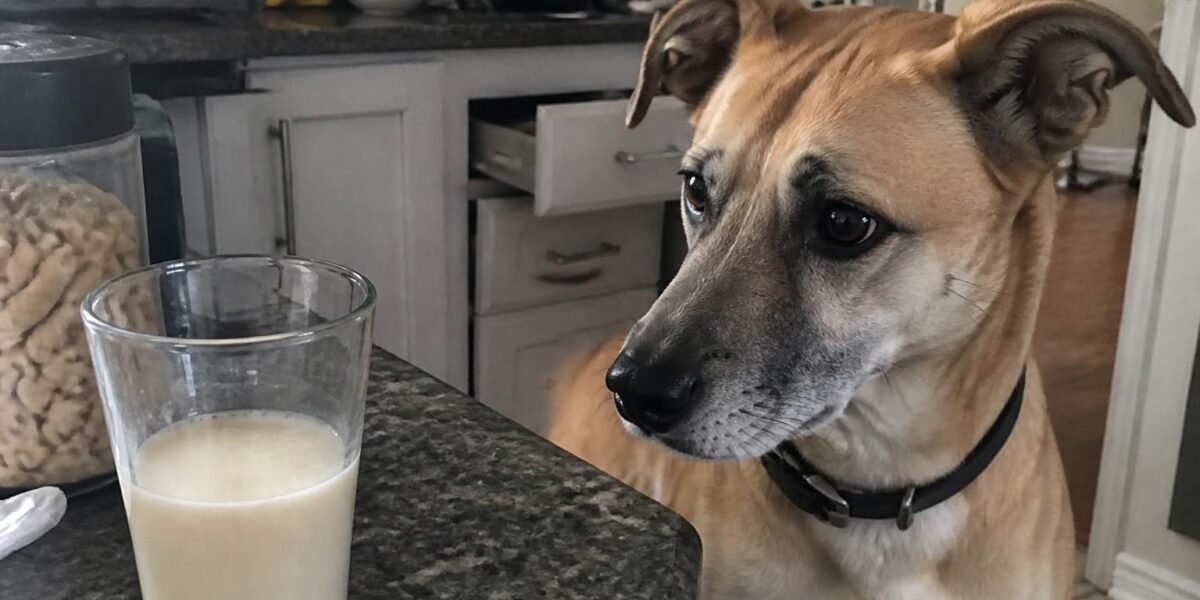
Can Dogs Eat Cashew Milk? The Short Answer
Can dogs eat cashew milk? In small amounts, plain and unsweetened cashew milk is generally safe for dogs, putting it in the “safe in moderation” group. The catches are familiar to anyone who has looked into plant-based milks: it must be unsweetened, completely free of the sweetener xylitol, and offered only as an occasional splash.
In this article
Cashew milk is lactose-free, so it avoids the tummy trouble that regular cow’s milk can cause in many dogs. It is not a necessary part of any dog’s diet, but a little plain cashew milk now and then is unlikely to do any harm.
As plant milks have grown popular in human kitchens, it is natural to wonder whether your dog can share. The short version is that the cashews themselves are not toxic to dogs, so plain cashew milk is far less worrying than something like chocolate or grapes. The real risks live in the additives, not the nut.
Is Cashew Milk Beneficial for Dogs?
Cashew milk contains small amounts of healthy fats and some vitamins and minerals, but the quantities in a dog-sized portion are too small to provide real nutritional value. Your dog gets everything it needs from a complete dog food.
The main upside is that it is dairy-free and lactose-free, which makes it gentler than cow’s milk for dogs that struggle to digest dairy. So view cashew milk as a harmless treat rather than a health booster.
Commercial cashew milk is also quite watery compared with the whole nut, which actually works in your dog’s favor. The diluted form delivers far less fat than a handful of cashews would, so a small splash is easier on the stomach than the nuts themselves. Even so, it offers no nutrient your dog cannot get more reliably elsewhere.
What to Avoid in Cashew Milk
The biggest danger is not the cashews but the additives. Sweetened and flavored cashew milks can contain a lot of sugar, which is bad for your dog’s teeth and waistline over time.
More seriously, some “sugar-free” products contain xylitol, an artificial sweetener that is extremely toxic to dogs. Even small amounts can cause a dangerous drop in blood sugar and liver damage. Always read the label carefully, and never give your dog any cashew milk that lists xylitol or any chocolate, coffee, or other flavorings.
Watch out as well for added thickeners and gums, which some sensitive dogs do not tolerate well, and for vanilla or other “natural flavors” that often come with added sugar. The cleanest choice is a carton labeled unsweetened with the shortest possible ingredient list. If you cannot confirm a product is xylitol-free, simply do not offer it.
Safe Serving Size and How to Offer It
Treat cashew milk as an occasional novelty, keeping it within the 10 percent of daily calories rule for treats. A teaspoon for a small dog or a couple of tablespoons for a large dog is plenty.
To serve it safely:
- Choose plain, unsweetened cashew milk with no xylitol, sugar, or added flavors.
- Offer a small splash on its own or over kibble.
- Start with a tiny amount and watch for any reaction.
- Always provide fresh water, which should remain your dog’s main drink.
If your dog enjoys it, you might freeze a small amount into a treat cube or use a splash to soften dry food for an older dog. These small touches turn cashew milk into harmless enrichment without making it a daily expectation.
Portion size should always reflect your dog’s body weight. A splash that is trivial for a big dog can be a significant amount for a tiny one, so when in doubt, give less and see how your dog does before offering more.
Signs of Stomach Upset to Watch For
Because cashew milk is a novel food, too much can cause mild gastrointestinal upset. Watch for vomiting, diarrhea, gas, or a generally unsettled stomach within a day of offering it. These signs are usually mild and pass once you stop the treat and offer fresh water.
If you suspect your dog drank a sweetened cashew milk containing xylitol, treat it as an emergency. Symptoms of xylitol poisoning include weakness, wobbliness, collapse, or seizures, and you should contact your veterinarian or an emergency clinic immediately. When in doubt about any reaction, your vet is the best resource.
Dogs with known sensitivities to nuts or to additives may react even to a small amount, so introduce cashew milk cautiously the first time. If your dog has a history of pancreatitis or a sensitive stomach, it is wise to check with your veterinarian before offering any new fatty or novel food.
Timing the introduction can help too. Offer cashew milk for the first time on a day when you will be home to observe your dog, rather than right before you head out for hours. That way, if any mild upset develops, you can keep an eye on it and respond quickly, and you will know going forward whether cashew milk is a treat your dog can handle.
How to Read a Cashew Milk Label
Because the real risks live in the additives, learning to scan a label quickly is the most useful skill for sharing cashew milk safely. The goal is a short ingredient list centered on cashews and water, with as little else as possible.
Here is what to look for before offering any to your dog:
- Xylitol or “birch sugar” means do not give it to your dog under any circumstances.
- Added sugar, cane sugar, or syrups mean it is sweetened and best avoided.
- Chocolate, coffee, or cocoa flavors are off-limits, since these are toxic to dogs.
- “Unsweetened” with a short ingredient list is the green light for a small splash.
Marketing terms can be misleading, so do not rely on the front of the carton. A product labeled “no sugar added” may still contain xylitol, while “original” usually means sweetened. The ingredient panel on the back is the only place that tells you the full story, and a quick read there protects your dog from the additives that matter most.
Comparing Cashew Milk to Other Plant Milks and Nuts
If your dog enjoys creamy treats, you can rotate among several lactose-free options. Like cashew milk, both almond milk and oat milk are fine in small unsweetened amounts, and coconut milk is another gentle choice.
If you are curious about feeding the whole nut, our guide to cashews for dogs explains why they should be plain, unsalted, and limited, since their high fat content can upset sensitive stomachs. As always, check with your veterinarian before adding any new food, particularly for a rescue dog still settling into a routine.
When you compare the plant milks side by side, the differences for dogs are minor. All of them should be plain and unsweetened, all are lactose-free, and all are best given as a small occasional splash rather than a daily drink. Your choice can come down to whichever you happen to have on hand and whichever your dog seems to enjoy most.
The most important habit, no matter which plant milk you reach for, is the label check for xylitol and added sugar. Get into the routine of scanning ingredients before sharing, and the rest falls into place. With that one safeguard, a little cashew milk becomes a harmless way to add a touch of variety to your dog’s day.
Frequently Asked Questions
Can dogs drink cashew milk every day?
No. Even unsweetened cashew milk should be an occasional treat rather than a daily drink, since it offers little nutritional benefit and can cause digestive upset in larger amounts.
Is cashew milk toxic to dogs?
Plain, unsweetened cashew milk is not toxic. The real danger is xylitol, found in some sweetened products, which is highly toxic and must be avoided completely.
Can puppies have cashew milk?
It is best to skip it for puppies, whose developing digestive systems and nutritional needs are best served by puppy food. Ask your vet before introducing any novel food.
What should I do if my dog drank cashew milk with xylitol?
Contact your veterinarian or an emergency clinic right away. Xylitol poisoning progresses quickly and can be fatal, so do not wait for symptoms to appear.
Is cashew milk safer than whole cashews for dogs?
In a sense, yes, because the diluted milk contains far less fat than the whole nuts. But both should be plain, unsweetened, and given only in small, occasional amounts.


