
In this article
Can Dogs Eat Licorice? Safety Guide and Tips
Licorice is one of those foods that people either love or strongly dislike, with its distinctive sweet and slightly bitter flavor that comes from the root of the Glycyrrhiza glabra plant. Whether as chewy candy twists, hard candies, or herbal supplements, licorice products are widely available and might easily catch your dog’s attention. If your pup has gotten into a bag of licorice or you are curious about licorice root as a natural remedy, understanding the risks is essential.
Both licorice candy and natural licorice root present concerns for dogs, though for somewhat different reasons. Licorice candy is loaded with sugar, artificial ingredients, and potentially toxic sweeteners, while the actual licorice root contains a compound called glycyrrhizin that can cause serious health problems in dogs when consumed in significant amounts. Let us explore both sides of this issue in detail.
Quick Answer: Can Dogs Eat Licorice?
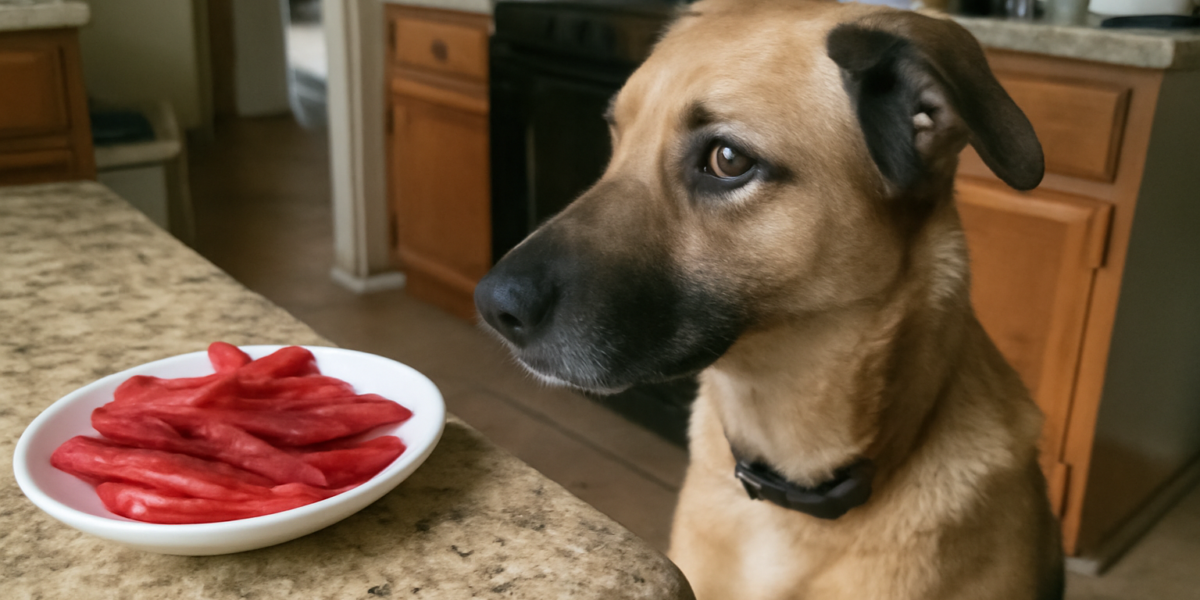
No, dogs should not eat licorice in any form. Licorice candy — whether black licorice, red licorice (which typically contains no actual licorice), or other varieties — is not appropriate for dogs due to its high sugar content, artificial additives, and potential inclusion of xylitol in sugar-free versions. Natural licorice root, while used in some herbal veterinary preparations in very controlled doses, contains glycyrrhizin, which can be toxic to dogs.
Glycyrrhizin, the compound responsible for licorice’s distinctive flavor, can cause a serious condition in dogs when consumed in excess. It mimics the hormone aldosterone, leading to potassium depletion, sodium retention, elevated blood pressure, and fluid retention. These effects can be dangerous, particularly for dogs with pre-existing heart or kidney conditions.
While there are some holistic veterinary practitioners who use very small, carefully controlled doses of deglycyrrhizinated licorice (DGL) for specific digestive issues in dogs, this should only ever be done under direct veterinary supervision. Self-administering licorice products to your dog is never advisable, and feeding them licorice candy is simply not safe.
Nutritional Profile of Licorice
Licorice candy and licorice root have very different nutritional profiles. Here is a look at both to understand what your dog would be consuming.
Licorice candy (per 100 grams):
- Calories: Approximately 350 to 380 calories
- Sugar: About 40 to 55 grams — extremely high
- Fat: Roughly 2 to 5 grams
- Carbohydrates: About 75 to 85 grams, mostly from sugar and corn syrup
- Protein: Approximately 3 to 5 grams
- Sodium: About 150 to 300 milligrams
- Common Additives: Corn syrup, wheat flour, artificial flavors, colors, and preservatives
- Glycyrrhizin: Present in real black licorice, absent in most red licorice varieties
Licorice root (dried, per 100 grams):
- Glycyrrhizin: 2 to 9 percent by weight — the primary bioactive compound and the main concern for dogs
- Flavonoids: Various compounds with antioxidant properties
- Isoflavones: Plant compounds with estrogenic activity
- Fiber: Moderate amounts
- Various Minerals: Including potassium, calcium, and magnesium
Neither form provides nutrients that would benefit your dog in a way that cannot be obtained more safely from other sources. The candy version is essentially junk food, while the root form carries genuine pharmacological risks.
Benefits and Risks of Licorice for Dogs
Benefits
- Anti-Inflammatory Properties (Root Only): Glycyrrhizin in licorice root has documented anti-inflammatory effects that some holistic veterinarians utilize in very specific, controlled situations. This is not a benefit that pet owners should attempt to harness on their own.
- Digestive Soothing (DGL Form Only): Deglycyrrhizinated licorice, or DGL, has the glycyrrhizin removed and may soothe gastrointestinal inflammation. Some veterinarians prescribe DGL supplements for dogs with specific digestive conditions, but only in carefully measured doses.
- Antimicrobial Properties (Root Only): Some compounds in licorice root show antimicrobial activity in laboratory settings. However, this does not translate to a recommendation for feeding licorice to dogs.
- Adrenal Support (Veterinary Use Only): In certain veterinary protocols, licorice root compounds may be used to support adrenal function. This is a strictly supervised medical application, not a reason to share licorice with your pet.
Risks
- Glycyrrhizin Toxicity: The primary compound in licorice root can cause hypokalemia (dangerous potassium depletion), hypertension (elevated blood pressure), sodium and water retention, muscle weakness, and cardiac arrhythmias. These effects can be life-threatening, especially in dogs with heart or kidney conditions.
- Excessive Sugar in Candy: Licorice candy contains extraordinarily high levels of sugar that can cause dental decay, obesity, diabetes, and digestive upset in dogs. The sugar content alone makes it inappropriate for canine consumption.
- Xylitol in Sugar-Free Varieties: Sugar-free licorice may contain xylitol, which is extremely toxic to dogs. Xylitol causes rapid insulin release, dangerous hypoglycemia, and can lead to liver failure.
- Wheat and Gluten Content: Most licorice candy contains wheat flour, which can cause problems for dogs with wheat allergies or gluten sensitivities, leading to digestive issues, skin problems, and chronic inflammation.
- Choking Hazard: The chewy, sticky texture of licorice candy can pose a choking risk, particularly for smaller dogs. It can also stick to teeth and cause dental problems.
- Drug Interactions: Glycyrrhizin can interact with various medications, including corticosteroids, diuretics, and heart medications. If your dog is on any medication, licorice consumption could create dangerous interactions.
How to Serve Licorice Safely to Your Dog
Licorice candy should never be given to your dog. There is no safe way to serve it, and there is no reason to try. The sugar content, artificial ingredients, and potential toxic sweeteners make it entirely inappropriate for canine consumption.
Natural licorice root or DGL supplements should only be used under direct veterinary guidance. If your veterinarian prescribes a licorice-based supplement for a specific condition, follow their dosing instructions exactly. Do not attempt to source or dose licorice root products for your dog on your own, as the margin between a therapeutic dose and a harmful dose can be narrow.
If your dog has accidentally consumed licorice candy, the level of concern depends on the type, amount, and your dog’s size.
If accidental consumption occurs:
- Small dogs (under 20 lbs): Even a few pieces of black licorice candy warrant monitoring. Check for sugar-free varieties immediately and contact your vet if xylitol is listed as an ingredient.
- Medium dogs (20-50 lbs): A small amount of regular licorice candy will likely cause digestive upset at most. Monitor for vomiting, diarrhea, and unusual behavior.
- Large dogs (over 50 lbs): A few pieces are unlikely to cause serious issues, but larger quantities of real black licorice could potentially cause glycyrrhizin-related effects over time.
In all cases, if the licorice was sugar-free, treat it as a potential xylitol emergency and contact your veterinarian immediately.
Signs of Problems After Eating Licorice
The symptoms your dog may experience after eating licorice depend on whether they consumed candy or natural licorice root, the amount ingested, and the presence of any particularly dangerous ingredients like xylitol.
From licorice candy with sugar, mild symptoms include vomiting, diarrhea, gas, and temporary hyperactivity followed by lethargy from the sugar overload. These usually resolve within 24 hours. Sticky candy residue on teeth can also promote bacterial growth and dental issues.
From real black licorice containing glycyrrhizin, symptoms of toxicity may develop over hours to days and include muscle weakness, lethargy, increased thirst and urination, swelling from fluid retention, elevated heart rate or irregular heartbeat, high blood pressure, and in severe cases, collapse. These symptoms indicate dangerous electrolyte imbalances and require veterinary intervention.
From sugar-free licorice containing xylitol, symptoms can appear within 10 to 60 minutes and include vomiting, weakness, loss of coordination, tremors, seizures, and collapse. This is a life-threatening emergency requiring immediate veterinary care.
If you notice any concerning symptoms after your dog has eaten licorice of any kind, do not wait to see if they improve. Contact your veterinarian or an emergency animal hospital for guidance. It is always better to be cautious with potential toxicity situations.
Healthy Alternatives to Licorice
If your dog enjoys sweet-tasting treats, there are many safe options that satisfy that craving without any of the risks associated with licorice.
- Sweet potato chews: Thinly sliced and dehydrated sweet potato makes a naturally sweet, chewy treat that dogs love. It provides fiber, vitamins, and a satisfying texture similar to chewy candy.
- Carrot sticks: Raw carrots offer natural sweetness and a satisfying crunch. They are low in calories, good for dental health, and most dogs find them very appealing.
- Banana slices: Small pieces of banana provide natural sweetness along with potassium and vitamin B6. Their soft texture makes them suitable for dogs of all ages.
- Apple slices: Remove the core and seeds, then offer crisp apple slices for a sweet, crunchy treat rich in fiber and vitamins A and C.
- Blueberries: These tiny fruits are packed with antioxidants and have a naturally sweet flavor. They make excellent training treats due to their small size.
- Commercial dental chews: If your dog enjoys the chewy texture of licorice candy, dental chews designed for dogs provide that satisfying chewing experience while actually benefiting their oral health.
Ready to spoil a deserving dog with healthy treats and endless love? Visit our adoption page to meet dogs waiting for their forever families.
Frequently Asked Questions
Is red licorice safer than black licorice for dogs?
Red licorice candy (like Red Vines or Twizzlers) typically does not contain actual licorice root or glycyrrhizin, so it avoids the specific glycyrrhizin toxicity risk. However, red licorice is still loaded with sugar, artificial colors and flavors, corn syrup, and wheat flour. It is still not appropriate for dogs and can cause digestive upset, weight gain, and dental problems. Neither color of licorice should be given to dogs.
Can licorice root tea be given to dogs?
Licorice root tea is not recommended for dogs without veterinary guidance. While a very diluted form might contain less glycyrrhizin than consuming the root directly, the concentration can vary significantly, and there is no reliable way to determine a safe dose at home. If you believe your dog could benefit from licorice root for a health condition, consult your veterinarian about appropriate DGL supplements formulated for veterinary use.
What is DGL and is it safe for dogs?
DGL stands for deglycyrrhizinated licorice, which is licorice root that has had the glycyrrhizin compound removed. DGL is sometimes used in veterinary medicine to help with digestive issues such as gastric ulcers and acid reflux. It is considered much safer than regular licorice because the most dangerous compound has been removed. However, DGL supplements should only be used under veterinary supervision with proper dosing for your dog’s weight and condition.
How much licorice is toxic to dogs?
The exact toxic dose of glycyrrhizin in dogs has not been precisely established and can vary based on the individual dog’s size, health status, and sensitivity. Even moderate amounts of real black licorice consumed regularly can lead to cumulative toxicity effects. Dogs with heart disease, kidney disease, or high blood pressure are at greater risk. Because the safe threshold is unclear and variable, the safest approach is complete avoidance.
My dog ate a bag of licorice candy. What should I do?
Contact your veterinarian immediately. First, check the packaging for xylitol — if present, this is an urgent emergency. Even without xylitol, a large quantity of licorice candy can cause significant digestive upset and, if it is real black licorice, potential glycyrrhizin toxicity. Bring the packaging to your vet visit so they can assess the ingredients and calculate the approximate dose your dog consumed.
Can licorice flavor in dog treats be harmful?
Some dog treats use anise seed to create a licorice-like flavor, as many dogs are attracted to this taste. Anise seed is generally considered safe for dogs in the small amounts used in commercial treats and does not contain glycyrrhizin. However, treats flavored with actual licorice root extract would be a concern. Always check the ingredient list and choose products from reputable manufacturers.
Licorice in all its forms — candy, root, and supplements — should be kept away from your dog unless specifically prescribed by a veterinarian. The risks range from sugar overload and digestive upset to genuine toxicity from glycyrrhizin or xylitol. Fortunately, there are plenty of delicious, safe alternatives to satisfy your dog’s sweet tooth. If you are looking for a sweet companion of your own, explore the wonderful dogs available on our adoption page.


