
Last updated: March 26, 2026
In this article
Can Dogs Eat Sweet Potato Fries?
By the Walk Me Home Rescue Team • Dog Care • Back to Dog Care
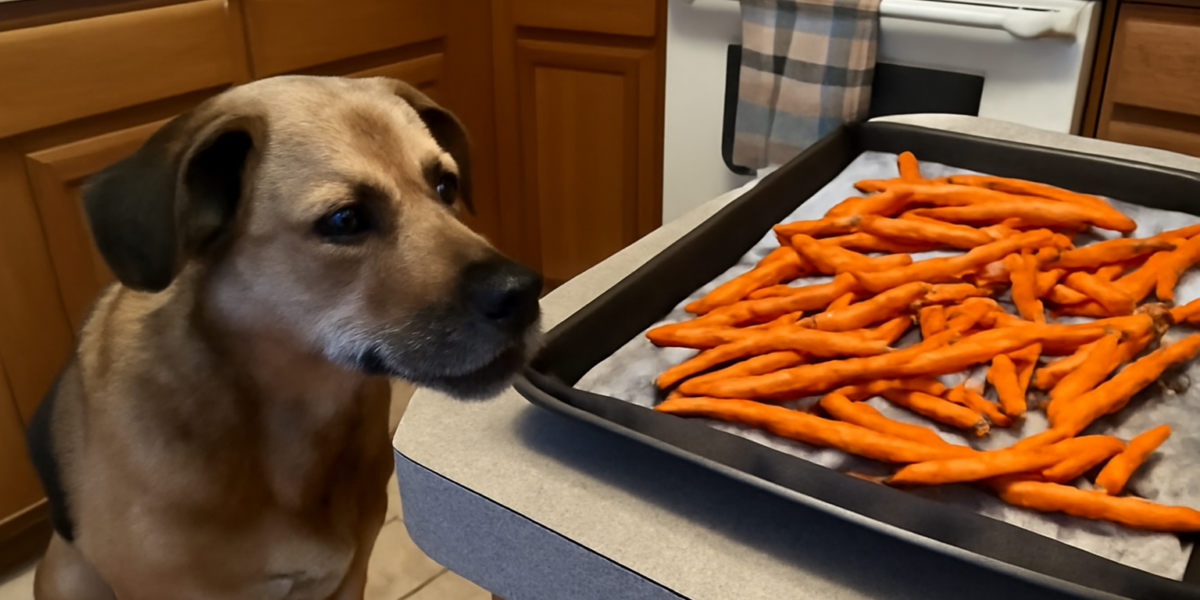
Dogs should not eat sweet potato fries. While plain cooked sweet potato is a nutritious treat for dogs, sweet potato fries are prepared in ways that make them unsuitable. The frying process adds large amounts of fat, and fries are almost always coated in salt and seasoning — all of which can harm your dog. The base ingredient is fine; the preparation is the problem.
Are Sweet Potato Fries Safe for Dogs?
Can dogs eat sweet potato fries? The short answer is no. Sweet potato fries are not safe for dogs, and this is true whether they come from a restaurant, a fast food chain, or your own kitchen. The concern is not the sweet potato itself — that vegetable is actually quite healthy for dogs when prepared correctly. The problem is everything that turns a sweet potato into a fry.
Most sweet potato fries are deep-fried or oven-roasted in oil, then salted generously, and often seasoned with garlic powder, onion powder, paprika, cayenne, or other spices. Each of these additions introduces health risks for dogs that plain sweet potato does not. Even a small serving of fries delivers excess fat and sodium that a dog’s digestive system is not built to handle well. Occasional accidental ingestion of a single fry is unlikely to cause serious harm, but sweet potato fries should not be offered as a treat or shared from your plate on a regular basis.
For more guidance on which human foods are safe for dogs and which to avoid, visit our dog care blog.
Why Sweet Potato Fries Are Bad for Dogs
There are several reasons why sweet potato fries are not appropriate for dogs, and they all come down to the way fries are made rather than the vegetable itself.
Oil and fat. Deep-frying or pan-frying sweet potatoes saturates them with fat. High-fat foods can cause digestive distress in dogs, including vomiting and diarrhea. Repeated exposure to fatty foods increases the risk of pancreatitis, a painful and potentially serious inflammation of the pancreas that requires veterinary treatment.
Salt. Sweet potato fries are almost always heavily salted. Dogs have a much lower tolerance for sodium than humans do. Excess salt can cause increased thirst, excessive urination, and in larger amounts, sodium ion poisoning — the symptoms of which include vomiting, diarrhea, tremors, and seizures.
Seasonings. Many fry seasonings contain garlic powder or onion powder, both of which are toxic to dogs. Even small quantities of these ingredients can damage red blood cells and lead to hemolytic anemia over time. Spices like paprika and cayenne are not toxic in the same way, but they can irritate a dog’s digestive tract and cause unnecessary discomfort.
Calories. Sweet potato fries are calorie-dense. A dog’s caloric needs are much smaller than a person’s, and even a modest portion of fries can represent a significant portion of a dog’s daily energy intake, contributing to weight gain if given regularly.
What If My Dog Ate Sweet Potato Fries?
If your dog stole a few sweet potato fries off your plate, there is no need to panic. A small amount of fries is unlikely to cause serious harm in an otherwise healthy dog. You may notice mild digestive upset such as loose stools or gas over the next day or two, particularly if the fries were heavily seasoned. This typically resolves on its own.
Monitor your dog for signs of more significant distress, including repeated vomiting, diarrhea that lasts more than 24 hours, lethargy, loss of appetite, or bloating. If the fries contained garlic or onion powder, watch for signs of anemia in the days following ingestion — these include pale gums, weakness, and rapid breathing. Contact your veterinarian if any of these symptoms appear, or if your dog ate a large quantity. Going forward, keep fries out of reach and avoid offering them intentionally.
Plain Sweet Potato vs. Sweet Potato Fries
It is worth making a clear distinction here because can dogs eat sweet potato fries is a very different question from can dogs eat sweet potatoes. The vegetable itself is genuinely good for dogs. Plain cooked sweet potato is rich in beta-carotene, vitamin C, vitamin B6, potassium, and dietary fiber. It supports healthy digestion, immune function, and skin and coat condition. It appears in many commercial dog foods and is widely recommended by veterinarians as a healthy supplement to a dog’s diet.
The moment you fry that sweet potato, soak it in oil, and coat it in salt and seasoning, all of those benefits are overshadowed by the health risks introduced through the preparation. You are no longer feeding your dog a vegetable — you are feeding them a high-fat, high-sodium, potentially seasoned processed food that their body is not equipped to handle in the same way.
The lesson here is straightforward: the ingredient is fine, but the preparation makes all the difference. If you want to give your dog the nutritional benefits of sweet potato, bake or boil it plain, skip the oil and salt entirely, and serve it in appropriate portion sizes. That version of sweet potato is a genuinely excellent treat. The fry version is not.
Healthier Sweet Potato Options for Dogs
There are several ways to share sweet potato with your dog safely. In each case, the goal is to preserve the vegetable’s natural nutrition without adding anything harmful.
Baked sweet potato is the simplest option. Wash the sweet potato, bake it at 400 degrees Fahrenheit until fully soft, allow it to cool completely, and scoop out small portions of plain flesh. No oil, no salt, no toppings of any kind.
Boiled sweet potato works equally well. Peel, cube, boil in plain water until tender, then drain and cool before serving. This is a quick method that is easy to portion out.
Dehydrated sweet potato chews are a commercially available treat option that many dogs enjoy. Look for products with sweet potato as the only ingredient and no added preservatives, salt, or flavorings.
All of these are far better choices than sweet potato fries, and your dog will be just as happy with a plain cube of baked sweet potato as they would be with a fry. For more tips on feeding your dog safely, browse our dog care blog.
Frequently Asked Questions
Can dogs eat sweet potato fries from a restaurant or fast food chain?
No. Restaurant and fast food sweet potato fries are cooked in large quantities of oil, salted heavily, and may contain seasoning blends that include garlic or onion powder. They are not appropriate for dogs. The sodium content alone from a restaurant portion far exceeds what a dog should consume in a day.
What about unsalted homemade sweet potato fries?
Homemade fries without salt are safer than restaurant fries, but they are still fried in oil, which makes them higher in fat than plain baked or boiled sweet potato. If you bake thin sweet potato slices in the oven without any oil or seasoning, that is a much closer approximation of a safe treat — though at that point, you are essentially making a dehydrated sweet potato chip rather than a fry.
Can dogs eat sweet potato fries if they only have a small amount?
A single fry is unlikely to cause lasting harm in a healthy adult dog. However, this does not make sweet potato fries a safe food or one that should be shared intentionally. The concern is not only acute harm from one fry but the cumulative effect of salt, fat, and seasoning that builds up with repeated exposure. It is better to establish a habit of not sharing fries with your dog at all.
Are sweet potato fries toxic to dogs?
Sweet potato fries are not toxic in the way that grapes, chocolate, or xylitol are. The sweet potato base is not poisonous. However, the added salt, oil, and especially any garlic or onion-based seasonings can cause real harm. “Not immediately toxic” is not the same as “safe.” Dogs should not eat sweet potato fries as part of their regular diet, and they should not be intentionally offered as a treat.


