
Last updated: April 1, 2026
In this article
Can Dogs Eat Tapioca? Everything You Need to Know
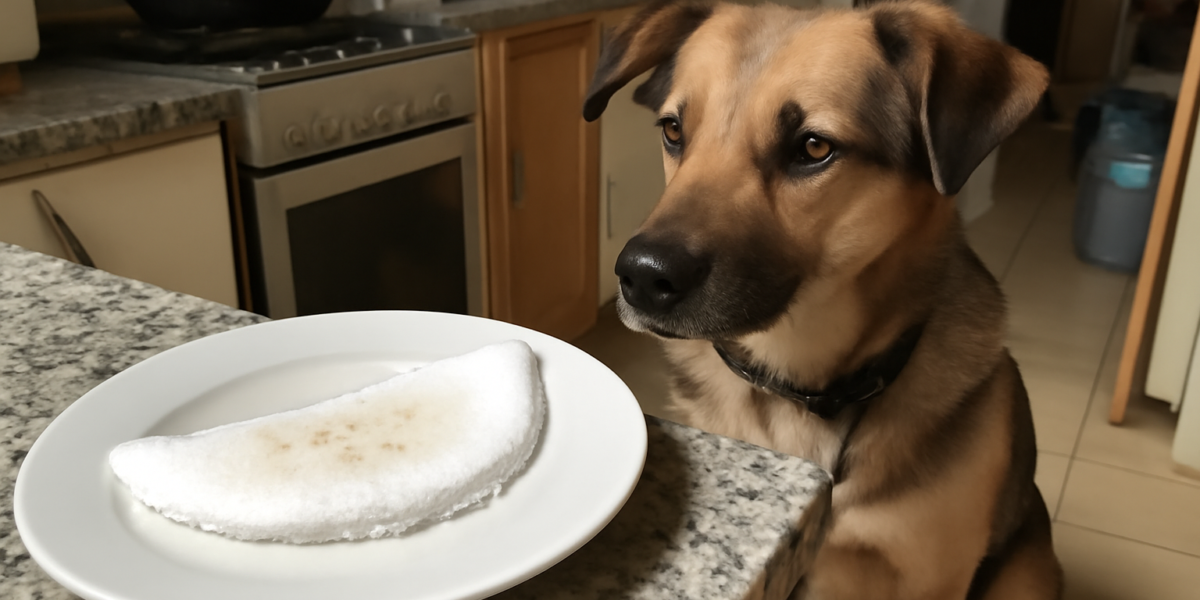
Tapioca has become a ubiquitous ingredient in modern cuisine — from bubble tea to gluten-free baking, this starchy product derived from cassava root shows up in more foods than most people realize. If you’ve noticed tapioca listed on your dog’s food label or you’re wondering whether those chewy boba pearls are safe for your pup, you’re asking the right questions. Can dogs eat tapioca? Yes, plain, cooked tapioca is generally safe for dogs in small amounts, but there are some important nuances you should understand.
Tapioca is extracted from the cassava plant (Manihot esculenta), a tropical root vegetable native to South America. The extraction process involves washing, pulping, and drying the starch from the cassava root. This processing is important because raw cassava contains cyanogenic glycosides — compounds that can release cyanide — but properly processed tapioca starch is free of these dangerous toxins. Let’s dive into the details of feeding tapioca to your dog safely and responsibly.
Nutritional Profile of Tapioca for Dogs
Tapioca is essentially a pure starch, which means it’s rich in carbohydrates but offers relatively little in terms of vitamins, minerals, or protein. One cup of dry tapioca pearls contains approximately 544 calories, 135 grams of carbohydrates, and less than a gram of protein. This makes tapioca a significant source of energy but a nutritionally hollow one compared to whole foods like rice or potatoes.
That said, tapioca isn’t entirely devoid of nutritional value. It contains small amounts of iron, calcium, and manganese. Iron supports oxygen transport in the blood, calcium is essential for bone and dental health, and manganese plays a role in metabolism and bone development. However, the quantities are modest enough that tapioca shouldn’t be relied upon as a meaningful source of any nutrient.
One area where tapioca genuinely shines is as a grain-free carbohydrate source for dogs with specific food allergies or sensitivities. Many limited-ingredient and grain-free dog foods use tapioca starch as a binding agent and carbohydrate source precisely because it’s hypoallergenic and easy to digest. For dogs that can’t tolerate grains, corn, or certain other starches, tapioca can be a valuable alternative.
The resistant starch in tapioca may also offer some digestive benefits. When cooked and then cooled, tapioca starch can develop resistant starch properties, meaning it passes through the small intestine undigested and acts somewhat like fiber in the large intestine. This can feed beneficial gut bacteria and support overall digestive health, though the effect is modest compared to true fiber sources.
How to Safely Prepare Tapioca for Dogs
Preparation is critical when it comes to feeding tapioca to your dog. The most common forms of tapioca available to consumers include tapioca flour (or starch), tapioca pearls (the kind used in bubble tea and puddings), and tapioca flakes. Each requires different handling, but the universal rule is that all tapioca must be fully cooked before feeding it to your dog.
Tapioca pearls need to be boiled until completely soft and translucent. Depending on the size of the pearls, this can take anywhere from 15 minutes for small pearls to 45 minutes or more for large boba-style pearls. Cook them in plain water without adding sugar, sweeteners, or flavorings of any kind. Once cooked, rinse them under cold water to remove excess starch and allow them to cool completely before offering a small amount to your dog.
Tapioca flour is most commonly used as a thickening agent or binder. If you’re making homemade dog treats, tapioca flour can replace wheat flour for dogs with gluten sensitivities. It creates a slightly chewy texture that many dogs find appealing. When using tapioca flour in recipes, ensure all other ingredients are also dog-safe — no chocolate, xylitol, raisins, or macadamia nuts.
Tapioca pudding, a popular dessert made by cooking tapioca pearls with milk and sugar, is not suitable for dogs. The added sugar provides unnecessary empty calories, and many dogs are lactose intolerant, meaning the milk can cause digestive upset. If you want to make a dog-friendly version, cook the pearls in water or unsweetened, plain bone broth and skip any sweeteners.
Never feed your dog raw tapioca in any form. While commercially processed tapioca starch has had the cyanogenic compounds removed, raw tapioca pearls that haven’t been cooked can be difficult to digest and may cause gastrointestinal blockages due to their hard, dense texture. Always cook tapioca products thoroughly before serving.
Risks and Potential Concerns
The primary risk associated with feeding tapioca to dogs is its high glycemic index. Tapioca causes a rapid spike in blood sugar levels, which can be problematic for dogs with diabetes or insulin resistance. If your dog has been diagnosed with diabetes, tapioca should generally be avoided or used only under strict veterinary guidance. The rapid blood sugar fluctuations can make diabetic management significantly more difficult.
Weight gain is another concern. Tapioca is calorie-dense and carbohydrate-heavy, offering very little nutritional return for the calories consumed. Dogs that are overweight or obese don’t need additional sources of empty carbohydrates in their diet. Even for dogs at a healthy weight, tapioca should be treated as an occasional indulgence rather than a regular addition.
Choking hazards exist, particularly with tapioca pearls. Large, chewy boba pearls can pose a choking risk for small dogs or those that tend to swallow food without chewing. If you’re offering tapioca pearls to your dog, cut them into smaller pieces or mash them slightly to reduce this risk. Supervision during feeding is always recommended.
Some concerns have been raised about the use of tapioca in grain-free dog foods and a potential link to dilated cardiomyopathy (DCM). The FDA has investigated reports of DCM in dogs eating grain-free diets, though the research is ongoing and no definitive causal link has been established. The concern appears to be related more to the overall dietary pattern (particularly diets high in legumes and potatoes) rather than tapioca specifically. However, it’s worth discussing with your vet if your dog eats a grain-free diet that relies heavily on tapioca as a carbohydrate source.
Gastrointestinal upset can occur if a dog eats too much tapioca at once. The high starch content can overwhelm the digestive system, leading to bloating, gas, diarrhea, or constipation. Introduce tapioca gradually and in small amounts to gauge your dog’s tolerance.
Appropriate Portions and Feeding Frequency
Given tapioca’s high calorie content and low nutritional density, portions should be kept small. As with all treats, tapioca should represent no more than ten percent of your dog’s daily caloric intake. Because tapioca is so calorie-dense, this translates to relatively small serving sizes.
For small dogs (under 20 pounds), limit tapioca to about one tablespoon of cooked pearls or a small amount of food made with tapioca flour, no more than once or twice a week. Medium dogs (20 to 50 pounds) can have about two tablespoons, while large dogs (over 50 pounds) can handle up to three tablespoons per serving. These amounts provide enough for a taste without overloading your dog with empty carbohydrates.
If you’re using tapioca flour in homemade dog treats, the amount of tapioca per individual treat is typically small enough that portion control is less of a concern. Focus instead on limiting the total number of treats given per day. A few small homemade tapioca treats won’t cause problems for most healthy dogs.
Frequency matters as much as portion size. Tapioca should be an occasional treat, not a daily snack. Two to three times per week is a reasonable maximum for most dogs. This frequency allows your dog to enjoy the variety without the downsides of excessive starch consumption.
Puppies should be approached with extra caution. Their nutritional needs are more demanding than adult dogs, and filling them up with empty carbohydrates can interfere with the intake of more nutritious foods. If you want to offer tapioca to a puppy, keep portions very small and infrequent — once a week at most.
Tapioca in Commercial Dog Foods
You may have noticed tapioca starch or tapioca flour on the ingredient list of your dog’s commercial food, especially if it’s a grain-free formula. In this context, tapioca serves several purposes: it acts as a binding agent to hold kibble together, provides a carbohydrate source for energy, and creates a texture that dogs find palatable.
The amount of tapioca in commercial dog foods is carefully calculated by pet nutritionists to provide energy without displacing essential nutrients. Reputable dog food manufacturers balance tapioca with adequate protein, fat, vitamins, and minerals to create a complete and balanced diet. This is very different from feeding plain tapioca as a treat, where no such nutritional balancing occurs.
If your dog is currently eating a food that contains tapioca and is thriving — maintaining a healthy weight, producing firm stools, displaying good energy levels, and sporting a shiny coat — there’s no reason for concern. The tapioca in their food is serving its intended purpose as part of a balanced formula.
However, if you’ve noticed digestive issues, weight gain, or other health changes since switching to a tapioca-containing food, it’s worth discussing alternatives with your veterinarian. While tapioca itself is unlikely to be the sole cause, it might be contributing to a dietary pattern that isn’t ideal for your individual dog.
When to Seek Veterinary Advice
Contact your veterinarian if your dog experiences any adverse reactions after eating tapioca. Signs of gastrointestinal distress — including vomiting, diarrhea, excessive gas, or loss of appetite — that persist for more than 24 hours warrant a vet call. While these symptoms usually resolve on their own with time and a bland diet, prolonged digestive upset can lead to dehydration and nutritional deficiencies.
If your dog has eaten raw cassava root rather than processed tapioca, this is a more urgent situation. Raw cassava contains linamarin, which can release hydrogen cyanide during digestion. Symptoms of cyanide poisoning include rapid breathing, dilated pupils, bright red gums, weakness, convulsions, and collapse. This is a veterinary emergency requiring immediate treatment.
Dogs with diabetes or pre-diabetic conditions should have their tapioca consumption closely monitored and ideally approved by their veterinarian. The blood sugar spikes caused by tapioca can interfere with insulin management and worsen metabolic control. Your vet can advise whether any amount of tapioca is appropriate for your diabetic dog’s specific situation.
Choking or intestinal blockage from uncooked or large tapioca pearls is rare but possible. If your dog is gagging, pawing at their mouth, drooling excessively, or showing signs of abdominal pain after eating tapioca, seek veterinary attention promptly. Intestinal blockages can become life-threatening if not addressed in time.
Frequently Asked Questions
Can dogs eat bubble tea tapioca pearls?
Plain, fully cooked tapioca pearls without any sweeteners, flavorings, or milk are safe for dogs in small quantities. However, actual bubble tea — which contains sugar, milk or cream, tea (caffeine), and often artificial flavors — is not safe for dogs. If you want to share tapioca pearls with your dog, cook them separately in plain water and offer just a few pieces. Be aware that their chewy texture can be a choking hazard for smaller dogs.
Is tapioca better than rice for dogs?
Not necessarily. Rice, particularly brown rice, offers more nutritional value than tapioca, including B vitamins, minerals, and fiber. White rice is often recommended for dogs with upset stomachs because it’s gentle and easy to digest. Tapioca’s main advantage over rice is that it’s grain-free, making it suitable for dogs with grain allergies or sensitivities. For dogs without such restrictions, rice is generally the more nutritious choice.
Can tapioca cause allergies in dogs?
Tapioca allergies in dogs are extremely rare. In fact, tapioca is considered one of the most hypoallergenic carbohydrate sources available, which is why it’s commonly used in limited-ingredient diets for dogs with food sensitivities. If your dog shows signs of an allergic reaction — such as itching, skin redness, ear infections, or digestive issues — after eating tapioca, consult your vet to identify the true allergen, as it’s more likely another ingredient in the food.
Does tapioca have any fiber for dogs?
Tapioca contains very little dietary fiber. A cup of dry tapioca pearls has less than one gram of fiber, which is negligible compared to fiber-rich foods like pumpkin, sweet potato, or green beans. If your dog needs more fiber in their diet, tapioca won’t provide it. However, cooked and cooled tapioca does develop some resistant starch, which functions similarly to soluble fiber by feeding beneficial gut bacteria, though the effect is relatively minor.


