
Last updated: April 8, 2026
In this article
Turmeric has been making headlines in human health circles for years, celebrated for its powerful anti-inflammatory and antioxidant properties. If you have a jar of this golden spice in your pantry, or if you have been reading about its potential benefits for pets, you are probably wondering whether your dog can safely enjoy turmeric too. The answer is more nuanced than a simple yes or no, and understanding the details can help you make the best decision for your dog’s health.
Quick Answer: Yes, dogs can eat turmeric in small, controlled amounts. Both fresh turmeric root and dried turmeric powder are non-toxic to dogs. The active compound curcumin may provide anti-inflammatory benefits, but proper dosing is essential because too much can cause digestive upset or interact with certain medications.
Is Turmeric Safe for Dogs?
Turmeric (Curcuma longa) is generally considered safe for dogs when given in appropriate doses. It is not listed as a toxic substance by the ASPCA or any major veterinary poison control database. In fact, turmeric and its primary active compound, curcumin, have been the subject of increasing interest in veterinary medicine for their potential therapeutic applications.
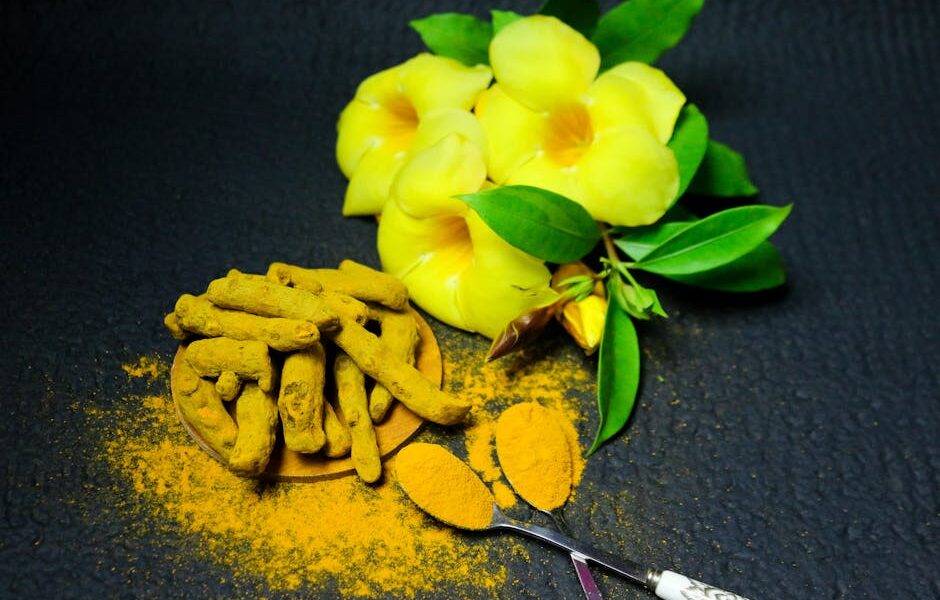
Both fresh turmeric root and the dried, ground powder that you find in the spice aisle are safe forms to offer your dog. However, there is an important distinction between culinary turmeric and concentrated curcumin supplements. Whole turmeric contains only about 2–5% curcumin by weight, while supplements can contain 95% or more standardized curcumin. The supplement form requires much more careful dosing and should only be used under veterinary supervision.
It is also worth noting that turmeric has very low bioavailability on its own, meaning your dog’s body may not absorb much of the curcumin without help. Pairing turmeric with a small amount of healthy fat (like coconut oil) and a pinch of black pepper can significantly improve absorption. This combination is sometimes referred to as “golden paste” in holistic pet care communities.
Nutritional Profile of Turmeric
Turmeric is more valued for its bioactive compounds than its macronutrient content, but it does contain several noteworthy nutrients in a typical one-teaspoon serving of dried ground turmeric:
- Curcumin: The star compound, responsible for turmeric’s yellow color and most of its studied health benefits.
- Manganese: Important for bone health, blood clotting, and metabolism. One teaspoon provides a small but meaningful amount.
- Iron: Supports oxygen transport in the blood through red blood cell production.
- Potassium: Plays a role in muscle function and fluid balance.
- Vitamin B6: Involved in brain development, immune function, and amino acid metabolism.
- Fiber: A small amount of dietary fiber that can support digestive health.
- Vitamin C: An antioxidant that supports immune health, though dogs produce their own vitamin C.
Fresh turmeric root contains more water and somewhat lower concentrations of these nutrients per volume compared to the dried form, but it also contains beneficial volatile oils that may be partially lost during the drying process.
Health Benefits of Turmeric for Dogs
The potential benefits of turmeric for dogs have attracted attention from both holistic practitioners and conventional veterinarians. While research in canine subjects is still developing, several areas show genuine promise.
Anti-inflammatory effects: Curcumin is one of the most widely studied natural anti-inflammatory compounds. It works by inhibiting several molecular targets involved in the inflammatory process, including NF-kB and COX-2 enzymes. For dogs with arthritis, joint pain, or chronic inflammatory conditions, turmeric may provide complementary support alongside conventional treatment. Some veterinarians report that their canine patients show improved mobility and comfort when turmeric is added to their regimen.
Antioxidant protection: Curcumin neutralizes free radicals and also stimulates the body’s own antioxidant enzymes. This dual mechanism makes it particularly effective at protecting cells from oxidative stress, which is associated with aging, cancer development, and degenerative diseases.
Joint health support: Beyond its general anti-inflammatory properties, turmeric may specifically benefit cartilage health. Some studies suggest that curcumin can slow the breakdown of cartilage tissue, making it a topic of interest for managing osteoarthritis in senior dogs.
Digestive health: In moderate doses, turmeric can support healthy digestion by stimulating bile production and reducing gut inflammation. However, this is a double-edged sword, as excessive amounts can irritate the digestive tract.
Liver support: Turmeric has been studied for its hepatoprotective (liver-protecting) properties. It may help support liver function and assist in detoxification processes, though it should not be used as a treatment for liver disease without veterinary guidance.
Potential anti-cancer properties: Laboratory studies have shown that curcumin can inhibit the growth of certain cancer cell lines, reduce tumor angiogenesis (blood vessel formation), and promote apoptosis (programmed cell death) in cancerous cells. While these findings are preliminary and should not be taken as proof that turmeric can treat cancer in dogs, they represent an exciting area of ongoing research.
Risks and Side Effects
Despite its many potential benefits, turmeric is not without risks, particularly when used improperly or in excessive amounts.
Gastrointestinal irritation: The most common side effect of too much turmeric is stomach upset, including nausea, vomiting, diarrhea, and gas. Turmeric stimulates gastric acid production, which can worsen existing conditions like acid reflux or gastritis.
Blood-thinning effects: Curcumin has natural anticoagulant (blood-thinning) properties. Dogs taking medications like aspirin, warfarin, or other blood thinners should not consume turmeric without veterinary approval, as it could increase the risk of bleeding. Turmeric should also be discontinued at least two weeks before any scheduled surgery.
Gallbladder complications: Because turmeric stimulates bile production, it can cause problems for dogs with gallbladder disease, bile duct obstruction, or gallstones. If your dog has any history of gallbladder issues, avoid turmeric entirely unless your vet specifically recommends it.
Kidney stone risk: Turmeric is high in oxalates, which can contribute to the formation of calcium oxalate kidney stones. Dogs prone to urinary stones or those with kidney disease should avoid turmeric supplementation.
Staining: This is not a health risk, but it is worth mentioning. Turmeric stains everything it touches, including your dog’s fur, your carpet, and your clothes. Be prepared for some yellow marks around your dog’s mouth after eating turmeric-enhanced food.
Drug interactions: In addition to blood thinners, turmeric may interact with diabetes medications (by lowering blood sugar further), anti-inflammatory drugs (by compounding their effects), and medications processed by the liver.
How to Feed Turmeric to Your Dog Safely
If you decide to introduce turmeric into your dog’s diet, the following guidelines will help you do so safely and effectively.
Dried turmeric powder: The easiest method is to sprinkle a small amount of ground turmeric directly onto your dog’s food. Use pure turmeric powder without added ingredients. Many curry powders contain turmeric but also include garlic, onion, and high levels of salt, all of which are harmful to dogs.
Fresh turmeric root: Peel and finely grate fresh turmeric root, then mix it into your dog’s meal. Fresh turmeric is milder than the dried form and may be easier on sensitive stomachs. Use approximately three times the amount of fresh root compared to dried powder.
Golden paste: Some dog owners prepare a simple paste by mixing turmeric powder with coconut oil and a small amount of ground black pepper. The fat and piperine in black pepper dramatically increase curcumin absorption. A basic recipe uses one-half cup of turmeric powder, one cup of water (simmered to form a paste), one-quarter cup of coconut oil, and one-half teaspoon of ground black pepper.
Recommended Serving Sizes
- Small dogs (under 20 lbs): 1/8 to 1/4 teaspoon dried turmeric per day, or 1/4 teaspoon golden paste.
- Medium dogs (20–50 lbs): 1/4 to 1/2 teaspoon dried turmeric per day, or 1/2 teaspoon golden paste.
- Large dogs (50 lbs and over): 1/2 to 1 teaspoon dried turmeric per day, or 1 teaspoon golden paste.
Start with the lowest recommended dose and gradually increase over the course of one to two weeks. This allows your dog’s digestive system to adjust and helps you identify any sensitivity before reaching the full amount.
Signs of a Problem After Eating Turmeric
Monitor your dog carefully after introducing turmeric, especially during the first week. Here is what to watch for.
Mild symptoms that typically resolve when turmeric is reduced or removed include soft or yellow-tinged stools, mild gas, temporary decrease in appetite, and increased thirst.
More serious symptoms that require veterinary attention include persistent vomiting or diarrhea, blood in the stool or vomit, signs of abdominal pain (pacing, whining, refusal to lie down), unusual bruising or prolonged bleeding from minor cuts, and signs of an allergic reaction such as facial swelling or hives.
If your dog gets into a container of turmeric powder and consumes a large amount, contact your veterinarian or an animal poison control hotline. While turmeric is not acutely toxic, a sudden large dose can cause significant gastrointestinal distress and potential complications related to its blood-thinning effects.
Alternatives to Turmeric for Dogs
If turmeric is not suitable for your dog due to health conditions or medication interactions, there are other natural foods and supplements that may offer similar benefits.
- Fish oil: Rich in omega-3 fatty acids, fish oil is one of the most well-researched natural anti-inflammatory supplements for dogs. It supports joint health, skin condition, and cognitive function.
- Ginger: Another rhizome with anti-inflammatory properties, ginger is generally safe for dogs in small amounts and can also help with nausea.
- Basil: A milder option with antioxidant and anti-inflammatory properties. Read our guide on whether dogs can eat basil for more details.
- Blueberries: Packed with antioxidants and low in calories, blueberries are an excellent treat for dogs looking for oxidative stress protection.
- Green-lipped mussel: A popular joint health supplement that provides a natural source of glucosamine, chondroitin, and omega-3 fatty acids.
Frequently Asked Questions
Can I give my dog human turmeric supplements?
This is generally not recommended without veterinary guidance. Human turmeric and curcumin supplements are formulated for human body weight and metabolism. They often contain concentrations of curcumin that are far too high for dogs, along with additives or other ingredients that may not be safe for canines. If you want to give your dog a curcumin supplement, ask your veterinarian to recommend a product specifically formulated for pets.
How long does it take to see benefits from turmeric?
Most pet owners who report positive effects from turmeric supplementation note that changes become apparent after two to four weeks of consistent daily use. Anti-inflammatory benefits, particularly improvements in joint mobility and comfort, tend to develop gradually. If you do not observe any changes after six to eight weeks, turmeric may not be providing significant benefits for your specific dog.
Can turmeric cure my dog’s arthritis?
No, turmeric cannot cure arthritis. It may help manage symptoms by reducing inflammation and providing antioxidant support, but it should be viewed as a complementary addition to a comprehensive treatment plan rather than a standalone cure. Always work with your veterinarian to develop an appropriate arthritis management strategy that may include prescription medications, weight management, physical therapy, and dietary supplements.
Is turmeric safe for puppies?
Turmeric is not generally recommended for puppies under one year of age. Puppies have developing digestive systems that are more sensitive to dietary additions, and their rapidly growing bodies have different nutritional needs than adult dogs. If you believe a puppy could benefit from turmeric, consult your veterinarian first.
Can I use turmeric topically on my dog?
Some holistic practitioners use turmeric pastes topically for minor skin irritations or hot spots. However, turmeric will stain your dog’s fur bright yellow, and there is limited scientific evidence supporting its topical effectiveness in dogs. If your dog has skin issues, a veterinary dermatologist can recommend more effective treatments.
Will turmeric make my dog’s food taste different?
Yes, turmeric has a warm, slightly bitter, earthy flavor that your dog may or may not appreciate. Some dogs accept turmeric-seasoned food readily, while others may be put off by the taste. Mixing it with a small amount of coconut oil or a flavorful topper can help mask the taste for picky eaters. If your dog consistently refuses food with turmeric, do not force it.
Thinking about adding a new companion to your family? Browse the dogs available on our adoption page and give a deserving pup the loving home they have been waiting for.


