
Can Dogs Eat Wheatgrass? A Complete Guide to This Green Superfood for Dogs
If you’ve jumped on the wheatgrass health trend and noticed your dog eyeing your freshly juiced greens, you might wonder whether this nutrient-packed plant is safe to share. The good news is that yes, dogs can eat wheatgrass. It is generally considered safe and may even offer some health benefits when introduced properly and fed in moderation. However, there are important considerations about sourcing, preparation, and quantity that every pet owner should understand before adding wheatgrass to their dog’s routine.
In this article
Interestingly, many dogs naturally seek out grass to munch on during walks and backyard play. If you’ve ever wondered why dogs eat grass, the behavior is common and usually harmless. Wheatgrass can be a cleaner, safer alternative to the random grass your dog might find outdoors, which may be treated with pesticides or contaminated with parasites.
What Is Wheatgrass and Why Is It Popular?
Wheatgrass is the young grass of the common wheat plant, Triticum aestivum. It’s harvested before the wheat plant develops grain heads, typically when the shoots are between 7 and 10 days old. At this early stage, the plant is rich in chlorophyll, vitamins, minerals, amino acids, and enzymes. It’s consumed by humans in juice, powder, and supplement form and has gained a reputation as a potent superfood.
Despite its name, wheatgrass is harvested before the plant produces gluten-containing grain. This means that wheatgrass itself is naturally gluten-free, which is an important distinction for dogs with wheat or gluten sensitivities. However, cross-contamination can occur during processing, so if your dog has a confirmed gluten allergy, look for wheatgrass products that are certified gluten-free or grow your own at home.
The nutritional profile of wheatgrass is impressive. It contains vitamins A, C, E, and K, as well as B vitamins including B6 and B12. It’s a source of iron, calcium, magnesium, and potassium. It also contains chlorophyll, which has been studied for its potential antioxidant and detoxifying properties. While dogs get most of their essential nutrients from a balanced commercial diet, the additional micronutrients in wheatgrass can serve as a beneficial supplement.
Potential Benefits of Wheatgrass for Dogs
While scientific research specifically on wheatgrass and dogs is limited, the nutritional composition of wheatgrass suggests several potential benefits when included as a small part of a dog’s diet.
Digestive support: Wheatgrass is high in dietary fiber, which can help promote healthy digestion and regular bowel movements. The fiber content may also help dogs who occasionally experience mild constipation. Many dog owners report that their pets seem to seek out grass when their stomach is upset, and wheatgrass provides this natural roughage in a controlled, pesticide-free form.
Chlorophyll benefits: Chlorophyll, the pigment that gives wheatgrass its vibrant green color, has been associated with several health benefits. It may help freshen breath by neutralizing odor-causing bacteria, support the body’s natural detoxification processes, and promote healthy blood cell production. Some holistic veterinarians recommend chlorophyll-rich foods for dogs with chronic bad breath.
Antioxidant support: The vitamins and enzymes in wheatgrass have antioxidant properties, meaning they help protect cells from damage caused by free radicals. This cellular protection may support overall health and immune function in dogs, particularly as they age.
Nutrient supplementation: For dogs who are picky eaters or those on restricted diets, wheatgrass can provide a boost of essential vitamins and minerals. The bioavailability of nutrients in wheatgrass is generally high, meaning your dog’s body can absorb and use them efficiently.
It’s important to note that wheatgrass should complement, not replace, a complete and balanced dog food. Think of it as a nutritional bonus rather than a dietary staple.
How to Safely Introduce Wheatgrass to Your Dog
If you’d like to try offering wheatgrass to your dog, the key is to start slowly and choose the right form. Here’s how to introduce it safely.
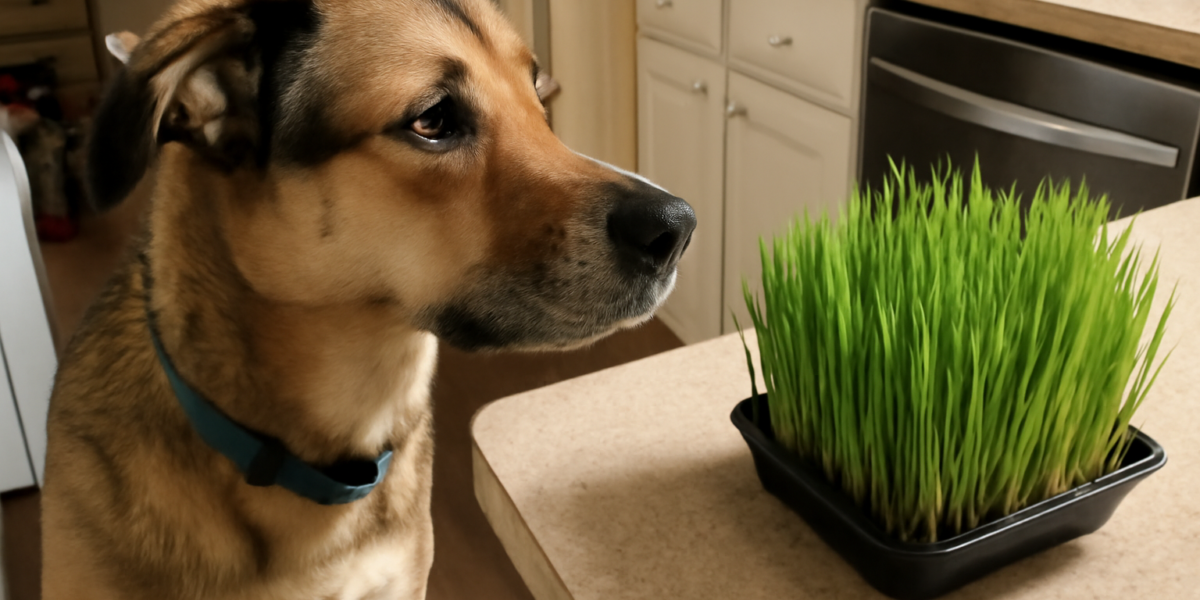
Growing your own: The safest way to provide wheatgrass to your dog is to grow it yourself. Wheatgrass growing kits are widely available online and at garden stores. You can grow it in a shallow tray on your windowsill using organic wheat berries and chemical-free soil. This ensures the grass is free from pesticides, herbicides, and other contaminants. Within about 10 days, you’ll have a tray of fresh wheatgrass ready for your dog to nibble on. Some pet owners place the tray on the floor and let their dog graze freely, similar to cat grass setups.
Fresh wheatgrass: If growing your own isn’t practical, you can purchase fresh wheatgrass from health food stores, juice bars, or farmers markets. Make sure it’s organic and hasn’t been treated with any chemicals. Rinse it thoroughly before offering it to your dog. You can chop it into small pieces and mix it into their regular food, or let them chew on whole blades.
Wheatgrass powder: Powdered wheatgrass is a convenient option and can be sprinkled over your dog’s food. Start with a very small amount, about a quarter teaspoon for small dogs and half a teaspoon for larger dogs. Gradually increase the amount over a week or two as long as your dog tolerates it well. Choose a pure, organic wheatgrass powder with no added sweeteners, flavors, or fillers.
Wheatgrass juice: You can offer a small amount of freshly juiced wheatgrass to your dog. Start with just a teaspoon mixed into their water bowl or drizzled over their food. Avoid store-bought wheatgrass juices that may contain added sugars, citrus, or other ingredients that aren’t dog-friendly.
Regardless of the form you choose, introduce wheatgrass gradually. Start with a small amount and wait 24 to 48 hours to see how your dog reacts before offering more. Some dogs take to wheatgrass immediately, while others may not be interested at all. Don’t force it if your dog turns their nose up at it.
Precautions and Potential Side Effects
While wheatgrass is generally safe for dogs, there are some precautions to keep in mind.
Digestive upset: Introducing any new food can cause temporary digestive upset in dogs. If your dog experiences vomiting, diarrhea, or excessive gas after eating wheatgrass, reduce the amount or stop offering it entirely. These symptoms usually resolve on their own once the new food is removed from the diet.
Pesticide exposure: Wheatgrass purchased from non-organic sources may have been treated with pesticides or grown in contaminated soil. Always choose organic wheatgrass or grow your own to eliminate this risk. Never let your dog eat grass from lawns, parks, or gardens that may have been treated with chemicals.
Choking hazard: Long blades of wheatgrass can occasionally cause gagging or minor choking in some dogs, particularly small breeds. Chopping the grass into shorter pieces can reduce this risk. If your dog tends to gulp food without chewing, mixing chopped wheatgrass into wet food is a safer approach than offering whole blades.
Mold concerns: Homegrown wheatgrass trays can develop mold at the soil level, especially in humid environments. Inspect the base of the grass regularly and discard any trays that show signs of mold growth. Mold can cause respiratory issues and gastrointestinal problems in dogs.
Allergic reactions: Although rare, some dogs may have an allergic reaction to wheatgrass. Signs of an allergic reaction include itching, hives, swelling of the face or muzzle, and difficulty breathing. If you notice any of these symptoms after your dog consumes wheatgrass, stop offering it immediately and consult your veterinarian.
Dogs who are already eating a nutritious diet that includes green vegetables like spinach may not need the additional supplementation that wheatgrass provides. Always consider your dog’s overall diet when adding new foods.
How Much Wheatgrass Should You Give Your Dog?
Moderation is essential when it comes to wheatgrass, as it is with any supplemental food. Here are some general guidelines based on your dog’s size.
Small dogs (under 20 pounds): Start with a few small blades of fresh wheatgrass or a quarter teaspoon of wheatgrass powder, offered no more than two to three times per week.
Medium dogs (20 to 50 pounds): You can offer a small handful of fresh wheatgrass blades or half a teaspoon of powder, two to three times per week.
Large dogs (over 50 pounds): A generous handful of fresh wheatgrass or up to one teaspoon of powder, two to three times per week, is generally appropriate.
These are starting guidelines. Every dog is different, and you should adjust the amount based on how your individual pet responds. If your dog enjoys grazing on a wheatgrass tray, supervise them to make sure they don’t overindulge. Too much fiber at once can cause bloating, gas, or loose stools.
Always ensure that wheatgrass makes up only a small portion of your dog’s overall diet. Treats and supplemental foods, including wheatgrass, should account for no more than 10 percent of your dog’s daily caloric intake. The remaining 90 percent should come from a complete and balanced dog food.
When to Call the Vet
In most cases, wheatgrass consumption doesn’t require veterinary attention. However, you should contact your vet if your dog shows signs of an allergic reaction such as facial swelling, hives, or difficulty breathing. You should also call if your dog develops persistent vomiting or diarrhea after eating wheatgrass, or if you suspect they may have eaten wheatgrass that was treated with pesticides or chemicals. If your dog has a known wheat allergy, discuss wheatgrass with your vet before offering it, as some dogs with wheat allergies may also react to wheatgrass despite its gluten-free status.
Frequently Asked Questions
Is wheatgrass the same as cat grass?
Wheatgrass and cat grass are closely related but not always identical. Cat grass is a general term that can refer to several types of grass, including wheatgrass, oat grass, barley grass, and rye grass. Wheatgrass is specifically the young shoots of the wheat plant. Both are safe for dogs, and the terms are sometimes used interchangeably in pet supply stores. If you buy a “cat grass” kit, check the label to see which type of grass seed is included.
Can wheatgrass replace my dog’s regular food?
Absolutely not. Wheatgrass is a supplemental food, not a complete nutrition source. It lacks the protein, fats, and many of the essential nutrients that dogs need to thrive. Your dog’s primary diet should always be a high-quality, nutritionally complete dog food that is appropriate for their age, size, and health status. Think of wheatgrass as a small nutritional boost, similar to giving your dog an occasional healthy treat.
My dog vomits after eating wheatgrass. Is this normal?
Some dogs vomit after eating grass of any kind, including wheatgrass. This can happen because the grass blades irritate the stomach lining or because the dog ate too much too quickly. Occasional vomiting after grass consumption is usually not a cause for concern. However, if your dog vomits every time they eat wheatgrass or if the vomiting is accompanied by other symptoms like lethargy or loss of appetite, stop offering wheatgrass and consult your veterinarian. Your dog may have a sensitivity to wheatgrass or an underlying digestive issue that needs attention.
Can puppies eat wheatgrass?
Puppies can try small amounts of wheatgrass once they are fully weaned and eating solid food, typically around 8 weeks of age. However, puppies have more sensitive digestive systems than adult dogs, so start with a very small amount and watch for any adverse reactions. Puppies should be getting the vast majority of their nutrition from a puppy-specific food formulated to support their rapid growth and development. Wheatgrass should be treated as an occasional novelty rather than a dietary supplement for young dogs.


