
Last updated: April 6, 2026
In this article
- Forward Ears — Alert, Interested, and Engaged
- Slightly Forward and Relaxed — Content and Comfortable
- Sideways or Airplane Ears — Anxious, Uneasy, or Overstimulated
- Flattened Back Against the Head — Scared or Aggressive
- Rotating and Swiveling Ears — Actively Listening
- One Ear Forward, One Ear Back — Mixed Signals
- Ear Twitching — Irritation, Sensitivity, or Minor Annoyance
- Reading Ears With Other Body Language
- Cat Ear Positions During Play
- When Ear Position Changes Signal Illness
- Frequently Asked Questions
Cats are not always easy to read. They do not wag their tails like dogs when they are happy, and they rarely vocalize their emotions in ways humans immediately understand. But there is one part of your cat’s body that broadcasts its feelings almost constantly — and most owners overlook it entirely. Your cat’s ears are one of the most expressive and reliable indicators of mood, intention, and health. Understanding cat ear positions gives you a direct line into what your cat is thinking and feeling at any given moment.
A cat’s ears are controlled by over 30 individual muscles, allowing them to rotate nearly 180 degrees independently of each other. This extraordinary range of motion serves two purposes: it helps cats pinpoint sounds with remarkable precision, and it communicates emotional states to other cats — and to you, if you know what to look for. Once you learn to read cat ear positions, you will notice shifts in your cat’s mood that you previously missed, and your ability to respond to their needs will improve dramatically.
Forward Ears — Alert, Interested, and Engaged
When a cat’s ears are pointing straight forward, it is actively engaged with something in its environment. This is the classic “something has my attention” posture. The ear openings face directly ahead, the ears stand tall and erect, and the cat’s eyes are typically wide and focused on whatever has captured its interest. You will see this position when your cat watches a bird through the window, hears you open a can of food, or notices a new object in the room.
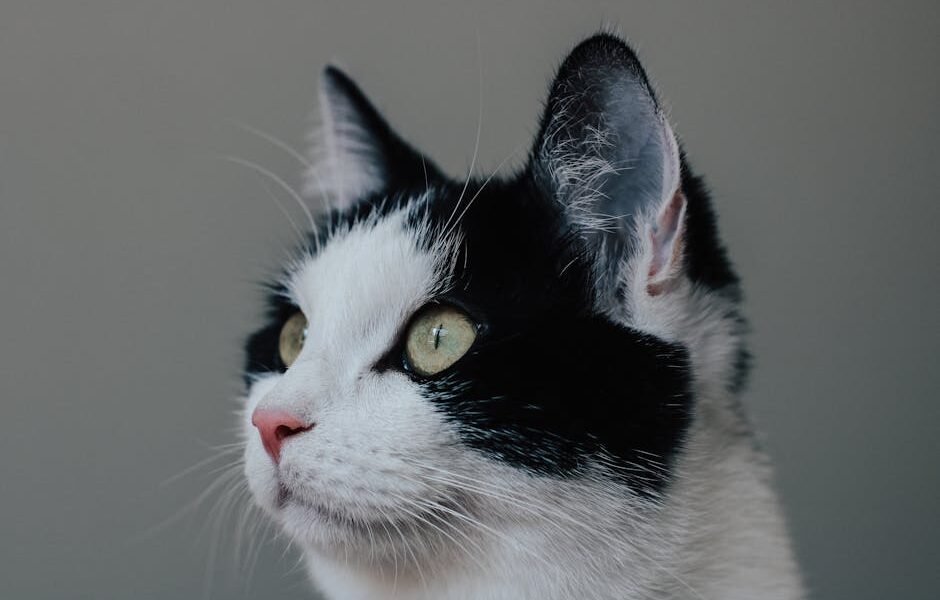
Forward-facing ears are one of the most positive cat ear positions you can observe. They indicate curiosity, confidence, and a willingness to engage. A cat with its ears pushed fully forward is not afraid or defensive — it is interested and alert. This is the ear position most cats display when they greet you at the door, when they are about to initiate play, or when they hear a sound they want to investigate. If you are trying to bond with a new cat or a recently adopted rescue, seeing those ears move forward when you enter the room is one of the earliest and most encouraging signs of trust. If you are considering adopting a cat, learning to read this confident, forward posture will help you connect with your new companion from day one.
Slightly Forward and Relaxed — Content and Comfortable
There is an important distinction between ears that are pushed sharply forward and ears that rest in a neutral, slightly forward position. When a cat is truly content — lounging on a warm surface, being gently stroked, or simply resting in a room where it feels safe — the ears settle into a soft, relaxed posture. They point forward but without tension. The base of the ears is not rigid, and there is no visible straining of the muscles.
This is the default resting position for a happy, comfortable cat. You will typically see it accompanied by slow blinking, a gently curled or still tail, and a body that is either loafed (paws tucked underneath) or stretched out in full relaxation. Some cats will also purr in this state, though purring alone is not always a sign of contentment. The slightly forward, relaxed ear is one of the most reliable indicators that your cat feels safe and at ease in its environment. If your cat’s ears remain in this position while you pet them, you can be confident that the interaction is welcome.
Sideways or Airplane Ears — Anxious, Uneasy, or Overstimulated
When a cat rotates its ears to the side so they point outward — resembling the wings of an airplane — it is signaling discomfort, anxiety, or uncertainty. This is one of the most important cat ear positions for owners to recognize because it often precedes more dramatic emotional shifts. Airplane ears mean the cat is not yet scared or aggressive, but it is no longer comfortable either.
You may see this position during a visit to the veterinarian, when a stranger enters the home, when there is a loud or unfamiliar noise, or during a petting session that has gone on slightly too long. Airplane ears are the cat’s way of saying “I am not sure about this situation.” It is a transitional state — the cat is evaluating whether to stay or flee, relax or escalate. If you notice your cat’s ears shifting sideways, the best response is to reduce whatever stimulus is causing the discomfort. Give the cat space, lower your voice, stop petting, or remove the source of stress. Responding to airplane ears before they flatten further can prevent a scratch, a bite, or a panicked flight across the room.
Overstimulation is one of the most common triggers for airplane ears in domestic cats. Many cats enjoy being petted but have a threshold — once crossed, the pleasant sensation becomes irritating. The ears rotating sideways are often the first warning, followed by skin twitching along the back, a lashing tail, and eventually a nip. Learning to spot those sideways ears and stop petting immediately is one of the simplest ways to build trust with a sensitive cat.
Flattened Back Against the Head — Scared or Aggressive
Ears that are pressed flat against the skull are one of the most unmistakable cat ear positions, and they always indicate a cat in distress. This posture serves a practical purpose — by folding the ears down and back, the cat protects them from being torn or bitten during a fight. But whether or not a fight is imminent, flattened ears are a clear signal that the cat feels threatened, frightened, or is preparing to defend itself.
A scared cat with flattened ears will typically also have dilated pupils, a crouched body, and may hiss or growl. Its weight shifts backward, and it looks for an escape route. An aggressive cat with flattened ears, on the other hand, may lean forward, puff up its fur, arch its back, and stare directly at the perceived threat. The ear position is similar in both cases, but the rest of the body language tells you whether the cat is trying to flee or fight.
If your cat’s ears are pinned flat, do not attempt to pick it up, comfort it with touch, or corner it. A cat in this state is operating on survival instinct and may bite or scratch even a beloved owner. Instead, remove the threat if possible, give the cat a clear escape path, and allow it to calm down on its own terms. Speak softly or remain silent. Once the perceived danger has passed, the ears will gradually lift, first to the sideways position and then back to neutral — and only then should you attempt gentle interaction.
Rotating and Swiveling Ears — Actively Listening
Cats have some of the most sensitive hearing in the animal kingdom. They can detect frequencies up to 64,000 Hz — roughly two octaves higher than the upper limit of human hearing — and their independently rotating ears function like biological satellite dishes. When you see your cat’s ears swiveling independently, rotating in different directions, or twitching rapidly toward various sounds, it is in active listening mode.
This is different from the fixed forward position of an alert cat. A swiveling cat is scanning its environment, processing multiple audio inputs simultaneously. You might notice this behavior when your cat is sitting on a windowsill and tracking sounds from different directions — a bird to the left, a car to the right, rustling leaves behind. Indoor cats often display this ear behavior when they hear sounds from other rooms, the muffled noises of neighbors, or even the subtle hum of appliances.
Rotating ears are not inherently positive or negative — they simply mean the cat is gathering information. The context matters. A cat swiveling its ears while relaxed on the couch is casually monitoring its territory. A cat swiveling its ears with a tense body and wide eyes is trying to locate a potential threat. Watch what the rest of the body is doing to understand whether the listening is casual or anxious. Many breeds known for their intelligence and activity levels, such as the Abyssinian and Siamese, display particularly pronounced ear swiveling behavior. You can learn more about how different breeds communicate and behave in our cat breeds directory.
One Ear Forward, One Ear Back — Mixed Signals
Sometimes a cat’s ears point in two completely different directions — one angled forward and the other rotated back or sideways. This asymmetric position is more common than many owners realize, and it usually means the cat is processing conflicting information or experiencing mixed emotions.
A classic example is a cat that hears an interesting sound ahead (one ear forward) while simultaneously detecting an unfamiliar noise behind it (one ear back). The cat is literally trying to pay attention to two things at once. You may also see this position when a cat is uncertain about an interaction — perhaps it wants to approach you but is not entirely sure it is safe. One ear signals interest while the other signals caution.
Asymmetric ears are not a cause for concern. They are simply a reflection of the cat’s complex processing ability and the independence of those 30-plus ear muscles. If the uncertain ear eventually rotates forward to match the other, the cat has resolved its conflict and decided to engage. If both ears rotate back, the cat has decided to retreat. Watch and let the cat make its own decision rather than forcing the interaction.
Ear Twitching — Irritation, Sensitivity, or Minor Annoyance
Quick, repetitive flicks or twitches of one or both ears can indicate several things depending on context. A cat that twitches its ears while being petted is often signaling mild irritation — you may be touching a sensitive area, petting too firmly, or continuing beyond the cat’s tolerance threshold. A cat twitching its ears while staring at prey (real or a toy) may be expressing intense focus and anticipation.
Ear twitching can also be a response to physical irritation. A fly buzzing near the head, a tickling sensation from a stray hair, or water droplets on the ear can all trigger rapid flicks. In most cases, ear twitching is brief and resolves quickly once the source of irritation is removed.
However, persistent or chronic ear twitching — especially when accompanied by head shaking, scratching at the ears, or visible redness — may indicate a medical issue such as ear mites, an infection, or allergies. A single ear twitch is communication. Repeated twitching over hours or days is a symptom. The difference matters, and we will cover this in more detail below.
Reading Ears With Other Body Language
Cat ear positions are powerful indicators on their own, but they become far more reliable when read alongside other body language signals. A cat’s ears, eyes, tail, posture, and vocalizations work together as a complete communication system, and isolating one signal can sometimes lead to misinterpretation.
Ears forward plus slow blinks and a relaxed tail: This combination means your cat is content, trusting, and open to interaction. Slow blinks are often described as “cat kisses” and indicate deep comfort.
Ears sideways plus a twitching or lashing tail: The cat is becoming agitated. This combination frequently appears during overstimulation from petting and is a strong signal to stop touching the cat immediately.
Ears flat plus dilated pupils, arched back, and hissing: The cat is in full defensive mode. This is the most intense fear or aggression display and means the cat feels it has no safe option for retreat. Do not approach.
Ears swiveling plus a crouched, low body and a slowly swishing tail: The cat is in hunting mode. It is tracking something — possibly a toy, possibly real prey — and is preparing to pounce. This is focused, excited energy, not anxiety.
Ears slightly back plus purring: This can be confusing. Many people assume purring always equals happiness, but cats also purr when they are stressed, unwell, or in pain. Ears that are slightly pulled back during purring may indicate that the cat is self-soothing rather than expressing joy. Check for other signs of discomfort, such as a tense body, avoidance of eye contact, or reluctance to move.
The key principle is never to rely on a single signal. Always look at the full picture — ears, eyes, tail, body posture, and vocalizations together — to accurately understand what your cat is communicating.
Cat Ear Positions During Play
Playtime produces some of the most dynamic and rapidly changing cat ear positions you will ever observe. During an active play session, a cat’s ears can cycle through multiple positions within seconds as its emotional state shifts between excitement, focus, surprise, and anticipation.
A cat stalking a feather wand will typically hold its ears forward and slightly rotated outward, maximizing its ability to track the sound and movement of the toy. Just before the pounce, the ears may press slightly back — not from fear, but as part of the physical preparation for a sudden explosive movement. After the pounce, the ears usually snap back to forward as the cat assesses whether it “caught” the prey.
During wrestling play with another cat, you will see frequent shifts between forward and sideways ear positions. This is normal and healthy. The critical distinction is between play and genuine aggression: during play, the ears return to forward or neutral repeatedly, the cats take turns being the “attacker” and “defender,” and the body language remains relatively loose. If one cat’s ears flatten completely and stay flat, the interaction has crossed from play into conflict, and the cats should be separated.
Interactive play is essential for indoor cats, and understanding ear positions during play helps you gauge whether your cat is having fun or becoming frustrated. If the ears stay forward and the cat is eagerly chasing the toy, you are doing it right. If the ears start rotating sideways and the cat begins to disengage, it may be tired, bored with that particular toy, or overstimulated. Switch toys or end the session on a positive note.
When Ear Position Changes Signal Illness
While most ear position changes are behavioral and communicative, certain patterns can indicate a health problem that requires veterinary attention. Knowing the difference between a communicative ear signal and a medical symptom can help you catch issues early.
Persistent head tilting with one ear lower than the other: A cat that consistently holds its head to one side, with one ear angled downward, may have an inner ear infection, vestibular disease, or an ear polyp. This is not the same as a cat casually tilting its head in curiosity — the tilt is constant, does not resolve, and may be accompanied by loss of balance or disorientation.
Frequent ear flattening without an obvious trigger: If your cat frequently presses its ears back when there is no visible source of stress or threat, it may be experiencing pain. Cats are notoriously stoic and often hide illness, but chronic pain — from dental disease, arthritis, headaches, or internal conditions — can cause a cat to hold its ears in a tense, flattened position even in otherwise calm environments.
Excessive scratching, head shaking, and ear twitching: This trio of symptoms strongly suggests ear mites, a bacterial or yeast infection, or allergies. You may also notice dark, waxy discharge inside the ear canal, redness, swelling, or an unpleasant odor. Ear infections in cats can be painful and, if left untreated, can lead to hearing loss or spread to the inner ear, affecting balance.
One ear held differently from the other without resolution: If one ear consistently droops, refuses to stand upright, or appears swollen, the cat may have an aural hematoma (a blood blister inside the ear flap), an injury, or an abscess. This requires veterinary examination.
Sudden loss of ear responsiveness: If your cat’s ears stop responding to sounds — they do not swivel toward a loud noise or perk up when you call its name — hearing loss may be developing. This can result from chronic ear infections, age-related degeneration, or, in some cases, exposure to certain medications. Senior cats should have their hearing checked as part of routine wellness visits.
Any time a change in ear position or behavior persists for more than a day or two, or is accompanied by other symptoms such as lethargy, appetite loss, discharge, or behavioral changes, schedule a veterinary appointment. Early detection makes treatment easier and outcomes better. If you are preparing to adopt a new cat, a thorough ear examination should be part of the initial veterinary checkup to establish a healthy baseline.
Frequently Asked Questions
What does it mean when a cat’s ears are back but it is purring?
Cats do not only purr when they are happy. Purring combined with ears held back can indicate that the cat is self-soothing because it is stressed, anxious, in pain, or unwell. Look at the full body language — if the cat is tense, avoiding eye contact, or reluctant to move, the purring is more likely a coping mechanism than a sign of contentment. If this behavior persists, consult your veterinarian to rule out pain or illness.
Do all cat breeds show the same ear positions?
The underlying emotional signals are the same across all breeds, but certain breeds have ear shapes that make positions harder to read. Scottish Folds, for example, have ears that fold forward naturally, making the difference between “forward and happy” and “flattened and scared” more subtle. American Curls have ears that curve backward, which can look like a defensive posture to the untrained eye even when the cat is relaxed. With these breeds, paying close attention to the base of the ear and the surrounding facial muscles is especially important. Explore our cat breeds directory to learn more about the physical traits of specific breeds.
Why does my cat flatten its ears when I pet it?
If your cat flattens its ears during petting, it is likely becoming overstimulated. Many cats have a limited tolerance for physical touch, and certain areas — the belly, the base of the tail, and sometimes the hindquarters — are particularly sensitive. When the ears go flat or sideways during petting, stop immediately and give the cat space. Over time, you will learn your individual cat’s preferences and thresholds, allowing you to pet in ways that keep the ears forward and relaxed.
Can I tell if my cat is in pain just by looking at its ears?
Ear position alone is not enough to diagnose pain, but it can be a valuable early clue. Cats in chronic pain often hold their ears in a slightly tense, pulled-back position even when there is no external stressor. This is especially common with dental pain, arthritis, and urinary issues. If you notice your cat’s ears are consistently less relaxed than usual — combined with changes in appetite, activity level, or grooming habits — a veterinary evaluation is warranted.
At what age do kittens start using ear positions to communicate?
Kittens are born with folded ears that begin to open and stand upright at around two to three weeks of age. By five to six weeks, kittens start displaying recognizable ear positions in response to stimuli, and by eight to ten weeks, they are using the full range of ear signals during play and social interactions with their littermates. Watching kittens develop their ear communication is one of the most rewarding aspects of fostering or raising young cats.


