
Last updated: April 27, 2026
In this article
Chinese Crested: Complete Dog Breed Profile
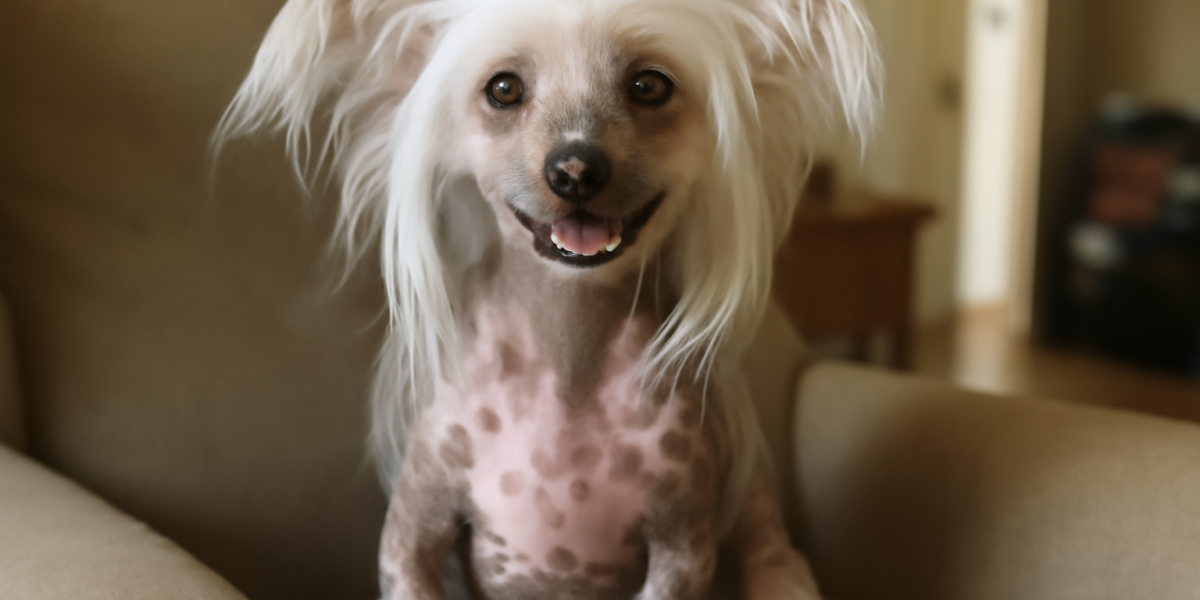
The Chinese Crested is one of the most distinctive and instantly recognizable dogs in the world. With its tufted crest of silky hair, bare spotted skin, and deeply devoted personality, the Chinese Crested has earned a devoted following among dog lovers who want a truly unique companion. Despite the name, this breed’s origins are far more complex and internationally traveled than the name implies. Whether you are drawn to the elegant, nearly hairless variety or the soft, full-coated Powderpuff, the Chinese Crested brings an extraordinary combination of charm, sensitivity, and loyalty to any home. This guide covers everything you need to know about the Chinese Crested — from temperament and grooming to health concerns and how to adopt one through WalkMeHome Rescue.
Quick Facts
| Attribute | Details |
|---|---|
| Breed Group | Toy Group |
| Size | Small |
| Weight | Up to 12 pounds |
| Height | 11 to 13 inches at the shoulder |
| Life Expectancy | 13 to 18 years |
| Coat Type | Hairless (with crest, socks, and plume) or Powderpuff (full double coat) |
| Shedding | Very low (Hairless) to Low (Powderpuff) |
| Temperament | Affectionate, playful, loyal, alert |
| Good With Kids | Yes, with older or gentle children |
| Good With Other Pets | Generally yes |
| Exercise Needs | Low to moderate |
| AKC Recognition | 1991 |
Personality and Temperament
The Chinese Crested is a dog that lives to be near the people it loves. Often described as a “velcro dog,” the Chinese Crested will follow its owner from room to room, seeking closeness and physical contact at every opportunity. This breed is affectionate to its core — expect to find your Chinese Crested curled beside you on the couch, tucked under the covers, or perched contentedly on your lap for hours at a time.
Despite their delicate appearance, Chinese Cresteds are genuinely playful and spirited. They enjoy interactive games, short bursts of play, and entertaining their families with their curious, clownish antics. They tend to bond very deeply with their primary caregivers, which makes them exceptional companions for individuals, couples, or families who spend a good portion of their day at home.
The Chinese Crested can be reserved or shy around strangers at first, but with patience and consistent positive experiences, most warm up readily. Early socialization is important to prevent timidity from becoming a lasting behavioral pattern. Both the hairless and Powderpuff varieties share the same temperament — gentle, loving, and deeply attuned to human emotion. Because of their sensitivity, they do not respond well to harsh correction or an unpredictable home environment. A calm, loving household is where the Chinese Crested truly thrives.
Appearance
The Chinese Crested comes in two distinct varieties that can actually be born in the same litter: the Hairless and the Powderpuff. Both varieties share the same elegant, fine-boned build, almond-shaped dark eyes, and graceful, arched neck.
The Hairless variety is the more recognizable of the two. Its body is smooth and warm to the touch, with soft, flowing hair on the crest of the head, the lower legs (called “socks”), and the tail (called the “plume”). The exposed skin is often strikingly beautiful, displaying mottled patches of pink, grey, black, and copper — a feature that owners frequently describe as resembling fine art. The skin itself is warm and soft, and the absence of a heavy coat gives the dog an almost otherworldly, elegant appearance.
The Powderpuff variety is covered from head to tail in a soft double coat of long, silky hair that gives the dog a fluffy, refined look. The Powderpuff has a more conventional small-dog appearance but retains all the fine, delicate features of the breed. Both varieties are small but not fragile-looking — the Chinese Crested carries itself with poise and a certain aristocratic bearing that draws attention wherever it goes.
Exercise Needs
The Chinese Crested has low to moderate exercise requirements, making it an excellent choice for apartment dwellers, people with limited mobility, or owners who prefer a less demanding exercise routine. This breed does not need long, strenuous runs or hours of outdoor activity to stay happy and healthy. A couple of short walks per day combined with some indoor playtime is usually sufficient to meet the physical and mental needs of a Chinese Crested.
While the Chinese Crested enjoys activity, it is also well-suited to quieter days spent lounging indoors. Their small size means that a vigorous game of fetch in the hallway or a romp in a securely fenced yard can provide plenty of stimulation. Because the hairless variety lacks the insulating coat of most dogs, they are sensitive to both cold and heat extremes. During winter months, a dog sweater or coat is not optional — it is essential. In summer, sun exposure should be managed carefully to prevent sunburn on exposed skin.
Mental stimulation is just as important as physical exercise for this intelligent breed. Puzzle toys, training sessions, and interactive play keep the Chinese Crested mentally engaged and prevent boredom-related behaviors. For more tips on keeping your dog active and healthy, visit our dog care blog.
Grooming Needs
Grooming requirements for the Chinese Crested differ significantly depending on the variety, and prospective owners should understand what each entails before bringing one home.
For the Hairless variety, the primary grooming concern is skin care. The exposed skin must be kept clean and moisturized to prevent dryness, irritation, and breakouts, which can resemble acne. Regular bathing with a gentle, dog-safe cleanser and the application of a fragrance-free moisturizer keeps the skin healthy. Because the skin is exposed, sunscreen specifically formulated for dogs must be applied to any areas that will be exposed to sunlight. This is not an optional step — without sun protection, the hairless Chinese Crested is at real risk of sunburn and long-term skin damage.
The Powderpuff variety requires more traditional grooming. The long, silky double coat needs regular brushing — ideally several times per week — to prevent tangles and mats from forming. The coat does not shed heavily, but without consistent brushing, it can become knotted quickly. Occasional trimming around the face and feet keeps the Powderpuff looking tidy.
Both varieties require routine nail trims, ear cleaning, and dental care. Dental hygiene is especially critical for the Chinese Crested, as dental disease is one of the most significant health concerns for the breed.
Health and Common Issues
The Chinese Crested is a generally healthy breed with an impressive lifespan of 13 to 18 years, but like all purebred dogs, it is predisposed to certain health conditions that owners should be aware of.
Dental disease is the most significant and well-documented health issue in the Chinese Crested. The hairless variety in particular tends to have poorly rooted, misaligned, or missing teeth — a genetic trait linked to the hairless gene itself. Without diligent dental hygiene and regular veterinary dental cleanings, tooth loss can occur at a young age. Daily tooth brushing and routine professional cleanings are essential for this breed.
Legg-Calve-Perthes disease, a condition affecting the hip joint that causes deterioration of the femoral head, is also seen in Chinese Cresteds. It typically manifests in young dogs and may require surgical correction. Progressive Retinal Atrophy (PRA), a degenerative eye condition that can lead to blindness, has been identified in the breed, making eye health screenings important for breeding dogs.
Skin allergies and sensitivities are common in the hairless variety, given the lack of a protective coat. Food allergies, contact allergies, and environmental sensitivities can all manifest as skin irritation. Working with a veterinarian to identify and manage triggers is key to keeping a hairless Chinese Crested comfortable.
Are Chinese Cresteds Good With Kids and Other Pets?
The Chinese Crested can be an excellent family dog, but the right household fit depends on the ages and temperaments of the children involved. Because of their small size and sensitive nature, Chinese Cresteds do best with older, gentle children who understand how to handle a small dog respectfully. Rough play, accidental falls, or overly exuberant handling can injure or frighten a Chinese Crested, leading to anxiety or defensive behavior.
With children who have been taught to interact gently, the Chinese Crested is a warm, affectionate, and playful companion. They enjoy being involved in family activities and are generally patient and sweet-natured with the people they know well.
When it comes to other pets, the Chinese Crested tends to get along well with other dogs and cats, especially when properly socialized from a young age. They are not typically aggressive, and their gentle nature usually makes introductions to other animals relatively smooth. That said, because of their small size, they should always be supervised around very large or boisterous dogs that could accidentally cause harm. With the right introductions and a stable home environment, most Chinese Cresteds coexist happily with other household pets.
Training Tips
Training a Chinese Crested requires a thoughtful, patient approach grounded entirely in positive reinforcement. This is a highly sensitive breed that does not respond well to harsh corrections, raised voices, or punishment-based training methods. Even a sharp word can be enough to shut down a Chinese Crested’s willingness to engage, making patience and encouragement non-negotiable elements of any training plan.
The good news is that Chinese Cresteds are intelligent and eager to please their owners, which makes training with rewards and praise highly effective. Short, consistent training sessions work best — aim for five to ten minutes at a time, several times per day, rather than one long session. This approach keeps the dog engaged without overwhelming them.
Housetraining can be one of the more challenging aspects of owning a Chinese Crested, as small breeds in general can take longer to fully housetrain. Consistency, a reliable schedule, and generous praise for correct behavior are the keys to success. Crate training, used humanely, can be a helpful tool during the housetraining process.
Socialization should begin early and be ongoing. Exposing a young Chinese Crested to a wide variety of people, environments, sounds, and other animals in a positive, low-stress way helps prevent the shyness and anxiety that can develop in undersocialized individuals. For more guidance on positive training techniques, explore our dog care blog.
History and Origin
Despite its name, the Chinese Crested’s true origins remain a subject of ongoing debate among historians and breed enthusiasts. The breed is not believed to have originated in China, and the full story of how it came to be associated with that country is more complex than the name suggests.
Several theories exist about where hairless dogs first emerged. One widely accepted theory suggests that hairless dogs originated in Africa, where similar hairless breeds have existed for centuries. Another theory points to Mexico and Central America, where hairless dogs were kept by indigenous peoples and have a long, documented history. It is generally believed that Chinese merchant traders encountered hairless dogs during their voyages to Africa and the Americas, bringing the dogs aboard their ships to serve as ratters and, eventually, companions. Over centuries of trade, these dogs became associated with Chinese merchant vessels, and the name “Chinese” Crested emerged from that maritime connection.
By the 19th century, the Chinese Crested had found admirers in Europe and North America, with early breed clubs and enthusiasts working to establish and preserve the breed’s distinctive traits. The American Kennel Club officially recognized the Chinese Crested in 1991, placing it in the Toy Group. Today, the breed enjoys a devoted global following, with both the Hairless and Powderpuff varieties celebrated for their unique beauty and loving temperament.
Frequently Asked Questions About the Chinese Crested
Do Chinese Cresteds shed?
The Hairless variety of the Chinese Crested sheds very little to not at all, making it a popular choice for people who are sensitive to dog hair. The Powderpuff variety has a full double coat and does shed, though generally at a lower level than many other breeds. Regular brushing of the Powderpuff’s coat helps manage any shedding and keeps the coat healthy and tangle-free.
Is the Chinese Crested hypoallergenic?
While no dog is truly hypoallergenic, the Hairless Chinese Crested is often better tolerated by people with mild dog allergies than heavily shedding breeds. Because the Hairless variety produces less dander from a coat, allergic reactions may be reduced. However, anyone with dog allergies should spend time with a Chinese Crested before committing to adoption, as individual reactions vary significantly from person to person.
Are Chinese Cresteds difficult to care for?
The Chinese Crested requires a somewhat specialized level of care compared to many other breeds, particularly the Hairless variety. Skin moisturizing, sunscreen application, and diligent dental hygiene are daily commitments that new owners must be prepared for. The Powderpuff requires regular coat brushing. Beyond these specific care needs, the Chinese Crested is not considered a high-maintenance breed in terms of exercise or space requirements, and adapts well to a variety of living situations.
How long do Chinese Cresteds live?
The Chinese Crested has one of the longer lifespans in the dog world, typically living between 13 and 18 years with proper care. Regular veterinary check-ups, a healthy diet, good dental hygiene, and appropriate skin care all contribute to a long, healthy life. Adopting from a reputable rescue organization ensures that the dog has received a health evaluation and any necessary veterinary care before coming home with you.
Adopt a Chinese Crested
If the Chinese Crested sounds like the right dog for your life, consider giving a rescue dog the loving home it deserves. Chinese Cresteds in rescue may come from a variety of backgrounds — some surrendered by owners who underestimated their care needs, others found as strays, and many simply in need of a fresh start. What they all share is the capacity to form an extraordinary bond with the right person or family.
At WalkMeHome Rescue, we work to match dogs with families based on lifestyle, experience, and compatibility. Our adoption team can help you find a Chinese Crested that fits your home and your heart. Visit our adopt a dog page to browse available dogs, learn about our adoption process, and take the first step toward welcoming a Chinese Crested into your life.


