
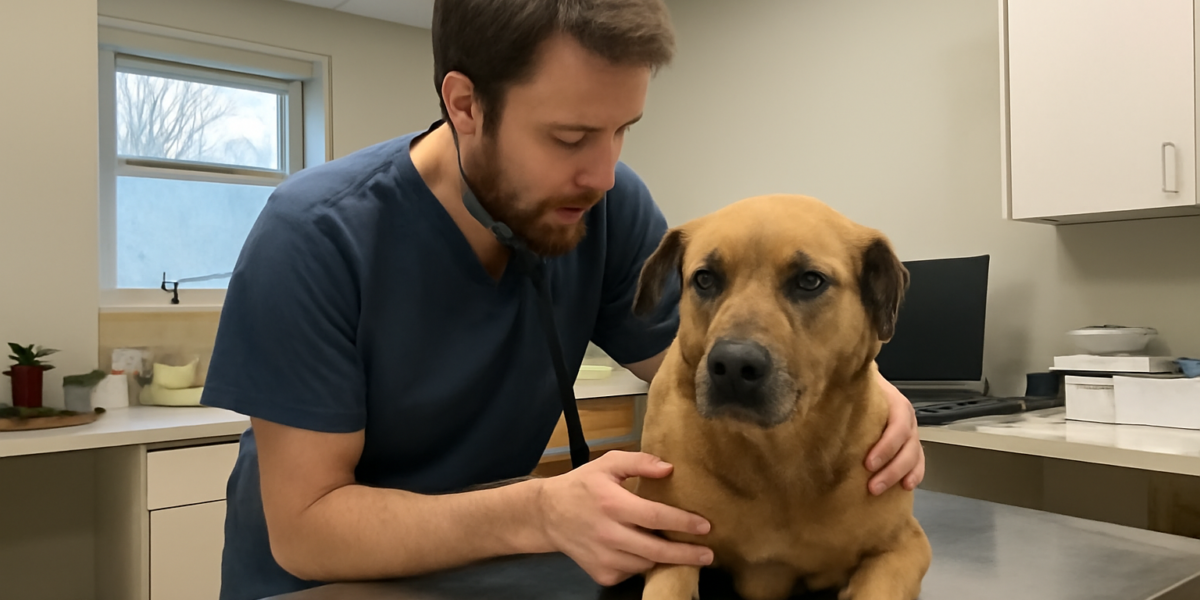
What Is Chronic Hepatitis in Dogs?
Chronic hepatitis dogs experience is ongoing liver inflammation that persists for weeks to months and progressively damages liver tissue. The hallmark on biopsy is hepatocyte injury, inflammation, and varying degrees of fibrosis (scarring). Without treatment, the disease can progress to cirrhosis and liver failure, but with early diagnosis and appropriate management many dogs do well for years.
In this article
- What Is Chronic Hepatitis in Dogs?
- Common Causes
- Predisposed Breeds
- Symptoms and Recognition
- Diagnostic Workup
- Treatment Strategy
- Antifibrotic and Anti-inflammatory Approaches
- Diet and Supplemental Support
- Managing Complications
- Long-Term Monitoring
- Travel, Anesthesia, and Concurrent Care
- Related Liver and Senior Topics
- Frequently Asked Questions
Chronic hepatitis can be idiopathic (cause unknown) or secondary to identifiable triggers including copper accumulation, drug reactions, infectious diseases, and immune-mediated mechanisms. Several breeds are predisposed, and certain medications can occasionally cause persistent liver inflammation in susceptible dogs. Identifying the underlying cause when possible guides the most effective treatment.
The disease is often discovered incidentally on routine bloodwork before clinical signs appear. Persistently elevated liver enzymes in an otherwise normal dog should prompt a workup rather than a wait-and-see approach.
Common Causes
Copper accumulation is one of the most identifiable causes, particularly in Bedlington Terriers, Labrador Retrievers, Doberman Pinschers, and West Highland White Terriers. Excess copper damages liver cells and triggers ongoing inflammation. Diagnosis requires biopsy with copper quantification, and treatment includes chelation and dietary copper restriction.
Drug-induced hepatitis can occur with certain medications including some anticonvulsants, antifungals, and NSAIDs in susceptible dogs. The injury usually starts during treatment and may progress even after the drug is stopped. Routine liver enzyme monitoring during long-term medications helps catch this early.
Infectious causes include leptospirosis, infectious canine hepatitis (now rare due to vaccination), and certain tick-borne diseases. Immune-mediated chronic hepatitis can occur, especially in middle-aged females of certain breeds. Many cases remain idiopathic despite thorough workup, but the inflammation is treated similarly regardless of confirmed cause.
Predisposed Breeds
Several breeds have well-documented predispositions. Doberman Pinschers, particularly females, can develop a particularly aggressive form of chronic hepatitis that can include copper accumulation. Cocker Spaniels are also predisposed and tend to develop a chronic, sometimes immune-mediated form. Labrador Retrievers, Springer Spaniels, Bedlingtons, and West Highland Whites all have higher rates than the general population.
Breed predisposition does not mean every dog of that breed will develop the disease, but it raises the index of suspicion when liver enzymes are elevated. Owners of predisposed breeds benefit from periodic screening bloodwork even when their dog seems healthy.
If you own a predisposed breed and notice subtle changes in appetite, energy, or weight, ask your veterinarian about a liver workup. Catching disease early when fibrosis is minimal gives the best chance of long-term control.
Symptoms and Recognition
Early chronic hepatitis is often silent. The most common reason for diagnosis is incidentally finding elevated liver enzymes on routine pre-anesthetic or wellness bloodwork. As disease progresses, vague signs develop: decreased appetite, intermittent vomiting, weight loss, lethargy, and increased thirst and urination.
Advanced disease shows signs of liver failure: jaundice, abdominal distension from ascites, hepatic encephalopathy with disorientation or seizures, bleeding tendencies (ecchymoses, melena), and progressive weakness. By this stage, fibrosis is usually significant and the liver has limited reserve.
The window between silent disease and overt failure can be long, sometimes years. This is exactly why early enzyme monitoring matters. Once a dog is symptomatic, more of the liver has already been lost than the family realizes.
Diagnostic Workup
The workup begins with a thorough chemistry panel showing the pattern of liver enzyme elevation, bilirubin, albumin, and other parameters. Bile acids (paired pre- and post-prandial) assess liver function, especially when standard enzymes look out of proportion to clinical signs. Coagulation testing matters before any biopsy because chronic liver disease can affect clotting.
Abdominal ultrasound evaluates liver size, architecture, and surrounding structures. The liver may look small, irregular, or have nodular architecture in advanced fibrosis. Ascites or vascular changes may be visible. Sometimes the ultrasound is normal, which does not rule out disease.
Liver biopsy is the gold standard for diagnosis and should not be skipped if the workup so far is inconclusive. Biopsy methods include laparoscopy, surgery, or ultrasound-guided needle. Tissue is examined for inflammation pattern, fibrosis stage, and copper content (with quantitative measurement). Bile and tissue cultures are obtained when infection is suspected.
Treatment Strategy
Treatment is tailored to the underlying cause when identified, plus general support for inflammation and oxidative damage. Dogs with copper accumulation receive chelation therapy and a copper-restricted prescription diet. Drug-induced cases require stopping the offending medication when possible and supportive care while the liver heals.
Immune-mediated cases respond to immunosuppression with corticosteroids, often combined with steroid-sparing agents like azathioprine or cyclosporine. The duration is months to years, with gradual tapering once the disease is in remission. Bloodwork monitors response and watches for medication side effects.
Idiopathic cases often receive a combination of general liver support: SAMe and vitamin E for antioxidant protection, ursodiol to support bile flow, and silymarin for hepatocyte protection. Diet plays a major supporting role with high-quality protein and appropriate fat content.
Antifibrotic and Anti-inflammatory Approaches
Reducing inflammation matters because ongoing inflammation drives fibrosis. Once the liver has scarred extensively, function declines disproportionately. Modern treatment emphasizes early, aggressive control of inflammation when the cause is identified, even before fibrosis becomes severe.
Some clinicians use colchicine or other anti-fibrotic agents in selected cases, though evidence is limited. The strongest tools remain addressing the underlying cause, controlling inflammation, and supporting liver function with antioxidants and appropriate diet. Repeat biopsy after months of treatment can confirm whether inflammation has improved and guide ongoing management.
For Dobermans and other breeds with aggressive disease, early and aggressive treatment is particularly important because the window before significant fibrosis is short.
Diet and Supplemental Support
A high-quality liver-supportive diet is foundational. Most prescription liver diets are designed for moderate protein restriction (using high-biological-value protein), reduced copper, increased antioxidants, and appropriate fatty acid balance. Severely affected dogs with hepatic encephalopathy may need stricter protein modification.
Avoid raw diets, organ meats (high copper), and human foods that stress the liver. Treats should align with the diet plan. Small, frequent meals are easier on a compromised liver than large meals.
Supplements commonly prescribed include SAMe, vitamin E, milk thistle (silymarin), and ursodiol. Doses are individualized by your veterinarian. Avoid over-the-counter “liver detox” products without veterinary guidance; some contain ingredients that worsen liver disease.
Managing Complications
Hepatic encephalopathy, ascites, gastrointestinal bleeding, and coagulopathy can complicate chronic hepatitis. Encephalopathy is managed with lactulose, dietary protein modification, and antibiotics, similar to liver shunt management. Ascites responds to diuretics and dietary sodium restriction.
Coagulopathy may require vitamin K supplementation and, in severe cases, plasma transfusions before procedures. Gastrointestinal ulceration is managed with acid suppressants and protectants. Each complication adds layers to the treatment plan, and intensive cases benefit from referral to an internal medicine specialist.
Owners need to know warning signs of decompensation: confusion, seizures, sudden severe lethargy, abdominal swelling, bloody stools, or jaundice. Prompt intervention often prevents severe crises.
Long-Term Monitoring
Regular rechecks are essential. Bloodwork every two to three months in active disease, then every six months once stable, tracks liver enzymes, bilirubin, albumin, and bile acids. Periodic ultrasound monitors liver architecture. Repeat biopsy may be considered after twelve months of treatment in selected cases to confirm fibrosis is not progressing.
Adjustments to medications are common as disease evolves. Doses are tapered as response allows, and supplements may be increased if liver function shifts. Owners track appetite, weight, energy, and any new signs in a simple journal that helps the team see trends.
The dog care blog covers broader senior wellness topics that overlap with chronic liver care, including diet, weight management, and dental health which all affect overall health.
Travel, Anesthesia, and Concurrent Care
Dogs with chronic hepatitis need special consideration before any anesthetic procedure or new medication. The liver processes most drugs, and impaired liver function alters drug metabolism in ways that matter for safety. Tell every veterinary provider about the diagnosis before any dental, surgery, or routine procedure.
Anesthetic protocols are usually adjusted to favor drugs that do not depend heavily on liver clearance. Pre-anesthetic bloodwork and coagulation testing are repeated close to the procedure date. For dogs with significant fibrosis, plasma may be available in case of bleeding complications. Most stable dogs handle necessary procedures safely with appropriate planning.
If you travel, carry a typed summary of the diagnosis, current medications, supplements, and your veterinarian’s contact information. An emergency hospital can provide much better care with that history in hand than guessing from scratch. Keep a small supply of medications in a separate bag in case checked luggage is delayed.
Related Liver and Senior Topics
Chronic hepatitis is one of several long-term liver conditions in dogs. Others include copper storage disease (which often overlaps with chronic hepatitis), vacuolar hepatopathy (often steroid-induced), gallbladder mucocele, and toxin-related injuries. A thorough workup may identify multiple contributors needing coordinated management.
For dogs of predisposed breeds being considered for adoption, the adopt a dog hub covers questions about breed-specific health histories. Even with a chronic liver diagnosis, many dogs live full and happy lives with consistent care.
Frequently Asked Questions
Can chronic hepatitis dogs experience be cured?
Some causes (such as drug-induced cases or treatable copper accumulation) can be effectively reversed if caught early. Most chronic hepatitis is managed rather than cured, but with appropriate treatment many dogs achieve long remissions and live for years with good quality of life.
How is the diagnosis confirmed?
Liver biopsy is the gold standard, providing the inflammation pattern, fibrosis stage, copper content, and culture results when needed. Bloodwork and imaging strongly suggest the diagnosis, but biopsy guides the most targeted treatment plan.
Is chronic hepatitis painful?
The liver itself does not have many pain receptors, but liver disease can cause abdominal discomfort, especially when the liver is enlarged or when secondary issues like ascites are present. Most dogs with chronic hepatitis are not in obvious pain but may be uncomfortable in subtle ways.
What diet should my dog eat?
A prescription liver diet is usually recommended. Avoid high-copper foods, raw diets, and inappropriate treats. Specific recommendations depend on the cause; copper-restricted diets are essential for copper-driven disease. Your vet will tailor the diet plan.
Can my dog still go on walks and play?
Most stable dogs with chronic hepatitis can continue normal activities including walks, play, and travel. Activity is good for overall wellness. Decompensated dogs (with significant ascites, encephalopathy, or weakness) need quieter routines until the disease is back under control.
When should I call my veterinarian?
Call if you notice decreased appetite, vomiting, jaundice, abdominal swelling, behavioral changes, weakness, or any sudden change. Routine concerns about diet or medications can usually wait a day or two; signs of decompensation deserve same-day evaluation.


