
Last updated: April 10, 2026
In this article
Can Dogs Eat Organ Meat? A Deep Dive Into Nature’s Superfood for Dogs
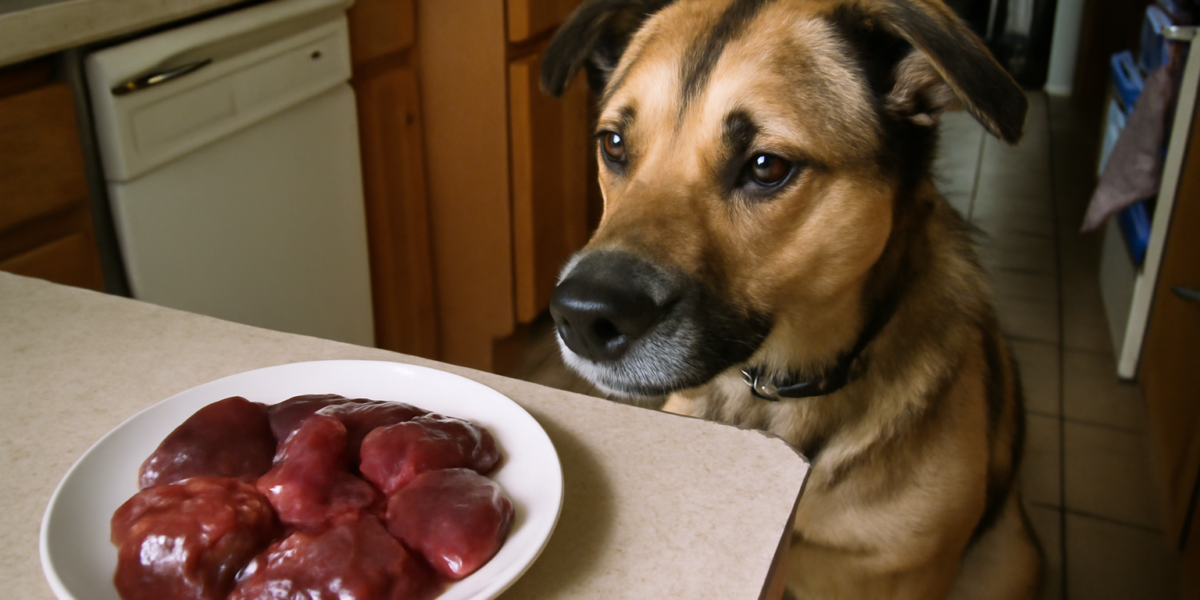
If you have ever watched a nature documentary showing wolves devouring their prey, you may have noticed that they go for the organs first. There is an instinctive reason for that: organ meats are some of the most nutrient-dense foods on the planet. So when pet owners ask, can dogs eat organ meat? the answer is a resounding yes. Organ meats, also called offal, are not only safe for dogs but are considered by many veterinary nutritionists to be among the most beneficial foods you can add to your dog’s diet.
From liver to kidney to heart, organ meats deliver a concentrated dose of vitamins, minerals, and essential fatty acids that muscle meat alone cannot provide. However, their extreme nutrient density also means they need to be fed carefully and in the right amounts. Too much of a good thing can cause real problems. This guide will walk you through the benefits, risks, preparation methods, and serving sizes for feeding organ meat to your dog.
Why Organ Meat Is a Superfood for Dogs
Organ meats have been a natural part of the canine diet for as long as dogs have existed. Wild canids consume the entire prey animal, including the internal organs, which provide nutrients that are not available in adequate amounts from muscle meat alone. Here is why organ meats deserve a place in your dog’s diet:
Unmatched Nutrient Density: Gram for gram, organ meats contain far more vitamins and minerals than any cut of muscle meat. Liver alone provides more vitamin A, B vitamins, iron, and copper than almost any other food. A small serving of organ meat can deliver a significant nutritional boost without adding many calories.
Bioavailable Nutrients: The vitamins and minerals in organ meats are in their most bioavailable form, meaning your dog’s body can absorb and use them more efficiently than nutrients from plant sources or synthetic supplements. The iron in liver, for example, is heme iron, which is absorbed at a much higher rate than the non-heme iron found in vegetables and grains.
Essential Fatty Acids: Organ meats, particularly brain and kidney, contain essential fatty acids including omega-3s that support brain function, skin health, and coat condition. These naturally occurring fats are more readily utilized by the body than supplemental oils.
CoQ10 and Taurine: Heart meat is an exceptional source of Coenzyme Q10 (CoQ10), a powerful antioxidant that supports cellular energy production and heart health. It also contains high levels of taurine, an amino acid that is critical for cardiac function. Taurine deficiency has been linked to dilated cardiomyopathy in dogs, making heart a particularly valuable organ meat.
High-Quality Protein: Organ meats are rich in complete, high-quality animal protein that contains all the essential amino acids dogs need. This protein supports muscle maintenance, immune function, and overall cellular repair.
Types of Organ Meat and Their Benefits
Not all organ meats are created equal. Each organ offers a unique nutritional profile, and rotating between different organs ensures your dog gets a broad spectrum of nutrients:
Liver: The king of organ meats. Liver is extraordinarily rich in vitamin A, B vitamins (especially B12), iron, copper, riboflavin, and folate. It is one of the best natural sources of preformed vitamin A, which supports vision, immune function, and reproductive health. However, because liver is so concentrated in vitamin A, it must be fed in limited quantities to avoid vitamin A toxicity. Liver from beef, chicken, lamb, or pork is all suitable.
Heart: Technically a muscle, heart is often classified as organ meat in the context of dog nutrition. It is packed with taurine, CoQ10, B vitamins, iron, and zinc. Heart meat is leaner than most organ meats and has a taste and texture that many dogs find irresistible. Beef heart, chicken heart, and lamb heart are all excellent options.
Kidney: Kidney is rich in B12, riboflavin, iron, and selenium. It also provides a good amount of omega-3 fatty acids. The taste of kidney is stronger than heart, and some dogs may need time to develop a taste for it. Beef and lamb kidneys are the most commonly available options.
Gizzard: Chicken and turkey gizzards are lean, protein-rich organ meats that are high in iron, zinc, and B12. Gizzards have a chewy texture that many dogs enjoy, and they are an affordable way to add organ meat to the diet.
Spleen: Spleen is one of the richest sources of iron among all organ meats. It also provides significant amounts of vitamin C and B vitamins. Spleen has a softer texture than heart or gizzard and is well-tolerated by most dogs.
Brain: While less commonly available, brain is extremely rich in omega-3 fatty acids, particularly DHA, which is crucial for brain development and cognitive function. Brain is very soft and rich, so it should be fed in small amounts.
For those interested in exploring a broader raw food diet for dogs, organ meats are typically considered an essential component, usually making up about 10 to 15 percent of the total diet.
How to Prepare Organ Meat for Dogs
There are several ways to prepare organ meat for your dog, and the best method depends on your comfort level and your dog’s preferences:
Lightly Cooked: The simplest and safest preparation method for most pet owners is to lightly cook the organ meat. You can boil, bake, or sear organ meats until they are cooked through. Avoid using oil, butter, salt, or seasonings. Boiling is particularly easy: place the organ meat in a pot of water, bring to a boil, and simmer for 10 to 15 minutes until cooked through. The cooking liquid can be saved and used as a nutritious broth to pour over your dog’s food.
Dehydrated: Dehydrated organ meats make excellent training treats. You can dehydrate liver, heart, or kidney in a food dehydrator or oven set to its lowest temperature (around 170 degrees Fahrenheit) for several hours until the pieces are dry and firm. Dehydrated organ treats are lightweight, easy to carry, and highly motivating for most dogs.
Raw: Some dog owners feed organ meats raw as part of a raw feeding protocol. If you choose to feed raw organ meat, source it from a reputable butcher or supplier, keep it frozen until use, and handle it with the same food safety precautions you would use for raw meat intended for human consumption. Raw feeding carries some inherent risks of bacterial contamination, including Salmonella and E. coli, so discuss this approach with your veterinarian.
Frozen: Cutting organ meat into small pieces and freezing them on a baking sheet before transferring to a freezer bag creates convenient, individually portioned treats. Frozen liver cubes can be given as a refreshing treat on hot days or as high-value training rewards.
Sourcing: Choose organ meats from high-quality, human-grade sources whenever possible. Organic or grass-fed organ meats are ideal because they are less likely to contain antibiotic residues or hormones. Most butchers will sell organ meats at very affordable prices since they are less popular for human consumption.
Serving Sizes and Feeding Guidelines
This is where feeding organ meat gets critical. The extreme nutrient density of organ meats means that moderation is not just recommended but essential. Overfeeding organ meat, particularly liver, can lead to vitamin A toxicity, digestive upset, and nutritional imbalances.
The general guideline used by many veterinary nutritionists and raw feeding experts is that organ meat should make up no more than 10 percent of your dog’s total diet by weight. Of that 10 percent, liver should make up no more than 5 percent due to its extremely high vitamin A content. The remaining 5 percent can come from other organs like kidney, heart, spleen, or gizzard.
In practical terms, here are approximate serving guidelines for organ meat as a treat or dietary supplement:
Small dogs (under 20 pounds): About half an ounce to one ounce of organ meat per day, divided among meals. This is roughly one to two small cubes.
Medium dogs (20 to 50 pounds): About one to two ounces of organ meat per day.
Large dogs (over 50 pounds): About two to three ounces of organ meat per day.
These amounts assume the organ meat is being added on top of a complete and balanced diet. If organ meat is part of a homemade or raw diet, the percentages and amounts should be calculated as part of the overall dietary plan, ideally with the guidance of a veterinary nutritionist.
When introducing organ meat for the first time, start with a very small piece, about the size of a pea for small dogs or a marble for larger dogs. Organ meats are very rich, and dogs who are not accustomed to them may experience loose stools or upset stomachs if given too much too soon. Gradually increase the amount over one to two weeks.
Risks and Important Precautions
While organ meats are incredibly beneficial, they come with some important risks that every dog owner should understand:
Vitamin A Toxicity: This is the most significant risk associated with feeding organ meat, specifically liver. Liver contains extremely high levels of preformed vitamin A (retinol), which accumulates in the body’s fat stores. Chronic overconsumption can lead to hypervitaminosis A, a serious condition that causes bone deformities, joint pain, lethargy, weight loss, and in severe cases, can be fatal. This is why liver should be limited to no more than 5 percent of the total diet.
Richness and Digestive Upset: Organ meats are extremely rich and can cause vomiting, diarrhea, and pancreatitis if fed in large quantities, especially to dogs not accustomed to them. This is particularly true for dogs with sensitive stomachs or a history of pancreatitis. Always introduce organ meats gradually.
Bacterial Contamination: Raw organ meats can harbor harmful bacteria including Salmonella, E. coli, and Listeria. Dogs are more resistant to these bacteria than humans, but they are not immune. Immunocompromised dogs, puppies, and senior dogs are at higher risk. Cooking organ meat eliminates this risk entirely.
Parasites: Raw organ meats, particularly liver and kidney, can contain parasites. Freezing meat at negative 4 degrees Fahrenheit for at least three weeks can kill most parasites, but cooking is the most reliable way to eliminate them.
Copper Accumulation: Liver is very high in copper. Dogs with copper storage disease, which is more common in certain breeds like Bedlington Terriers, Doberman Pinschers, and West Highland White Terriers, should avoid liver entirely unless directed otherwise by their veterinarian.
Purine Content: Organ meats are high in purines, which are metabolized into uric acid. Dogs with a history of urate bladder stones, particularly Dalmatians, should have their organ meat intake carefully managed.
When to Call the Vet
While organ meats are a normal part of canine nutrition, certain situations warrant veterinary attention:
Contact your vet if your dog develops persistent vomiting or diarrhea after eating organ meat. A single episode of loose stool is common when introducing a new rich food, but ongoing symptoms could indicate an intolerance or, in the case of raw organ meat, a bacterial infection.
Seek veterinary care if your dog shows signs of vitamin A toxicity, which can develop with chronic over-consumption of liver. Symptoms include stiffness, reluctance to move, weight loss, dry or flaky skin, and bony growths along the spine or joints. These symptoms develop gradually over weeks to months of excessive liver feeding.
If your dog ate a large quantity of raw organ meat and develops fever, bloody diarrhea, extreme lethargy, or dehydration, contact your vet promptly. These could be signs of a foodborne bacterial infection.
Dogs with pre-existing conditions such as copper storage disease, liver disease, kidney disease, or a history of urate stones should have their organ meat consumption approved and monitored by their veterinarian.
If you are considering making organ meats a regular part of your dog’s diet rather than an occasional treat, consulting with a veterinary nutritionist can help you design a balanced feeding plan tailored to your dog’s specific needs.
Frequently Asked Questions
Which organ meat is best for dogs?
There is no single best organ meat because each organ offers different nutritional benefits. Liver provides the highest concentration of vitamins and minerals, making it the most nutrient-dense option, but it also carries the most risk of overconsumption. Heart is often considered the most versatile and well-tolerated organ meat due to its lean profile and high taurine content. The ideal approach is to rotate between several different organ meats, including liver, heart, kidney, and gizzard, to give your dog the broadest nutritional benefit.
Can dogs eat organ meat every day?
Yes, dogs can eat small amounts of organ meat daily as long as the total amount stays within the recommended 10 percent of their diet. Many raw feeders and homemade diet practitioners include organ meat in their dog’s meals every day. The key is to keep the daily portions small and to vary the types of organs throughout the week. If you are feeding organ meat as an occasional treat rather than as part of a structured diet plan, a few times per week is a perfectly good frequency.
Is raw organ meat or cooked organ meat better for dogs?
This is a topic of ongoing debate in the dog nutrition community. Raw feeding advocates argue that raw organ meats retain more nutrients and enzymes that are destroyed by cooking. From a food safety standpoint, however, cooking eliminates the risk of bacterial contamination and parasites. Both approaches are valid. If you choose to feed raw, source your organ meats carefully and handle them with strict hygiene practices. If you prefer the peace of mind that comes with cooking, rest assured that cooked organ meats still retain the vast majority of their nutritional value.
Can puppies eat organ meat?
Puppies can eat organ meat once they are eating solid food regularly, typically around eight to ten weeks of age. Start with tiny amounts, even smaller than you would give an adult dog, and introduce one organ at a time. Liver is particularly beneficial for growing puppies due to its iron and B vitamin content, but keep portions very small to avoid vitamin A overload. As with adult dogs, organ meats should supplement a complete and balanced puppy food rather than replace it.
Organ meats are one of the most powerful nutritional tools available to dog owners. They provide a concentration of essential nutrients that is nearly impossible to replicate with supplements or plant-based foods. By choosing high-quality sources, preparing them properly, and respecting appropriate portion sizes, you can harness the incredible benefits of organ meats while keeping your dog safe and healthy. Your dog’s ancestors knew that organ meats were the best part of the meal, and modern nutrition science confirms their instinct was right.


