
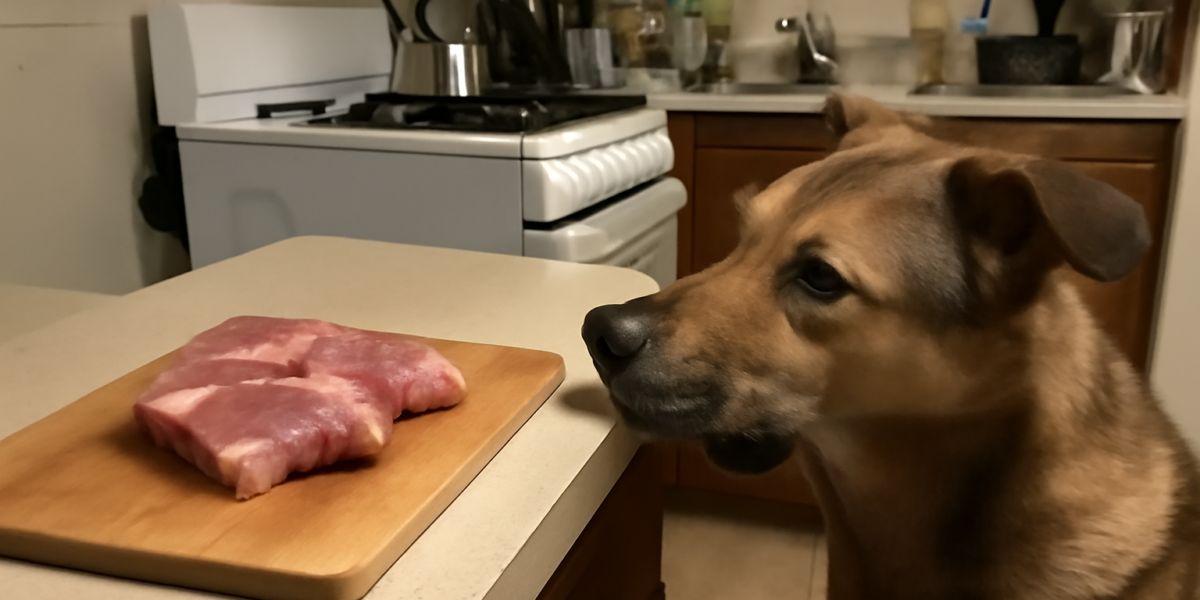
Can Dogs Eat Raw Meat? A Balanced Look at the Evidence
Few topics in canine nutrition spark as much debate as raw feeding. Can dogs eat raw meat? Technically yes — dogs can eat raw meat, and many dogs on raw diets appear to thrive. However, raw meat comes with genuine food safety risks that every dog owner should understand before making this dietary choice. Raw meat can harbor dangerous bacteria including Salmonella, E. coli, Listeria, and parasites like Toxoplasma and Trichinella that pose health risks to both your dog and your family.
In this article
The raw feeding movement has grown significantly in recent years, with many owners reporting improvements in coat quality, energy levels, dental health, and stool consistency after switching their dogs to raw diets. At the same time, major veterinary organizations including the AVMA, FDA, and AAHA have issued statements discouraging raw meat diets due to the bacterial contamination risks and the potential for nutritional imbalances in homemade raw diets.
This article provides an honest, evidence-based overview so you can weigh the pros and cons for your specific situation. Whether you ultimately choose raw feeding or not, understanding the risks and mitigation strategies is essential.
Understanding the BARF Diet
The most well-known raw feeding approach is the BARF diet — Biologically Appropriate Raw Food (or Bones And Raw Food, depending on who you ask). Developed by veterinarian Dr. Ian Billinghurst in the 1990s, the BARF diet aims to replicate the evolutionary diet of wild canids.
A typical BARF diet consists of:
- Muscle meat (often still on the bone): 60 to 80 percent of the diet
- Organ meats (liver, kidney, heart): 10 to 15 percent
- Raw meaty bones (chicken necks, turkey necks, beef ribs): 10 to 15 percent
- Vegetables and fruit (pureed or finely chopped): 5 to 10 percent
- Supplements (fish oil, kelp, vitamin E): as needed for balance
The prey model diet is a related approach that eliminates plant matter entirely, aiming to mimic the whole-prey diet of wolves more closely. This typically follows an 80/10/10 ratio: 80 percent muscle meat, 10 percent bone, and 10 percent organ meat (with half being liver).
Both approaches require significant research and planning to execute safely. A poorly balanced raw diet can lead to serious nutritional deficiencies or excesses, particularly in calcium, phosphorus, and certain vitamins. If you are considering raw feeding, consulting with a veterinary nutritionist — not just online forums — is strongly recommended to develop a balanced meal plan.
Bacterial Risks of Raw Meat for Dogs
The most significant concern with raw meat feeding is bacterial contamination. Studies consistently show that commercial raw pet food products and raw meats contain pathogenic bacteria at rates significantly higher than cooked or processed pet foods.
Salmonella
Multiple studies have found Salmonella in 20 to 50 percent of commercial raw pet food samples tested. While dogs are more resistant to Salmonella than humans, they can still become clinically ill, particularly puppies, senior dogs, and immunocompromised animals. Even asymptomatic dogs shed Salmonella in their feces for up to seven days after consuming contaminated meat, posing a risk to human household members.
E. coli
Pathogenic strains of E. coli, including the dangerous O157:H7 strain, have been detected in raw meat products intended for pets. E. coli can cause severe gastrointestinal illness in both dogs and humans, with young children, elderly individuals, and immunocompromised people being at highest risk from cross-contamination.
Listeria
Listeria monocytogenes is particularly concerning because it can survive and even multiply at refrigerator temperatures. Listeriosis can cause serious illness in pregnant women, newborns, and immunocompromised individuals who may come into contact with contaminated surfaces, food bowls, or dog saliva.
Parasites
Raw pork and wild game can contain Trichinella spiralis (the roundworm causing trichinosis). Raw salmon and other Pacific Northwest fish can carry Neorickettsia helminthoeca, which causes salmon poisoning disease — a potentially fatal condition in dogs. Raw meat from any source may harbor Toxoplasma gondii, Neospora caninum, and other parasites. Freezing meat at minus 4 degrees Fahrenheit for at least three days kills most parasites but does not eliminate bacteria.
Potential Benefits Reported by Raw Feeders
Proponents of raw feeding report a range of benefits, though it is important to note that most of this evidence is anecdotal rather than from controlled clinical studies. Understanding these reported benefits helps explain the appeal of raw feeding.
Improved coat and skin: Many raw-fed dogs develop shinier, softer coats and experience fewer skin issues. This may be attributable to the higher fat content and omega-3 fatty acid profile of raw meat compared to some commercial kibbles.
Better dental health: Chewing raw meaty bones provides natural dental cleaning. Raw feeders often report significantly less tartar buildup and fresher breath. This is one of the more well-supported benefits, as the mechanical action of chewing bones does help remove plaque.
Smaller, firmer stools: Dogs on raw diets typically produce less fecal matter with less odor. This is likely because raw meat is highly digestible, resulting in less waste compared to diets high in grain-based fillers.
Increased energy and muscle tone: Some owners report that their dogs appear more energetic and muscular on raw diets. This may relate to the higher protein content and overall quality of nutrition in a well-formulated raw diet.
It is worth noting that many of these benefits can also be achieved with high-quality commercial diets — particularly those that are high in animal protein and minimally processed. The improvements some raw feeders observe may reflect a switch from a low-quality kibble rather than an inherent superiority of raw feeding specifically.
Which Raw Meats Are Safest for Dogs
If you decide to explore raw feeding, understanding which meats carry the least risk can help inform safer choices. No raw meat is completely risk-free, but some carry lower bacterial loads or fewer parasite concerns than others.
Commercially prepared raw dog food: Products from reputable manufacturers that follow high-pressure processing (HPP) or other pathogen-reduction steps offer the lowest risk among raw options. These products are formulated to be nutritionally complete and undergo more quality control than DIY raw feeding.
Beef and lamb: These meats tend to carry lower Salmonella risk than poultry, though they are not risk-free. Whole cuts (steaks, roasts) carry less surface bacteria than ground meat, where bacteria from the surface gets mixed throughout.
Poultry (chicken, turkey, duck): Poultry consistently tests positive for pathogenic bacteria at higher rates than red meat. If feeding raw poultry, extra vigilance with hygiene is essential. Chicken hearts and other organs carry the same risks as muscle meat.
Pork: Raw pork carries a higher parasite risk (Trichinella, Toxoplasma) than most other meats. If you choose to feed pork raw, freezing at minus 4 degrees Fahrenheit for a minimum of three weeks can reduce parasite risk. Many raw feeders avoid pork entirely.
Fish: Raw salmon and trout from the Pacific Northwest should never be fed raw due to the risk of salmon poisoning disease. Other fish species can be offered raw if they have been frozen first to kill parasites. Fish is best sourced from reputable suppliers who maintain proper cold chains.
Safe Handling Practices for Raw Feeding
If you choose to feed your dog raw meat, rigorous food safety practices protect both your dog and your family. Treat raw dog food with the same care you would use for raw meat you plan to cook for yourself.
- Store raw meat at 40 degrees Fahrenheit or below, and use or freeze within two days of purchase
- Thaw frozen raw food in the refrigerator, never on the counter
- Use separate cutting boards, utensils, and prep surfaces for raw dog food
- Wash all surfaces, bowls, and utensils with hot soapy water after every feeding
- Wash your hands thoroughly with soap and water after handling raw meat
- Clean your dog’s food bowl after every raw meal — do not let it sit
- Pick up any uneaten raw food after 20 minutes
- Clean areas where your dog eats, as bacteria can contaminate floors and mats
- Avoid feeding raw meat outdoors in warm weather when bacteria multiply rapidly
Households with young children, elderly individuals, pregnant women, or immunocompromised people should exercise extreme caution with raw feeding or consider alternative feeding approaches. The risk of zoonotic transmission through contaminated surfaces, dog saliva, and feces is a legitimate public health concern.
For more information on feeding your dog safely, explore our dog care resources. If organ meats interest you as part of your dog’s diet — raw or cooked — check out our guides on chicken hearts for dogs and chicken livers for dogs. And if you are adopting a new dog, discussing dietary plans with your veterinarian early helps set a strong foundation for your pup’s health.
Frequently Asked Questions
Is raw meat better for dogs than kibble?
There is no definitive scientific consensus that raw diets are superior to high-quality commercial diets. Well-formulated raw diets and well-formulated kibble can both support canine health. The quality of ingredients and nutritional balance matter more than whether the food is raw or cooked. Poorly formulated raw diets can be worse than quality kibble, and vice versa.
Can raw meat make my dog aggressive?
No. This is a persistent myth with no scientific basis. Eating raw meat does not make dogs aggressive or give them a “taste for blood.” Aggression in dogs is influenced by genetics, socialization, training, and environment — not diet. Resource guarding around high-value foods like raw meat is a behavioral issue that can occur with any food the dog finds valuable.
Can puppies eat raw meat?
Puppies have developing immune systems that may be more vulnerable to foodborne pathogens. Most veterinary nutritionists recommend waiting until a puppy is at least 12 weeks old before introducing raw meat, and many suggest waiting until 6 months or older. If you choose to feed a puppy raw, work closely with a veterinary nutritionist to ensure the diet meets the demanding nutritional requirements for growth.
How do I transition my dog to a raw diet?
Transition gradually over 7 to 14 days. Start by replacing 25 percent of your dog’s current food with raw meat, then increase the proportion every two to three days while decreasing the old food. Some dogs experience temporary digestive adjustment (loose stools, gas) during the transition. If digestive upset is severe or prolonged, slow the transition or consult your veterinarian.
Can I mix raw meat with kibble?
This is a debated topic. Some raw feeding proponents claim that raw and kibble digest at different rates and should not be combined. However, there is no scientific evidence supporting this claim. Many dogs eat mixed meals of raw and kibble without any issues. The decision is largely one of personal preference and your dog’s individual digestive tolerance.


