
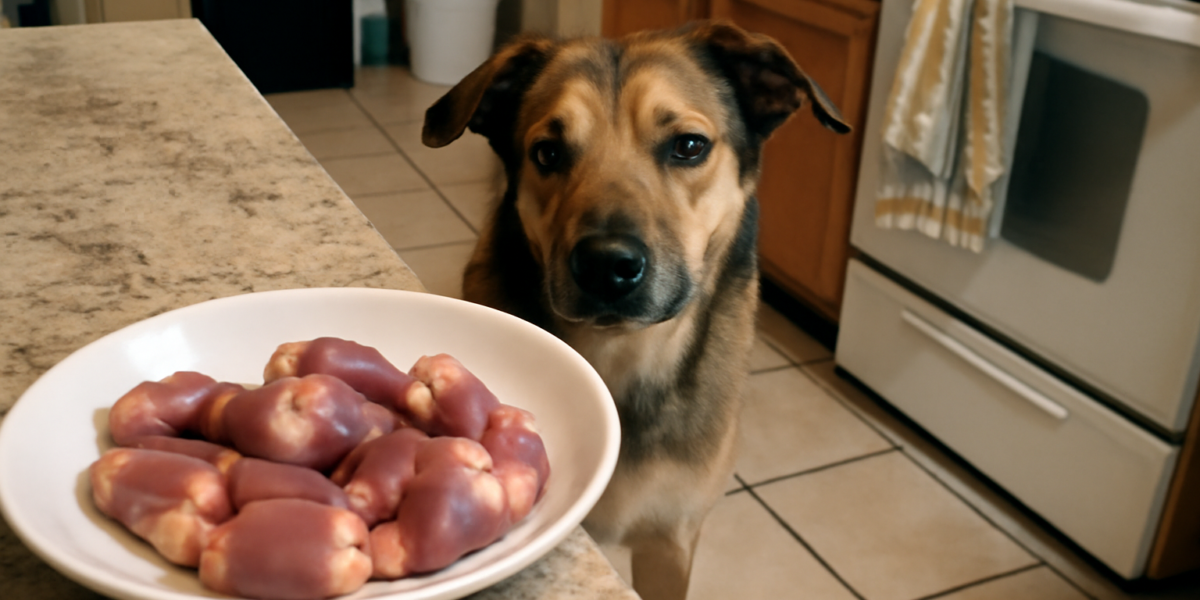
Can Dogs Eat Chicken Hearts? Great News for Your Pup
Yes, dogs can absolutely eat chicken hearts, and many veterinary nutritionists consider them one of the best organ meats you can offer your dog. Chicken hearts are nutrient-dense, affordable, widely available, and most dogs find them irresistible. Whether served cooked or raw (with appropriate precautions), chicken hearts are a healthy addition to your dog’s diet when fed in proper amounts.
In this article
Organ meats like chicken hearts have been part of canine diets for thousands of years. Wild canids naturally consume the organs of their prey, and these nutrient-rich tissues provide vitamins and minerals in highly bioavailable forms. Modern commercial dog foods often lack adequate organ meat content, making supplementation with chicken hearts a valuable way to round out your dog’s nutrition.
The key to feeding chicken hearts safely lies in understanding proper portions, preparation methods, and how they fit into your dog’s overall diet. Too much of any organ meat can cause digestive upset or nutritional imbalances, but the right amount delivers impressive health benefits.
Nutritional Benefits of Chicken Hearts for Dogs
Chicken hearts pack a remarkable nutritional punch into a small package. They are one of the most nutrient-dense proteins you can offer your dog, and understanding what they bring to the table explains why so many dog nutritionists recommend them.
Taurine
Chicken hearts are one of the richest natural sources of taurine, an amino acid that plays a critical role in heart health, vision, and reproductive function in dogs. Taurine deficiency has been linked to dilated cardiomyopathy (DCM) in certain breeds. While dogs can synthesize some taurine from other amino acids, supplementing with taurine-rich foods like chicken hearts provides additional support — especially for breeds predisposed to DCM such as Doberman Pinschers, Boxers, and Golden Retrievers.
Coenzyme Q10 (CoQ10)
Heart tissue contains high concentrations of CoQ10, a powerful antioxidant that supports cellular energy production and cardiovascular health. CoQ10 has anti-inflammatory properties and may support heart function in aging dogs. Getting it from a whole food source like chicken hearts provides better bioavailability than many supplements.
B Vitamins
Chicken hearts are rich in B vitamins, particularly B12, riboflavin (B2), and niacin (B3). These vitamins support energy metabolism, nervous system function, and healthy skin and coat. B12 is especially important for red blood cell production and neurological health.
Iron and Zinc
The iron in chicken hearts is in the highly bioavailable heme form, which dogs absorb much more efficiently than the non-heme iron found in plant foods. Adequate iron supports oxygen transport throughout the body and prevents anemia. Zinc supports immune function, wound healing, and skin health.
High-Quality Protein
Chicken hearts are approximately 70 percent protein on a dry-matter basis, providing all the essential amino acids dogs need. The protein in organ meats is highly digestible, meaning your dog’s body can use it efficiently with minimal waste.
How to Prepare Chicken Hearts for Dogs
There are several safe ways to prepare chicken hearts for your dog. The best method depends on your comfort level, your dog’s health status, and your feeding philosophy.
Cooked Chicken Hearts
Cooking is the safest preparation method and is recommended for most dog owners. You can boil, bake, or lightly sear chicken hearts without any added oil, butter, salt, or seasoning.
Boiling: Place chicken hearts in a pot of plain water, bring to a boil, then reduce heat and simmer for 10 to 15 minutes until cooked through. This is the simplest method and produces tender hearts that are easy to chop into pieces. Save the cooking broth — it makes an excellent, nutrient-rich topper for your dog’s regular food.
Baking: Spread chicken hearts in a single layer on a baking sheet and bake at 350 degrees Fahrenheit for 20 to 25 minutes. This method is convenient for preparing larger batches. For a chewier treat texture, bake at a lower temperature (200 degrees) for longer (one to two hours) to dehydrate them.
Searing: Quickly sear chicken hearts in a dry pan (no oil needed) over medium-high heat for two to three minutes per side. This adds a bit of caramelized flavor that dogs love while cooking them through.
Raw Chicken Hearts
Some dog owners who follow raw feeding philosophies (BARF or prey model) offer chicken hearts raw. Raw hearts retain the maximum nutritional value, as cooking can reduce some heat-sensitive nutrients. However, raw chicken carries the risk of bacterial contamination including Salmonella and Campylobacter.
If you choose to feed raw chicken hearts, source them from reputable suppliers, keep them properly refrigerated, and handle them with the same food safety precautions you would use for raw chicken intended for human consumption. Dogs with compromised immune systems, puppies, senior dogs, and dogs living with immunocompromised humans should receive cooked hearts only.
Freeze-Dried Chicken Hearts
Freeze-dried chicken hearts are available from many pet treat companies and offer convenience without cooking. The freeze-drying process preserves most nutrients while eliminating bacterial concerns. These make excellent training treats due to their small size and intense flavor. They are more expensive than fresh chicken hearts but have a long shelf life.
Portion Guidelines by Dog Size
Organ meats, including chicken hearts, should make up approximately 5 to 10 percent of your dog’s total diet. More than this can lead to nutrient imbalances, particularly excessive vitamin A intake if combined with other organ meats like liver. Can dogs eat chicken hearts every day? They can, but the daily amount should be modest.
Here are general portion guidelines based on dog size:
Small dogs (under 20 pounds): One to two chicken hearts per day, or roughly half an ounce to one ounce. For toy breeds under 10 pounds, stick to one heart per day or every other day. A single chicken heart weighs approximately half an ounce, making portioning straightforward.
Medium dogs (20 to 50 pounds): Two to four chicken hearts per day, or approximately one to two ounces. You can offer these as a daily food topper mixed into regular meals or use them as high-value training treats throughout the day.
Large dogs (50 to 90 pounds): Four to six chicken hearts per day, or roughly two to three ounces. Large dogs benefit from the taurine and CoQ10 content, particularly breeds prone to heart conditions.
Giant breeds (over 90 pounds): Six to eight chicken hearts per day, or approximately three to four ounces. Adjust based on your dog’s overall caloric needs and the proportion of other organ meats in their diet.
These are general guidelines for healthy adult dogs. Puppies, senior dogs, and dogs with health conditions may need adjusted portions. Consult your veterinarian for personalized recommendations, especially if your dog has kidney disease, is on a prescription diet, or has other dietary restrictions.
Combining Chicken Hearts With Other Organ Meats
If you feed your dog multiple types of organ meats — such as chicken hearts alongside chicken livers — keep the total organ meat intake within the 5 to 10 percent guideline. You do not need to feed hearts and liver at every meal; rotating between different organ meats throughout the week provides a broader spectrum of nutrients.
A balanced approach might look like this: chicken hearts three to four days per week, liver one to two days per week, and other organs (gizzards, kidneys) one to two days per week. This rotation ensures your dog receives the unique benefits of each organ without overloading on any single nutrient.
Be particularly careful not to over-feed liver in combination with hearts. Liver is extremely high in vitamin A, and excessive vitamin A can cause toxicity over time, leading to bone deformities, joint pain, and other serious health problems. Hearts do not carry this risk, as they contain minimal vitamin A, making them safer for more frequent feeding.
For dog owners exploring nutritious additions to their pet’s bowl, chicken hearts are a fantastic starting point. They pair well with your dog’s regular commercial food or can be part of a balanced homemade diet designed with veterinary guidance. If you are interested in other healthy food options for your pup, check out whether dogs can eat pumpkin seeds or explore our dog care blog for more tips.
Whether you have been a dog owner for years or recently welcomed a rescue pup through our adoption hub, feeding nutrient-dense whole foods like chicken hearts is one of the simplest ways to support your dog’s long-term health.
Frequently Asked Questions
Can puppies eat chicken hearts?
Yes, puppies can eat cooked chicken hearts starting around 8 to 10 weeks of age. Start with very small pieces — about a quarter of a heart — and observe for any digestive issues. Puppies benefit from the taurine and protein in chicken hearts, but their primary nutrition should come from a complete puppy food formulated for their growth stage.
Can I feed my dog chicken hearts every day?
Yes, as long as the daily amount stays within the 5 to 10 percent guideline for organ meats relative to total diet. Daily feeding of small amounts is actually preferable to occasional large servings, as it provides a consistent supply of taurine and other beneficial nutrients without overwhelming the digestive system.
Do chicken hearts help with heart disease in dogs?
Chicken hearts provide taurine and CoQ10, both of which support cardiovascular health. While they are not a treatment for existing heart disease, they may provide nutritional support as part of a comprehensive care plan. If your dog has been diagnosed with a heart condition, discuss dietary supplementation with your veterinarian before making changes.
Can chicken hearts cause diarrhea in dogs?
Introducing any new food too quickly or in too large a quantity can cause temporary digestive upset, including diarrhea. Start with a small portion and increase gradually over a week or two. If your dog consistently develops diarrhea from chicken hearts even in small amounts, they may have a sensitivity to chicken protein. Consult your vet if issues persist.
Where can I buy chicken hearts for my dog?
Chicken hearts are available at most grocery stores in the poultry section, often sold in tubs near the gizzards and livers. Butcher shops, Asian grocery stores, and Latin American markets frequently stock them as well. You can also find them frozen in bulk from online pet food suppliers. They are one of the most affordable organ meats available, typically costing two to four dollars per pound.


