
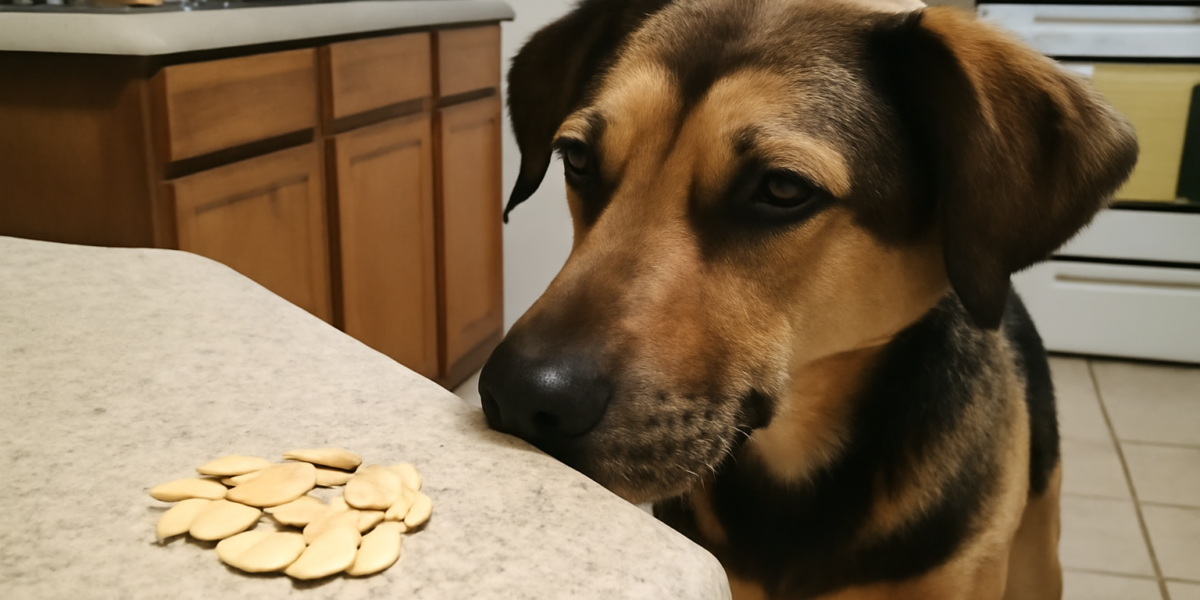
Can Dogs Eat Pumpkin Seeds? A Nutritious Treat With an Interesting History
Yes, dogs can eat pumpkin seeds, and they offer some genuinely impressive nutritional benefits. Pumpkin seeds are not toxic to dogs and are actually one of the more nutrient-dense seed options you can share with your pup. They provide protein, healthy fats, zinc, iron, magnesium, and an amino acid called cucurbitacin that has sparked a long-running conversation about natural deworming in dogs.
In this article
You may have heard claims that pumpkin seeds can eliminate intestinal parasites in dogs. While there is some scientific basis for this — cucurbitacin has demonstrated antiparasitic properties in laboratory settings — the reality is more nuanced than social media posts suggest. We will examine the evidence honestly so you can make informed decisions about whether pumpkin seeds belong in your dog’s treat rotation.
When prepared properly and fed in appropriate amounts, pumpkin seeds are a safe, wholesome treat that most dogs enjoy. The preparation method matters significantly, though — salted, seasoned, or candy-coated pumpkin seeds meant for human snacking are not appropriate for dogs.
Nutritional Profile of Pumpkin Seeds for Dogs
Pumpkin seeds (also called pepitas) pack a surprising amount of nutrition into their small size. Here is what they offer your dog:
Protein: Pumpkin seeds contain about 30 grams of protein per 100 grams, making them one of the most protein-rich seeds available. While this is plant protein and lacks some amino acids found in animal protein, it still contributes to your dog’s overall protein intake.
Healthy fats: About 50 percent of a pumpkin seed’s weight comes from fat, predominantly monounsaturated and polyunsaturated fatty acids including omega-6 and some omega-3. These fats support skin and coat health, reduce inflammation, and provide concentrated energy.
Zinc: Pumpkin seeds are an excellent source of zinc, providing about 7.5 milligrams per ounce. Zinc supports immune function, skin health, wound healing, and thyroid function. Many dogs do not get optimal zinc from their regular diet alone.
Magnesium: With about 150 milligrams per ounce, pumpkin seeds are among the best food sources of magnesium. This mineral supports muscle and nerve function, bone health, and energy metabolism.
Iron: Pumpkin seeds provide a meaningful amount of iron, which supports red blood cell production and oxygen transport throughout the body.
Cucurbitacin: This amino acid compound, found in the thin green coating of pumpkin seeds, is the substance behind the deworming claims. We will examine this in detail in the next section.
The Deworming Debate: What the Science Actually Says
The claim that pumpkin seeds can deworm dogs is one of the most persistent pieces of natural pet health advice circulating online. Let’s look at what the research actually supports.
Cucurbitacin, found in the seed coat of pumpkin seeds, has demonstrated antiparasitic activity in laboratory studies. Research has shown that cucurbitacin can paralyze certain intestinal parasites by affecting their muscular function, making it harder for worms to maintain their grip on the intestinal wall. Some studies in livestock have shown modest reductions in parasite loads when animals are fed ground pumpkin seeds.
However, there are important limitations to these findings:
- Most studies used concentrated extracts, not whole pumpkin seeds. The amount of cucurbitacin in a few pumpkin seeds is far less than what was used in research settings.
- Effectiveness varies significantly by parasite species. Cucurbitacin may affect certain tapeworms and roundworms but has limited effect on other common canine parasites like hookworms and whipworms.
- No controlled clinical trials in dogs have demonstrated that pumpkin seeds alone can reliably eliminate an established parasite infection.
- The dose of pumpkin seeds required to deliver a therapeutically relevant amount of cucurbitacin would be impractically large for most dogs and could cause digestive upset.
The bottom line: pumpkin seeds may have mild antiparasitic properties, and including them in your dog’s diet certainly will not hurt. However, they should not be relied upon as a substitute for veterinary-prescribed deworming medications. If your dog has a confirmed parasite infection, use the treatment your veterinarian recommends. Think of pumpkin seeds as a potentially supportive dietary addition, not a standalone treatment.
If you suspect your dog has worms — signs include scooting, visible worms in stool, weight loss, bloating, or dull coat — schedule a veterinary visit for proper diagnosis and treatment. A fecal exam is the only reliable way to identify which parasites are present and determine appropriate treatment.
How to Prepare Pumpkin Seeds for Dogs
The preparation method makes a significant difference in both safety and nutritional value when feeding can dogs eat pumpkin seeds.
Raw Pumpkin Seeds
Raw, shelled pumpkin seeds (pepitas) are safe for dogs. They retain the maximum nutritional value, including the cucurbitacin content. You can offer these as-is or grind them into a powder to sprinkle over your dog’s food. Grinding improves digestibility, as whole seeds may pass through some dogs without being fully broken down.
Roasted Pumpkin Seeds (Plain Only)
Plain roasted pumpkin seeds without salt, oil, or seasoning are safe for dogs. Roasting at 300 degrees Fahrenheit for 20 to 25 minutes produces a crunchy treat most dogs enjoy. Some cucurbitacin is lost during roasting, but the seeds remain nutritious. Do not use store-bought roasted pumpkin seeds intended for human snacking — these almost always contain salt and often include garlic powder, onion powder, or other seasonings toxic to dogs.
Ground Pumpkin Seeds
Grinding raw pumpkin seeds into a fine powder is perhaps the most practical way to add them to your dog’s diet. A coffee grinder or food processor works well. Ground pumpkin seeds can be sprinkled directly onto your dog’s regular food, ensuring maximum digestibility and easy portion control. Store ground seeds in an airtight container in the refrigerator and use within two weeks, as the high fat content can cause them to go rancid.
Fresh From the Pumpkin
If you are carving a pumpkin, the fresh seeds inside are perfectly safe for your dog after cleaning and preparation. Separate the seeds from the stringy pulp, rinse thoroughly, and either dry them for roasting or offer them raw. The fresh seeds tend to be more moist and may have a slightly different texture than commercially available pepitas.
Portion Recommendations by Dog Size
Pumpkin seeds are calorie-dense due to their high fat content — about 150 calories per ounce. Portions need to be small enough to provide nutritional benefits without contributing excessive calories or causing digestive upset from too much fat.
Small dogs (under 20 pounds): Two to five pumpkin seeds per day, or about a quarter teaspoon of ground seeds. For dogs under 10 pounds, start with just two to three seeds. This provides zinc and other nutrients without overloading a small digestive system.
Medium dogs (20 to 50 pounds): Five to ten seeds per day, or about half a teaspoon of ground seeds. You can split this between meals or offer it all at once as a food topper.
Large dogs (50 to 90 pounds): Ten to fifteen seeds per day, or about one teaspoon of ground seeds. Large dogs can handle the fat content more easily but should still stay within reasonable limits.
Giant breeds (over 90 pounds): Fifteen to twenty seeds per day, or up to one and a half teaspoons of ground seeds. Even at this size, pumpkin seeds should be a small dietary supplement, not a primary treat.
As with any new food, introduce pumpkin seeds gradually. Start with half the recommended amount and observe your dog for any digestive upset over 24 to 48 hours. The high fat content may cause loose stools in some dogs, particularly those not accustomed to fatty foods.
Signs of Overconsumption
While pumpkin seeds are safe, eating too many can cause problems — primarily due to the high fat content and the density of certain minerals.
Watch for these symptoms if your dog eats more pumpkin seeds than recommended:
- Loose stools or diarrhea (the most common issue, caused by the high fat content)
- Vomiting or nausea
- Excessive gas or bloating
- Decreased appetite
- In rare cases of very large consumption, pancreatitis symptoms (severe abdominal pain, vomiting, lethargy)
If your dog gets into a bag of pumpkin seeds and eats a large amount, monitor closely for 24 to 48 hours. A single incident of overeating will likely result in digestive upset that resolves on its own. However, if your dog shows signs of pancreatitis — particularly persistent vomiting, severe abdominal pain, or lethargy — contact your veterinarian immediately.
Dogs with a history of pancreatitis should avoid pumpkin seeds or consume them only in very small, infrequent amounts due to the fat content. Dogs on low-fat prescription diets should also skip pumpkin seeds unless approved by their vet.
For other healthy treat options for your dog, explore our articles on sweet potato skin for dogs and chicken hearts as a dog treat. Our dog care blog has more nutrition and health resources, and if you are planning to adopt a dog, building a knowledge base about safe foods is a great place to start.
Frequently Asked Questions
Can pumpkin seeds replace veterinary deworming medication?
No. While pumpkin seeds contain cucurbitacin, which has some antiparasitic properties in laboratory settings, they are not a reliable replacement for veterinary deworming medications. If your dog has a confirmed parasite infection, use the treatment prescribed by your veterinarian. Pumpkin seeds can be a complementary dietary addition but should never be the sole approach to parasite management.
Can dogs eat pumpkin seed shells?
Dogs can eat the whole pumpkin seed including the shell, but the shells are harder to digest and may cause gastrointestinal irritation in some dogs. Shelled pumpkin seeds (pepitas) are easier on the digestive system and are recommended, especially for small dogs. If you offer seeds with shells, make sure they are thoroughly chewed and monitor for any digestive issues.
Are store-bought pumpkin seeds safe for dogs?
Only if they are plain, unsalted, and free of seasonings. Most commercially packaged pumpkin seeds intended for human snacking contain salt, oil, and often garlic or onion powder — all of which are problematic for dogs. Read the ingredient label carefully and only offer seeds that list pumpkin seeds as the sole ingredient. Better yet, buy raw pepitas from the bulk section.
Can puppies eat pumpkin seeds?
Puppies over 12 weeks can have a very small amount of ground pumpkin seeds — about one to two seeds’ worth, finely ground and mixed into food. Start very small and monitor for any digestive upset. Puppies’ developing digestive systems are more sensitive, and their primary nutrition should come from complete puppy food. Always consult your vet before supplementing a puppy’s diet.
How should I store pumpkin seeds for my dog?
Store raw pumpkin seeds in an airtight container in a cool, dry place for up to three months, or in the refrigerator for up to six months. Ground pumpkin seeds go rancid more quickly and should be refrigerated in an airtight container and used within two weeks. Rancid pumpkin seeds have a bitter smell and taste and should be discarded, as rancid fats can cause digestive upset and may have negative health effects over time.


