
Last updated: April 6, 2026
In this article
Can Dogs Eat Trout? Safety Guide and Tips
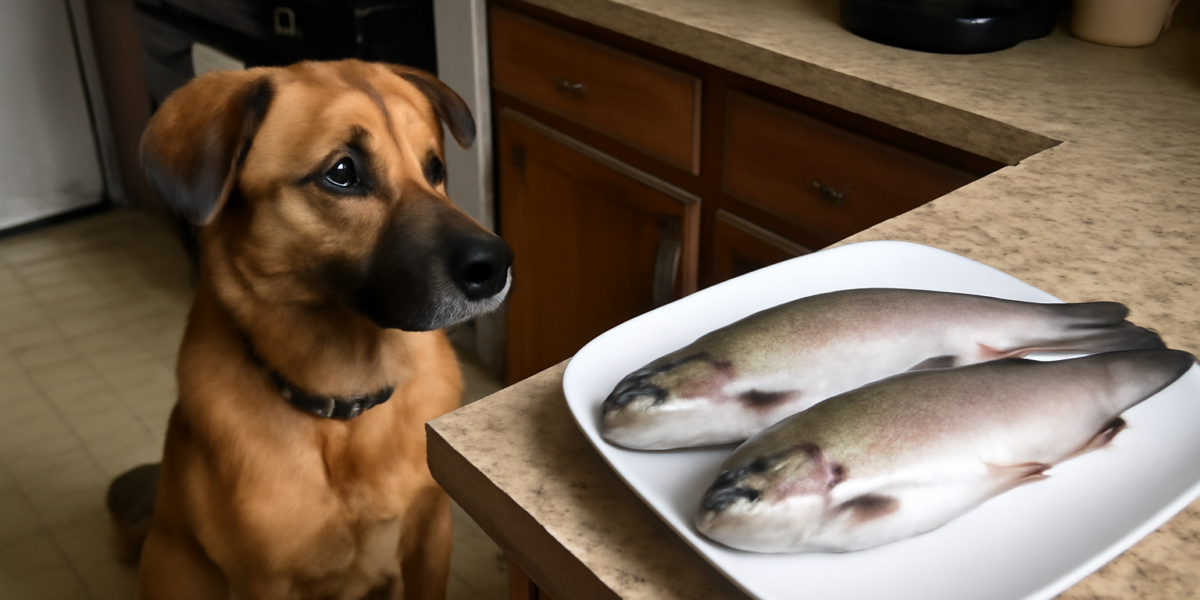
Trout is a popular freshwater fish enjoyed by anglers and home cooks alike, valued for its delicate flavor and impressive nutritional profile. Whether you prefer rainbow trout, brook trout, or lake trout, these fish are widely available and make for a delicious meal. If your dog has been eyeing your catch of the day, you will be happy to know that properly prepared trout can be a wonderful addition to their diet.
Cooked trout is not only safe for dogs but is considered one of the better fish options for canine nutrition. Rich in omega-3 fatty acids, lean protein, and essential vitamins, trout supports skin health, coat quality, joint function, and overall well-being in dogs. However, there is one critical safety rule that sets trout apart from many other foods — it must always be cooked thoroughly, never served raw.
Quick Answer: Can Dogs Eat Trout?
Yes, dogs can safely eat cooked, boneless, unseasoned trout. This nutritious fish provides high-quality protein, omega-3 fatty acids (EPA and DHA), vitamin D, B vitamins, and essential minerals that support your dog’s health in multiple ways. Many premium commercial dog foods include trout as a protein ingredient.
The most critical rule with trout is that it must be thoroughly cooked. Raw trout — particularly Pacific species from the western United States and Canada — can carry a parasite called Nanophyetus salmincola, which harbors the bacterium Neorickettsia helminthoeca. This organism causes salmon poisoning disease (SPD), a condition that affects dogs specifically and can be fatal if untreated. Cooking kills both the parasite and the bacterium, making the fish completely safe.
Beyond cooking, all bones must be carefully removed before serving trout to your dog. Trout have many small, thin bones that can splinter and cause choking or internal injury. Serve the fish plain without butter, oil, lemon, garlic, salt, or any other seasonings.
Nutritional Profile of Trout
A 100-gram serving of cooked rainbow trout contains:
- Calories: 150-170 calories
- Protein: 20-23 grams
- Fat: 7-8 grams (predominantly healthy unsaturated fats)
- Omega-3 Fatty Acids (EPA + DHA): 800-1,000 milligrams
- Vitamin D: 600-700 IU
- Vitamin B12: 4-5 micrograms
- Niacin (B3): 5-6 milligrams
- Selenium: 12-15 micrograms
- Phosphorus: 250-270 milligrams
- Potassium: 400-450 milligrams
Trout is particularly noteworthy for its excellent omega-3 fatty acid content, which is among the highest of commonly available freshwater fish. The combination of high protein, abundant omega-3s, and exceptional vitamin D content makes trout one of the most nutritionally complete fish options for dogs.
Benefits and Risks of Trout for Dogs
Benefits
- Exceptional Omega-3 Content: Trout provides abundant EPA and DHA omega-3 fatty acids that support cardiovascular health, reduce inflammation, promote brain function, and contribute to healthy skin and a shiny coat.
- High-Quality Protein: With 20-23 grams of protein per 100 grams, trout provides easily digestible, complete protein that supports muscle maintenance and overall body function in dogs.
- Outstanding Vitamin D: Trout is one of the best natural food sources of vitamin D, which is essential for calcium absorption, bone health, and immune system regulation.
- Vitamin B12: The high B12 content supports nervous system health, red blood cell production, and cognitive function.
- Novel Protein for Allergies: Dogs allergic to common proteins like chicken, beef, or lamb may benefit from trout as an alternative protein source that is less likely to trigger reactions.
- Lower Mercury: Trout, especially farm-raised rainbow trout, tends to be lower in mercury than larger ocean fish, making it a safer choice for regular feeding.
Risks
- Salmon Poisoning Disease (Raw): Raw trout from the Pacific Northwest can carry the Nanophyetus salmincola fluke, which harbors Neorickettsia helminthoeca. This causes salmon poisoning disease in dogs, which has a mortality rate of up to 90% if untreated. Cooking completely eliminates this risk.
- Bones: Trout contain numerous small, thin bones that can splinter, causing choking, oral injuries, or intestinal punctures. Meticulous deboning is essential.
- Parasites (Raw): Beyond salmon poisoning disease, raw trout may carry other parasites common in freshwater fish. Thorough cooking eliminates all parasitic risk.
- Seasoning Hazards: Trout prepared with garlic, onion, butter, lemon, dill, or heavy seasonings should not be shared with dogs.
- Smoked Trout: Smoked trout contains extremely high levels of sodium and should not be given to dogs. The smoking process does not reliably kill all parasites either.
How to Serve Trout Safely to Your Dog
Preparing trout for your dog requires careful attention to deboning and cooking. Start with fresh or properly thawed trout fillets. Run your fingers along the flesh to locate pin bones and remove them with tweezers or needle-nose pliers. Check thoroughly — trout have many small bones that are easy to miss.
Cook the trout using a plain method: bake at 375-400 degrees Fahrenheit for 15-20 minutes, steam for 10-15 minutes, or poach in plain water until the flesh is opaque and flakes easily. The internal temperature should reach at least 145 degrees Fahrenheit. Do not add any oils, butter, salt, garlic, lemon, or seasonings.
After cooking, let the fish cool completely. Flake it apart with a fork, checking one final time for any remaining bones. Serve in small, manageable pieces.
Recommended portion sizes:
- Small dogs (under 20 lbs): 1-2 tablespoons of flaked trout, once or twice per week
- Medium dogs (20-50 lbs): 2-4 tablespoons of flaked trout, once or twice per week
- Large dogs (over 50 lbs): Up to 2-3 ounces of flaked trout, once or twice per week
If your dog has never had fish before, start with a small amount and wait 24 hours to check for any adverse reactions before offering more.
Signs of Problems After Eating Trout
Watch for these symptoms after your dog eats trout:
- Choking, gagging, or pawing at the mouth (possible bone)
- Difficulty swallowing
- Vomiting
- Diarrhea
- Loss of appetite
- Abdominal pain
- Hives or itching (rare fish allergy)
If your dog ate raw trout, the symptoms of salmon poisoning disease typically appear 5-7 days after ingestion and include fever, vomiting, diarrhea (often bloody), swollen lymph nodes, nasal and eye discharge, loss of appetite, lethargy, and weight loss. This is a veterinary emergency — without treatment, salmon poisoning disease is often fatal. If you know or suspect your dog ate raw trout, contact your veterinarian immediately, even before symptoms appear.
For dogs that ate cooked trout and show signs of a bone stuck in the throat or digestive tract (persistent gagging, refusal to eat, abdominal pain, bloody stool), seek veterinary care right away.
Healthy Alternatives to Trout
If trout is not available or you want to rotate protein sources, these alternatives also provide excellent nutrition for dogs:
- Salmon (Cooked): Similar omega-3 profile to trout and widely available. Must also be cooked thoroughly to prevent salmon poisoning disease.
- Sardines: Small, affordable, and packed with omega-3s, calcium, and protein. The bones in canned sardines are soft and safe for dogs. Choose those packed in water with no added salt.
- Whitefish: Mild, lean, and easily digestible, whitefish like cod or pollock is gentle on sensitive stomachs and provides quality protein.
- Mackerel: Rich in omega-3 fatty acids, mackerel offers excellent nutritional value. Choose smaller species like Atlantic mackerel for lower mercury content.
- Eggs (Cooked): If fish is not an option, cooked eggs provide complete protein with all essential amino acids, plus healthy fats and vitamins.
Ready to give a dog a loving home with nutritious, carefully prepared meals? Visit the Walk Me Home Rescue adoption page to find your next companion.
Frequently Asked Questions
What is salmon poisoning disease and can trout cause it?
Salmon poisoning disease (SPD) is a potentially fatal condition unique to dogs caused by the bacterium Neorickettsia helminthoeca, which is carried by a parasitic fluke found in certain raw freshwater fish. Despite its name, SPD can be caused by raw trout, salmon, and other Pacific freshwater fish — not just salmon. The disease is most common in the Pacific Northwest. Cooking fish thoroughly kills both the parasite and the bacterium, completely preventing SPD.
Can dogs eat smoked trout?
Smoked trout is not recommended for dogs due to its very high sodium content. The brining and smoking process saturates the fish with salt, making it potentially dangerous for dogs, especially in larger quantities. Additionally, cold-smoked trout may not reach temperatures high enough to kill all parasites. Stick to plain cooked trout for your dog.
Is farm-raised or wild-caught trout better for dogs?
Both can be good options. Farm-raised rainbow trout is widely available, consistent in quality, and tends to be lower in environmental contaminants. Wild-caught trout may have a slightly different nutritional profile depending on their natural diet. The most important factor is proper cooking regardless of the source. Farm-raised trout from reputable sources is a reliable, safe choice.
Can puppies eat trout?
Yes, puppies over 12 weeks old can eat small amounts of plain, cooked, thoroughly deboned trout. The omega-3 fatty acids and protein can support their growth and brain development. Be especially careful about removing every bone, as puppies are more vulnerable to choking and internal injury. Serve very small, well-flaked pieces and always ensure the trout is completely cooked.
How often can I give my dog trout?
Cooked trout can be offered once or twice per week as a treat or meal supplement. It should complement your dog’s regular balanced diet rather than replace it. If you feed fish frequently, consider rotating between different species to provide nutritional variety and minimize any concerns about contaminant accumulation from a single source.
Can dogs eat trout skin?
Cooked, unseasoned trout skin is safe for dogs and actually contains concentrated omega-3 fatty acids. Make sure it is fully cooked, not seasoned, and served in appropriately sized pieces. Avoid skin that was cooked with butter, oil, or spices. Some dogs enjoy the texture of crispy cooked fish skin.
Trout is one of the most nutritious fish you can share with your dog, offering exceptional health benefits when prepared safely. For more guides on which foods are safe for your canine companion, explore our Can Dogs Eat series. And if you are ready to welcome a new furry friend into your family, visit the Walk Me Home Rescue adoption page to meet dogs looking for loving homes.


