
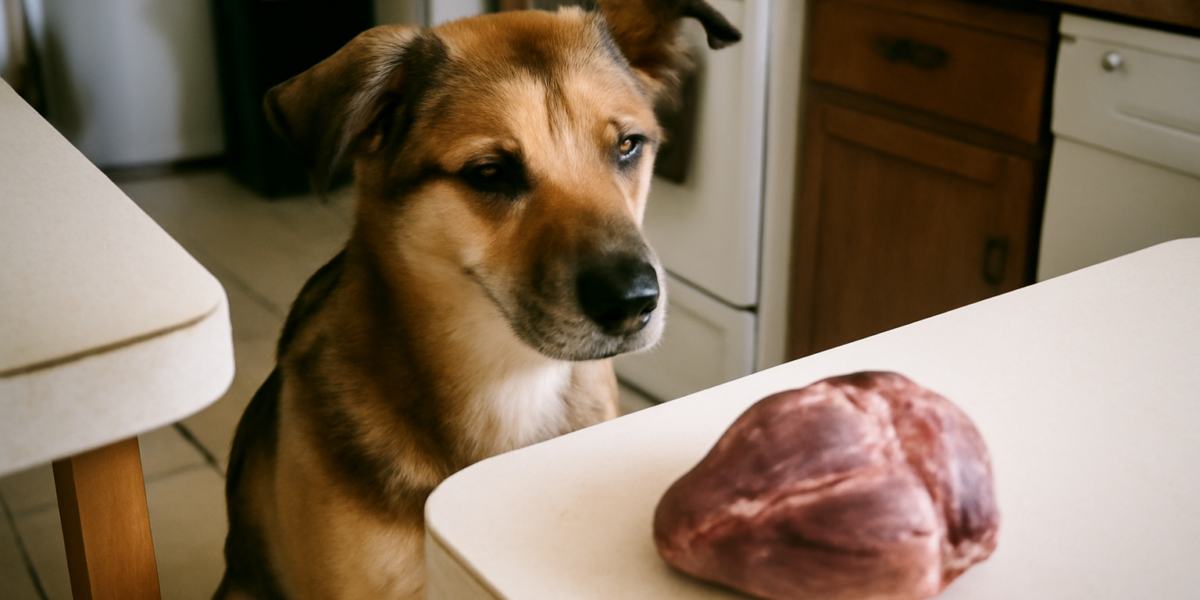
Can Dogs Eat Lamb Heart Safely?
Yes, dogs can eat lamb heart, and it is an excellent source of protein, taurine, and essential nutrients that support canine health. Lamb heart is classified as a muscle organ, which means it offers the dense nutrition of organ meats with a texture and taste closer to regular muscle meat. Most dogs find it highly palatable and digest it well.
In this article
As with any supplemental food, lamb heart should be fed in moderation as part of a balanced diet. It is not a complete meal on its own but makes a fantastic addition to your dog’s regular food or a high-value training treat. Your veterinarian can help you determine the right amount based on your dog’s size, age, and overall health.
Nutritional Benefits of Lamb Heart for Dogs
Lamb heart is a nutritional standout among organ meats. It delivers a concentrated dose of several nutrients that are vital for your dog’s well-being.
Taurine is perhaps the most significant benefit. While dogs can synthesize some taurine on their own, certain breeds, particularly large breeds like Golden Retrievers and Great Danes, may benefit from additional dietary taurine to support heart health. Lamb heart contains roughly 10 milligrams of taurine per ounce, making it one of the richest natural sources available.
B vitamins, especially B12, are abundant in lamb heart. These vitamins support energy metabolism, nervous system function, and red blood cell production. Dogs that seem low in energy may benefit from the B-vitamin boost that organ meats provide.
Additional nutrients include iron (in its highly bioavailable heme form), zinc, selenium, phosphorus, and coenzyme Q10. This combination supports everything from immune function to healthy skin and coat.
Verdict: Safe and Beneficial in Moderation
Lamb heart gets a clear thumbs-up for dogs. It is non-toxic, nutrient-dense, and well-tolerated by the vast majority of canines. Unlike liver, which must be strictly limited due to extremely high vitamin A levels, lamb heart does not carry the same risk of vitamin toxicity and can be offered more generously.
The key is treating it as a supplement or treat rather than a dietary staple. Lamb heart does not contain the full spectrum of nutrients your dog needs, particularly calcium, so it cannot replace a complete and balanced commercial dog food or a properly formulated homemade diet.
Portions by Dog Size
Getting the portion right ensures your dog enjoys the benefits of lamb heart without digestive upset or nutritional imbalance. Use these guidelines as a starting point and adjust based on your dog’s individual tolerance.
- Small dogs (under 20 lbs): Half an ounce to one ounce, two to three times per week. Think of a piece roughly the size of a grape for each serving.
- Medium dogs (20-50 lbs): One to two ounces, two to three times per week. About the size of a walnut per serving works well.
- Large dogs (50-90 lbs): Two to three ounces, two to three times per week. A piece roughly the size of a golf ball is appropriate.
- Giant breeds (over 90 lbs): Three to four ounces, two to three times per week. These dogs can handle slightly larger portions but should still stay within the treat guideline of no more than 10 percent of daily calories.
When introducing lamb heart for the first time, start with half the recommended portion and observe your dog for 24 to 48 hours. If there are no signs of digestive upset, gradually increase to the full suggested amount over the course of a week.
How to Prepare Lamb Heart for Dogs
Proper preparation maximizes the nutritional value of lamb heart while keeping your dog safe. Begin by selecting fresh lamb heart from a trusted butcher or grocery store. The meat should be deep red, firm, and free from any sour or off odors.
Trim away large pieces of fat, the aortic valve, and any tough connective tissue at the top of the heart. A small amount of residual fat is fine and adds flavor, but excess fat can cause pancreatitis in sensitive dogs.
You can prepare lamb heart several ways:
- Boiled: Simmer in plain water for 15 to 20 minutes until cooked through. This is the simplest and safest method. Save the cooking liquid as a low-sodium broth to pour over kibble.
- Lightly seared: Cook in a dry pan for a few minutes on each side. This preserves more nutrients than prolonged boiling while still killing surface bacteria.
- Dehydrated: Slice thinly and dehydrate at 160 degrees Fahrenheit for 8 to 12 hours to create chewy, shelf-stable training treats.
- Raw: If you follow a raw feeding protocol, freeze the heart for at least two weeks before thawing and serving to reduce parasite risk. Discuss raw feeding with your veterinarian first.
Never add salt, seasonings, garlic, onion, or cooking oils. Plain is always best for dogs.
Trouble Signs to Watch For
While lamb heart is safe for most dogs, problems can arise from overfeeding, food sensitivities, or underlying health conditions. Watch for these warning signs after feeding lamb heart:
- Vomiting or diarrhea: The most common issue, usually from eating too much too quickly or from a sudden dietary change. Reduce the portion size and reintroduce gradually.
- Excessive gas or bloating: Some dogs experience gas when trying a new protein source. This often resolves on its own as the digestive system adjusts, but persistent bloating, especially in deep-chested breeds, warrants immediate veterinary attention.
- Itchy skin, ear infections, or hives: These may indicate a lamb allergy. While uncommon, some dogs are allergic to lamb protein. Discontinue feeding and consult your vet.
- Lethargy or loss of appetite: If your dog seems unusually tired or refuses food after eating lamb heart, stop feeding it and monitor closely. Contact your veterinarian if symptoms persist beyond 24 hours.
- Dark or tarry stools: A small amount of darker stool can be normal with organ meat consumption, but persistently black or tarry stools may indicate a gastrointestinal issue that needs veterinary evaluation.
Dogs with pancreatitis or a history of pancreatitis should avoid lamb heart unless your veterinarian specifically approves it. The fat content, even when trimmed, may be too much for dogs with sensitive pancreases.
Lamb Heart vs. Other Organ Meats for Dogs
Rotating among different organ meats gives your dog the broadest nutritional benefit. Here is how lamb heart compares to other popular options.
Liver is the most nutrient-dense organ meat, loaded with vitamin A, copper, and iron. However, it must be fed in very small quantities because excessive vitamin A can be toxic. Lamb heart is safer for more frequent feeding since it does not carry this risk.
Duck and other poultry hearts offer similar taurine benefits but are smaller, making them ideal for small breed dogs or as training treats. Lamb heart is meatier and more satisfying for larger dogs who need bigger portions.
Kidney provides excellent B vitamins and selenium but has a stronger taste that some dogs reject. Heart is generally the most universally accepted organ meat among picky eaters due to its mild, meat-like flavor.
A good rotation might include lamb heart twice a week, a small amount of liver once a week, and other organ meats or nutrient-rich whole foods like sardines on other days.
Frequently Asked Questions
Can puppies eat lamb heart?
Yes, puppies can eat lamb heart once they are fully weaned, usually around eight weeks old. Start with very small pieces, about the size of a blueberry, and offer them just once or twice per week. Puppies have sensitive digestive systems, so introduce new foods slowly and watch for any adverse reactions.
Is lamb heart better raw or cooked for dogs?
Both options are acceptable. Cooking is the safer choice as it eliminates bacteria and parasites. Raw feeding preserves slightly more nutrients but requires careful handling and veterinary guidance. Lightly cooking or searing lamb heart offers a practical middle ground for most dog owners.
Can I feed my dog lamb heart every day?
Daily feeding is not recommended for dogs eating a commercial diet. Two to three times per week provides ample nutritional benefits without risking imbalance. If your dog is on a homemade diet, a veterinary nutritionist can advise on appropriate daily organ meat quantities to ensure complete nutrition.
Does lamb heart help with heart disease in dogs?
The taurine in lamb heart may support heart health, and some veterinarians recommend taurine-rich foods for breeds prone to dilated cardiomyopathy. However, lamb heart alone is not a treatment for heart disease. If your dog has been diagnosed with a cardiac condition, follow your veterinarian’s treatment plan and ask whether adding taurine-rich foods could be beneficial. You can also browse our dog resources for more health information.
Where can I buy lamb heart for my dog?
Lamb hearts are available at many butcher shops, ethnic grocery stores, and some mainstream supermarkets. You can also order them online from specialty raw pet food suppliers or farms that sell direct to consumers. Buying in bulk and freezing in pre-portioned bags is an economical approach.


