Last updated: May 6, 2026
In this article
Cuddliest Cat Breeds: The Most Affectionate Lap Cats You Will Ever Meet
There is a persistent myth that cats are aloof, independent creatures who merely tolerate human company. Anyone who has lived with a truly affectionate cat knows how laughably wrong this is. Some cats are not just willing to cuddle — they actively seek it out, demand it, and will rearrange their entire day to ensure maximum lap time with their favorite humans.
If you are looking for a feline companion who will curl up on your chest during a movie, follow you from room to room, and purr contentedly in your arms for hours, this guide is for you. At Walk Me Home Rescue, we have seen the transformative power of an affectionate cat — the way they melt stress, cure loneliness, and turn an ordinary evening at home into something genuinely peaceful. These are the breeds that do it best.
What Makes a Cat Breed “Cuddly”
Cuddliness in cats is a combination of genetic temperament, socialization, and individual personality. While every cat is unique, certain breeds have been selectively bred for centuries specifically for their affectionate, people-oriented temperaments, making them far more likely to be lap cats than their more independent cousins.
Genetic factors play the biggest role. Breeds developed as companions — rather than for hunting, mousing, or outdoor survival — tend to be more affectionate because their value was always tied to their willingness to bond with humans. Over generations, breeders selected for traits like seeking physical contact, tolerance of handling, and a preference for human company over solitude.
Socialization during the critical period of two to seven weeks of age also matters enormously. Kittens who are gently handled, exposed to human touch, and raised in a home environment during this window are more likely to become affectionate adults regardless of breed. This is one reason why cats from responsible breeders and good foster homes tend to be more cuddly than feral or poorly socialized cats.
Physical characteristics can influence cuddliness too. Breeds with dense, soft coats often enjoy being petted simply because it feels good to them. Breeds that run warm may seek body contact for temperature regulation. And breeds with relaxed, low-muscle-tone bodies (like the Ragdoll) literally go limp when held, making the physical experience of cuddling mutually enjoyable.
For a broader look at affectionate feline companions, our guide to the most affectionate cat breeds covers additional options. If you are specifically looking for a cat that loves your lap, also check out our best lap cat breeds roundup.
The Top Cuddliest Cat Breeds
Ragdoll. The Ragdoll earns its name by going completely limp and relaxed when picked up — like a ragdoll. This breed was specifically developed for its docile, affectionate temperament, and they deliver on that promise spectacularly. Ragdolls are large cats (10 to 20 pounds) with striking blue eyes, silky semi-long coats, and a calm, gentle demeanor that makes them ideal for families, seniors, and anyone who wants a cat that actively seeks physical contact. They follow their owners around the house, greet them at the door, and prefer laps to cat trees. Ragdolls are so people-oriented that many breeders and rescues recommend keeping them as indoor-only cats, as their trusting nature makes them vulnerable outdoors.
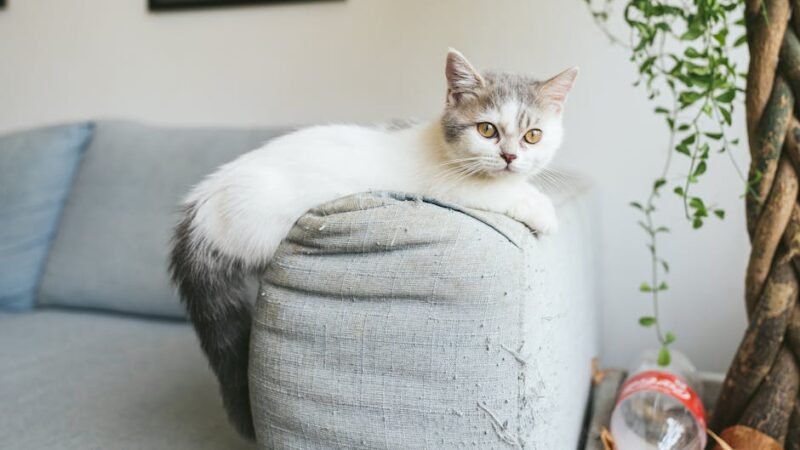
Scottish Fold. With their distinctive folded ears and round, owl-like faces, Scottish Folds look like living stuffed animals — and they often behave like them too. These cats are gentle, sweet-natured, and deeply attached to their families. They have a particular fondness for sitting in unusual positions (often called the “Buddha sit”) and enjoy being close to their humans without being overly demanding. Scottish Folds are quiet cats who communicate through soft chirps and gentle purring rather than loud meowing. They get along well with children, other cats, and dogs, making them excellent family companions. Their folded ears require gentle cleaning but are otherwise low-maintenance.
Persian. The Persian is the classic lap cat — regal, calm, and utterly content to spend hours being petted and admired. These long-haired beauties are among the most laid-back cat breeds, with energy levels that range from “gently playful” to “luxuriously napping.” Persians are quiet, undemanding, and deeply attached to their primary caregivers. They prefer predictable environments and may take time to warm up to new people, but once they trust you, their devotion is unwavering. The trade-off for all that fluffy beauty is significant grooming — daily brushing is non-negotiable to prevent mats and tangles in their long, dense coat.
Burmese. If Ragdolls are the calm cuddlers, Burmese cats are the enthusiastic ones. These medium-sized, muscular cats are famously people-oriented, demanding attention with a persistence that borders on comical. They will sit on your keyboard, insert themselves between you and your book, and meow insistently until they are acknowledged. Burmese cats are warm, heavy for their size (giving them a satisfying “brick wrapped in silk” feel when held), and genuinely seem to need physical contact with their humans to be happy. They are playful well into adulthood and retain a kitten-like energy that keeps life entertaining.
Birman. The Birman is a stunning breed with a colorpoint coat, deep blue eyes, and white-gloved paws that give them an elegant, almost mystical appearance. Beneath that beauty is a gentle, affectionate soul that craves companionship without being clingy. Birmans are the perfect middle ground between the Ragdoll’s passive devotion and the Burmese’s active attention-seeking. They enjoy being petted and held, follow their owners from room to room, and have a quiet, musical voice they use to communicate their needs. Birmans are excellent with children and other pets, making them versatile family cats.
Siamese. The Siamese is one of the most vocal and socially engaged cat breeds, and their love for their humans is expressed loudly and constantly. These cats want to be involved in everything you do — cooking, working, sleeping, bathing — and they will let you know if they feel excluded. Siamese cats are lean, elegant, and highly intelligent, with a playful energy that persists well into adulthood. Their cuddliness comes with a side of conversation: expect running commentary on your daily activities in a distinctive, raspy voice. For people who want a cat that is as interactive as a dog, the Siamese delivers in every way.
Maine Coon. The Maine Coon is the gentle giant of the cat world — males can weigh 18 to 25 pounds — with a friendly, dog-like personality that makes them surprisingly cuddly for their size. They enjoy being near their humans and will follow you around the house, but they are less likely to demand lap time than some smaller breeds, simply because fitting a 20-pound cat on your lap is a logistical challenge. Maine Coons show affection by being present, leaning against you, and engaging in play. They are social, good with children and dogs, and have a chirpy trill instead of a standard meow. Their long coat requires regular brushing but is less prone to matting than a Persian’s.
Exotic Shorthair. Think of the Exotic Shorthair as a Persian with a low-maintenance coat. They have the same sweet, gentle temperament and love of lap time, but their dense, plush short coat requires far less grooming. Exotics are quiet, calm, and deeply affectionate — they bond strongly with their primary person and may show some preference within a household. Their flat faces give them an endearingly grumpy expression that contrasts delightfully with their sweet disposition. Like Persians, they are not high-energy cats and are content with gentle play and long cuddle sessions.
How to Encourage Cuddliness in Any Cat
Even within cuddly breeds, individual cats vary in their comfort with physical affection. Some are lap cats from day one; others need time, trust, and the right approach to warm up. Here are strategies that help bring out the cuddly side of any cat.
Let the cat initiate contact. This is the single most important rule of building affection with a cat. Forcing cuddles on a cat who is not ready creates negative associations with being held. Instead, sit near the cat, offer a hand for sniffing, and wait for them to move closer. When they do, reward the behavior with gentle petting in areas most cats enjoy — behind the ears, under the chin, and along the cheeks. Avoid the belly until you are sure the cat welcomes it.
Create inviting lap conditions. Cats are drawn to warmth and softness. A fleece blanket on your lap, a heated pad nearby, or simply sitting still in a cozy spot makes you a more attractive cuddling destination. Many cats will not jump onto a lap that is actively moving, typing, or fidgeting — they want a calm, stable surface.
Use treats strategically. Offering a small treat when the cat voluntarily sits near you or on your lap creates a positive association with proximity. Over time, the cat learns that being close to you means good things happen, and the treats can be phased out as the behavior becomes self-rewarding.
Establish a cuddle routine. Cats are creatures of habit, and incorporating a daily cuddle session into a predictable routine encourages them to participate. Many cats are most receptive in the evening, after their active play period, when they are naturally winding down. Making this a consistent part of your day signals to the cat that this is safe, expected, and welcome.
Respect boundaries. Some cats love being petted but hate being held. Others enjoy lap time but not belly rubs. Learn your individual cat’s preferences and respect them. A cat who trusts that you will stop when they signal discomfort is a cat who will return for more affection later.
Cuddly Cats and Children: Making It Work
Affectionate cat breeds can be wonderful companions for children, but the relationship needs guidance. Children must learn how to interact with cats respectfully, and cats need a safe retreat when they have had enough.
Teach children to approach cats calmly, speak softly, and offer a hand for sniffing before petting. Rough handling, chasing, and picking up cats incorrectly are the fastest ways to turn a cuddly cat into a defensive one. Show children the proper way to hold a cat — supporting the chest with one hand and the hindquarters with the other — and supervise interactions until you are confident the child handles the cat gently.
Provide the cat with elevated spaces, such as cat trees, shelves, or tall furniture, where they can retreat from children when they need space. A cat who knows they can escape when overwhelmed is a cat who feels safe enough to be affectionate when they choose. Never allow children to follow a cat into its safe space.
Model gentle, respectful interaction. Children learn more from watching you interact with the cat than from being told how to behave. When your child sees you gently petting the cat, responding to the cat’s signals to stop, and speaking softly, they internalize those behaviors naturally.
Choose an age-appropriate breed. Ragdolls, Birmans, and Maine Coons are particularly tolerant of children due to their calm, patient temperaments. Siamese and Burmese cats, while affectionate, may be too vocal or demanding for very young children. Persians may be too delicate for rough-and-tumble households. Match the cat’s temperament to your family’s energy level.
Adopting a Cuddly Cat from a Shelter
You do not need a pedigree to find a cuddly cat. Shelters and rescues are full of affectionate cats who are desperate for a warm lap and a loving home. In fact, shelter cats who have experienced the stress and loneliness of kennel life are often extraordinarily grateful and affectionate once they are in a stable home environment.
When visiting a shelter, look for cats who approach the front of their kennel, make eye contact, rub against the cage door, or vocalize when you walk by. These are signs of a social, people-oriented cat. Ask to spend time with potential matches in a quiet room, and observe how they interact with you when given space to decompress. A cat who immediately climbs into your lap, head-butts your hand, or purrs when petted is showing you exactly who they are.
Foster-based rescues are particularly good sources for cuddly cats because the foster family can tell you exactly how the cat behaves at home. They can report on lap-sitting habits, sleeping preferences (does the cat sleep on the bed with their foster parent?), and overall sociability. This firsthand knowledge removes the guesswork and helps you find a genuine cuddler.
Mixed-breed cats can be every bit as affectionate as purebreds, and they often come with fewer breed-specific health concerns. A shelter volunteer can usually point you toward the cuddliest cats in their care — they know which ones purr the loudest, seek the most attention, and light up when held.
Frequently Asked Questions
Do male or female cats tend to be cuddlier?
There is a common belief that male cats are more affectionate than females, and some cat owners swear by this. However, the difference is more individual than gender-based. Neutered males may be slightly more laid-back and lap-oriented, while spayed females can be equally affectionate in their own way — perhaps more selective about when and how they cuddle. Breed, socialization, and individual personality matter far more than sex when it comes to cuddliness.
At what age do cats become the most cuddly?
Many cats become more affectionate as they mature. Kittens are often too busy exploring and playing to sit still for extended cuddle sessions. Between one and three years of age, most cats settle into their adult temperament, and naturally cuddly breeds begin showing their affectionate side more consistently. Senior cats (seven years and older) are often the cuddliest of all, as they prefer warmth, comfort, and companionship over active play. Adopting a middle-aged or senior cat is one of the most reliable ways to get a dedicated cuddler.
Can a cat be too clingy?
Yes, excessive clinginess can sometimes indicate separation anxiety, especially in breeds like Siamese and Burmese that are prone to strong attachment. Signs include destructive behavior when left alone, excessive vocalization, refusal to eat when the owner is away, and inappropriate elimination. If your cat’s affection seems driven by anxiety rather than contentment, consult with your veterinarian or a feline behaviorist. Environmental enrichment, a companion cat, and gradual desensitization to alone time can help.
Will a cuddly cat get along with my dog?
Many cuddly cat breeds — particularly Ragdolls, Birmans, Maine Coons, and Burmese — are known for getting along well with dogs. Their confident, social temperaments help them adapt to canine housemates. Proper introductions are essential regardless of breed: keep the cat and dog separated initially, swap scents, allow visual contact through a barrier, and progress to supervised face-to-face meetings gradually. A calm, non-aggressive dog and a confident cat will usually find their equilibrium within a few weeks.
Looking to adopt a Cuddliest Cat Breeds?
Browse Cuddliest Cat Breeds cats and mixes available for adoption from shelters and rescues near you.
Find Cuddliest Cat Breeds Cats for Adoption