Last updated: May 4, 2026
In this article
Dachshund Breed Profile: The Bold, Loyal Wiener Dog
Few dog breeds are as instantly recognizable as the Dachshund. With their elongated bodies, short legs, and outsized confidence, these small hounds have charmed families around the world for centuries. But beneath that comical silhouette lies a courageous, intelligent, and deeply loyal companion who was originally bred for one of the most demanding jobs in the canine world — hunting badgers underground.
Whether you are considering adopting a Dachshund breed dog or simply want to understand what makes these little hounds tick, this comprehensive profile covers everything from their fascinating history to the health considerations every prospective owner should know. If you are drawn to compact dogs with huge personalities, the Dachshund might be the perfect match for you.
History and Origins of the Dachshund
The Dachshund’s story begins in Germany, where their name literally translates to “badger dog” — Dachs meaning badger and Hund meaning dog. Selective breeding for this purpose dates back at least 600 years, though illustrations of short-legged hunting dogs appear in European artwork from the 15th century and earlier.
German foresters needed a dog that could follow badgers into their underground tunnels, confront them in tight quarters, and either flush them out or hold them at bay until the hunter arrived. This required extraordinary courage, a powerful bark that could be heard underground, and a body shape that could navigate narrow burrows. The Dachshund was engineered for exactly this purpose.
By the 18th century, the breed had been refined into two sizes — standard Dachshunds for badger hunting and miniature Dachshunds for pursuing rabbits. Three coat varieties also emerged: smooth, longhaired, and wirehaired, each developed for different terrain and climate conditions. The smooth coat was the original, the longhaired version was likely crossed with spaniels for colder climates, and the wirehaired variety incorporated terrier blood for rough, thorny underbrush.
Dachshunds arrived in America in the late 1800s and quickly gained popularity. Despite a dip during the World Wars due to their German heritage, the breed bounced back stronger than ever. Today, the Dachshund consistently ranks among the most popular breeds in the United States and remains beloved across Europe, particularly in their homeland of Germany.
Appearance and Size
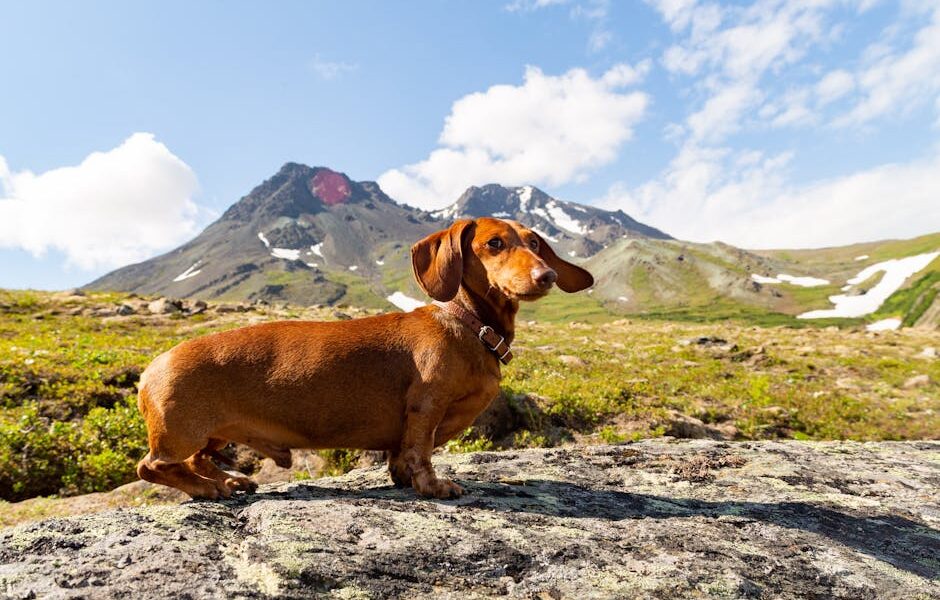
The Dachshund’s appearance is unmistakable. Their long, muscular body sits low to the ground on short, powerful legs. Despite their small stature, they are surprisingly sturdy and well-muscled, reflecting their working heritage. Their chest is deep and broad, providing ample lung capacity for barking underground — a trait that still manifests in their surprisingly loud voice today.
Standard Dachshunds typically weigh between 16 and 32 pounds and stand about 8 to 9 inches tall at the shoulder. Miniature Dachshunds weigh 11 pounds or under and stand around 5 to 6 inches tall. In some European countries, a third size called the “rabbit Dachshund” is recognized, falling between the miniature and standard classifications.
The three coat varieties each have their own distinct look and personality tendencies. Smooth-coated Dachshunds have a short, shiny coat that lies close to the body. Longhaired Dachshunds sport elegant, flowing fur with feathering on the ears, legs, and tail. Wirehaired Dachshunds have a rough, bristly outer coat with a softer undercoat, along with distinctive facial furnishings including eyebrows and a beard.
Color possibilities are remarkably varied. Common colors include red, black and tan, chocolate and tan, cream, and wild boar (primarily in wirehairs). Patterns include dapple (merle), brindle, sable, and piebald. Their expressive eyes, long muzzle, and paddle-shaped paws complete a package that is equal parts adorable and functional.
Temperament and Personality
If you expect a timid lapdog simply because of the Dachshund’s size, prepare to be surprised. The dachshund breed is famously bold, stubborn, and brimming with self-confidence. They were bred to face badgers — animals that outweigh them and possess sharp claws — so fearlessness is hardwired into their DNA.
Dachshunds are fiercely loyal to their families, often forming an especially strong bond with one person. This devotion can occasionally tip into possessiveness, so early socialization is important to ensure your Dachshund is comfortable sharing your attention with other people and pets. They can be wary of strangers and make surprisingly effective watchdogs, given their deep, resonant bark.
Intelligence is another hallmark of the breed. Dachshunds are clever problem-solvers who can figure out how to open cabinets, escape enclosures, and manipulate their owners with those irresistible eyes. However, intelligence in a Dachshund comes paired with independence and stubbornness. They were bred to make decisions on their own underground, and that independent thinking persists in modern companion dogs.
Playfulness and humor are central to the Dachshund experience. They love to burrow under blankets, chase toys, and entertain their families with their antics. Many Dachshund owners describe their dogs as having almost human-like expressions and a keen sense of humor. They are also surprisingly athletic for their size, enjoying walks, games, and even agility courses designed for small dogs. If you enjoy small dog breeds with big personalities, the Dachshund delivers in abundance.
Exercise and Training Needs
Despite their small size, Dachshunds need regular exercise to stay healthy and prevent obesity — a condition that can have serious consequences for their long backs. Two moderate walks per day, totaling 30 to 60 minutes, along with some playtime, is generally sufficient for most adult Dachshunds. They enjoy sniffing and exploring on walks, honoring their Hound heritage, so leisurely walks where they can investigate scents are particularly satisfying for them.
One important exercise consideration is to avoid activities that stress the spine. Jumping on and off furniture, climbing steep stairs frequently, and rough play that involves twisting can all increase the risk of back injury. Ramps for furniture and cars are a wise investment for any Dachshund household. For more information about spinal health, see our guide on IVDD and back injuries in dogs.
Training a Dachshund requires patience, consistency, and a good sense of humor. Their independent nature means they may understand exactly what you want and simply choose not to comply. Harsh corrections backfire with this sensitive breed — they will shut down or become defiant. Instead, positive reinforcement with high-value treats works wonders. Keep training sessions short, varied, and fun to hold their attention.
House training is notoriously challenging with Dachshunds. Their small bladders, stubborn streak, and dislike of cold or wet weather can make the process lengthy. Consistency, patience, and a regular schedule are essential. Crate training often helps, as Dachshunds naturally enjoy den-like spaces thanks to their burrowing instincts. Some owners find that a combination of outdoor training and indoor pee pads works best, especially in inclement weather.
Socialization from a young age is crucial. Expose your Dachshund puppy to a wide variety of people, dogs, environments, and experiences to build confidence and reduce the tendency toward excessive barking or snappiness with strangers. Well-socialized Dachshunds are generally friendly and outgoing, though they may always maintain a healthy skepticism of unfamiliar visitors.
Health Issues and Lifespan
Dachshunds are generally long-lived dogs, with a typical lifespan of 12 to 16 years. Some have been known to live well into their late teens with good care. However, their unique body structure predisposes them to several health conditions that every owner should understand.
Intervertebral Disc Disease, or IVDD, is the most significant health concern for the dachshund breed. Their elongated spines and short rib cages put tremendous pressure on the intervertebral discs, which can rupture or herniate, causing pain, nerve damage, and in severe cases, paralysis. Studies suggest that approximately 25 percent of Dachshunds will experience some degree of back problems during their lifetime. Maintaining a healthy weight, avoiding high-impact activities, and supporting the back when picking up your Dachshund are all important preventive measures.
Other health conditions to be aware of include progressive retinal atrophy and other eye disorders, particularly in dapple-patterned dogs. Double dapple breeding — mating two dapple-patterned Dachshunds — can produce puppies with serious eye and ear defects, including blindness and deafness. Responsible breeders avoid this combination entirely.
Obesity is a serious concern that directly impacts spinal health. Even a few extra pounds on a Dachshund dramatically increases the strain on their back. Careful portion control, limited treats, and regular exercise are essential. Dental disease is also common in small breeds, so regular dental care is important throughout their lives.
Additional health issues can include patellar luxation, epilepsy, Cushing’s disease, and thyroid problems. Regular veterinary checkups, a healthy diet, and awareness of breed-specific risks will help your Dachshund live a long and comfortable life.
Grooming Requirements
Grooming needs vary significantly depending on coat type. Smooth-coated Dachshunds are the easiest to maintain, requiring only a weekly wipe-down with a damp cloth or soft brush to remove loose hair and keep the coat shiny. They shed moderately and are relatively low-maintenance in the grooming department.
Longhaired Dachshunds require more attention. Their flowing coats should be brushed several times per week to prevent tangles and mats, particularly behind the ears, under the legs, and around the tail. They may need occasional trimming to keep the feathering neat, and they tend to shed seasonally.
Wirehaired Dachshunds have a unique coat that benefits from hand-stripping two to three times per year to maintain proper texture and color. Between strippings, weekly brushing keeps the coat tidy. Their facial furnishings may need regular cleaning, especially after meals.
All Dachshunds need regular nail trimming, ear cleaning, and dental care. Their long, floppy ears can trap moisture and debris, making them prone to ear infections. Check and clean the ears weekly, and watch for signs of redness, odor, or discharge. Dental hygiene is important for all varieties — brush teeth several times per week or provide dental chews to reduce plaque buildup.
Dachshunds Compared to Similar Breeds
Prospective owners sometimes compare the Dachshund to other small, long-bodied breeds. The Corgi versus Dachshund comparison is a popular one, as both breeds share short legs and elongated bodies. However, Corgis are herding dogs with different energy levels and temperament tendencies, while Dachshunds are hounds with a stronger prey drive and independent streak.
Compared to other small breeds, Dachshunds tend to be more independent, more vocal, and more tenacious. They are not typically as eager to please as breeds like Cavalier King Charles Spaniels or Bichon Frises. Their hound nature means they can be single-minded when they pick up a scent, making reliable off-leash recall challenging for many owners.
The Dachshund’s unique combination of loyalty, humor, courage, and stubbornness sets them apart from virtually every other breed. They are not a dog for someone who wants instant obedience, but they offer a depth of personality and companionship that is hard to match.
Who Is the Dachshund Best For?
Dachshunds can thrive in a variety of living situations, from apartments to houses with yards. Their small size makes them adaptable to smaller spaces, though their barking tendencies should be considered in thin-walled apartments. They do best with owners who understand and appreciate the hound temperament — people who enjoy a dog with opinions, humor, and an independent spirit.
Active singles, couples, and families with older children are all good matches. Dachshunds can be wonderful family dogs, but their backs are vulnerable to rough handling by very young children. Families with small children should supervise interactions carefully and teach children how to handle the dog gently, always supporting the back and chest.
Seniors and retirees often find Dachshunds to be excellent companions. Their moderate exercise needs, small size, and intense loyalty make them wonderful partners for those with a quieter lifestyle. However, their stubbornness in training and potential for back problems requiring veterinary care should be factored into the decision.
If you are considering adopting a Dachshund from a rescue, you are making a wonderful choice. Many adult Dachshunds in rescues are already house-trained and past the challenging puppy stage. Their personalities are fully developed, so you can choose a dog whose temperament matches your lifestyle perfectly. These loyal little hounds have so much love to give — they just need the right person to give it to.
Frequently Asked Questions
Are Dachshunds good with other dogs?
Dachshunds can get along well with other dogs, especially if they are socialized from a young age. They tend to do best with dogs of similar size, as their long backs can be vulnerable during rough play with larger breeds. Many Dachshund owners find that their dogs enjoy the company of another Dachshund, as they understand each other’s play style. Introductions to new dogs should be done gradually and in neutral territory.
How much does a Dachshund bark?
Dachshunds are known for being vocal. They have a deep, loud bark that belies their small size — a trait that was intentionally bred into them so hunters could hear them underground. They will bark at strangers, unusual sounds, passing animals, and sometimes seemingly nothing at all. Training can help manage excessive barking, but it is unlikely to eliminate it entirely. If a quiet dog is your top priority, the Dachshund may not be the best fit.
Can Dachshunds climb stairs?
While Dachshunds are physically capable of climbing stairs, frequent stair use can strain their long backs and increase the risk of IVDD. Many veterinarians recommend limiting stair climbing, especially on steep staircases. Baby gates to block stairways and ramps for accessing furniture and vehicles are common accommodations in Dachshund households. If stairs are unavoidable, carrying your Dachshund is the safest option.
Do Dachshunds do well in cold weather?
Smooth-coated Dachshunds, in particular, are sensitive to cold weather due to their short coats and low-to-the-ground build. A warm sweater or coat is recommended for winter walks. Longhaired and wirehaired varieties tolerate cold somewhat better but still appreciate protection in harsh conditions. Many Dachshunds are reluctant to go outside in rain or snow, which can complicate house training during inclement weather.
Looking to adopt a Dachshund Breed Profile?
Browse Dachshund Breed Profile dogs and mixes available for adoption from shelters and rescues near you.
Find Dachshund Breed Profile Dogs for Adoption