
Last updated: April 27, 2026
In this article
Dalmatian Dog Breed Profile
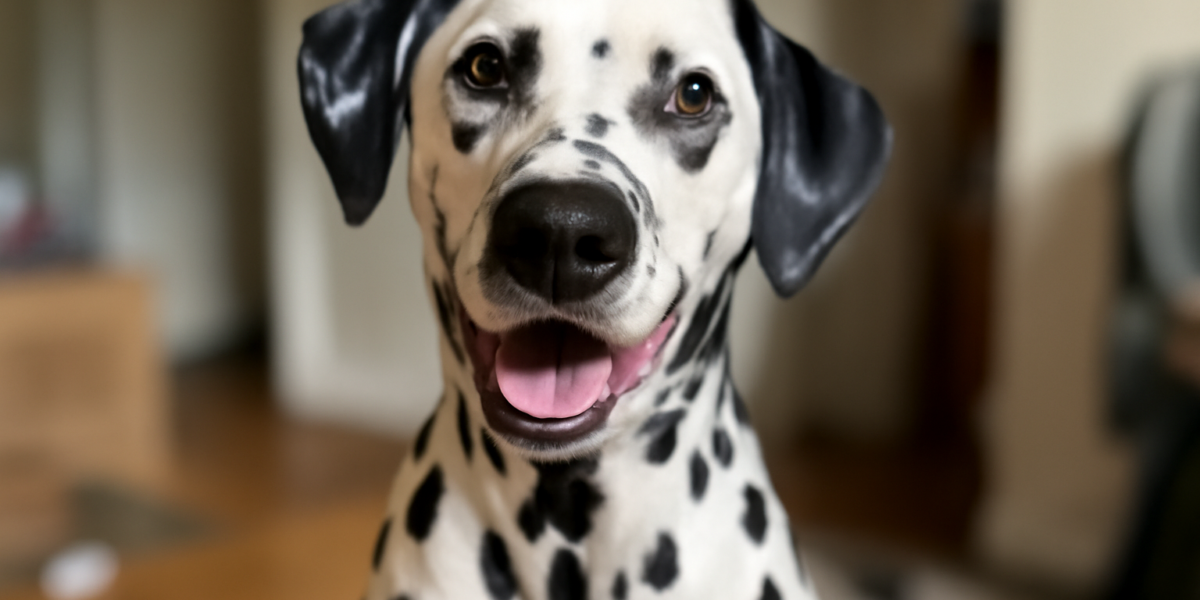
The Dalmatian is one of the most instantly recognizable dog breeds in the world. With its striking white coat covered in distinctive black or liver-colored spots, this athletic and spirited dog has captured hearts for centuries. Originally bred as a coaching dog and later celebrated as the firehouse mascot of American culture, the dalmatian brings a unique combination of endurance, intelligence, and showmanship to every home it joins. Whether you are an active individual, an outdoor enthusiast, or a family looking for a loyal companion, the dalmatian’s energetic personality and dignified bearing make it a breed worth knowing. This profile covers everything you need to understand before welcoming one into your life — from daily exercise requirements and grooming demands to health considerations and adoption advice.
Quick Facts
| Breed Group | Non-Sporting |
|---|---|
| Size | Medium to Large |
| Weight | 45 – 70 pounds |
| Height | 19 – 24 inches at the shoulder |
| Lifespan | 11 – 13 years |
| Coat | Short, dense, fine |
| Color | White with black or liver spots |
| Shedding Level | High — year-round |
| Exercise Needs | Very High |
| Good With Kids | Yes, with proper socialization |
| Good With Other Pets | Generally yes, with early socialization |
| Trainability | Moderate — intelligent but independent |
| Hypoallergenic | No |
| AKC Recognition | Yes — recognized in 1888 |
Personality and Temperament
The dalmatian is a dog of contrasts: boisterous and playful in one moment, calm and dignified in the next. Known for their high energy and enthusiasm, dalmatians thrive in households that can match their zest for life. They are deeply loyal to their families and can be outgoing and affectionate once a bond is established, though they may be reserved — or even aloof — around strangers at first. This reserved nature with newcomers is a natural characteristic of the breed rather than a sign of aggression.
Dalmatians are highly sensitive dogs. They respond poorly to harsh correction and instead flourish under patient, positive reinforcement-based training. They are intelligent and curious, often finding their own entertainment if mental stimulation is lacking — which can quickly translate into destructive behavior. Separation anxiety is a real concern with this breed; they do not do well when left alone for extended periods.
At their best, dalmatians are playful, alert, and devoted companions who bring energy and personality to any household. They have a natural sense of dignity that makes them stand out — not just in looks, but in bearing. For the right owner, this breed is endlessly rewarding.
Appearance
No dog in the world wears its coat quite like a dalmatian. The breed’s hallmark is its white base coat adorned with clearly defined, round spots in either black or liver (brown). Puppies are born completely white; the spots develop and deepen over the first few weeks of life, making each dog’s final pattern entirely unique. No two dalmatians have the same spot arrangement.
Beneath that famous coat is an athletic, muscular frame built for endurance. The dalmatian has a well-proportioned, symmetrical body — strong hindquarters, a deep chest, and a level topline that conveys both power and elegance. The head is refined with a broad, flat skull, and the eyes are typically dark brown or blue, occasionally one of each in the same dog. The coat itself is short, dense, and fine, lying close to the body with a clean, polished appearance that requires minimal trimming but sheds considerably.
Exercise Needs
Make no mistake: the dalmatian is a high-endurance athlete in a spotted suit. This breed was historically bred to run alongside horse-drawn carriages for miles at a time, and that stamina has not diminished. Dalmatians require a minimum of one to two hours of vigorous exercise every single day. A casual walk around the block will not come close to meeting this breed’s needs.
Ideal activities include running, cycling alongside a bike, hiking, fetch in a securely fenced yard, and agility or rally sports. Dalmatians excel in canine sports and benefit enormously from the combination of physical exertion and mental challenge those activities provide. Without adequate exercise, they become restless, anxious, and prone to destructive behavior such as chewing, digging, and excessive barking.
This breed is best suited to active individuals or families with access to outdoor space. Apartment living is possible only if the owner commits to an intensive daily exercise routine. A tired dalmatian is a happy, manageable dalmatian — and that should be the daily goal. For more guidance on exercising your dog safely, visit our dog care blog.
Grooming Needs
The dalmatian’s short coat may look low-maintenance at a glance, but this breed is a prolific shedder — and it sheds year-round, not just seasonally. Those fine, short white hairs have a remarkable ability to embed themselves into fabric, upholstery, and clothing in ways that even a lint roller struggles to fully address. Prospective owners should be prepared to vacuum frequently and accept dog hair as a permanent fixture of life.
Weekly brushing with a rubber grooming mitt or a firm bristle brush helps manage shedding and keeps the coat looking its best. Bathing is needed only every four to six weeks, or as necessary when the dog gets muddy or smelly. The dalmatian’s coat has a slight self-cleaning quality and rarely carries a strong odor.
Beyond coat care, routine grooming includes trimming nails every three to four weeks, cleaning the ears regularly to prevent wax buildup and infection, and brushing teeth several times per week. Eye discharge is common and should be wiped gently with a damp cloth. Overall, grooming is straightforward — the main commitment is managing the shedding.
Health and Common Issues
The dalmatian is a generally healthy breed, but it is predisposed to several conditions that prospective owners should understand before bringing one home.
Congenital deafness is the most significant inherited health concern in the breed. Approximately 8 percent of dalmatians are born deaf in both ears, and up to 22 percent are deaf in one ear. Deafness is linked to the genetics of the breed’s distinctive white coat. Reputable breeders use BAER (Brainstem Auditory Evoked Response) testing to screen puppies before placement. Deaf dalmatians can lead full, happy lives with an experienced, committed owner.
Urinary stones (urolithiasis) are another breed-specific concern. Dalmatians have a unique urinary system that processes purines differently from other breeds, making them prone to forming urate stones. A low-purine diet and ample fresh water are critical preventive measures.
Hip dysplasia and other musculoskeletal issues can occur, particularly in dogs that are over-exercised before their growth plates close. Routine veterinary checkups, weight management, and joint supplements as the dog ages are important parts of long-term care.
Are Dalmatians Good With Kids and Other Pets?
Dalmatians can be wonderful family dogs, but their high energy and exuberance mean they are generally better suited to families with older children who can handle a boisterous, athletic dog. Younger children may be accidentally knocked over during play — not from aggression, but from sheer enthusiasm. As with any dog, interactions between dalmatians and small children should always be supervised.
When raised alongside children from puppyhood and properly socialized, dalmatians tend to be affectionate and playful family members who enjoy joining in on active games and outdoor adventures.
With other pets, dalmatians are generally sociable, especially when introduced early. They typically get along well with other dogs, particularly if they have had positive socialization experiences during puppyhood. Their historical association with horses means they often coexist peacefully with larger animals. Small animals such as cats and rabbits may trigger a chase instinct in some individuals, so introductions should always be done carefully and patiently. For more tips on multi-pet households, explore our dog care resources.
Training Tips
Dalmatians are intelligent dogs, but they are also independent thinkers — which means training requires consistency, patience, and a positive approach. They respond extremely well to reward-based methods using treats, praise, and play as motivators. Harsh corrections or punishment-based methods are counterproductive with this sensitive breed and can lead to shutting down, fearfulness, or increased stubbornness.
Early socialization is essential. Expose your dalmatian puppy to a wide variety of people, environments, sounds, and other animals during the critical developmental window of 8 to 16 weeks. This lays the groundwork for a confident, well-adjusted adult dog.
Basic obedience training — sit, stay, recall, and leash manners — should begin early and be reinforced consistently throughout the dog’s life. Dalmatians can become bored with repetitive drills, so keeping training sessions short (10 to 15 minutes), varied, and upbeat will yield the best results. They often thrive in advanced dog sports such as agility, obedience trials, and nose work, which challenge both body and mind. A mentally engaged dalmatian is a well-behaved dalmatian.
History and Origin
The exact origins of the dalmatian remain somewhat debated among historians, though the breed’s name is widely associated with the Dalmatia region along the eastern Adriatic coast in present-day Croatia. Historical paintings and writings dating back to the 17th century depict dogs with the breed’s characteristic spotted coat, suggesting a long and storied lineage.
The dalmatian rose to prominence in 18th- and 19th-century Europe as a coaching dog — trained to run alongside horse-drawn carriages for hours, guarding the horses and the coach from threats on the road. This history explains the breed’s extraordinary stamina and its instinctive affinity for horses.
In North America, the dalmatian became synonymous with firehouses. Before motorized fire engines, dalmatians ran ahead of horse-drawn fire wagons to clear the road. They remained firehouse mascots long after horses retired from service.
The breed’s modern cultural explosion is largely attributed to Dodie Smith’s 1956 novel and the subsequent Disney film 101 Dalmatians, which drove a massive surge in popularity. Unfortunately, this demand led to irresponsible breeding and a wave of dalmatians surrendered to shelters by owners unprepared for the breed’s intensity. Rescue organizations continue to see dalmatians in need of homes today.
Frequently Asked Questions About Dalmatians
Are dalmatians good for first-time dog owners?
Dalmatians can be challenging for first-time owners due to their high energy levels, exercise demands, and independent temperament. They thrive with experienced owners who understand the importance of consistent training, early socialization, and daily vigorous activity. That said, a first-time owner who is committed to learning and investing the necessary time and effort can absolutely build a successful relationship with a dalmatian.
How much exercise does a dalmatian need each day?
A healthy adult dalmatian needs at least one to two hours of vigorous exercise daily. This should include more than just a walk — running, hiking, fetch, swimming, or participation in dog sports are all excellent options. Puppies and senior dalmatians have different needs; exercise should be age-appropriate and guided by your veterinarian.
Do dalmatians really shed that much?
Yes. Despite having a short coat, dalmatians are heavy year-round shedders. Their fine, short hairs tend to work their way into fabric and are difficult to remove with standard lint rollers. Regular brushing, a good vacuum cleaner, and accepting dog hair as part of daily life are all part of owning a dalmatian.
Can a dalmatian live in an apartment?
It is possible but not ideal. Dalmatians are large, energetic dogs that do best with access to outdoor space. An apartment-dwelling dalmatian can be healthy and happy only if the owner is fully committed to providing long, vigorous daily exercise — multiple times per day. A fenced yard is a significant asset for this breed.
Adopt a Dalmatian
Dalmatians are frequently found in rescue organizations across the country, often surrendered by owners who underestimated the breed’s energy and commitment requirements. Adopting a rescue dalmatian is a meaningful way to give one of these remarkable dogs a second chance at a loving, permanent home.
At WalkMeHome Rescue, we work to match dalmatians and other dogs with families who are genuinely prepared to meet their needs. Our adoption process includes temperament assessments, health screening, and guidance to help you find the right match. If you are ready to open your home to a dalmatian, we would love to help you find your perfect companion.


