Last updated: May 6, 2026
In this article
Dandie Dinmont Terrier Breed Profile: The Literary Terrier
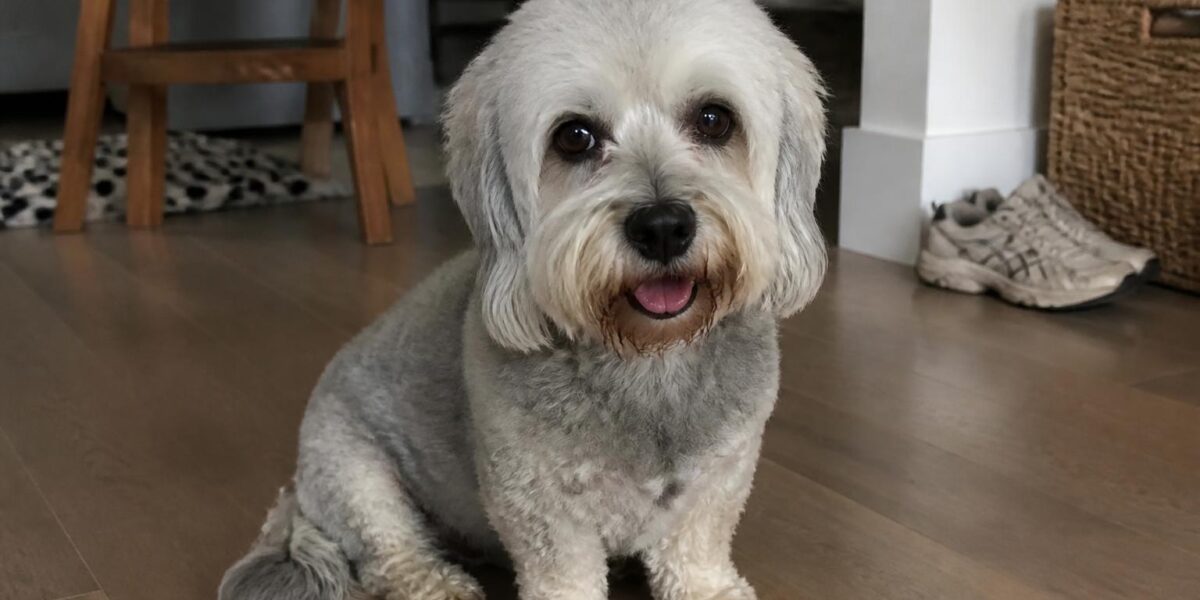
The Dandie Dinmont Terrier holds a unique distinction in the dog world: it is the only breed named after a fictional character. This charming, low-slung terrier takes its name from a farmer in Sir Walter Scott’s 1814 novel “Guy Mannering,” who kept a pack of spirited little terriers that bore a striking resemblance to the dogs we know today. But the Dandie Dinmont Terrier’s appeal extends far beyond its literary connection. With its distinctive silky topknot, soulful dark eyes, and a personality that blends terrier tenacity with surprising gentleness, the Dandie is a breed that enchants everyone who gets to know it.
Today, the Dandie Dinmont Terrier is critically endangered, with annual registrations in the UK sometimes dropping below 100 puppies. This comprehensive breed profile explores the Dandie’s rich history, unique characteristics, and the qualities that make it such a rewarding companion for the right owner.
History and Origin of the Dandie Dinmont Terrier
The Dandie Dinmont Terrier’s roots lie in the border country between Scotland and England, where it was developed by farmers and Romani travelers to hunt otters and badgers. The breed’s ancestors were tough, working terriers that had existed in the region for centuries, prized for their courage, stamina, and ability to pursue formidable quarry into underground dens.
The breed’s recorded history begins in the 17th century, with references to short-legged terriers kept by the farming families of the Teviotdale hills in the Scottish Borders. These dogs were bred primarily for function, with little regard for appearance, but they developed a consistent type over the generations: low to the ground, surprisingly powerful for their size, and possessed of an indomitable spirit.
Everything changed for the breed in 1814 when Sir Walter Scott, arguably the most famous author in the English-speaking world at the time, published “Guy Mannering.” The novel featured a character named Dandie Dinmont, a jovial Border farmer who kept a pack of terriers he called Mustard and Pepper based on their coat colors. The character was reportedly inspired by a real Border farmer named James Davidson, who kept a strain of working terriers matching the description in the novel.
The novel’s enormous popularity sparked immediate interest in the real dogs that had inspired Scott’s creation. Within a few years, the terriers of the Scottish Borders were being called Dandie Dinmont Terriers, and breed clubs were established to promote and standardize them. The Dandie Dinmont Terrier Club, founded in 1875, is the third-oldest breed club in the world.
The breed enjoyed steady popularity throughout the Victorian era and into the early 20th century. However, like many terrier breeds, the Dandie’s numbers declined sharply during and after the World Wars. Despite efforts to rebuild the breed, the Dandie Dinmont Terrier has never recovered its former popularity and remains one of the rarest terrier breeds in the world. The Kennel Club has classified it as a vulnerable native breed, and conservation efforts continue to ensure the breed’s survival.
The Dandie shares its Border country heritage with another distinctive terrier breed. If you enjoy the Dandie’s unique character, you may also appreciate the Bedlington Terrier, which also hails from the same region of northern England.
Appearance and Physical Characteristics
The Dandie Dinmont Terrier is unlike any other terrier in appearance, with a distinctive silhouette that is immediately recognizable. These dogs stand 8 to 11 inches at the shoulder and weigh between 18 and 24 pounds. Their body is long and low, with a curved topline that rises over the loin, creating a unique arched outline that is a hallmark of the breed.
The head is large in proportion to the body, with a broad skull and a strong, deep muzzle. The most striking feature is the silky topknot of soft hair that crowns the head, giving the Dandie an almost comical, professorial appearance. The large, round, dark eyes are wide-set and full of expression, conveying intelligence, warmth, and a hint of determination. The ears are set low and hang close to the cheeks, with a thin tassel of lighter hair at the tips.
The coat comes in two color varieties: pepper and mustard, named after Dandie Dinmont’s fictional dogs. Pepper ranges from dark bluish-black to light silvery grey, while mustard ranges from reddish-brown to pale fawn. Both colors have the distinctive lighter topknot and lighter-colored body feathering. The coat consists of a mixture of hard and soft hair, approximately two inches long on the body, with a crisp texture that requires specific grooming techniques to maintain.
The Dandie’s legs are short and sturdy, with the hind legs slightly longer than the forelegs, contributing to the arched topline. The front feet are slightly larger than the rear feet, reflecting the breed’s digging heritage. The tail is 8 to 10 inches long, thick at the root, and tapers to a point, carried slightly above the level of the body in a gentle curve.
Despite their somewhat comical appearance, Dandie Dinmont Terriers are surprisingly muscular and powerful dogs. Their long, flexible bodies and strong jaws were designed for the serious work of pursuing and dispatching badgers and otters, and they retain that underlying strength and capability today.
Temperament and Personality
The Dandie Dinmont Terrier possesses one of the most appealing temperaments in the terrier group. Often described as the “gentleman of the terrier family,” the Dandie combines typical terrier spirit and determination with a level of dignity, sensitivity, and gentleness that sets it apart from its more boisterous terrier cousins.
Dandies are affectionate and devoted to their families, forming deep bonds with their owners and showing genuine tenderness toward the people they love. They are not typically demanding or attention-seeking, preferring instead to be quietly present, following their people from room to room and settling contentedly nearby. This calm, companionable nature makes them excellent household pets for people who appreciate a dog that is present without being intrusive.
However, do not mistake the Dandie’s gentleness for weakness. These dogs have a core of steel, and when their terrier instincts are engaged, they display remarkable courage and determination. They can be surprisingly assertive with other dogs and will not tolerate being bullied, regardless of the other dog’s size. This confidence is part of the breed’s charm, but it also means that socialization and proper introductions with other dogs are important.
With children, Dandies are generally patient and tolerant, particularly with older children who treat them respectfully. Their sturdy build means they can handle gentle play, and their affectionate nature draws them toward family activities. Very young children should always be supervised with any dog, and the Dandie is no exception.
The breed’s independent nature can make training interesting. Dandies are intelligent and capable of learning quickly, but they have their own ideas about what is worth doing and when. They respond well to positive reinforcement and creative training approaches but may shut down or become stubborn in response to harsh corrections or repetitive drills. A sense of humor and a patient attitude are essential qualities in a Dandie Dinmont Terrier trainer.
For those exploring other charming small dog breeds, our guide offers a curated selection of compact companions with distinctive personalities.
Exercise and Training Needs
The Dandie Dinmont Terrier has moderate exercise needs that are easily accommodated in most living situations. A daily walk of 30 to 40 minutes, divided into two shorter outings if preferred, combined with some playtime at home, is typically sufficient for this breed. They enjoy exploring their environment at a leisurely pace and are particularly enthusiastic about following scent trails.
While Dandies are not high-energy dogs, they do benefit from activities that engage their minds as well as their bodies. Nose work, earth dog trials, and interactive puzzle toys are all excellent ways to provide mental stimulation. Some Dandies also enjoy agility, though their long backs and short legs mean they are better suited to courses designed for small dogs.
A securely fenced yard is a definite asset for Dandie Dinmont Terrier owners. These dogs can be diggers, and their hunting instincts may lead them to investigate interesting scents with great enthusiasm. A fence that extends below ground level can help prevent escape attempts. When in unfenced areas, the Dandie should always be kept on a leash, as their prey drive can override even the best recall training.
Training should begin early with a Dandie Dinmont Terrier puppy and should focus on building a foundation of trust and mutual respect. Positive reinforcement methods, including treat rewards, play rewards, and verbal praise, are most effective. Keep training sessions short and varied to maintain the Dandie’s interest, and avoid repetitive drills that may bore this intelligent breed.
Socialization is a critical component of training for the Dandie. Exposing your puppy to a wide range of people, animals, environments, and experiences during the first few months of life helps develop a confident, well-adjusted adult. Puppy socialization classes are highly recommended, as they provide controlled opportunities for interaction with other dogs and people.
Housetraining is generally straightforward with Dandies, provided you establish a consistent routine and use positive reinforcement. Crate training is an effective tool, and most Dandies learn to appreciate their crate as a comfortable, secure den.
Health and Lifespan
The Dandie Dinmont Terrier has a lifespan of 12 to 15 years, and with proper care, many individuals enjoy long, healthy lives. However, the breed’s small gene pool and distinctive physical structure predispose it to certain health conditions that prospective owners should understand.
The most significant health concern in the Dandie Dinmont Terrier is intervertebral disc disease, commonly known as IVDD. The breed’s long back and short legs put additional stress on the spinal discs, which can degenerate or herniate, causing pain, neurological problems, and in severe cases, paralysis. Maintaining a healthy weight, avoiding excessive jumping, and using ramps for accessing furniture and vehicles are important preventive measures. If you want to learn more about this condition, our detailed guide on IVDD and back injuries in dogs provides comprehensive information on prevention, symptoms, and treatment options.
Glaucoma is another health concern in the breed. This painful eye condition involves increased pressure within the eye and can lead to blindness if not treated promptly. Regular eye examinations by a veterinary ophthalmologist can help detect early signs of glaucoma, and prompt treatment can help preserve vision.
Cushing’s disease, or hyperadrenocorticism, has been reported in the breed at higher rates than the general dog population. This endocrine disorder involves overproduction of cortisol by the adrenal glands and can cause symptoms including increased thirst and urination, hair loss, pot-bellied appearance, and lethargy. Treatment options are available and can be very effective when the condition is caught early.
Other health issues that may affect Dandie Dinmont Terriers include epilepsy, hip dysplasia, and various skin conditions. Cancer, particularly lymphoma, has also been identified as a concern in the breed. Regular veterinary check-ups, appropriate health testing of breeding stock, and prompt attention to any changes in your dog’s health or behavior are essential for maintaining good health.
Responsible breeders test their dogs for known health issues before breeding and can provide health clearances for their puppies’ parents. When seeking a Dandie Dinmont Terrier puppy, always choose a breeder who prioritizes health and is transparent about the breed’s health challenges.
Grooming Requirements
The Dandie Dinmont Terrier’s coat requires regular maintenance to keep it looking its best and functioning properly. The coat is a unique mixture of about two-thirds hard hair and one-third soft hair, creating a distinctive crisp, pencil-like texture when properly groomed.
For show dogs, the coat is hand-stripped, a process of removing dead hair by hand to maintain the proper texture and color. This technique requires skill and experience and is best learned from an experienced Dandie groomer or breeder. Hand-stripping preserves the coat’s natural texture and rich color and is the preferred grooming method for those who plan to show their dog.
For companion dogs, a combination of clipping and hand-stripping is commonly used. Some pet owners opt for clipping alone, which is easier and faster but will eventually soften the coat texture. Professional grooming every eight to twelve weeks is recommended, supplemented by regular home grooming between professional sessions.
Between grooming appointments, the coat should be brushed two to three times per week with a slicker brush and combed through with a medium-toothed comb. Pay particular attention to the areas under the legs, behind the ears, and on the belly, where mats are most likely to form. The distinctive topknot requires regular combing and may need to be shaped periodically to maintain its characteristic silky appearance.
Ear cleaning should be done weekly, as the Dandie’s pendulous ears can trap moisture and debris. Nail trimming every two to three weeks is important, and regular dental care including brushing and professional cleanings helps maintain oral health. The hair between the paw pads should be kept trimmed to prevent slipping and the accumulation of dirt and debris.
Who Is the Dandie Dinmont Terrier Best For?
The Dandie Dinmont Terrier is best suited for owners who appreciate a dog with a unique blend of terrier spirit and gentle companionship. They are not for everyone, and their rarity means that acquiring one requires patience and dedication. But for those who find their way to this extraordinary breed, the Dandie offers a companionship experience that is truly special.
The ideal Dandie owner is someone who values a calm, dignified household companion but also enjoys the spark of personality that makes terriers so appealing. They are patient enough to work with the breed’s independent nature and creative enough to keep training interesting and engaging. They appreciate the Dandie’s quiet devotion and are content with a dog that shows its love through presence rather than constant demands for attention.
Dandies are well-suited to apartment living, thanks to their moderate size and exercise needs. They are also happy in homes with yards, though the yard must be securely fenced to prevent digging escapes. They adapt well to both urban and rural environments, as long as their basic needs for exercise, companionship, and mental stimulation are met.
Older adults and retirees often make excellent Dandie owners. The breed’s calm indoor demeanor, moderate exercise requirements, and deep loyalty align well with a more relaxed lifestyle. Singles and couples who can provide consistent companionship are also well-matched with this breed.
Families with older children can enjoy the Dandie’s company, provided the children are taught to interact respectfully with the dog. The Dandie’s patience and sturdy build make it a reasonable family pet, though its preference for a calmer environment means it may be less suited to very active, noisy households.
Above all, choosing a Dandie Dinmont Terrier is a commitment to breed preservation. With so few dogs being bred each year, every puppy placed in a loving, responsible home contributes to the breed’s continued survival. The Dandie community is close-knit and supportive, and new owners are welcomed warmly by fellow enthusiasts who share a passion for this remarkable little terrier.
Frequently Asked Questions
Why is the Dandie Dinmont Terrier named after a fictional character?
The Dandie Dinmont Terrier is named after a character in Sir Walter Scott’s 1814 novel “Guy Mannering.” Dandie Dinmont was a jovial farmer who kept a pack of terriers he called Mustard and Pepper. The character was reportedly inspired by real Border farmers who kept similar terriers. The novel’s enormous popularity led to the dogs being called Dandie Dinmont Terriers, and the name has stuck ever since. It is the only dog breed named after a fictional character.
Are Dandie Dinmont Terriers good with cats?
Dandie Dinmont Terriers can live peacefully with cats, particularly if they are raised together from a young age. However, their terrier instincts mean they may be inclined to chase cats they do not know, especially outdoors. Proper introductions and supervision during the initial adjustment period are important. Many Dandies develop close friendships with household cats, but their relationship with unfamiliar cats encountered outside the home may be less harmonious.
How endangered is the Dandie Dinmont Terrier?
The Dandie Dinmont Terrier is critically endangered, with annual registrations in the UK sometimes falling below 100 puppies. The breed is classified as a vulnerable native breed by The Kennel Club, and some years its numbers have been lower than those of breeds like the giant panda in captivity. Dedicated breed clubs and conservation breeding programs are working to maintain genetic diversity and increase the breed’s population, but finding a puppy requires patience and often a waiting list.
Do Dandie Dinmont Terriers have back problems?
Yes, the Dandie Dinmont Terrier’s long-backed, short-legged build makes it susceptible to intervertebral disc disease. This condition can range from mild back pain to severe paralysis, depending on the severity and location of the disc problem. Preventive measures include maintaining a healthy weight, providing ramps for furniture and vehicles, discouraging excessive jumping, and ensuring appropriate exercise. Regular veterinary check-ups can help detect early signs of disc problems.
What is the difference between pepper and mustard Dandies?
Pepper and mustard refer to the two color varieties of the Dandie Dinmont Terrier. Pepper Dandies range from dark bluish-black to light silvery grey, while mustard Dandies range from reddish-brown to pale fawn. Both colors feature a distinctive lighter topknot and body feathering. The names come directly from Sir Walter Scott’s novel, in which Dandie Dinmont named his dogs after their coat colors. Both color varieties are equally valued in the breed standard.
Looking to adopt a Dandie Dinmont Terrier Breed Profile?
Browse Dandie Dinmont Terrier Breed Profile dogs and mixes available for adoption from shelters and rescues near you.
Find Dandie Dinmont Terrier Breed Profile Dogs for Adoption