
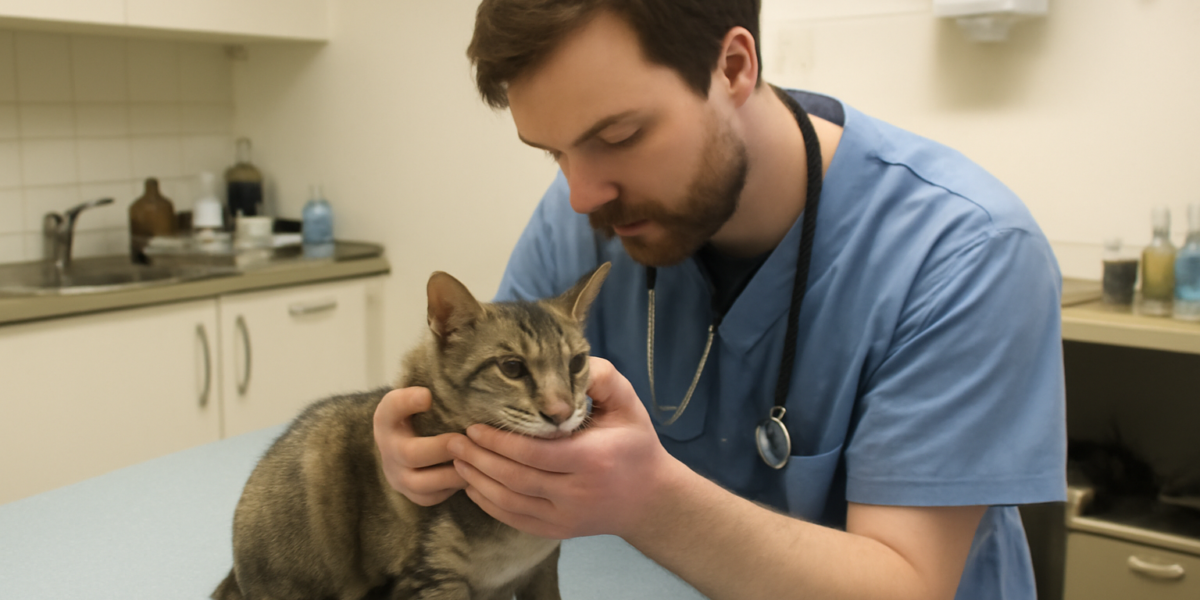
What Diabetes Mellitus Means in Cats
Diabetes mellitus in cats is a hormonal disease in which the body cannot regulate blood sugar normally. Unlike most dogs with diabetes, who have insufficient insulin production (similar to type 1 diabetes), cats more commonly have insulin resistance combined with reduced insulin secretion (similar to type 2 diabetes in humans). This distinction matters because feline diabetes can sometimes be put into remission with prompt and aggressive treatment.
In this article
Diabetes cats are typically middle-aged to older when diagnosed. Obesity, indoor sedentary lifestyle, certain medications (particularly chronic steroids), and pancreatitis all contribute to the development of feline diabetes. Burmese cats appear to have a higher genetic predisposition, but any breed can be affected.
The condition requires insulin therapy in nearly all cases, at least initially. With early diagnosis, appropriate insulin choice, and a low-carbohydrate diet, a meaningful proportion of cats achieve remission and can eventually come off insulin. The first weeks after diagnosis are critical for setting up the best chance of this outcome.
Recognizing the Signs
The classic signs are increased thirst, increased urination, increased appetite, and weight loss. Owners often notice the cat camped at the water bowl, larger amounts of urine in the litter box, and a notable drop in weight despite continued or increased eating. Some cats develop a back-leg weakness with a plantigrade stance, where they walk on their hocks rather than their toes (this is from diabetic neuropathy and often improves with treatment).
Lethargy, poor coat quality, and unkempt grooming are common as the disease progresses. Some cats become noticeably less active. Recurrent urinary tract infections can develop because high glucose in the urine creates a friendly environment for bacteria.
Diabetic ketoacidosis (DKA) is a serious complication that can occur if diabetes goes undiagnosed or if treatment is interrupted. Signs include vomiting, severe weakness, dehydration, and rapid breathing. DKA is a medical emergency that requires immediate veterinary care, typically with IV fluids, insulin, and intensive supportive care.
Diagnosis
Diagnosis can be a little trickier in cats than in dogs because cats experience stress hyperglycemia, in which blood glucose rises temporarily during stressful events such as veterinary visits. A single elevated blood glucose reading is not enough to confirm diabetes in a cat. Persistent elevation, glucose in the urine, and consistent clinical signs together support the diagnosis.
Fructosamine, a measure of average blood glucose over the previous two to three weeks, is particularly valuable in cats because it is not affected by acute stress. An elevated fructosamine in a cat with appropriate signs confirms persistent hyperglycemia.
Additional bloodwork screens for related conditions: pancreatitis, urinary tract infection, kidney disease, hyperthyroidism, and other metabolic problems. A urine culture is typically recommended at diagnosis given the high rate of urinary infections in diabetic cats.
Insulin Therapy
Insulin is the foundation of treatment in nearly all cats. Long-acting insulins such as glargine or detemir are commonly used in cats and have a track record for supporting good control and remission. Most cats receive twice-daily injections given approximately twelve hours apart with meals. The injection is given subcutaneously and most owners learn to give it easily after a brief demonstration.
Doses are individualized and started conservatively, then adjusted based on response. Your veterinarian will determine the starting dose and provide a plan for adjustments. Never adjust insulin doses on your own without veterinary direction; even small changes can have significant effects in cats, and getting it wrong can cause dangerous low blood sugar.
Insulin must be stored according to manufacturer’s directions, typically refrigerated, and rolled gently before use. Use a fresh insulin pen or bottle within the recommended timeframe after opening, and bring extra to vet appointments for travel or emergencies.
The Critical Role of Diet
Diet is the single most important non-insulin intervention in feline diabetes. Cats are obligate carnivores, and they regulate blood sugar best on a low-carbohydrate, high-protein diet. Many therapeutic and over-the-counter wet foods designed for diabetic cats contain less than ten percent of calories from carbohydrates, dramatically reducing blood sugar swings after meals.
Wet food is generally preferred over dry food because most dry foods are higher in carbohydrates. Many cats achieve better control on canned diets alone. If your cat strongly prefers dry food, low-carbohydrate dry options exist and can be used, ideally combined with some wet food.
Switch foods gradually under your veterinarian’s direction. Once an insulin dose is started, dietary changes can have rapid effects on blood sugar, so timing and monitoring matter. Avoid high-carb treats and table scraps; they can derail control and reduce the chance of remission.
The Path to Remission
Remission means that a cat no longer needs insulin to maintain normal blood glucose. The cat is still considered diabetic and remains at risk of recurrence, but day-to-day insulin therapy is no longer required. Diabetic remission is not curable, but for many cats, it represents a meaningful improvement in quality of life for both the cat and the family.
The best chance of remission comes from early diagnosis, prompt and aggressive insulin therapy combined with a low-carbohydrate diet, and tight glycemic control in the first months. The longer a cat has had uncontrolled diabetes, the lower the chance of remission.
Remission can occur weeks to months into treatment. Your veterinarian will monitor blood glucose carefully and reduce insulin doses as the cat’s own pancreas recovers. Some cats stay in remission for years; others relapse and need to return to insulin. Either outcome is manageable.
Monitoring
Monitoring is essential for safe insulin management and for catching the transition to remission. Blood glucose curves, in which blood glucose is measured every few hours over a twelve-hour period, are used periodically. These can be done at the veterinary clinic or at home with a portable glucose meter.
Continuous glucose monitoring devices, similar to those used in human diabetics, are increasingly used in cats and can provide a much richer picture of blood sugar patterns over days. They also reduce the stress of repeated needle pricks. Talk to your veterinarian about whether a CGM is appropriate for your cat.
Fructosamine measurements every few months provide a longer-term picture. Periodic urinalysis checks for ongoing glucose, ketones, and infection. Bloodwork checks kidney and liver function, and screens for related conditions.
Recognizing Low Blood Sugar
Low blood sugar (hypoglycemia) is the most dangerous acute complication of insulin therapy. Signs include weakness, lethargy, disorientation, unsteady walking, glassy eyes, and seizures. Severe hypoglycemia can be fatal if not treated promptly.
If you suspect hypoglycemia, give your cat a small amount of corn syrup, honey, or sugar-water rubbed on the gums (your veterinarian will recommend a specific product and amount based on your cat’s size). Recovery is usually rapid. Then call your veterinarian or go to an emergency hospital, even if your cat seems to recover.
Common causes include too much insulin, missed or partial meal, vomiting after a meal, unexpected remission (the cat’s own insulin production has recovered, and the prescribed dose is now too high), and certain medication interactions. Knowing the early signs and having a plan ready prevents serious outcomes.
Concurrent Conditions
Diabetes often coexists with other conditions in cats. Pancreatitis can both cause and be caused by diabetes, and cats with both conditions need careful diet management. Hyperthyroidism may complicate diabetic control and influence treatment choices. Chronic kidney disease becomes a concern with long-standing diabetes, particularly if regulation is poor.
Urinary tract infections are common and often subclinical, meaning they produce no obvious signs. Periodic urine cultures catch these so they can be treated. Dental disease is also common and can complicate diabetes by causing chronic inflammation that increases insulin resistance.
Acromegaly, a hormonal disease caused by excess growth hormone from a pituitary tumor, is now recognized as a cause of insulin-resistant diabetes in some cats. If your diabetic cat needs unusually high insulin doses, this condition may be considered.
Long-Term Outlook
With consistent treatment, most diabetic cats live full lives. Some achieve remission and come off insulin entirely. Others remain on insulin for life but maintain good quality of life with consistent care. The first months after diagnosis are the steepest part of the learning curve, with frequent vet visits, blood glucose monitoring, and dose adjustments.
Plan on insulin therapy initially, lifelong dietary attention, periodic monitoring, and ongoing attention to concurrent conditions. The cost is a real ongoing commitment but is manageable for most families with planning. Insurance coverage for diabetic supplies varies and is worth investigating early.
For broader reading on related senior conditions, see our guides on the cat care blog, including topics like kidney disease and dental health that often coexist with diabetes.
Adopting a Diabetic Cat
Diabetic cats sometimes need rehoming when their original families cannot manage the routine. With consistent care, these cats make wonderful companions, and many achieve remission with the right home environment. The adopt a cat hub has guidance on what to ask shelters about a diabetic cat’s medical history.
If you are considering adopting a diabetic cat, ask about insulin type and dose, feeding schedule, current control, recent bloodwork, and recheck schedule. Be prepared for the cost of insulin, supplies, and monitoring. Many adopters find the daily routine becomes a deeply bonding part of life with their cat.
Frequently Asked Questions
Can my cat go into remission?
Yes, a meaningful proportion of cats achieve diabetic remission, particularly with prompt diagnosis, appropriate insulin, and a low-carbohydrate diet. The earlier and more aggressive the treatment, the better the chance. Some cats stay in remission for years; others relapse and need to return to insulin.
What is the best diet for a diabetic cat?
A low-carbohydrate, high-protein diet is generally best, with most calories coming from protein and fat rather than carbohydrates. Wet food is often preferred over dry. Therapeutic diets formulated for diabetic cats are available; your veterinarian can recommend an appropriate option.
How do I give insulin injections to a cat?
Your veterinary team will demonstrate the technique and watch you perform it before sending you home. Most owners find injections easier than expected. The needle is very small, and most cats tolerate the routine well, especially with a treat after the injection.
What if I miss a dose?
Generally, if you miss a dose, do not double up at the next time. Give the next scheduled dose normally. If you are unsure, call your veterinarian. Consistent timing is important, but a single missed dose is not a disaster as long as it is not a pattern.
Are continuous glucose monitors useful for cats?
Yes, increasingly so. CGMs reduce the stress of repeated blood sampling and give a much richer picture of blood sugar patterns over days. Talk to your veterinarian about whether a CGM is appropriate for your cat’s situation.
When should I call my veterinarian?
Call for any signs of low blood sugar, persistent vomiting, refusal to eat, sudden weakness, or signs of urinary tract infection. Routine rechecks every three to six months once stable, and every one to two weeks during initial regulation, are typical.


