
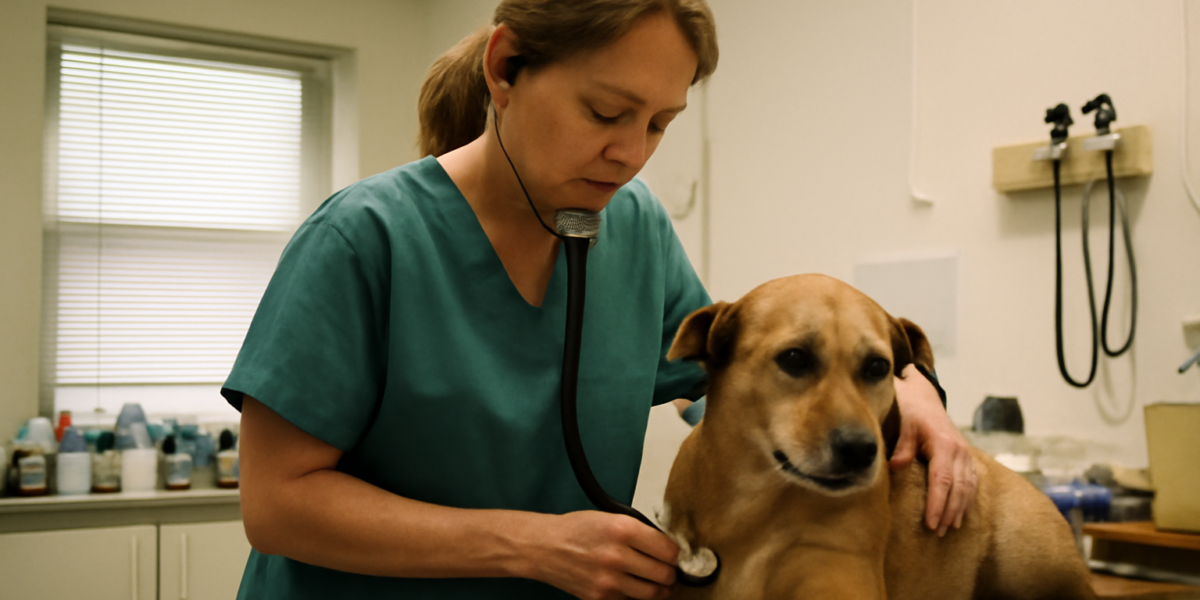
What Diabetes Mellitus Means in Dogs
Diabetes mellitus is a hormonal disease in which the body cannot regulate blood sugar normally. In dogs, the condition is most often caused by insufficient production of insulin by the pancreas, similar to type 1 diabetes in humans. Without enough insulin, glucose stays in the bloodstream rather than entering cells where it is needed for energy. The result is high blood sugar, increased thirst and urination, weight loss despite a good appetite, and over time, more serious complications.
In this article
Diabetes dogs are typically middle-aged to older when diagnosed, with females more commonly affected than males. Several breeds appear predisposed, including Miniature Schnauzers, Samoyeds, Australian Terriers, and Bichon Frises, though any breed can be affected. Obesity, pancreatitis, and chronic steroid use can all contribute to the development of diabetes.
The condition requires lifelong insulin therapy in nearly all canine cases. The good news is that with consistent management, most diabetic dogs live full, comfortable lives. The first weeks after diagnosis are a learning curve for owners, but the routine quickly becomes second nature.
Recognizing the Signs
The classic signs are increased thirst, increased urination, increased appetite, and weight loss. Owners often notice that the water bowl needs refilling more often, the dog asks to go out more frequently, and accidents in the house may begin in dogs who were previously reliably housetrained. Despite eating normally or even more than usual, the dog loses weight because the body cannot use the calories properly.
As diabetes progresses, lethargy and weakness develop. Cataracts are common in diabetic dogs and can develop quickly, sometimes within weeks of diagnosis, leading to vision loss. Recurrent urinary tract infections are also common because high glucose in the urine creates a friendly environment for bacteria.
Diabetic ketoacidosis (DKA) is a serious complication that can occur if diabetes goes undiagnosed or untreated. Signs include vomiting, severe weakness, dehydration, and rapid breathing. DKA is a medical emergency that requires immediate veterinary care. Awareness of this complication is part of why prompt diagnosis and consistent treatment matter.
Diagnosis
Diagnosis is straightforward in most cases. Your veterinarian will measure blood glucose, urine glucose, and other parameters from blood and urine samples. A persistently elevated blood glucose with glucose in the urine in a dog with appropriate clinical signs confirms diabetes mellitus. Stress can elevate blood glucose modestly, so persistent elevation matters more than a single high reading.
Additional bloodwork screens for related conditions: pancreatitis, urinary tract infection, kidney disease, liver disease, and Cushing’s disease. Cushing’s in particular often coexists with or contributes to diabetes and influences treatment. A urine culture is typically recommended at diagnosis given the high rate of urinary infections in diabetic dogs.
Fructosamine, a measure of average blood glucose over the previous two to three weeks, is sometimes measured at diagnosis and used for ongoing monitoring. It is less affected by stress than spot blood glucose readings.
Insulin Therapy
Insulin is the foundation of treatment. Several insulin products are used in dogs, with the choice based on the individual dog’s response, the veterinarian’s preference, and practical factors. Most dogs receive twice-daily insulin injections, given approximately twelve hours apart with meals. The injection is given subcutaneously (under the skin), and most owners learn to give it easily after a brief demonstration.
Doses are individualized and started conservatively, then adjusted based on response. Your veterinarian will determine the starting dose and provide a plan for adjustments. Never adjust insulin doses on your own without veterinary direction; even small changes can have significant effects, and getting it wrong can cause dangerous low blood sugar.
Insulin must be stored according to the manufacturer’s directions, typically refrigerated, and rolled (not shaken) gently before use. Use a fresh insulin bottle within the recommended timeframe after opening, and bring extra to vet appointments for travel or emergencies.
The Feeding Routine
Consistent feeding is as important as consistent insulin. Most diabetic dogs are fed twice daily, with meals given immediately before insulin injections so the food and insulin work together. Skipping or delaying a meal while still giving insulin can lead to low blood sugar.
Diet matters. Many diabetic dogs do well on a high-fiber, moderate-protein diet that helps slow glucose absorption and supports stable blood sugar. Therapeutic diets formulated for diabetic dogs are available through veterinary prescription. For dogs with concurrent conditions (pancreatitis, kidney disease), diet selection becomes more complex, and your veterinarian will recommend the appropriate option.
Treats should be limited and chosen carefully. Avoid high-sugar treats and table scraps. Small amounts of plain protein (cooked chicken, lean meat) or low-glycemic vegetables (green beans, carrots) are better choices. Account for treats in the daily calorie count.
Monitoring Blood Glucose
Monitoring is essential for safe insulin management. The simplest at-home measure is observing the classic signs (thirst, urination, energy, weight) and any episodes of weakness or unusual behavior that might suggest low blood sugar. A daily log of these observations is invaluable.
Blood glucose curves, in which blood glucose is measured every few hours over a twelve-hour period, are used periodically to assess how the insulin is working. These can be done at the veterinary clinic or, increasingly, at home using a portable glucose meter designed for veterinary use. Continuous glucose monitoring devices, similar to those used in human diabetics, are also becoming available for dogs.
Fructosamine measurements every few months provide a longer-term picture. Periodic urinalysis checks for ongoing glucose, ketones, and infection. Bloodwork checks kidney and liver function, and screens for related conditions.
Recognizing Low Blood Sugar
Low blood sugar (hypoglycemia) is the most dangerous acute complication of insulin therapy. Signs include weakness, trembling, disorientation, glassy eyes, collapse, and seizures. Severe hypoglycemia can be fatal if not treated promptly.
If you suspect hypoglycemia, give your dog a small amount of corn syrup, honey, or sugar-water rubbed on the gums (your veterinarian will recommend a specific product and amount based on your dog’s size). Recovery is usually rapid. Then call your veterinarian or go to an emergency hospital, even if your dog seems to recover, because the underlying cause needs to be identified.
Common causes of hypoglycemia include too much insulin, missed or partial meal, increased exercise, vomiting after a meal, and certain medication interactions. Knowing the early signs and having a plan ready prevents serious outcomes.
Cataracts and Eye Care
Cataracts are extremely common in diabetic dogs and can develop rapidly. Many diabetic dogs lose vision within months to a year of diagnosis. The cataracts form because excess glucose in the lens converts to sorbitol, which draws water and disrupts the normal lens structure.
Cataract surgery, performed by a veterinary ophthalmologist, can restore vision in many diabetic dogs. The surgery is similar to that performed in human cataract patients and produces excellent results when the dog is a good candidate. Your veterinarian can refer you to an ophthalmologist for evaluation.
Even without surgery, dogs adapt remarkably well to vision loss. They use scent and hearing to navigate familiar environments. Keeping the home arrangement stable and providing verbal cues helps blind dogs continue to live happy lives.
Concurrent Conditions
Diabetes often coexists with other conditions in dogs. Cushing’s disease (hyperadrenocorticism) commonly occurs alongside diabetes and complicates control because excess cortisol counteracts insulin. Treatment of Cushing’s often improves diabetic regulation. Pancreatitis can both cause and be caused by diabetes, and dogs with both conditions need careful diet management.
Urinary tract infections are common and often subclinical, meaning they produce no obvious signs. Periodic urine cultures catch these so they can be treated. Untreated infections can complicate diabetic regulation and contribute to kidney problems.
Kidney disease becomes a concern with long-standing diabetes, particularly if regulation is poor. Regular monitoring of kidney function is part of long-term care. Some prescription diets address both diabetes and early kidney disease.
Long-Term Outlook
With consistent treatment, most diabetic dogs live full lives. The first months after diagnosis are the steepest part of the learning curve, with frequent vet visits, blood glucose curves, and dose adjustments. Once a stable insulin dose is established, the routine becomes manageable, and many dogs go years with stable control.
Plan on lifelong insulin, lifelong consistent feeding, periodic monitoring, and ongoing attention to concurrent conditions. The cost (insulin, syringes, vet visits, periodic monitoring) is a real ongoing commitment but is manageable for most families with planning.
For broader reading on related senior conditions, see our guides on Cushing’s syndrome, pancreatitis, and the dog care blog for many related senior wellness topics.
Adopting a Diabetic Dog
Diabetic dogs sometimes need rehoming when their original families cannot manage the routine or cost. With consistent care, these dogs make wonderful companions. The adopt a dog hub has guidance on what to ask shelters about a diabetic dog’s medical history.
If you are considering adopting a diabetic dog, ask about insulin type and dose, feeding schedule, current control, recent bloodwork, and recheck schedule. Be prepared for the cost of insulin, supplies, and monitoring. Many adopters find the daily routine becomes a deeply bonding part of life with their dog.
Frequently Asked Questions
Can a dog be cured of diabetes?
Canine diabetes is generally not curable and requires lifelong insulin therapy. This differs from feline diabetes, where remission is possible in some cases. With consistent treatment, however, most diabetic dogs live full, comfortable lives.
How do I give insulin injections?
Your veterinary team will demonstrate the technique and watch you perform it before sending you home. Most owners find injections easier than expected. The needle is very small, and most dogs tolerate the routine well, especially with a treat after the injection.
What should I do if my dog refuses to eat?
Do not give the full insulin dose if your dog has not eaten. Call your veterinarian for guidance on partial dosing or skipping a dose. Persistent refusal to eat in a diabetic dog warrants prompt evaluation, as it can signal a serious problem.
How will I know if my dog has low blood sugar?
Signs include weakness, trembling, disorientation, glassy eyes, collapse, or seizures. If you suspect low blood sugar, give corn syrup or honey on the gums and contact your veterinarian or emergency hospital immediately. Prompt action prevents serious outcomes.
Will my dog go blind?
Cataracts are common in diabetic dogs and many lose vision within a year of diagnosis. Cataract surgery can restore vision in good candidates. Even without surgery, most blind dogs adapt well and continue to enjoy life.
When should I call my veterinarian?
Call for any signs of low blood sugar, persistent vomiting, refusal to eat, sudden vision changes, or signs of urinary tract infection. Routine rechecks every three to six months once stable, and every one to two weeks during initial regulation, are typical.


