
Last updated: April 26, 2026
In this article
- What Pancreatitis Is and Why It Matters
- Common Triggers
- Recognizing the Signs
- How Pancreatitis Is Diagnosed
- Treatment of Acute Pancreatitis
- Long-Term Diet Management
- Pancreatitis and Concurrent Diseases
- Recovery and Rechecks
- Severe Complications
- Home Care After Hospital Discharge
- Prevention Strategies
- Frequently Asked Questions
What Pancreatitis Is and Why It Matters
Pancreatitis in dogs is inflammation of the pancreas, the small organ that produces digestive enzymes and insulin. Normally those enzymes are released into the small intestine to help break down food. In pancreatitis, the enzymes activate too early and start digesting the pancreas itself. The result is significant pain, inflammation, and potential damage to surrounding organs.
Pancreatitis dogs experience comes in two main forms: acute and chronic. Acute pancreatitis develops suddenly and can range from mild and self-limiting to severe and life-threatening. Chronic pancreatitis is ongoing low-grade inflammation, sometimes with intermittent flares, that can damage the pancreas over time.
The condition can affect any dog but is more common in middle-aged and older dogs. Several breeds are reported as predisposed, including Miniature Schnauzers, Yorkshire Terriers, and Cocker Spaniels. Risk factors include high-fat dietary indiscretion, obesity, certain medications, endocrine diseases like Cushing’s, and previous episodes of pancreatitis.
Common Triggers
The most well-known trigger is a high-fat meal, often a stolen plate of holiday leftovers, table scraps, or trash. The fat overwhelms the pancreas and triggers premature enzyme activation. Many veterinary clinics see a spike in pancreatitis cases after holidays for exactly this reason.
Other triggers include certain medications (such as some chemotherapy drugs, certain antibiotics, and a few seizure medications), trauma to the abdomen, hypertriglyceridemia (high blood fat levels), and underlying endocrine disease. Cushing’s disease and diabetes both increase pancreatitis risk significantly.
Sometimes no specific trigger is identified, especially in chronic cases. Genetic factors likely play a role in breeds with high incidence rates. Once a dog has had pancreatitis, they are more prone to future episodes, so long-term dietary and lifestyle management becomes important.
Recognizing the Signs
Acute pancreatitis classically presents with vomiting, abdominal pain, decreased appetite, and lethargy. Some dogs adopt a praying posture (front legs down, back end up) trying to relieve abdominal discomfort. Diarrhea, dehydration, and fever are also common. Severe cases may show shock, collapse, or organ failure.
Chronic pancreatitis is often less obvious. Dogs may have intermittent vomiting, soft stools, mild abdominal discomfort, weight loss, or simply seem off without a specific cause. Some dogs are picky eaters or show food aversions. Flares of chronic disease can mimic acute pancreatitis temporarily.
Any dog with vomiting, abdominal pain, or appetite loss deserves veterinary evaluation. Pancreatitis can mimic many other conditions, so testing is needed to confirm. Early intervention reduces the risk of complications and faster recovery.
How Pancreatitis Is Diagnosed
Diagnosis usually combines clinical signs with bloodwork and imaging. The most useful blood test is canine pancreatic lipase immunoreactivity (cPLI), which measures a pancreas-specific enzyme. Elevated cPLI strongly supports pancreatitis. The SNAP cPL test gives a rapid in-clinic result, while quantitative cPLI provides a number.
Standard bloodwork shows nonspecific changes including elevated white blood cells, dehydration markers, electrolyte changes, and sometimes elevated liver enzymes. Calcium and triglycerides may also be abnormal. None of these alone confirms pancreatitis, but together they support the diagnosis.
Abdominal ultrasound is highly useful and can show an enlarged, irregular pancreas, surrounding fluid, and changes in nearby tissues. Severe cases may show necrosis or abscess formation. Ultrasound also helps rule out other causes of similar signs and assesses severity.
Treatment of Acute Pancreatitis
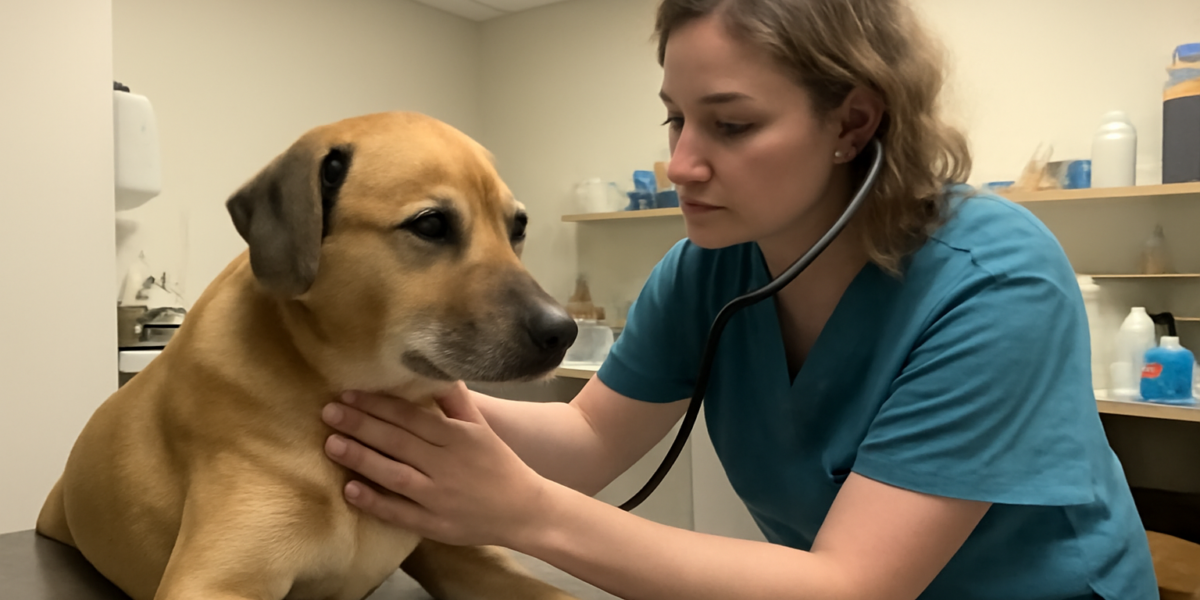
Mild cases may be managed as outpatients with anti-nausea medication, pain control, dietary management, and close monitoring. Most moderate to severe cases need hospitalization for intravenous fluid therapy, aggressive pain management, anti-nausea medications, and supportive care.
Pain control is one of the most important parts of treatment. Pancreatitis is genuinely painful, and adequate analgesia helps dogs eat sooner and recover faster. Your veterinarian will choose appropriate pain medications based on severity and the dog’s individual needs.
Anti-nausea medications like maropitant and ondansetron control vomiting and help dogs return to eating. Early enteral nutrition (feeding through the GI tract, sometimes with a feeding tube) is now considered best practice rather than the old approach of prolonged fasting. Specific feeding plans are tailored to each case.
Long-Term Diet Management
After recovery, low-fat diets are the cornerstone of preventing recurrence. Therapeutic GI or low-fat diets are formulated to be easily digested with reduced fat content. Some dogs do well on commercial low-fat diets, while others may need home-prepared diets formulated by a veterinary nutritionist.
Avoid high-fat treats, table scraps, fatty meats, and rich foods. Even small amounts can trigger flares in susceptible dogs. Educate everyone in the household, including children and visitors, about what your dog should and should not eat. Trash management matters too, since pancreatitis often follows raids on garbage.
Some dogs with chronic pancreatitis benefit from specific supplements or digestive enzymes. Your veterinarian can advise based on individual needs. Weight management is also important because obesity worsens pancreatitis risk. A measured, gradual weight-loss plan supports long-term wellness.
Pancreatitis and Concurrent Diseases
Pancreatitis often occurs alongside other conditions. Cushing’s disease, diabetes mellitus, hypothyroidism, and inflammatory bowel disease are commonly seen with pancreatitis. Treating concurrent diseases is part of comprehensive pancreatitis care, since each condition can worsen the others.
Diabetic dogs with pancreatitis face particularly tricky management because pancreatitis can disrupt glucose control and insulin response. Close monitoring and frequent veterinary contact are needed during pancreatitis episodes in diabetic dogs. Our diabetes mellitus in dogs guide covers related concerns.
Some dogs with chronic pancreatitis develop exocrine pancreatic insufficiency (EPI), where the pancreas no longer produces enough digestive enzymes. This is treated with daily enzyme supplementation added to meals. Bloodwork monitors for these and other complications over time.
Recovery and Rechecks
Recovery from acute pancreatitis varies with severity. Mild cases may resolve within days, while severe cases can take weeks of hospitalization and recovery. Bloodwork is repeated to track resolution, and dogs are gradually transitioned from hospital care to home care.
After discharge, follow-up appointments help monitor recovery. Your veterinarian will check appetite, weight, energy, and bloodwork. Some dogs need temporary feeding tubes if they will not eat on their own initially. Most dogs return to normal activity within a few weeks.
Long-term, watch for signs of recurrence: vomiting, decreased appetite, abdominal discomfort, or lethargy. Early intervention at the first signs of a flare prevents progression to severe disease. Keep your veterinarian’s contact information handy and never delay calling if you have concerns.
Severe Complications
Severe pancreatitis can lead to serious complications including disseminated intravascular coagulation (a clotting disorder), acute kidney injury, respiratory issues, sepsis, and pancreatic abscess or necrosis. These cases often require intensive care and may need referral to specialty hospitals.
Some severely affected dogs need surgery to address pancreatic abscesses or necrotic tissue. Surgery is generally reserved for cases that fail medical management or have specific complications. The decision involves weighing risks against potential benefits with your veterinary team.
For dogs with related abdominal complications, our protein-losing enteropathy guide covers another GI condition that sometimes intersects with pancreatitis. Comprehensive evaluation and treatment of all involved organs improves outcomes.
Home Care After Hospital Discharge
Once your dog comes home from the hospital, the first few weeks set the stage for full recovery. Stick precisely to the prescribed diet and medication schedule. Even one off-diet meal can trigger a relapse and undo all the progress made in the hospital. Communicate any deviations or accidents to your veterinary team.
Provide quiet rest in a comfortable, easily accessible spot. Avoid stairs, jumping, and rough play for at least a week, especially if a feeding tube is in place. Short, gentle leash walks help with normal GI motility once vomiting has resolved. Energy should improve gradually over the first one to two weeks at home.
Monitor appetite, water intake, vomiting, stool consistency, and overall demeanor daily. A simple notebook or phone log helps you track patterns and gives your vet useful information at recheck appointments. Photographing any unusual stool or vomit can help with assessment if you have to call the clinic.
Prevention Strategies
Prevention starts with avoiding fatty foods and dietary indiscretion. Stick to a consistent, complete diet appropriate for your dog. Avoid table scraps, especially fatty meats, butter, gravy, and rich human foods. Keep trash secured and watch for counter-surfing or scavenging.
Maintain a healthy weight. Obesity increases pancreatitis risk and worsens outcomes. Regular exercise, measured meals, and minimizing high-calorie treats all support weight management. Your veterinarian can help with a tailored weight-management plan.
Manage underlying diseases. If your dog has diabetes, Cushing’s, or hypothyroidism, working closely with your veterinarian to control these conditions reduces pancreatitis risk. For more on canine wellness, the dog care blog covers a range of related topics. The dog adoption hub has resources on welcoming new pets, including those with chronic conditions.
Frequently Asked Questions
Can my dog recover fully from pancreatitis?
Many dogs recover fully from a single episode of mild to moderate pancreatitis with appropriate treatment. Severe cases may have longer recoveries and some lingering effects. Dogs with chronic pancreatitis often live well with ongoing management, but they remain at risk for future flares.
How long does pancreatitis treatment usually take?
Mild cases may resolve within a few days of supportive care. Moderate cases often require several days of hospitalization. Severe cases can take a week or more in the hospital with continued recovery at home over weeks. Chronic cases need ongoing dietary and medical management.
Are some dog breeds more prone to pancreatitis?
Yes. Miniature Schnauzers, Yorkshire Terriers, and Cocker Spaniels are reported as predisposed. Mixed-breed dogs can develop pancreatitis too, especially those with risk factors like obesity or dietary indiscretion. Any dog with concurrent conditions like Cushing’s or diabetes is at higher risk.
Can I give my pancreatitis dog any treats?
Yes, but choose low-fat options. Many therapeutic GI diet brands offer matching treats. Plain green beans, baby carrots, and small amounts of low-fat cooked chicken are sometimes acceptable. Always check with your veterinarian before introducing new treats, especially during recovery.
When should I take my dog to the vet for suspected pancreatitis?
Any dog with vomiting, abdominal pain, decreased appetite, or lethargy needs veterinary evaluation. Severe vomiting, signs of pain, refusal to eat for more than a day, or signs of shock are urgent. Always consult your veterinarian for diagnosis and treatment specific to your dog.


