
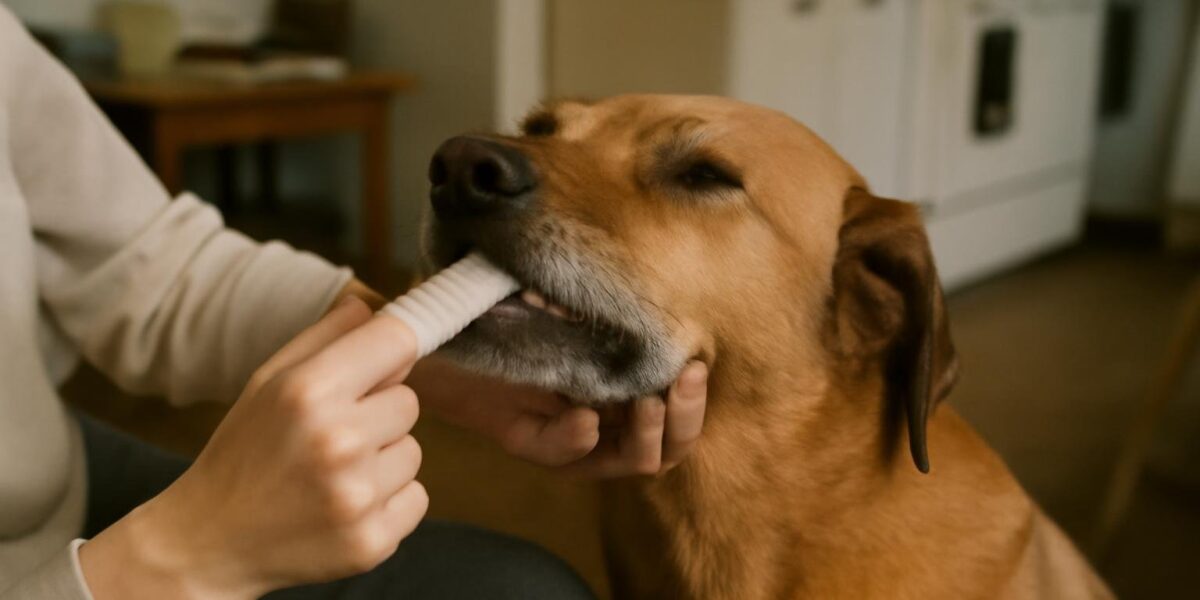
If you’re asking do I need to brush my dog’s teeth, the honest answer is yes — brushing is the single most effective thing you can do for your dog’s dental health, and daily is the gold standard. That said, the world won’t end if you miss a day, and there are practical alternatives that help when brushing simply isn’t possible. The goal isn’t perfection; it’s preventing the painful, expensive dental disease that affects the majority of dogs by middle age.
In this article
Let’s walk through the real case for brushing, the situations where it matters most, and exactly how to start without turning toothbrush time into a wrestling match. Dental care is one of those quiet, unglamorous habits that pays off enormously over a dog’s lifetime, and a little understanding goes a long way toward making it stick.
Why Brushing Your Dog’s Teeth Matters
Plaque begins forming on your dog’s teeth within hours of eating. It’s a sticky film of bacteria, food particles, and saliva that clings to the tooth surface, especially along the gumline and on the large chewing teeth toward the back of the mouth. Within a couple of days, that soft plaque hardens into tartar, a cement-like deposit that a toothbrush can no longer remove.
Once tartar forms, it pushes under the gumline, traps more bacteria, and triggers inflammation. Left unchecked, this progresses to periodontal disease — the most common health problem veterinarians diagnose in adult dogs. By middle age, the majority of dogs show some degree of dental disease, and most of it is preventable with consistent home care.
This isn’t just about bad breath, though that’s usually the first clue owners notice. Advanced dental disease is genuinely painful. It can loosen teeth, cause abscesses, erode the bone around the roots, and allow bacteria to enter the bloodstream, where it may strain the heart, liver, and kidneys over time. Dogs are stoic about mouth pain, so they often suffer silently until the problem is severe.
Daily brushing physically disrupts plaque before it can harden. That’s why it beats every other dental product on the market — it’s mechanical, direct, and consistent. No chew or water additive removes plaque as thoroughly as a brush actually touching the tooth surface, and that hands-on contact is exactly what keeps the gumline healthy.
The Case for Brushing Every Day
Because plaque mineralizes so quickly, the protective benefit of brushing fades fast. Brushing once a week is better than nothing, but it leaves plenty of time for tartar to build between sessions. Aim for daily, or at minimum every other day, to stay ahead of that hardening cycle. Think of it the way you think of your own teeth — you wouldn’t expect a weekly brush to keep your mouth healthy.
Daily brushing also keeps you familiar with the inside of your dog’s mouth. You’ll spot a chipped tooth, a red gumline, a growth, or an unusual lump far earlier than you would otherwise — and early detection often means a simpler, cheaper, less invasive fix. Many serious oral problems are caught by owners who brush, simply because they look inside the mouth regularly.
There’s a financial angle too. Professional dental cleanings under anesthesia are necessary for many dogs at some point, but consistent home brushing can stretch the time between cleanings and reduce how much work each one requires. Prevention is almost always cheaper than treatment, and it spares your dog repeated anesthesia.
Finally, the routine itself becomes a small daily bonding ritual once your dog is comfortable with it. Many dogs come to enjoy the attention, the flavored toothpaste, and the reward at the end. What starts as a chore becomes a normal part of your day together.
When Brushing May Not Be Realistic
Brushing is ideal, but I’d be lying if I said every dog tolerates it. Some rescue dogs arrive with mouth trauma, past neglect, or handling fears that make oral care frightening. Forcing a brush into a fearful dog’s mouth can damage your bond and make things worse, setting your progress back by weeks.
If your dog has untreated dental pain, brushing can actually hurt. In that case, the first step is a vet exam, not a toothbrush. Once any painful or diseased teeth are treated, you can introduce brushing on a healthy, comfortable mouth — and it’ll go far more smoothly.
For dogs who genuinely can’t accept brushing yet, you’re not out of options. Several products help reduce plaque while you work on building tolerance.
- Dental chews accepted by veterinary dental councils, which mechanically scrape teeth as the dog chews
- Prescription dental diets with specially shaped kibble that cleans the tooth surface
- Vet-recommended water additives that help reduce bacteria
- Dental wipes, which are a gentler stepping stone toward a full brush
These are a supplement to brushing for most dogs and a fallback for the few who refuse it entirely. They’re genuinely useful, but it’s worth being clear that none of them match a brush for thoroughness.
How to Decide What’s Right for Your Dog
Think about three things: your dog’s current dental health, their temperament, and your own realistic consistency. A young dog with clean teeth and a calm disposition is the perfect candidate for daily brushing — start now, before any problems develop, and it becomes a lifelong routine.
An anxious newly adopted dog needs trust-building first. Go slow, pair handling with treats, and don’t rush the brush. The same patience that helps with grooming, nail care, and other handling pays off here. For dogs who are nervous about having their paws touched, the gradual desensitization approach in our guide on how to trim your dog’s nails translates directly to mouth handling.
A senior dog with existing tartar may need a professional cleaning before home brushing can do much good. There’s no point brushing over heavy tartar that’s already locked in — clear that first, then maintain the clean mouth with a brush.
Be honest about your own habits, too. A consistent every-other-day routine you’ll actually keep beats an ambitious daily plan you abandon after a week. Build the habit you can sustain, and tie it to something you already do daily — after your own evening brush, or before the last potty trip — so it doesn’t get forgotten.
How to Brush Your Dog’s Teeth Safely
The key is going slowly over days or weeks, not minutes. Rushing is the fastest way to create a dog who hides when the toothbrush comes out.
- Use dog-safe products only. Human toothpaste contains fluoride and sometimes xylitol, both toxic to dogs. Buy enzymatic toothpaste made for dogs in a flavor they enjoy, like poultry or beef.
- Start with a taste. Let your dog lick a dab of the toothpaste off your finger for a few days so they associate it with something good.
- Introduce touch. Gently lift the lip and rub a finger or finger brush along the outer surface of a few teeth. Keep it short and reward generously.
- Add the brush. Use a soft dog toothbrush at about a 45-degree angle to the gumline, with small circular motions. Focus on the outer surfaces — that’s where most plaque sits.
- Build up coverage. Work toward reaching all four quadrants of the mouth over time. Even 30 seconds of real contact daily is worthwhile.
End every session on a positive note with praise or a small reward. You want your dog trotting over when they see the brush, not slinking away. Our full walkthrough on how to brush your dog’s teeth covers technique and troubleshooting in more depth.
One more practical note: keep sessions short, especially at first. A few seconds on the outer surfaces of a handful of teeth is a real win in the early days. You can expand coverage as your dog relaxes into the routine. Trying to scrub every tooth perfectly on day one is how good intentions fall apart.
Signs You Should See Your Vet
Brushing prevents problems, but it doesn’t fix existing ones. Book a vet visit if you notice any of these warning signs.
- Persistent bad breath that doesn’t improve
- Red, swollen, or bleeding gums
- Visible brown or yellow tartar along the gumline
- Loose, broken, or discolored teeth
- Dropping food, chewing on one side, or pawing at the mouth
- Reluctance to eat hard food or play with chew toys
- Drooling more than usual, sometimes tinged with blood
Your vet may recommend a professional cleaning under anesthesia, which allows them to clean below the gumline, take dental X-rays, and treat any diseased teeth — things no home routine can replicate. Think of brushing and professional care as partners, not substitutes. Home brushing keeps things maintained between visits; professional cleanings handle what’s already below the surface.
If you’re building a broader home-care routine, brushing pairs naturally with regular bathing and nail trims. Our guide on whether you need to bathe your dog regularly rounds out the basics of keeping your dog clean, comfortable, and easy to monitor for early health changes.
Frequently Asked Questions
How often should I really brush my dog’s teeth?
Daily is ideal because plaque hardens into tartar within a couple of days. If daily isn’t possible, every other day still provides meaningful protection. Consistency matters more than a perfect record, so pick a frequency you can genuinely maintain.
Can dental chews replace brushing?
Not fully. Quality dental chews and diets reduce plaque and are a useful supplement, but nothing matches a brush physically contacting the tooth surface. Use chews alongside brushing, or as a fallback for dogs who won’t tolerate a brush yet.
My dog hates having his mouth touched. What now?
Slow down and rebuild trust. Spend several days just letting him lick dog toothpaste off your finger before you ever introduce a brush. For fearful rescue dogs especially, patience and rewards win where force fails.
Is it too late to start if my dog is older?
It’s never too late, but have your vet check first. An older dog with existing tartar may need a professional cleaning before home brushing helps, and any painful teeth should be treated before you begin.
Will brushing make my dog’s bad breath go away?
Often yes, if the breath is caused by plaque and mild gum inflammation. But persistent bad breath despite brushing can signal dental disease or another health issue, so it’s worth a vet check rather than assuming brushing alone will fix it.


