
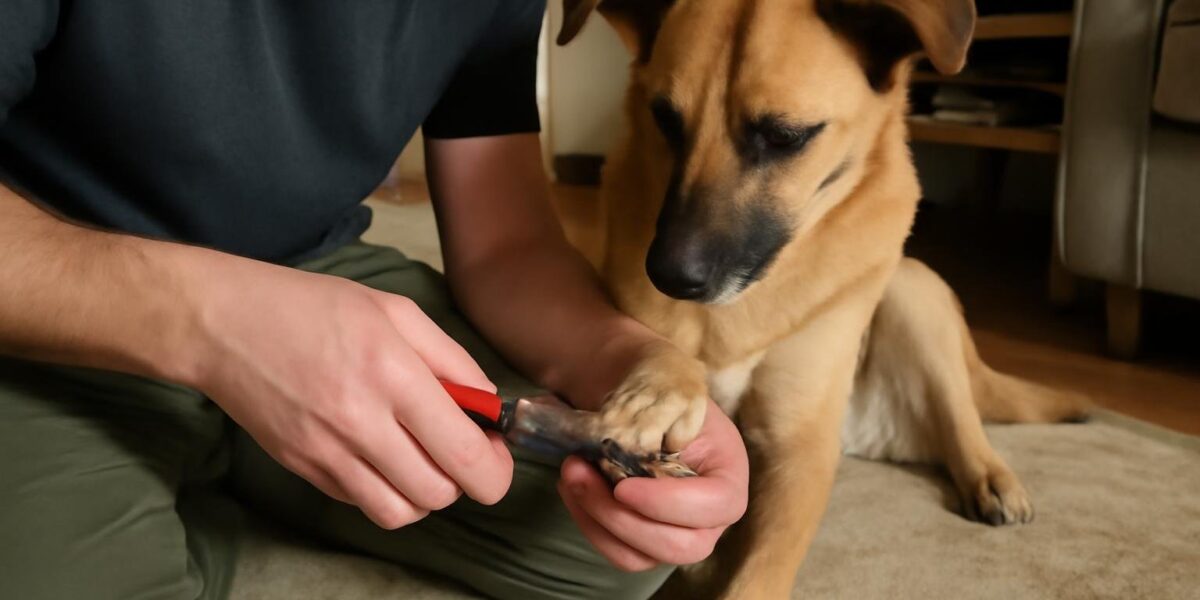
Do you need to trim your cat’s nails? For most indoor cats, the answer is yes — regular nail trims help prevent painful overgrowth, snagging, and ingrown claws, and they make life more comfortable for both your cat and your furniture. It isn’t strictly necessary for every cat in every situation; an active cat with plenty of scratching surfaces naturally wears down her claws to some degree, and some cats keep them in good shape on their own. But many indoor cats, and especially seniors and kittens, do benefit from a trim every few weeks. The key is to check the nails regularly and trim when they need it, rather than ignoring them entirely or trimming on a rigid schedule that doesn’t fit your cat.
In this article
- Why Nail Trimming Matters
- Which Cats Need Trims Most
- How Often Should You Trim?
- How to Trim Your Cat’s Nails Safely
- Supporting Nail Care with Scratching
- When to Talk to Your Vet
- Getting a Reluctant Cat Used to Trims
- Front Claws, Back Claws, and Dewclaws
- Common Trimming Mistakes to Avoid
- Frequently Asked Questions
Nail care intimidates a lot of owners, mostly out of fear of cutting too far. Let’s go through why trimming matters, when your cat needs it, and how to do it safely and calmly.
Why Nail Trimming Matters
A cat’s claws grow continuously, shedding outer layers as they scratch. Indoors, without the constant wear of climbing and rough surfaces, claws can grow too long. Overly long nails can curl around and grow into the paw pad, which is painful and can cause infection.
Long claws also snag on carpet, upholstery, and bedding, sometimes tearing painfully or trapping the cat. They can catch on a person’s skin during play or cuddles, leading to scratches that aren’t intentional. Trimming keeps the tips blunt and reduces all of this.
Regular trims are particularly important for cats who don’t scratch enough to wear their nails down, and for those whose claws grow faster than they can manage. Checking the nails also lets you notice problems early, like a torn claw or an infection brewing.
Which Cats Need Trims Most
Not every cat needs frequent trimming, but several groups almost always do:
- Senior cats. Older cats scratch less and have thicker, faster-growing nails, so overgrowth and ingrown claws are common. They need regular checks.
- Kittens. Their needle-sharp claws benefit from trimming, and early handling builds a lifelong tolerance for it.
- Indoor cats with limited scratching. Without enough rough surfaces, claws don’t wear down naturally.
- Cats with mobility or health issues that keep them from scratching and stretching normally.
Active, younger cats with good access to scratching surfaces may need less frequent trims, but you should still check their nails regularly. Outdoor cats often wear claws down more, though they still benefit from a check, since outdoor wear can be uneven.
How Often Should You Trim?
Most cats do well with a trim every few weeks, but the honest answer is to look rather than follow a fixed calendar. Gently press a paw pad to extend the claws and check the length. If the tips are sharp, hooking, or starting to curve toward the pad, it’s time.
Senior cats may need checking more often, since their nails can overgrow quickly and quietly. Get into the habit of inspecting your cat’s claws during your regular handling and grooming time so trimming becomes a natural part of care rather than a rare event.
Pairing nail checks with another routine, like brushing your cat, makes it easy to remember and keeps your cat comfortable being handled all over.
How to Trim Your Cat’s Nails Safely
The main thing to avoid is cutting the quick — the pink area inside the nail that contains blood vessels and nerves. Cutting it hurts and bleeds. Trimming only the clear, sharp tip keeps you safely away from it.
- Pick a calm moment, when your cat is relaxed or sleepy, not playful or agitated.
- Use cat nail clippers, either scissor-style or a small guillotine type designed for cats.
- Gently press the paw pad to extend the claw so you can see the quick.
- Snip only the sharp tip, staying well clear of the pink quick.
- Do a few nails at a time if she’s restless, rewarding her and finishing the rest later.
Keep styptic powder on hand in case you nick the quick — applying it stops minor bleeding. If you’re nervous, a full walkthrough in our guide to clipping your cat’s nails covers technique and troubleshooting in detail. Go slowly, reward generously, and never restrain a panicking cat by force.
Supporting Nail Care with Scratching
Trimming works best alongside good scratching outlets, which let your cat shed nail sheaths naturally and keep claws healthy. Providing sturdy scratching posts and pads also protects your furniture and satisfies a deep instinct.
Offer a mix of vertical and horizontal scratchers in materials your cat likes, and place them where she already scratches. This is also the humane, effective alternative to declawing — our look at whether you should declaw your cat explains why scratching outlets and trimming, not surgery, are the right approach to claw-related problems.
If scratching on furniture is the real issue driving you toward trimming, addressing the behavior directly with better outlets and gentle redirection usually solves it without any need for drastic measures.
When to Talk to Your Vet
See your veterinarian or a groomer if your cat’s nails have already overgrown into the pad, if a claw looks torn, infected, or swollen, or if you simply can’t trim safely at home. An ingrown claw needs prompt attention to prevent infection and relieve pain.
Your vet or a vet tech can also do the trim for you and show you the technique hands-on, which is reassuring if you’re worried about the quick. If your cat’s nails grow unusually fast, become brittle, or change in appearance, mention it — occasionally this reflects an underlying health issue worth checking.
Getting a Reluctant Cat Used to Trims
Many cats dislike having their paws handled, so the secret to easy trims is desensitization long before you ever pick up the clippers. The more comfortable your cat is being touched, the smoother the whole process becomes, and you can build this tolerance gradually over days or weeks.
A simple plan looks like this:
- Handle the paws often outside of trimming. Gently touch and press the pads while your cat is relaxed, rewarding her with treats each time.
- Introduce the clippers without using them. Let her sniff them, and reward her so the sight isn’t alarming.
- Practice the motion. Hold a paw, extend a claw, and touch the clipper to it without cutting, then treat.
- Trim one nail and stop. Build up from a single nail per session to several as her confidence grows.
- Always end on a positive note, with praise and a favorite treat, so the next session is easier.
If your cat becomes very stressed despite a patient approach, don’t force it into a fight. Some owners have success trimming while a sleepy cat dozes, doing just a nail or two at a time. Others find a calming wrap or a second person to gently steady the cat helps. The goal is a low-stress routine, not a perfect manicure in one sitting.
Front Claws, Back Claws, and Dewclaws
It helps to know which nails need attention. Cats use their front claws most — for scratching, climbing, and gripping — so those are the ones most prone to getting sharp and snagging, and they usually need trimming more often. The back claws tend to be a bit duller and may wear differently, but they still need checking.
Don’t forget the dewclaws, the thumb-like claws higher up on the inner front legs. Because they never touch the ground, they don’t wear down at all and can quietly overgrow until they curl into the skin. Make checking the dewclaws a routine part of every trim, since an ingrown dewclaw is a common, painful, and easily preventable problem.
Some cats also have extra toes, a harmless trait called polydactyly, which means extra claws to find and trim. Take your time to account for every nail on every paw so none is missed. A quick, methodical pass paw by paw ensures nothing overgrows in a spot you forgot to look.
Common Trimming Mistakes to Avoid
A few avoidable mistakes are behind most bad nail-trimming experiences, and knowing them in advance helps you sidestep the worst of them. The biggest is cutting too much at once and hitting the quick, which hurts your cat and can sour her on trims for a long time. Always err on the side of taking off less — you can trim again sooner, but you can’t undo a painful cut.
Other common pitfalls include:
- Using dull or human nail clippers, which crush rather than cleanly cut and can split the nail.
- Trimming a stressed or struggling cat, which raises the odds of a slip and a painful cut.
- Forgetting the dewclaws, which overgrow quietly and can curl into the skin.
- Turning every session into a long ordeal, instead of doing a few nails and stopping while things are still calm.
- Skipping treats and reassurance, which would otherwise build a positive association.
Trimming should be a quick, low-key part of your cat’s care, not a battle. If you find every attempt turns into a fight despite your best efforts, there’s no shame in handing the job to a vet tech or groomer. The priority is keeping the nails healthy and your cat unstressed, however that gets done.
Frequently Asked Questions
How often should I trim my cat’s nails?
Most cats need a trim every few weeks, but check the nails regularly rather than relying on a fixed schedule. Senior and indoor cats often need more frequent trims; active cats with good scratching surfaces may need fewer.
What happens if I never trim my cat’s nails?
Claws can overgrow, snag painfully, and curl into the paw pad, causing pain and possible infection. Cats who don’t wear their nails down naturally are most at risk, especially seniors.
What if I accidentally cut the quick?
Apply styptic powder to stop the bleeding and stay calm. The bleeding is usually minor. Keep styptic powder on hand before you start, and trim only the clear tip to avoid the pink quick.
Do indoor cats need their nails trimmed more than outdoor cats?
Often yes. Outdoor cats tend to wear their claws down more through climbing and rough surfaces, while indoor cats may not, so indoor cats commonly need more regular trims.
Can scratching posts replace nail trimming?
Not entirely. Scratching helps shed nail sheaths and keeps claws healthy, but many cats still need trims, especially seniors and less active cats. Use scratching outlets and trimming together.


