
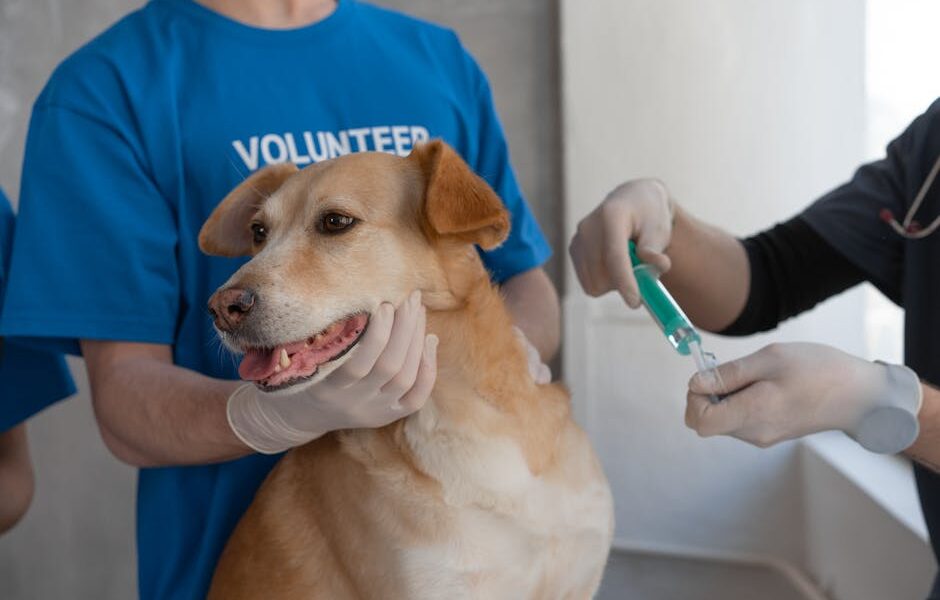
Dog Kennel Cough
Dog kennel cough is a common respiratory infection that affects many dogs, especially those who frequently interact with other animals. Known for its dry, hacking cough, kennel cough can be unsettling for both pets and their owners. Understanding its symptoms, causes, and treatment options can help ensure your furry friend receives the best care possible.
In this article
What is Kennel Cough?
Kennel cough, scientifically known as canine infectious tracheobronchitis, is a contagious respiratory disease. It is similar to the common cold in humans and is characterized by inflammation of the upper airways. The condition is usually caused by a combination of bacteria and viruses, with Bordetella bronchiseptica being the most common bacterial culprit. Dogs are often exposed to kennel cough in environments where many dogs congregate, such as boarding facilities, dog parks, and grooming salons.
Recognizing the Symptoms of Kennel Cough
The primary symptom of kennel cough is a persistent, dry cough that sounds like a honk. Other symptoms can include sneezing, runny nose, eye discharge, and a mild fever. In some cases, dogs may experience a decreased appetite or lethargy. While these symptoms can be alarming, kennel cough is generally mild and self-limiting. However, in puppies, elderly dogs, or those with compromised immune systems, the illness can progress to pneumonia if not properly managed.
Causes and Transmission of Kennel Cough
Kennel cough spreads rapidly through airborne droplets, direct contact, or shared surfaces such as water bowls and toys. The crowded and often stressful environments of boarding kennels make them prime locations for the spread of the disease. Dogs with weakened immune systems, stress, or poor hygiene are more susceptible to contracting kennel cough. Vaccination can help reduce the risk, but it is not a guarantee against infection.
Treatment Options for Kennel Cough
Treatment for kennel cough largely depends on the severity of the symptoms. Mild cases may resolve on their own without the need for medication. Ensuring that your dog gets plenty of rest and stays hydrated is crucial. In more severe cases, veterinarians may prescribe antibiotics to combat bacterial infections or cough suppressants to alleviate symptoms. It’s important to isolate affected dogs from other pets to prevent the spread of the disease.
Home Care Tips for Dogs with Kennel Cough
Caring for a dog with kennel cough at home involves several supportive measures. Ensure that your dog has a comfortable, stress-free environment to rest. Use a humidifier in the room to help ease breathing, and encourage your dog to drink plenty of water. Feeding them soft, palatable food can help if their throat is sore. Avoid using collars that put pressure on the trachea, opting instead for a harness during walks.
When to See a Vet
While most cases of kennel cough resolve on their own, there are instances where veterinary intervention is necessary. If your dog’s cough persists for more than a week, or if they exhibit signs of breathing difficulties, high fever, or a significant lack of energy, it’s crucial to seek veterinary care. Puppies, older dogs, and those with existing health issues should be monitored closely to prevent complications.
Preventing Kennel Cough
Prevention of kennel cough focuses on vaccination and minimizing exposure to the disease. The Bordetella vaccine is available and can be administered as an injection, nasal spray, or orally. Regular vaccinations, good hygiene practices, and maintaining a stress-free environment can significantly reduce the risk of infection. For more tips on keeping your pet healthy, consider reading our article on pet care tips.
FAQ
Can humans catch kennel cough from dogs?
While rare, it is possible for humans with weakened immune systems to contract Bordetella bronchiseptica from dogs. However, the risk is minimal for healthy individuals.
How long does kennel cough last?
Kennel cough typically lasts between one to three weeks. With proper care, most dogs recover without complications. If symptoms persist beyond this period, consult a veterinarian.
Is kennel cough only spread in kennels?
No, kennel cough can be spread in any environment where dogs interact closely, such as dog parks, training classes, or dog shows. It’s important to maintain good hygiene and vaccinate your dog if they frequently socialize with other dogs.
What should I do if my dog has been exposed to kennel cough?
If you suspect your dog has been exposed to kennel cough, monitor them closely for symptoms. Keep them away from other dogs and consult your vet for guidance on preventative measures or early treatment.
For more information on maintaining your pet’s health, explore our comprehensive guides on pet health and wellness and pet vaccination schedules.


