Last updated: April 26, 2026
In this article
English Bulldog vs French Bulldog: Which Breed Is Right for You?
When it comes to the English Bulldog vs French Bulldog debate, both breeds share a wrinkled charm and an irresistible personality, but they are quite different dogs once you look closer. Whether you are a first-time dog owner or an experienced adopter looking to welcome a new companion, understanding those differences matters. At Walk Me Home Rescue, we work with both breeds and want to help you make an informed, compassionate decision. If you are ready to open your home, browse our available dogs at our adoption page or read more pet care guides on our dog care blog.
At a Glance Comparison Table
| Characteristic | English Bulldog | French Bulldog |
|---|---|---|
| Weight | 40 – 50 lbs | Under 28 lbs |
| Height | 14 – 15 inches | 11 – 13 inches |
| Lifespan | 8 – 10 years | 10 – 12 years |
| Energy Level | Low | Low to Moderate |
| Good With Kids | Yes | Yes |
| Good With Other Dogs | Generally Yes | Generally Yes |
| Grooming Needs | Moderate (wrinkle care required) | Low to Moderate |
| Trainability | Moderate (can be stubborn) | Moderate (eager but stubborn) |
| Apartment Friendly | Yes | Yes |
| Brachycephalic | Yes | Yes |
| Average Cost (Adoption) | Varies by rescue | Varies by rescue |
Size and Appearance Differences
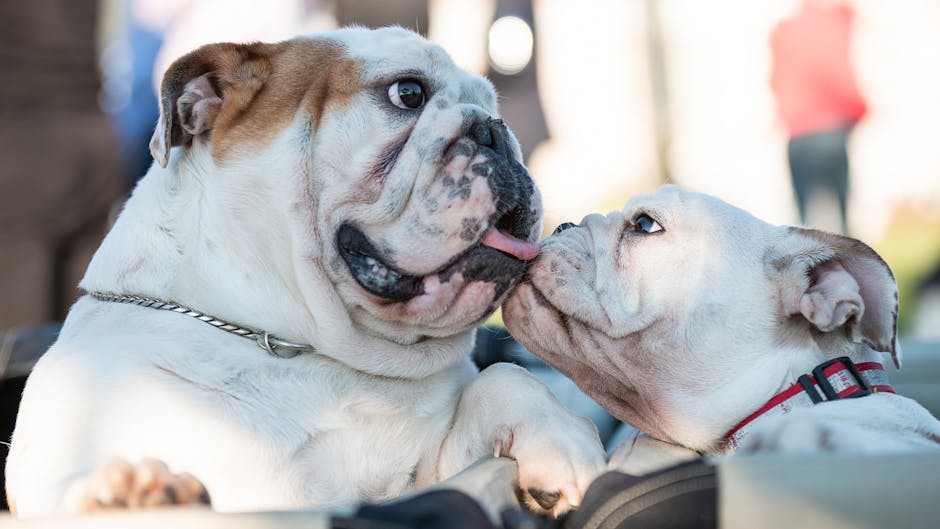
One of the most immediately noticeable differences in the English Bulldog vs French Bulldog comparison is size. The English Bulldog is a stocky, heavy-set dog, typically weighing between 40 and 50 pounds, with a broad, low-slung body and a massive, wrinkled head. Their face features a pronounced underbite, a pushed-in nose, and deep skin folds that give them their iconic look. Their build is wide and muscular, and they move with a slow, rolling gait.
The French Bulldog is considerably smaller and more compact, rarely exceeding 28 pounds. They share the flat face and wrinkled brow of their English cousin, but their most distinctive physical feature is their large, upright bat-like ears, which stand erect naturally. French Bulldogs have a more refined, almost square head and a tighter, less jowly face. Their body is muscular but sleek, making them slightly more agile despite their compact frame. Both breeds have short, smooth coats that come in a range of colors, including fawn, brindle, white, and combinations of these.
Personality and Temperament
Both breeds are beloved for their affectionate, people-oriented personalities, but they express that love in slightly different ways. The English Bulldog is famously calm, dignified, and laid-back. They are gentle giants who tend to be patient with children, tolerant of other pets, and content to spend long hours lounging beside their favorite human. They can be a little stubborn, which shows up in training, but their easygoing nature makes them a wonderful companion for quieter households or anyone who prefers a low-drama dog.
The French Bulldog, while equally devoted, brings a bit more spark to daily life. Frenchies are playful, curious, and often described as clownish. They thrive on human interaction and do not like being left alone for long periods, which can lead to separation anxiety. They are alert without being yappy, making them surprisingly good watchdogs in a compact package. Both breeds form deep bonds with their families, and neither is well-suited to outdoor or kennel life. They need to be indoors, close to the people they love.
Exercise Needs
Neither the English Bulldog nor the French Bulldog is a high-energy breed, but their exercise needs differ in degree. English Bulldogs are content with one or two short, gentle walks per day. Overexertion in heat can be dangerous for them given their brachycephalic airways. A leisurely 20-minute stroll is usually enough to keep them happy and healthy.
French Bulldogs require a bit more activity. Two walks a day with some indoor play sessions suits them well. They enjoy interactive games and short bursts of energy, followed by rest. Neither breed should be exercised in high heat or humidity. Because both dogs are brachycephalic, they overheat quickly and can struggle to breathe during strenuous activity. Early morning or evening walks during warmer months are strongly recommended for both breeds.
Health Concerns
This is one of the most important sections of any English Bulldog vs French Bulldog comparison because both breeds carry significant inherited health risks. Both are brachycephalic, meaning their shortened skulls can cause breathing difficulties, a condition formally called Brachycephalic Obstructive Airway Syndrome (BOAS). However, the specific health challenges each breed faces extend beyond the airway.
English Bulldogs are prone to hip dysplasia, cherry eye, skin fold infections (due to their heavy wrinkling), and heart problems. Their larger, heavier bodies put stress on joints and the cardiovascular system. They also frequently require cesarean sections to give birth due to the size of the puppies’ heads relative to the dam’s pelvis, which contributes to high breeding costs and ethical concerns around the breed.
French Bulldogs face similar breathing challenges but are additionally prone to spinal disorders, particularly intervertebral disc disease (IVDD), which can lead to paralysis in severe cases. They also experience allergies, eye conditions such as cherry eye and juvenile cataracts, and ear infections due to their narrow ear canals. Both breeds benefit enormously from veterinary care that includes regular wellness checks, weight management, and proactive screening. Pet insurance is strongly advised for either breed.
Grooming and Care
Both dogs have short, smooth coats that are low-maintenance in terms of brushing. A weekly once-over with a soft-bristle brush or grooming mitt is usually sufficient to manage shedding and keep the coat healthy. Neither breed requires professional grooming as frequently as long-haired dogs, though occasional baths are helpful.
The bigger grooming responsibility for both breeds lies in wrinkle care. Skin folds trap moisture, debris, and bacteria, creating an environment where infections can thrive. For English Bulldogs, this is particularly important given the depth and number of their folds. Both breeds need their wrinkles wiped clean and dried regularly, ideally several times per week. Ear cleaning and nail trimming round out routine care. Dental hygiene is also important, as both breeds can be prone to overcrowding of teeth in their compressed jaws.
Which Breed Is Right for You?
If you are weighing the English Bulldog vs French Bulldog decision for your own home, think carefully about your lifestyle, living space, and experience with dogs. English Bulldogs are ideal for calmer households that want a mellow, undemanding companion. They suit families with children well and do not require a large yard. French Bulldogs are a better fit for people who want a bit more playfulness and personality packed into a smaller frame, especially apartment dwellers who enjoy interactive time with their dog.
Both breeds require a financial commitment to veterinary care. If you are open to adoption rather than purchasing from a breeder, you may find either breed at a rescue organization. Many bulldogs end up in rescue through no fault of their own, and giving one a second chance is one of the most rewarding decisions you can make. Visit our adoption page to see current dogs in need of homes, or explore more breed guides on our dog care blog.
Frequently Asked Questions
Is the English Bulldog or French Bulldog easier to train?
Both breeds have a reputation for stubbornness, but neither is untrainable. French Bulldogs tend to be slightly more food-motivated and eager to engage, which can make training sessions feel more productive. English Bulldogs will cooperate when they feel like it. Short, positive, reward-based sessions work best for both. Consistency and patience are more important than breed in determining training success.
Which breed is better for apartment living?
Both the English Bulldog and the French Bulldog adapt well to apartment living due to their low-to-moderate exercise needs and quiet natures. The French Bulldog’s smaller size gives it a slight edge in very compact spaces. Neither breed should be housed outdoors, and both thrive when kept close to their owners indoors regardless of home size.
Do English Bulldogs and French Bulldogs get along with other pets?
Generally, yes. Both breeds tend to be sociable and non-aggressive toward other dogs and household pets when properly socialized from an early age. English Bulldogs may be a bit more laid-back in multi-pet households, while French Bulldogs can occasionally show some assertiveness. Introducing any new dog to existing pets gradually and carefully is always the recommended approach.
How long do English Bulldogs and French Bulldogs live?
English Bulldogs typically live between 8 and 10 years, while French Bulldogs tend to have a slightly longer lifespan of 10 to 12 years. Both breeds benefit from attentive veterinary care, a healthy diet, and weight management to maximize their quality of life and longevity. Regular checkups and early intervention for breed-specific health issues make a meaningful difference in how long and how well either dog lives.
Looking to adopt a English Bulldog vs French Bulldog?
Browse English Bulldog vs French Bulldog dogs and mixes available for adoption from shelters and rescues near you.
Find English Bulldog vs French Bulldog Dogs for Adoption